Home » Field Weeder

Field Weeder for Crop-Row Weed Control

Field Weeder

A field weeder is agricultural equipment used to manage weeds in cultivated fields, often by disturbing or removing weeds between crop rows. It may suit farms, agricultural contractors, and machinery distributors evaluating mechanical weed-control options. The right setup depends on details that are not specified here, including crop type, row spacing, soil condition, weed growth stage, working width, and the tractor or power source available. These factors determine whether a machine can work around the crop without causing unacceptable crop damage or soil disturbance. As an agricultural machinery manufacturer and supplier, we approach field equipment design around practical operating requirements; however, no specific Field Weeder model, working dimensions, or configuration has been provided for this page. Buyers should therefore treat this overview as a starting point, not a confirmed specification sheet. Before requesting a quotation, prepare basic information about the crop and field, along with any relevant tractor details. That gives the supplier a sound basis to confirm product availability, compatibility, and the technical information needed for a purchasing decision.

Technical Detail

Configured around process stability, mold life, and long-term uptime.

A Field Weeder is a mechanical weed-control machine intended for use in agricultural fields. Depending on its design, a weeder may act on weeds within or between crop rows using soil-working components. The exact working principle, implement layout, and suitable operating settings vary by model, so they should be confirmed against the product documentation before purchase. No model-specific specifications, components, working width, capacity, or attachment options have been supplied for this listing; none should be assumed from the product name alone. The manufacturer’s stated profile includes a 68,000 m2 smart manufacturing base, intelligent R&D, and smart manufacturing focused on consistent production. These are company-level details, not specifications for a particular Field Weeder. The brand also states that it serves more than 150 customers and holds CE certification; buyers should confirm which products and configurations the certification covers. This product category may be relevant to farms seeking mechanical weed management, agricultural contractors comparing implements, and distributors assessing machinery for their markets. Suitability depends on crop layout and field conditions, so buyers should verify the intended crop, row spacing, soil type, weed stage, tractor compatibility, and required working width with the supplier. For an accurate product assessment, request the applicable model documentation and confirm that the stated configuration matches the intended operation.

Walk-Behind Paddy Weeder

How Mechanical Weeding Relates to Crop Rows

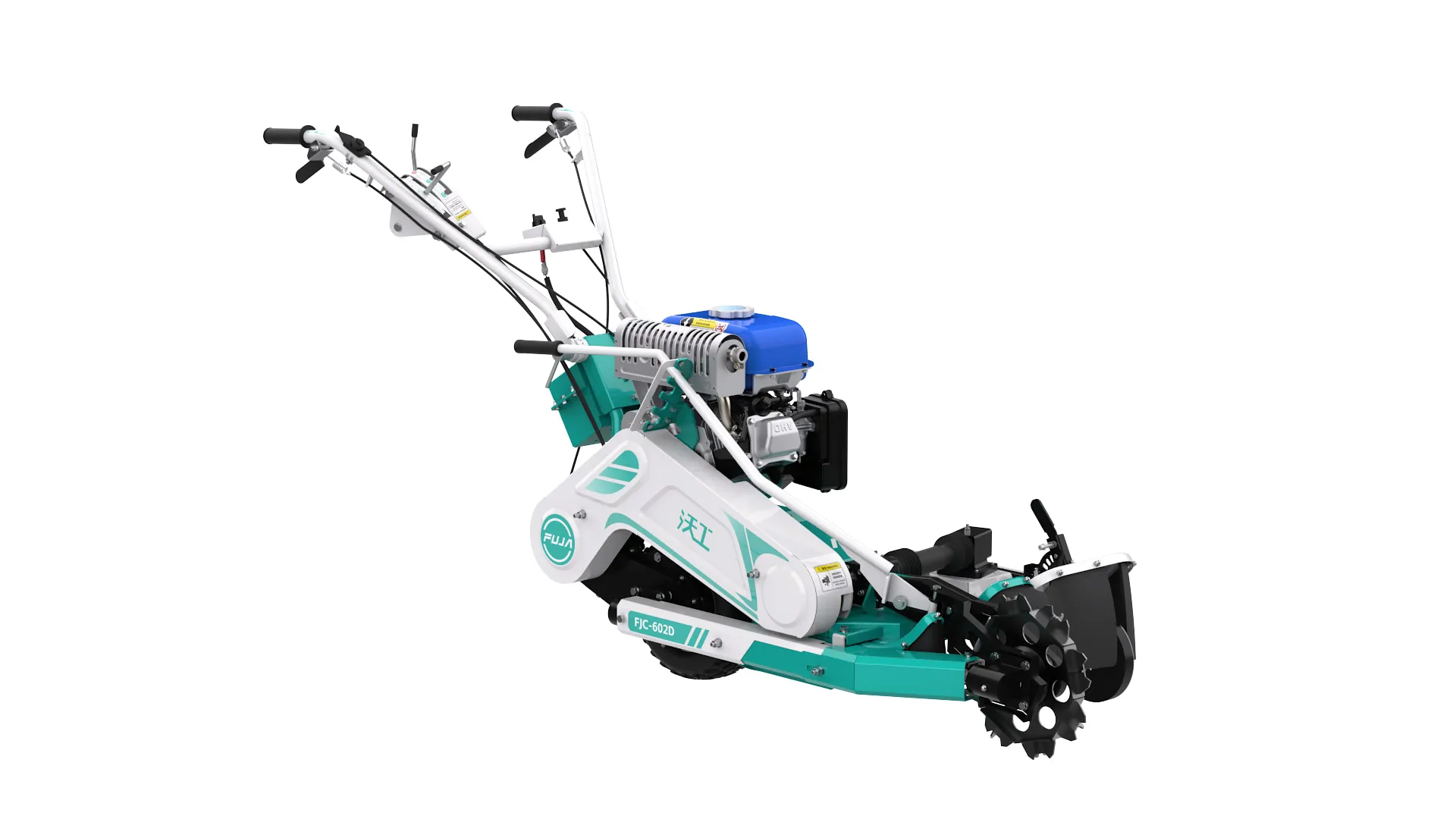
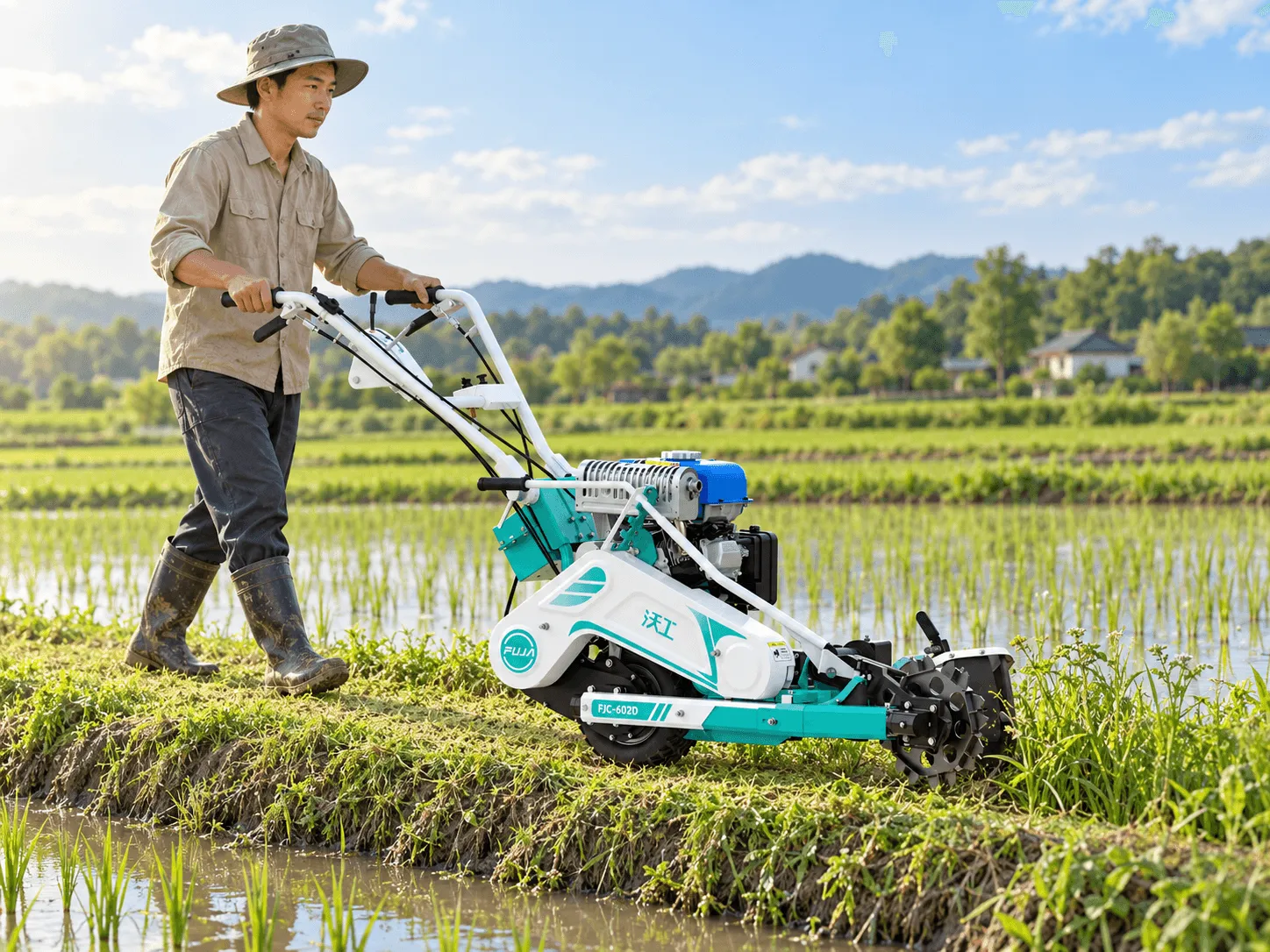
Field weeders are used to control weeds through mechanical action rather than relying solely on chemical treatment. The way that action is delivered depends on the machine: working elements may operate in the spaces between crop rows, while some designs may also address weeds closer to the crop. Because no product drawing or component list is available here, the working elements and their arrangement for this Field Weeder cannot be confirmed. Buyers should ask for a layout drawing or clear product images showing the tool positions, adjustment points, and areas of soil contact. This is useful for understanding how the implement interacts with crop rows and where operator adjustment may be required. The manufacturer describes an intelligent R&D function focused on practical design challenges, but that statement does not establish a particular mechanism or performance result for this product. Confirm the machine’s operating principle from its technical documents before comparing it with other weed-control methods. In particular, check whether the documented design is intended for the crop layout and weed locations you need to address, rather than assuming all machines called field weeders work in the same way.
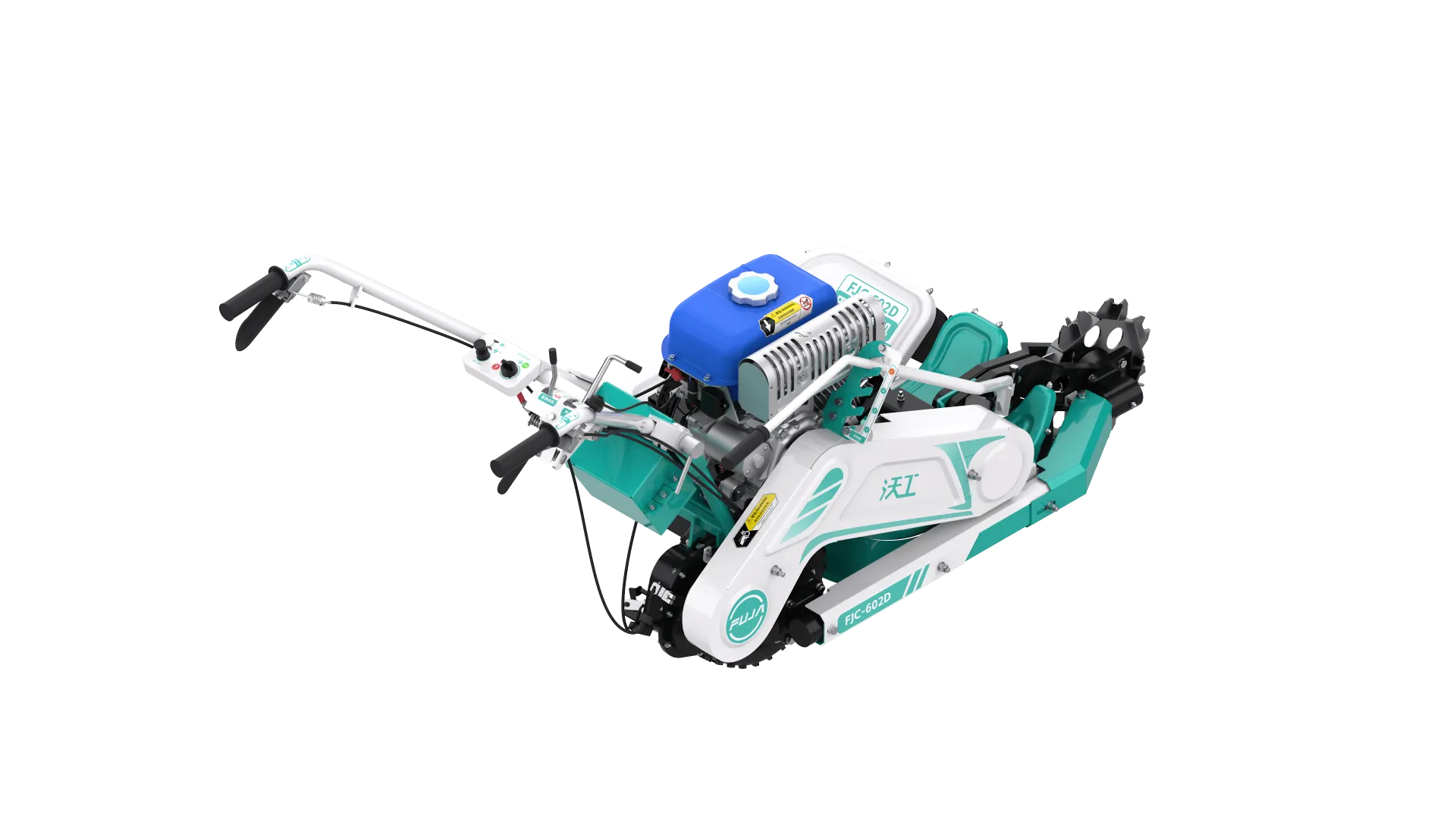

Walk-Behind Paddy Weeder

Check Field Conditions Before Assessing Fit

A field weeder’s suitability is determined by the relationship between the crop layout, soil, weeds, and available power source. Start with row spacing and crop growth: if the implement’s working elements cannot stay within the available clearance, crop damage may result. Soil that is unusually wet, hard, stony, or uneven may also affect operation, but acceptable conditions depend on the specific machine and its instructions. Weed size and position matter as well; a tool designed to work between rows may not control weeds growing close to the crop. Since this page has no verified operating limits, buyers should not infer a maximum weed height, soil-moisture range, field speed, or terrain capability. Provide the supplier with crop type, row spacing, field photos if available, soil description, weed stage, and tractor make or relevant power and hitch information. Ask which conditions are supported by the proposed model and which could require a different setup. A clear fit assessment should identify both the intended operating range and any limitations, rather than relying on a general claim that the machine is suitable for field use.

Walk-Behind Paddy Weeder

Prepare a Useful Field Weeder Inquiry

Before requesting product details or a quotation, assemble the information that will let the supplier identify a relevant configuration. Record the crop and planting pattern, row spacing, approximate field conditions, weed type and growth stage, and the work area you expect the machine to cover. Include tractor or power-source information and any connection requirements already known. Then ask the manufacturer to confirm the available model, working width, implement dimensions, compatible power and mounting arrangements, adjustment options, and included components. These details are not provided in the current product information, so they need written confirmation rather than assumption. Request a current specification sheet, operating instructions, and any applicable conformity documents for the exact configuration being offered. If optional attachments or different setups are available, ask the supplier to list them separately and explain what operating need each addresses. The brand reports a 68,000 m2 smart manufacturing base and global service support; confirm the service arrangements relevant to your destination and purchase. A concise inquiry with field and tractor details makes it easier to assess compatibility before commercial terms are discussed.

News

Industry updates

Products

Production modules

Why Choose Us

A Manufacturing Partner Focused on Practical Agricultural Equipment

The brand presents itself as an agricultural machinery manufacturer and supplier with a 68,000 m2 smart manufacturing base. For buyers assessing a Field Weeder, this provides a concrete point to explore during supplier evaluation: ask how the proposed model is developed, produced, and checked, and request documentation for the actual machine under consideration. The company also identifies intelligent R&D as a capability directed at real-world challenges. That positioning is relevant when crop layouts or operating conditions call for technical clarification, but any requested design or configuration should be confirmed for availability rather than assumed. The manufacturer reports serving more than 150 customers and describes global service support. Buyers can use the inquiry stage to clarify the support channels and documentation applicable to their destination and product. CE certification is also stated at brand level; request the relevant declaration or certificate and verify its scope for the offered Field Weeder configuration. These details give procurement teams specific subjects to validate: manufacturing process, technical support, export-related service arrangements, and product-level compliance. They do not replace model-specific evidence, but they help structure a more informed supplier discussion.

FAQ

Common technical questions

What details should I send to check whether a Field Weeder fits my tractor?

Provide the tractor make and model, available power information, hitch or mounting type, and any known hydraulic or connection requirements. Ask the supplier to confirm compatibility for the exact Field Weeder model; no tractor compatibility data is available in the current product information.

Can a Field Weeder work in both row crops and broadcast-planted fields?

It depends on the machine’s working-element layout and the crop’s spacing. Share the planting method and field layout with the supplier, then request confirmation that the proposed configuration can operate without unacceptable crop interference.

What should I inspect before operating a newly delivered weeder?

Use the model-specific manual as the authority. Before operation, check that the implement is correctly connected, fasteners and working components are secure, and guards or adjustments are in their instructed positions. Follow the supplier’s safety and setup guidance; the specific inspection points depend on the model.

How do I compare two Field Weeder models if their working widths differ?

Compare more than width: confirm the actual working configuration, crop-row compatibility, tractor requirements, adjustment range, and documented operating limits. A wider implement is not automatically the better choice if it does not match the field layout or available power.

Need a solution for your project?

Share your product type, target capacity, and application requirements. Our team can review the details and recommend a practical next step.

Contact Us