Home » Rice Seeding Machine

Rice Seeding Machine for Mechanized Rice Establishment

Rice Seeding Machine

A Rice Seeding Machine is agricultural equipment intended to support the placement or distribution of rice seed during crop establishment. It may interest rice growers, farm contractors, cooperatives, and machinery distributors evaluating ways to mechanize seeding. The right choice depends on the method used on the farm, the field condition, the crop-establishment workflow, and the machine’s verified operating specifications. No model, capacity, seed-rate range, drive type, or field-performance data has been provided for this product, so those details should be confirmed before comparing machines. Agricultural Machinery Manufacturer & Supplier presents an innovation-led manufacturing position, with a 68,000 m2 smart manufacturing base and intelligent R&D focused on practical challenges. For a useful first discussion, buyers can describe whether their fields are prepared or wet, how seed is currently handled, the area to cover, and what equipment is already available. These details help establish whether a specific Rice Seeding Machine configuration is relevant without assuming unverified capabilities.

Technical Detail

Configured around process stability, mold life, and long-term uptime.

The term Rice Seeding Machine covers equipment used to mechanize some part of rice seed placement or distribution. The exact mechanism and intended workflow vary by model; no product drawing, operating manual, or model specification has been supplied here. Buyers should therefore treat this page as an introduction to the product category, not a confirmed technical datasheet. Agricultural Machinery Manufacturer & Supplier describes its production platform as a 68,000 m2 SMART MANUFACTURING BASE and identifies intelligent R&D as a focus for designing around real-world challenges. These are manufacturer-level details, not specifications for a particular seeder. No working width, output, seed-metering method, power requirement, dimensions, compatible tractor, or included attachment is confirmed, so none should be assumed when planning field operations. The brand also cites 150+ customers and positions its manufacturing approach around precision and reliable performance; these statements do not establish results for an unspecified rice-seeding model. A Rice Seeding Machine may be relevant to buyers seeking mechanized rice establishment, but suitability depends on the field system and the machine’s documented configuration. Before treating any unit as suitable, request its model-specific specification sheet and operating instructions. Confirm that the manufacturer’s stated working method matches the farm’s seed preparation, field conditions, and downstream crop-management plan.

Rice Seeding Machine

How to Define the Seeding Task

Start by describing the operation you need the machine to perform, rather than assuming that every Rice Seeding Machine uses the same mechanism. Rice establishment systems can differ in how seed is prepared and delivered, and the product information supplied here does not identify a metering system, seed form, row arrangement, or machine structure. Ask the supplier for a diagram or operating explanation showing the seed path and the placement method for the specific model under discussion. Then compare that description with the farm’s current process: where seed is prepared, how it reaches the field, and what operation follows seeding. This helps distinguish a machine intended to replace a particular manual task from one designed for a different workflow. Request written confirmation of any terms used in the sales discussion, including the stated seeding method and the conditions under which it is intended to work. If a technical drawing or manual is unavailable, treat the operating principle as unverified rather than filling the gap with assumptions. A clear description of the mechanism is the first step toward a meaningful technical review.
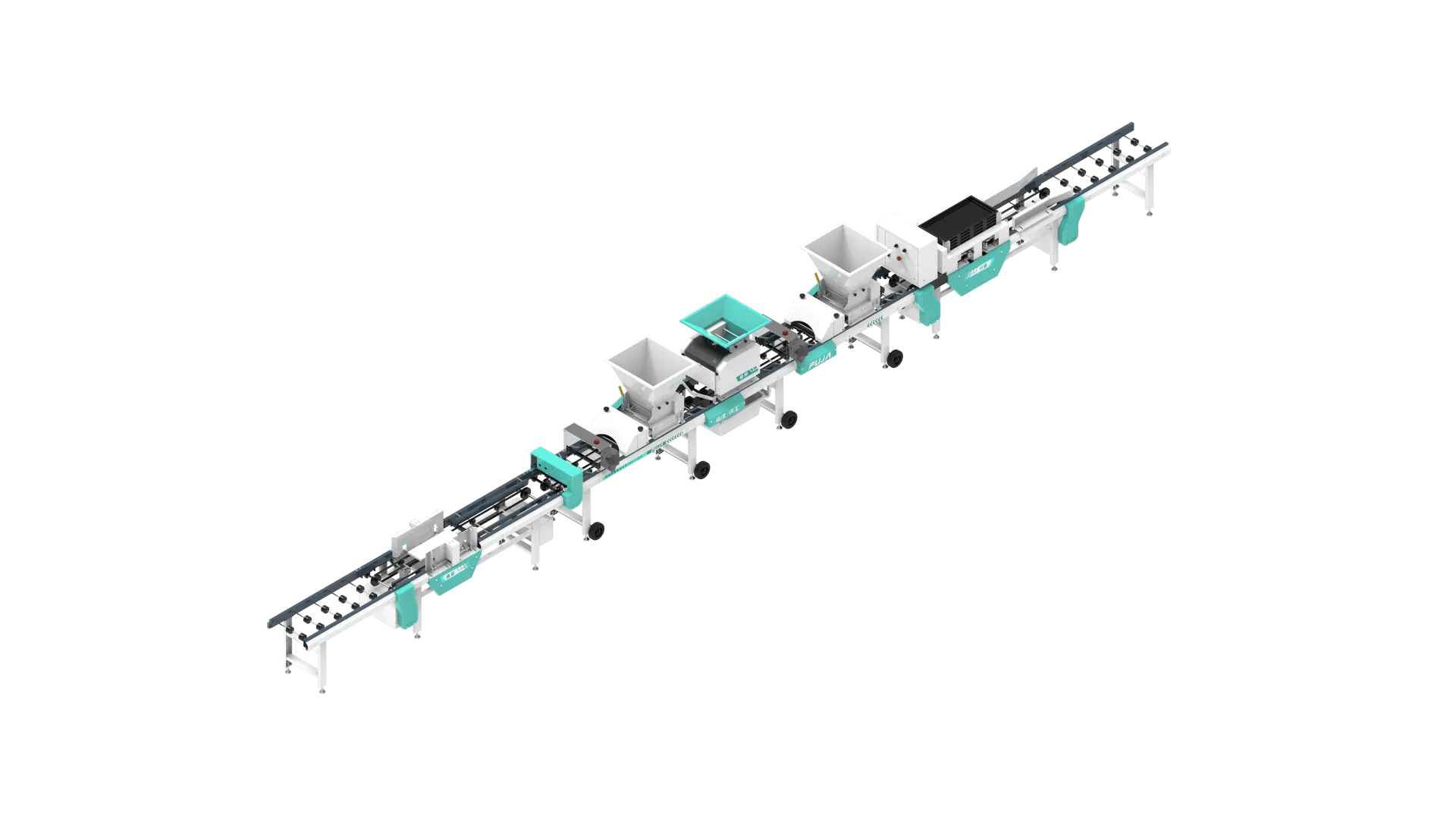

Rice Seeding Machine

Check Field Conditions Before Assuming Fit

Suitability depends on the actual field and establishment method, not on the product name alone. Before evaluating a Rice Seeding Machine, document whether the intended fields are dry, wet, puddled, or prepared in another way, and explain the seed condition at the time of operation. These details are especially important because no field-condition range, terrain limit, or soil requirement has been provided for this product. Ask the manufacturer to identify the operating conditions supported by the specific model and to state any restrictions in its documentation. Consider access to the field, turning space, plot shape, and the equipment available to transport or power the machine, but do not assume compatibility until the relevant dimensions and connection requirements are confirmed. A useful assessment compares the supplier’s documented conditions with representative fields on the farm, including any difficult plots rather than only the easiest ones. If the manufacturer cannot verify a required condition, regard the fit as unresolved and request further technical clarification before making a purchase decision.

Rice Seeding Machine

Prepare a Model-Specific Enquiry

To move from a general product discussion to a useful quotation, send the supplier a short requirements brief. Include the intended rice-establishment method, typical field condition, approximate area to be covered, current seeding workflow, and any tractor or other equipment that may need to work with the machine. Ask for the proposed model name and its official specification sheet; confirm working width, capacity, power or connection requirements, dimensions, included components, and any optional configurations only where these are documented for that model. None of those figures or options has been supplied in the available product information. Also request the operating manual and clarification of the stated seed type and field conditions. Agricultural Machinery Manufacturer & Supplier identifies intelligent R&D and a 68,000 m2 smart manufacturing base, but those brand-level facts do not substitute for a model-specific configuration. Keep the response in writing so the quoted equipment, technical limits, and any agreed accessories can be checked against your requirements before purchase. If a point is not confirmed, mark it as pending rather than treating it as included or compatible.

News

Industry updates

Products

Production modules

Why Choose Us

Smart Manufacturing Backed by Practical R&D

Agricultural Machinery Manufacturer & Supplier positions its equipment around intelligent R&D and smart manufacturing. The company describes its manufacturing base as 68,000 m2 and says its R&D work is intended to address real-world challenges. For buyers evaluating a Rice Seeding Machine, that context can support a focused technical conversation: explain the farm’s seeding method and field conditions, then ask the team to identify a documented model and configuration that matches them. The brand also reports serving 150+ customers and describes its manufacturing approach as precision-led. These are company-level statements; they should not be read as proof of a particular model’s output, field performance, or compatibility. The supplied brand information lists CE certification, but it does not specify which product or model it covers. Buyers should request the relevant certificate and confirm its scope before relying on it for a procurement or compliance decision. This approach keeps the discussion grounded in verifiable product documents while making use of the company’s stated R&D and manufacturing capabilities. Global service is part of the brand positioning; specific support coverage should be confirmed for the buyer’s location and selected model.

FAQ

Common technical questions

What specifications should I compare between Rice Seeding Machine models?

Compare only figures documented for the exact models, such as working width, capacity, power or connection requirements, dimensions, and compatible seed condition. No model-specific figures are available here, so ask the supplier for official datasheets before comparing.

Can a Rice Seeding Machine work in wet or puddled fields?

That depends on the machine’s design and the conditions approved for its model. Wet-field capability is not confirmed in the supplied information. Describe your field preparation to the supplier and request written confirmation for those conditions.

What should I send when requesting a quotation?

Include the seeding method, field condition, approximate area, seed preparation process, and any equipment the machine may need to connect to. Ask for the model designation, datasheet, operating manual, included components, and confirmation of any required accessories.

Does the CE certification apply to every Rice Seeding Machine model?

The available brand information mentions CE but does not identify the covered product or model. Request the certificate and verify its scope against the exact machine being offered.

Need a solution for your project?

Share your product type, target capacity, and application requirements. Our team can review the details and recommend a practical next step.

Contact Us