Home » Vegetable Seeding and Sowing Line factory

Vegetable Seeding and Sowing Line Factory for Supplier Review

Vegetable Seeding and Sowing Line factory

A supplier review for a vegetable seeding and sowing line should start with evidence, not assumptions about equipment that has not been specified. This page introduces an Agricultural Machinery Manufacturer & Supplier positioned in the premium segment, with a 68,000 m2 smart manufacturing base, an intelligent R&D focus, and experience serving more than 150 customers. These credentials provide a reason to begin a structured assessment, but buyers will still need to confirm the exact machinery scope, technical configuration, and documentation relevant to their project. The supplier states CE certification; during qualification, request the applicable certificate and confirm which products and configurations it covers. For engineering and procurement teams, the next step is to compare the supplier’s documented capabilities against crop requirements, seed handling needs, field conditions, and local compliance obligations. Use the information below to frame that review and identify what to clarify before requesting a formal quotation. No specific line layout, operating capacity, or included equipment is stated here, so those details should be confirmed directly rather than inferred from the factory description.

Technical Detail

Configured around process stability, mold life, and long-term uptime.

Agricultural Machinery Manufacturer & Supplier presents its manufacturing base as a 68,000 m2 smart manufacturing facility supported by an intelligent R&D function. For a buyer evaluating a vegetable seeding and sowing line factory, this combination is relevant to the supplier’s organizational capacity, but it does not by itself define the machinery included in a project. The available brand information does not specify line models, seed types, row counts, planting rates, or optional modules. Ask the supplier to identify the actual product range available for your crop and whether the proposed scope is a complete line or selected equipment. The company reports serving more than 150 customers and identifies CE among its certifications. These details can guide an initial supplier screen; they should be checked against current supporting records. Request the CE documentation applicable to the equipment under discussion and confirm the legal manufacturer, model or configuration covered, and document validity. Customer experience is stated at brand level, so ask for relevant, shareable project references where available. Before moving to commercial evaluation, align the quotation scope with the technical documents: equipment list, configuration drawings, operating requirements, and any stated exclusions. Since no product-specific specifications are provided here, treat capacity, compatibility, and performance as open questions. A clear written response to these points will help determine whether the factory is ready for a deeper technical and procurement review.

High-speed Seedling Sowing Line

What the Factory Credentials Tell Buyers

A 68,000 m2 smart manufacturing base and an intelligent R&D function describe the supplier’s stated production and engineering context. They are useful starting points for understanding the organization, but they are not a substitute for evidence about the particular vegetable seeding and sowing line being considered. Buyers should distinguish facility-level claims from product-level documentation: the former relate to the supplier’s stated infrastructure, while the latter establish what a specific machine or configuration can do. During an initial review, ask how engineering handles a project from requirements collection through design confirmation. Request a current company profile and a product list that names the relevant equipment, rather than relying on a broad category description. If drawings or technical sheets are available, check that the model identifiers match the quotation and any compliance paperwork. The brand describes its R&D approach as addressing real-world challenges, but no specific design features are provided here. Ask the team to explain which project requirements can be assessed and which require further technical input. This keeps the review grounded in verifiable information before detailed discussions begin.
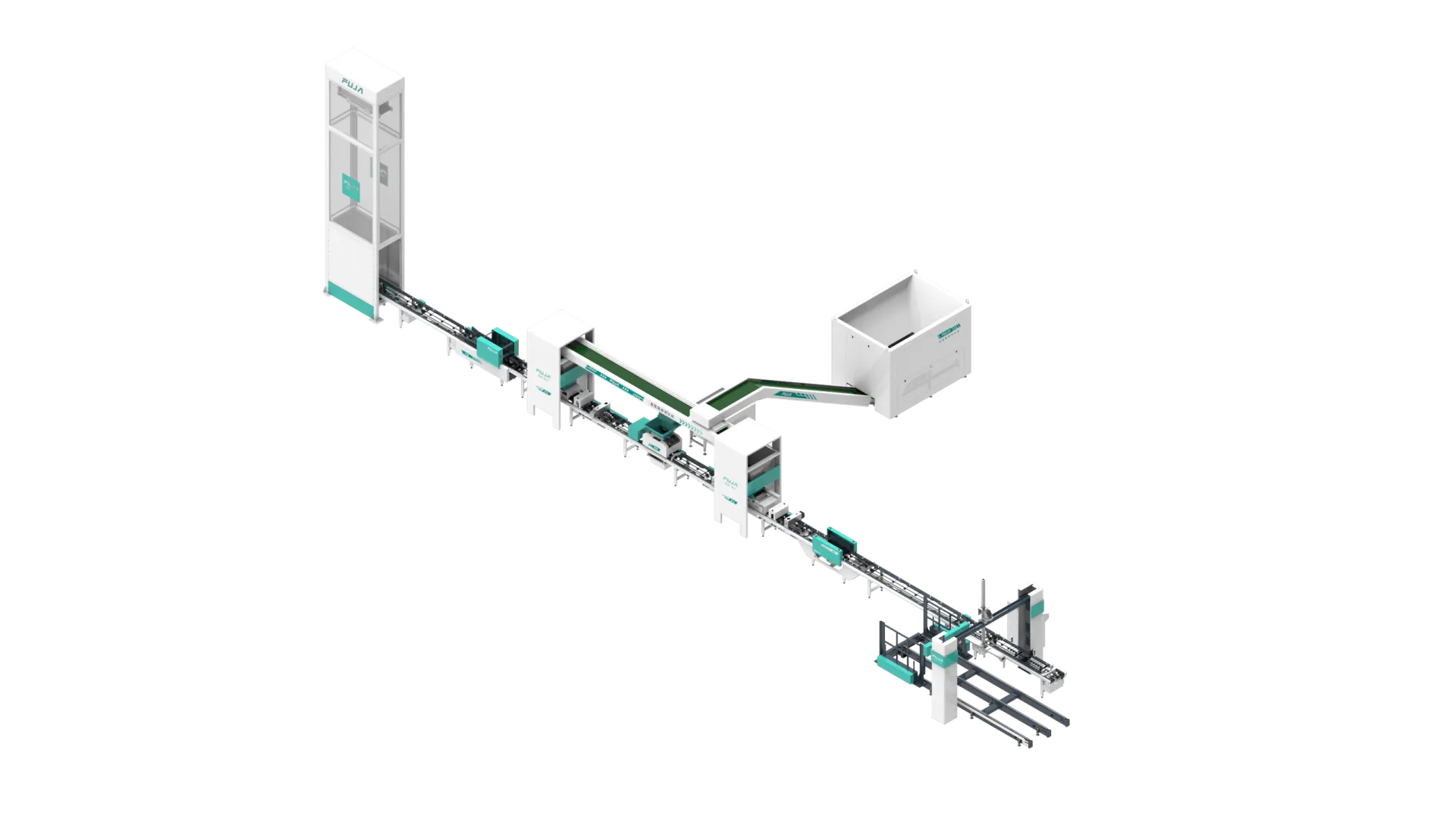

High-speed Seedling Sowing Line

How to Judge Supplier Fit for Your Operation

Supplier fit depends on whether the offered equipment matches your production conditions, not simply on factory size. Begin by documenting crop and seed requirements, the intended sowing environment, available power and space, and how the line must connect with existing processes. Then ask the factory to confirm in writing whether its actual product range covers those conditions. The information available here does not identify supported crops, seed dimensions, line capacity, or operating limits, so these must remain questions for technical review. Use the supplier’s response to identify gaps. A proposal that names the equipment and states assumptions is easier to assess than a general assurance of compatibility. Check whether the quoted configuration addresses your seed handling and planting method, and ask what information the supplier needs to validate those points. Confirm that any stated performance figures have a defined test or operating basis before comparing them with another offer. If environmental conditions or local regulations affect installation or use, raise them early. This approach helps buyers decide whether the factory merits a technical evaluation without treating unverified capability as established fact.

High-speed Seedling Sowing Line

Prepare a Focused Supplier Audit and Inquiry

Before requesting a formal quotation, prepare a short audit file so the supplier can respond against the same requirements your team will use for evaluation. Include the intended crops and sowing conditions, target process scope, site constraints, utility information, and any integration needs. Ask for a model-specific equipment list and technical documents, then compare identifiers across the offer, drawings, and CE records. The company states that it holds CE certification; verify the applicable document and the equipment configuration it covers rather than assuming all products share the same status. For a factory review, ask which production and inspection records can be shared for the proposed equipment. The available information does not detail manufacturing steps, inspection checkpoints, export documents, packing methods, or delivery terms, so request only the records relevant to your purchasing and compliance process. Ask the supplier to identify open technical points and the person responsible for clarifying them. A written record of scope, exclusions, and required approvals gives procurement and engineering teams a practical basis for deciding whether to proceed to the next stage.

News

Industry updates

Products

Production modules

Why Choose Us

A Manufacturer Profile Built for Structured Evaluation

Agricultural Machinery Manufacturer & Supplier offers several concrete points buyers can use to begin qualification: a stated 68,000 m2 smart manufacturing base, an intelligent R&D function, experience with more than 150 customers, and CE certification. The company also describes its manufacturing approach as focused on precision and reliable performance, and its global service positioning as support for farmers in different markets. These are brand-level statements, not product-specific performance guarantees, so they should be reviewed alongside the documents for the equipment in your proposed scope. For a serious inquiry, ask the team to connect each claim to relevant evidence: identify the facility and manufacturing resources applicable to your project, provide technical material for the actual line configuration, and share the CE documentation that applies to it. Where project requirements differ from standard offerings, ask which changes are technically feasible and which require separate engineering review; no customization boundaries are specified here. The reported customer base may also support a request for relevant references, subject to availability and permission. This evidence-led process lets both sides establish fit before commercial terms are discussed.

FAQ

Common technical questions

What should I request to verify the factory’s CE certification?

Request the current CE documentation for the specific equipment being quoted. Check the manufacturer name, model or configuration covered, and whether the document applies to the proposed scope. The brand states CE certification, but the available information does not identify covered products or certificate details.

Can this factory supply a line for a particular vegetable crop and seed type?

The available information does not list supported crops or seed specifications. Send the crop, seed characteristics, and intended sowing conditions to the supplier and ask for written confirmation of compatibility with the actual equipment offered.

What documents are useful when comparing supplier quotations?

Ask each supplier for a model-specific equipment list, technical documents, configuration drawings where available, stated exclusions, and applicable compliance records. Confirm that document identifiers match the quotation so the offers can be compared on the same scope.

What information should I include in an initial inquiry?

Describe the intended crops and sowing conditions, the process scope you need, site and utility constraints, and any integration requirements. This gives the supplier a basis to identify relevant equipment and state which technical details still need confirmation.

Need a solution for your project?

Share your product type, target capacity, and application requirements. Our team can review the details and recommend a practical next step.

Contact Us