EN
 HR

How crawler tracks affect field operation
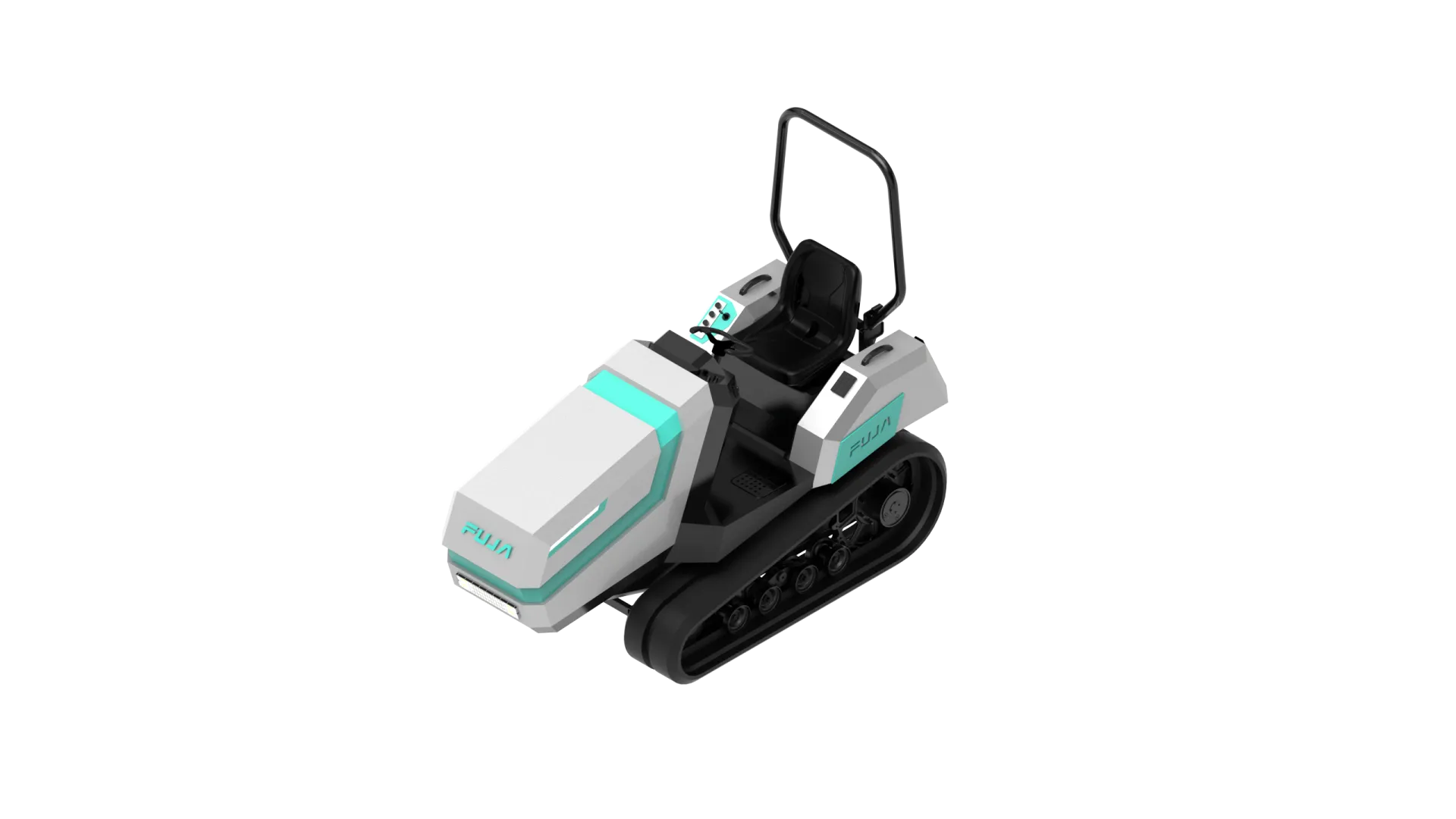
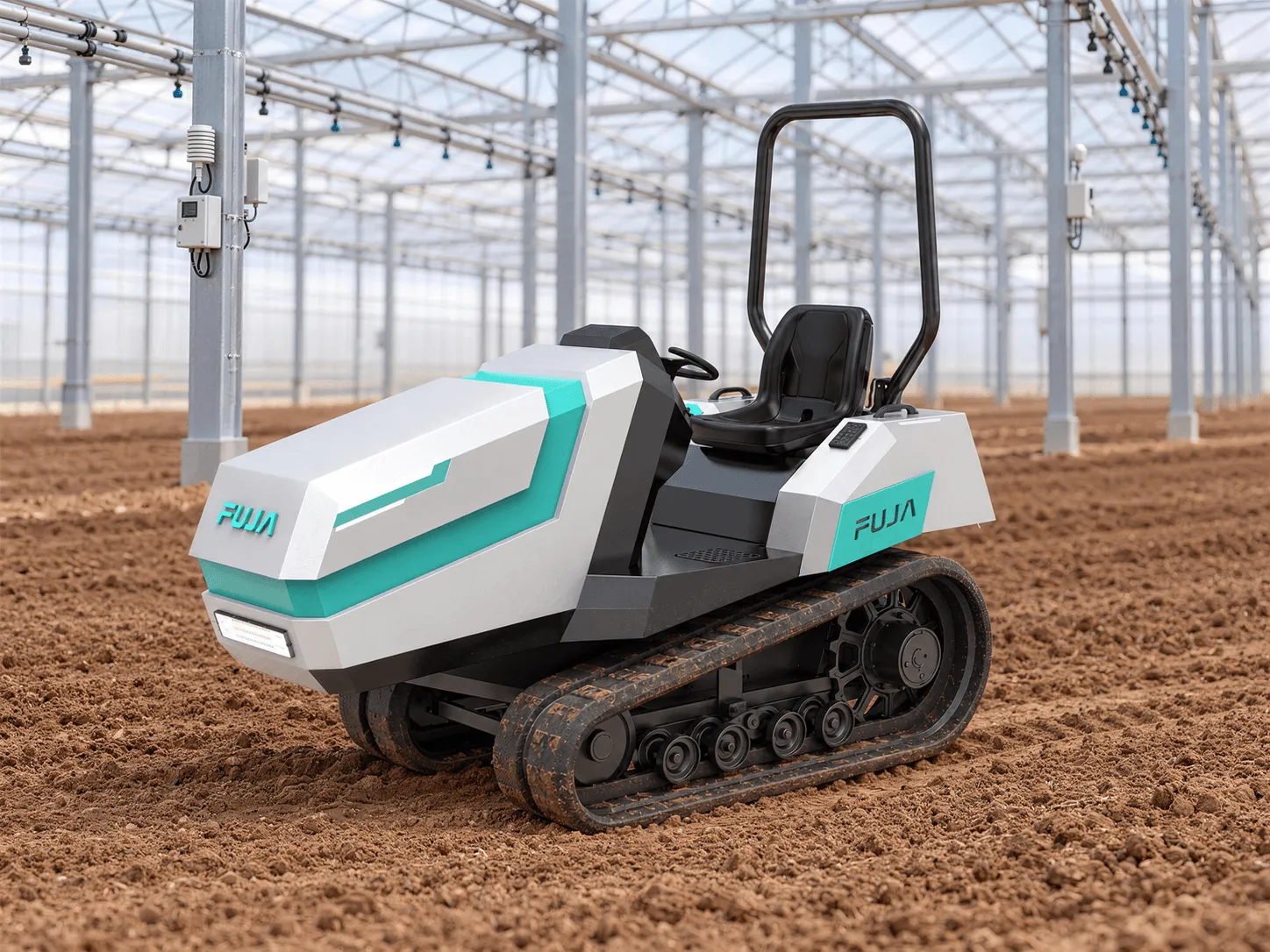
A crawler tractor moves on continuous tracks instead of relying on separate tires. In general, that layout distributes contact across a longer area, and can help a machine maintain movement on ground where wheel traction or access is a concern. Actual grip, soil impact, turning behavior and travel performance depend on track design, machine weight, undercarriage, ground conditions and operator technique. Those product details are not available for the tractor referenced on this page, so no particular traction result should be assumed. In Vietnam, a buyer might be evaluating a crawler machine for farm plots with restricted access or variable terrain, but the suitability of that use must be checked against the machine’s operating limits and the site itself. Ask for track width and length, ground-contact information if available, turning requirements and operating weight. Also clarify whether work involves soft soil, firm surfaces, slopes or transitions between them. The manufacturer identifies intelligent R&D as a capability; for a specific purchase, request technical drawings and a model datasheet to understand how the actual undercarriage is designed. This separates the general benefit of a tracked layout from claims about a specific machine.