Home » crawler tractor in Ecuador for agriculture

Crawler Tractor in Ecuador for Agriculture

crawler tractor in Ecuador for agriculture

Agricultural conditions in Ecuador can vary sharply between farms, even within the same region. Sloping plots, soft ground, compact field access, and changing weather may all affect how a crawler tractor performs. The right machine depends on the work to be done and the actual site conditions; the keyword alone does not establish that a particular tractor configuration will fit. Our Agricultural Machinery Manufacturer & Supplier develops agricultural machinery with an emphasis on practical design and smart manufacturing. The company reports a 68,000 m2 smart manufacturing base, intelligent R&D, and experience serving more than 150 customers. Because no crawler tractor model specifications have been provided, we cannot confirm ground pressure, engine output, dimensions, attachments, or suitability for a specific Ecuadorian farm. This page outlines the conditions buyers should assess before selecting a crawler tractor and the details to prepare for a technical discussion. Share your terrain, seasonal operating conditions, intended tasks, and access constraints so the machine can be evaluated against real field requirements rather than assumptions.

Technical Detail

Configured around process stability, mold life, and long-term uptime.

A crawler tractor can be considered for agricultural work where tracked mobility may be relevant, but suitability in Ecuador depends on the land and tasks rather than the country name. On uneven or sloped ground, buyers should assess the tractor’s intended operating limits, stability, traction requirements, and the surface it will travel over. On softer fields, ground contact and soil condition matter; repeated passes under unsuitable conditions can contribute to compaction or damage to the field. These checks require model-specific data, which has not been supplied here, so no capability or performance figure should be assumed. Our Agricultural Machinery Manufacturer & Supplier positions its work around intelligent R&D and smart manufacturing. The stated manufacturing base covers 68,000 m2, and the brand reports serving more than 150 customers. Those company facts provide context for a supplier discussion, but they do not replace a technical specification sheet for the crawler tractor being considered. The brand also lists CE certification; buyers should confirm which product and documentation the certification applies to before treating it as evidence for a specific tractor. For agricultural buyers in Ecuador, the practical first step is to describe the intended work, land profile, soil conditions, and access route. A supplier can then check whether an available configuration matches those requirements and identify missing information. Avoid selecting by the word “crawler” alone: an unsuitable machine or setup may restrict maneuverability, impose unnecessary ground loads, or fail to meet the workload. Request verified specifications before making a purchase decision.

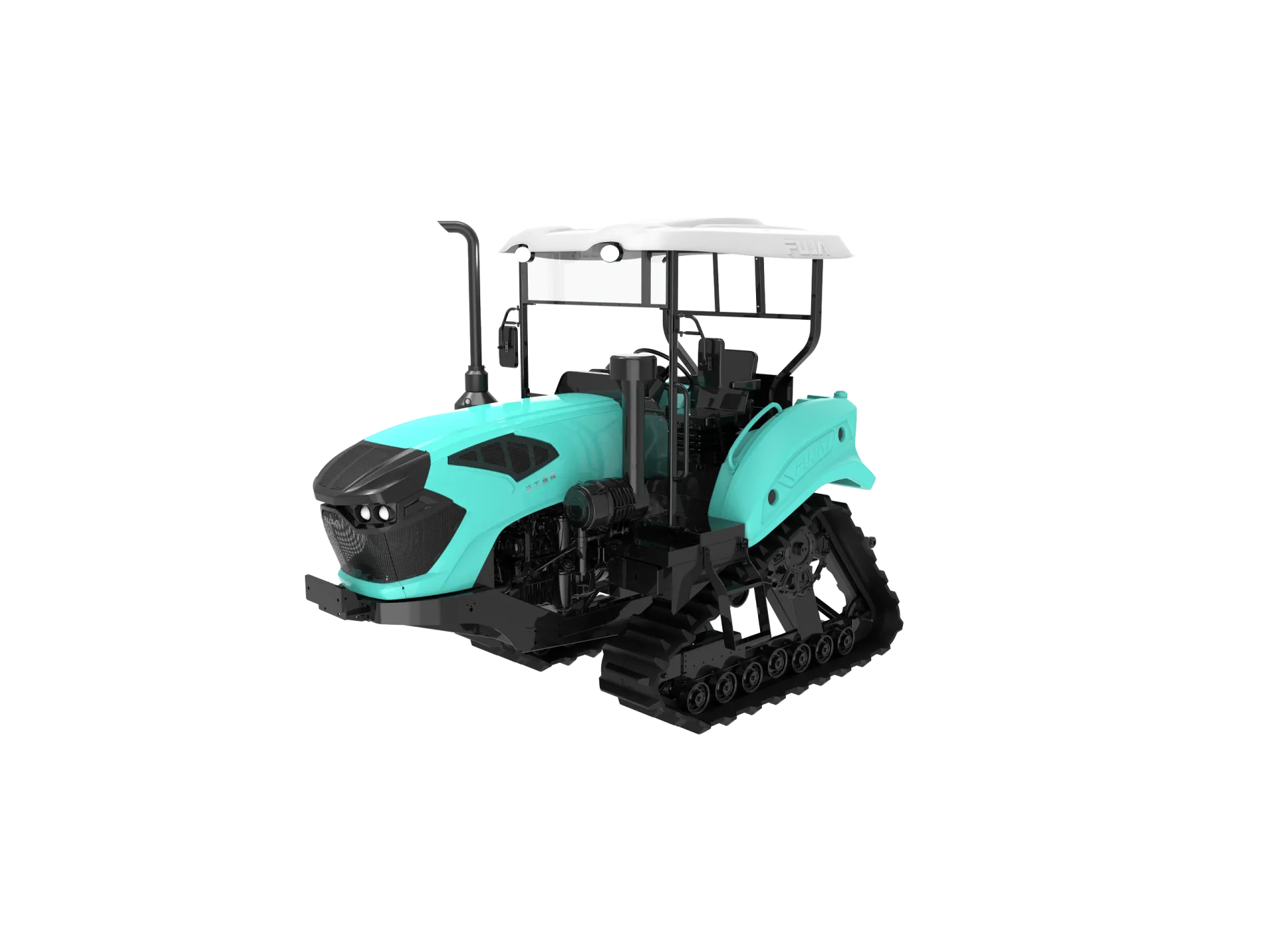
Paddy Field Crawler Tractor

How tracked mobility relates to farm conditions

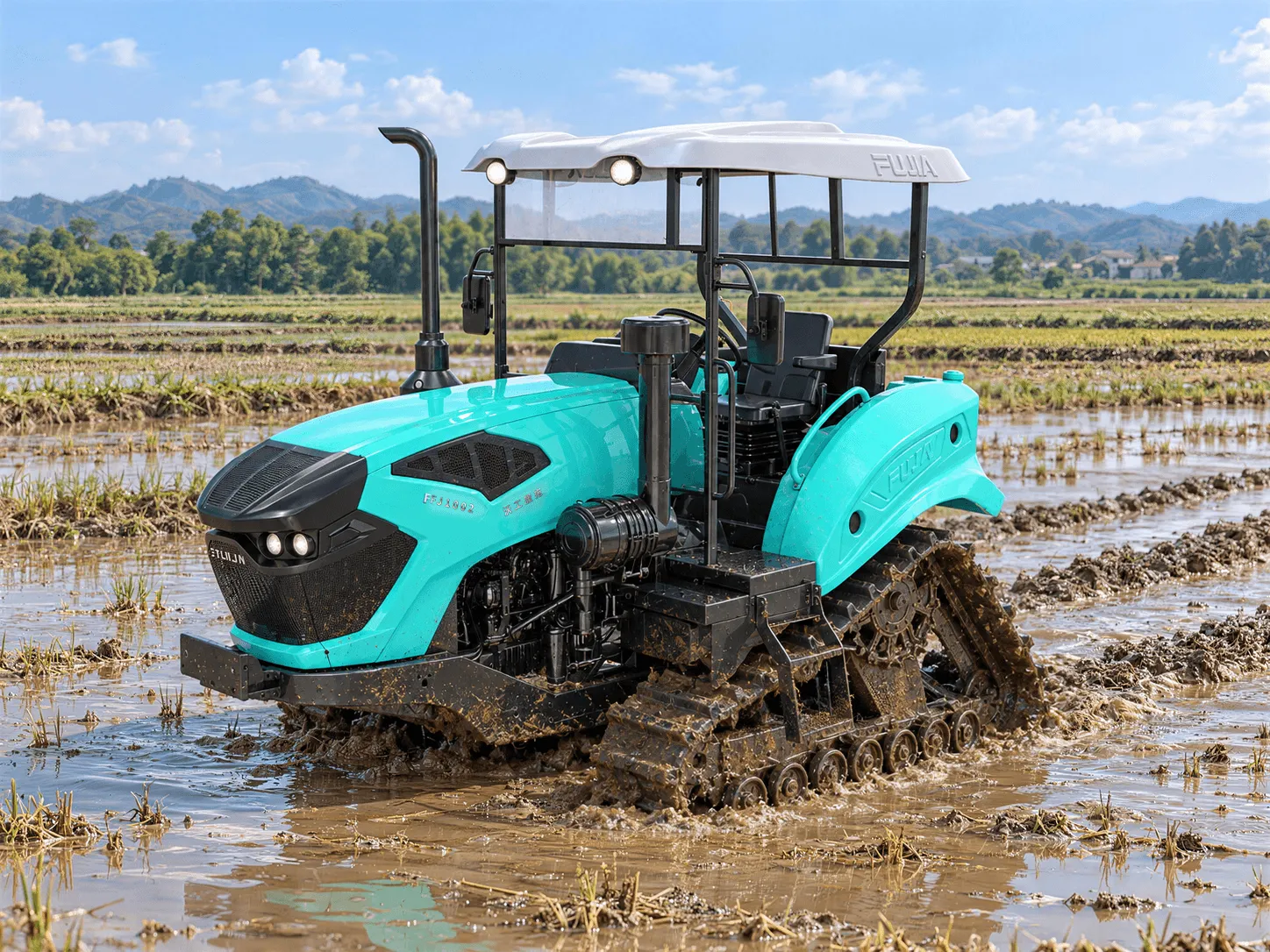
Crawler tractors use tracks rather than conventional wheels for ground contact and movement. That difference can matter on agricultural sites where traction, uneven surfaces, or soft soil are part of the operating picture. It does not, by itself, prove that a machine will work on every slope or soil type. Track design, machine weight, dimensions, power, and operating limits all influence field behavior, and none of those model details are available for the product in this request. For an Ecuadorian farm, describe the ground in practical terms: whether it is firm, loose, wet, or regularly disturbed; where the steepest sections are; and whether the tractor must cross narrow paths or work near field edges. Explain the tasks as well, since travel between plots differs from sustained field work. The manufacturer identifies intelligent R&D as one of its capabilities, with design directed at real-world challenges. That is useful context for a technical conversation, but buyers should still ask for the exact tractor’s operating manual and specification sheet. Those documents, not the general product category, establish what the machine is designed to do.

Paddy Field Crawler Tractor

Check workload and terrain before assuming a fit

Suitability should be judged against the hardest regular task, not only the easiest field. A tractor that can move across a level plot may still be inappropriate for steep sections, soft ground, or prolonged heavy work. Establish the expected hours of operation, the loads or implements involved, the distance between work areas, and whether the site becomes wetter or less accessible during particular seasons. Where slope is involved, ask the supplier for documented operating limits and instructions for safe use; do not infer a safe gradient from the fact that the machine is tracked. Access also affects the decision. Measure gates, turning areas, transport routes, and any narrow passages, then compare those measurements with verified machine dimensions. If the configuration is too large or poorly matched to the terrain, the result may be difficult maneuvering, interrupted work, excessive soil disturbance, or an operating risk. The manufacturer describes precision builds as part of its smart manufacturing approach, but no dimensions or workload ratings are provided here. Treat those as items to verify for the specific model. If site conditions vary across the farm, share the most restrictive area first so that limitations are surfaced before purchase.

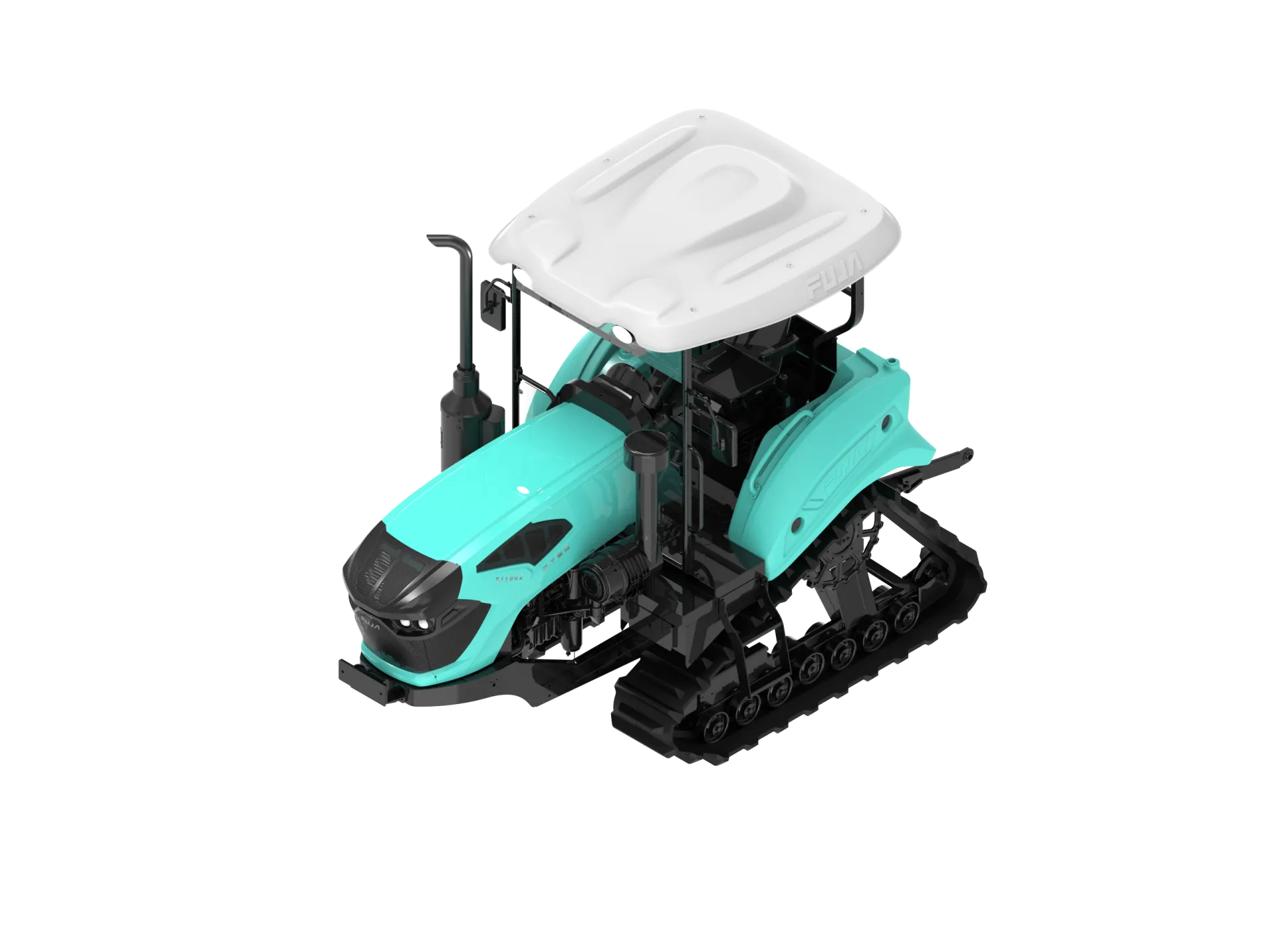
Paddy Field Crawler Tractor

Prepare a useful configuration inquiry

A focused inquiry helps the supplier determine whether a crawler tractor configuration can be considered for your work. Send the location and a short description of the farm, then list the main tasks in order of importance. Include the steepest terrain, typical soil state during the working season, approximate daily operating pattern, access measurements, and any implement or load you expect to use. Photos or a simple site sketch can help explain slopes, tight turns, and transitions between field surfaces, but they do not replace measurements or technical review. Ask for the model name and a current specification sheet covering dimensions, operating weight, engine and workload information, track details, and approved attachments, where applicable. Request the operating limits and maintenance instructions for that exact configuration. If an attachment is being considered, confirm compatibility with the tractor rather than assuming it can be fitted. Also ask which product the stated CE documentation covers and request the relevant document for review. The manufacturer reports a 68,000 m2 smart manufacturing base and more than 150 customers; these figures describe the company, not a particular tractor’s performance. Keep the decision tied to written model information and your field conditions.

News

Industry updates

Products

Production modules

Why Choose Us

Smart manufacturing with a practical supplier discussion

The manufacturer presents three capabilities relevant to agricultural machinery buyers: intelligent R&D, a 68,000 m2 smart manufacturing base, and global service intended to support farmers in different markets. It also reports serving more than 150 customers. These are company-level facts and offer a starting point for assessing the supplier, but they do not establish that an unspecified crawler tractor meets a particular farm’s needs in Ecuador. A sound supplier discussion should connect the proposed configuration to the customer’s terrain and workload. The brand describes its design work as addressing real-world challenges and its manufacturing approach as focused on precision. Buyers can test those claims by requesting model-specific documentation, clear answers about operating limits, and confirmation of compatible attachments and maintenance requirements. The company lists CE certification, but the scope should be checked against the exact product and supporting documents rather than assumed to cover every machine. Share the site information and ask for a written technical response before comparing offers. That process makes the decision more useful than relying on broad claims or an unverified assumption that all tracked tractors behave alike.

FAQ

Common technical questions

How do I know whether a crawler tractor is suitable for my farm in Ecuador?

Compare the proposed model’s documented operating limits and dimensions with your steepest terrain, soil conditions, workload, and access route. No model specifications were supplied here, so suitability cannot be confirmed without that information and a review of your site.

Is a crawler tractor automatically safer on sloped farmland than a wheeled tractor?

No. Tracks may affect traction and ground contact, but safety depends on the specific machine, its operating limits, the slope and surface, and how it is used. Request the manufacturer’s guidance for the exact model and do not rely on the track type alone.

What information should I send when asking about implements or attachments?

Describe the task and implement, including its intended use and any relevant load or working requirements. Ask the supplier to confirm compatibility with the specific tractor configuration in writing; attachment fit should not be assumed.

What should I check about CE certification before buying?

Ask which exact machine and configuration the CE documentation applies to, and request the supporting document. The brand lists CE certification, but the information provided does not establish that a particular crawler tractor is covered.

Need a solution for your project?

Share your product type, target capacity, and application requirements. Our team can review the details and recommend a practical next step.

Contact Us