EN
 HR

How Crawler Tracks Affect Field Operation
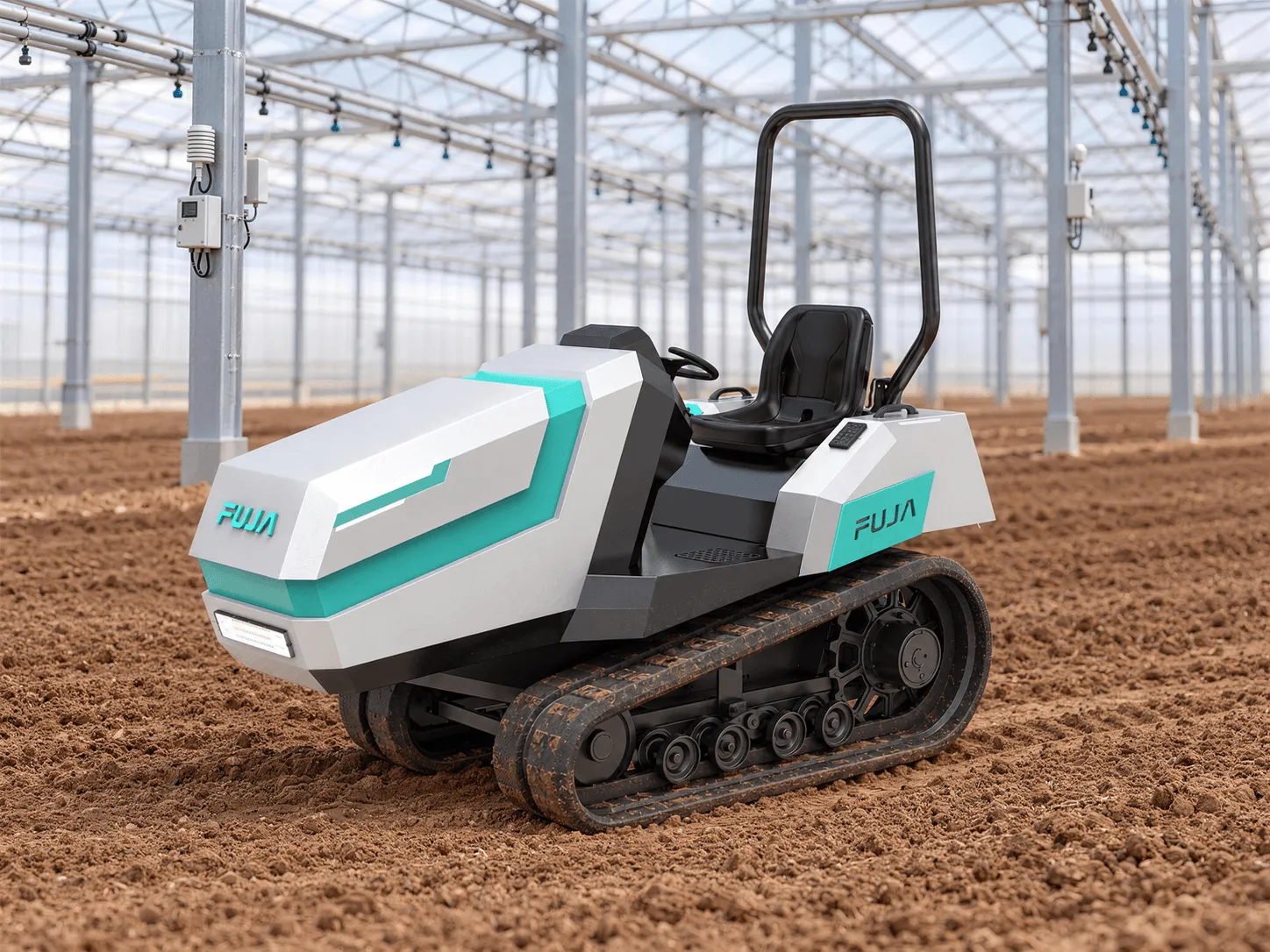
A crawler tractor moves on continuous tracks rather than relying on individual wheels. In general, tracks distribute machine weight over a longer contact area, which can help maintain traction and reduce concentrated loading on some surfaces. The actual result depends on the tractor’s weight, track design, soil, moisture and operating method; those specifications are not available for the product referenced here. For agricultural work, the relevant question is how the track system interacts with the field during the intended task. Wet or loose soil may behave differently from compacted ground, and a sloping plot introduces different traction and stability demands from a level field. Track design alone does not establish safe operation on every slope or in every soil condition. Turning space, access width and transport arrangements also matter because a crawler machine may need a suitable route between fields. Agricultural Machinery Manufacturer & Supplier describes intelligent R&D as part of its approach to real-world design challenges. That is a brand statement, not a technical description of a particular track assembly. Ask the supplier for the model’s track dimensions, operating weight, ground-contact information and stated operating limits, then relate these to the fields where the tractor will work.