

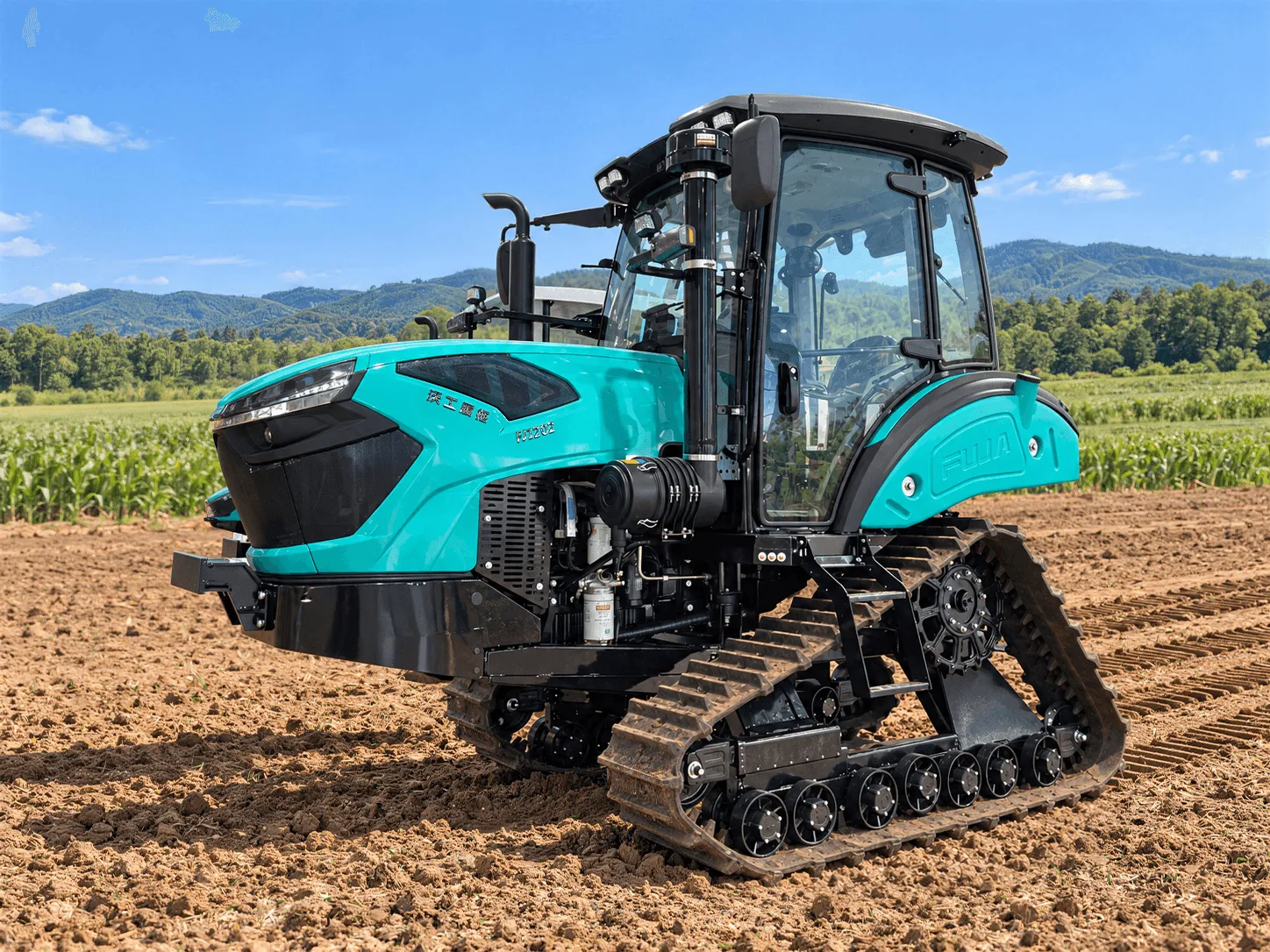
Home » small tracked tractor in Argentina

Small Tracked Tractor in Argentina: Confirm Your Fit

small tracked tractor in Argentina

A small tracked tractor in Argentina may suit farms and agricultural businesses that need a compact machine with crawler tracks rather than conventional wheels. Tracks spread machine weight across a broader contact area, which can help maintain traction on some soft or uneven ground. Actual performance depends on the tractor’s design, attachments, soil, slope and operating conditions. No model specifications or product configuration have been provided here, so this page does not assume a particular engine, working width, capacity or available implement. The manufacturer presents itself as a premium agricultural machinery supplier, with a 68,000 m² smart manufacturing base, intelligent R&D, smart manufacturing and global service. Its supplied brand information also lists CE certification; buyers should confirm which model and documents that certification applies to before purchase. For Argentine buyers, the practical next step is to match the intended work and field conditions with a specific model. Share the tasks, terrain, soil conditions and desired attachments to request verified technical details and assess whether a tracked tractor is appropriate for your operation.

Technical Detail

Configured around process stability, mold life, and long-term uptime.

The search term “small tracked tractor in Argentina” describes a product category, not a confirmed model or specification. A tracked tractor is an agricultural machine that uses crawler tracks to move and transmit drive to the ground. Depending on its design, it may be considered where traction or ground contact is a concern. Tracks alone do not establish machine size, drawbar performance, ground pressure, turning capability or suitability for any particular crop. Those details must come from the technical documentation for the model being offered. The manufacturer’s supplied profile emphasizes a 68,000 m² smart manufacturing base, an intelligent R&D function and smart manufacturing. These are relevant background points for buyers assessing the maker, but they do not replace a model datasheet, configuration list or operating limits. The brand also lists CE certification; request the relevant declaration and confirm its scope for the exact machine and configuration under consideration. The company states that it serves more than 150 customers and describes its global service as supporting farmers across markets. For an Argentine purchase, ask what support and documentation are available for the destination and proposed configuration. Before comparing offers, obtain verified information on dimensions, engine and drive details, operating weight, track design, compatible implements and any stated limits. Without those details, a responsible comparison or fit assessment is not possible.

Heavy-Duty Farm Crawler Tractor

How a Tracked Tractor Moves Across the Field

Unlike a wheeled tractor, a tracked tractor travels on crawler tracks. The track system circulates around its running gear and transfers motion to the ground along a continuous contact surface. This changes how the machine meets the soil, but it does not by itself guarantee low soil impact or better traction in every situation. Track width, contact length, machine weight, tread design, drive layout and ground conditions all affect the result. For a small tracked tractor, the word “small” is not a technical size class unless the manufacturer defines it; it could refer to dimensions, power, or simply the intended role. Ask for drawings and specifications rather than inferring those details from a product name or photograph. The manufacturer describes its approach as intelligent R&D focused on real-world challenges and precision-oriented smart manufacturing. That context may help explain how it develops and builds agricultural machinery, but buyers still need model-specific evidence to understand the actual track arrangement and serviceable components. Request a parts diagram or operator documentation if you need to assess access for inspection, cleaning or routine maintenance. This establishes what the machine is and what information is needed to understand its construction without assuming an unlisted configuration.
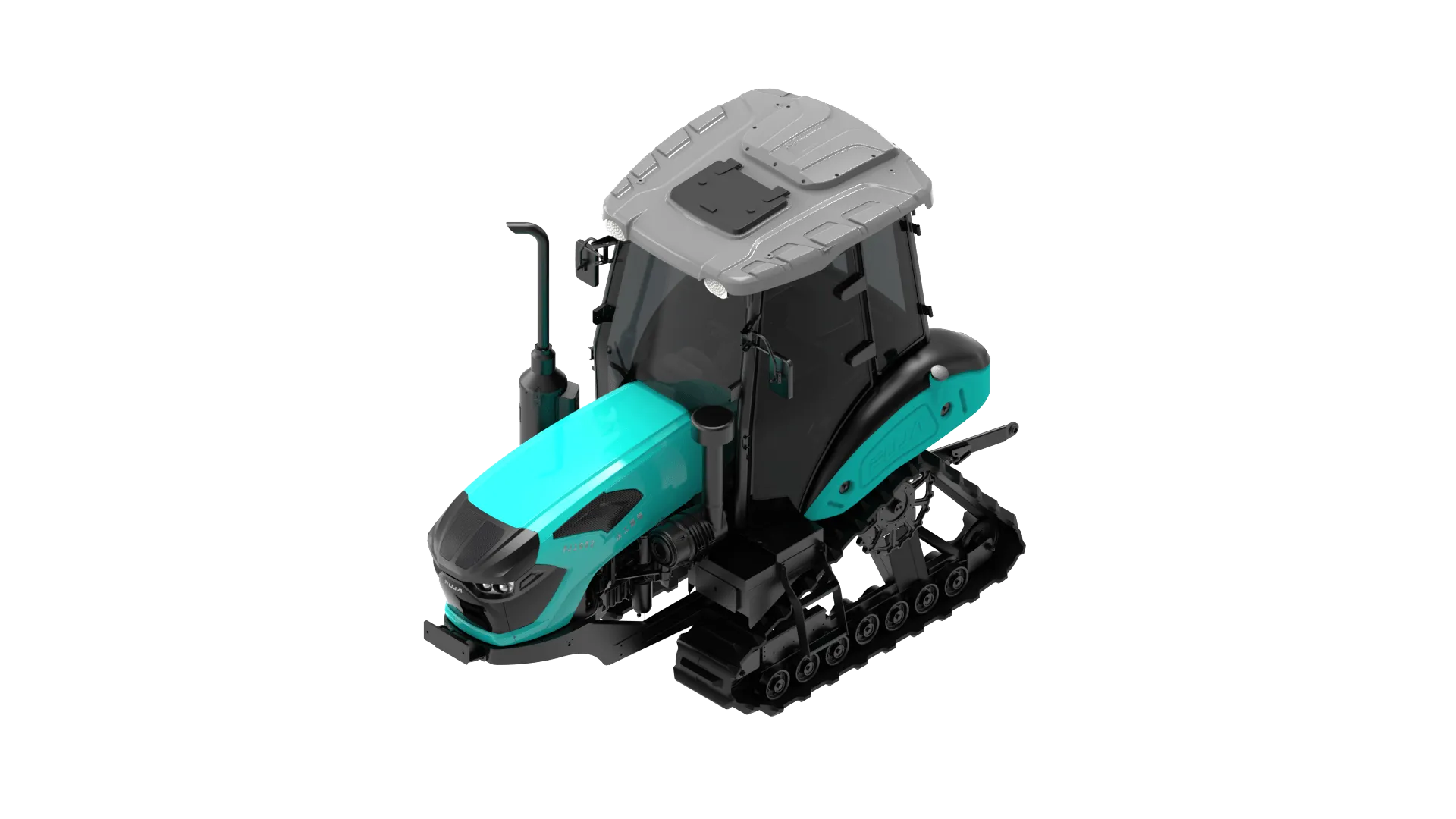

Heavy-Duty Farm Crawler Tractor

Check Argentine Field Conditions Before Assessing Fit

Whether a tracked tractor fits a farm in Argentina depends on the job and the field, not on the country name alone. Soil texture and moisture, slope, headland space, crop rows, access routes and seasonal working conditions can all change what is practical. A machine that can travel on a soft surface may still be unsuitable if it cannot turn within the available space, clear the crop, carry the required implement or operate within the farm’s safety constraints. Likewise, a small footprint does not establish that the tractor can perform a particular task. The manufacturer’s supplied information gives no model dimensions, track measurements, power rating, ground pressure or operating limits, so these cannot be matched to a farm from this page. Build an assessment around the actual work: describe the crop or operation, soil when the tractor will be used, slopes, narrowest access and any transport constraints. Then compare those conditions with written limits and dimensions for the proposed model. If the work involves attachments, include the implement and its load in the discussion. Treat suitability as unconfirmed until the supplier provides model-specific data and answers any site-related questions; this is especially important where clearance, slope or soil bearing capacity could limit safe operation.

Heavy-Duty Farm Crawler Tractor

Prepare a Clear Request for a Model Recommendation

To move from a product search to a useful quotation, send the manufacturer a short operating brief. State that the destination is Argentina, describe the intended tasks and crops, and note soil conditions, slope, row spacing or access limits where relevant. List any implements you expect to use and explain whether they are already owned or need to be considered as part of the configuration. Ask the supplier to identify the exact model and provide its current technical datasheet, overall dimensions, operating weight, engine and drive details, track specifications, implement compatibility and stated operating limits. Request the relevant CE documentation for that model and configuration rather than relying on a general brand claim. Also confirm what manuals, parts information and service arrangements are available for the destination; the brand describes global service, but the details for a specific Argentine purchase are not provided here. If you are comparing suppliers, use the same task description and requested data for each offer. This makes differences easier to evaluate and reduces the risk of comparing machines with different configurations. No price, lead time, minimum order quantity or standard attachment package is stated in the available information, so request those items directly as part of your inquiry.

News

Industry updates

Products

Production modules

Why Choose Us

A Manufacturing-Led Partner for Tracked Tractor Inquiries

The manufacturer positions itself as a premium agricultural machinery supplier and describes a 68,000 m² smart manufacturing base. Its stated intelligent R&D focus is on designing for real-world challenges, while its smart manufacturing approach emphasizes precision builds. These claims offer useful context for a buyer looking beyond a product listing, although the available information does not include factory audit results, model-level quality records or a specific tracked tractor datasheet. The company also reports serving more than 150 customers and describes global service intended to support farmers in different markets. For an Argentine buyer, the practical value depends on the support and documentation that can be confirmed for the exact order and destination. The supplied brand information lists CE certification; ask for the applicable document and verify the covered product and configuration before treating it as evidence for a particular machine. A sound evaluation can begin with the manufacturer’s stated R&D and production capabilities, then move to verifiable details: the model specification, configuration, certification paperwork and available support. Share the intended work and operating conditions so the supplier can respond with information relevant to your application rather than a generic product description.

FAQ

Common technical questions

What information should I compare between small tracked tractor models?

Compare verified dimensions, operating weight, engine and drive details, track specifications, stated operating limits and compatible implements. The supplied information gives no figures for a specific model, so request matching datasheets before judging one option against another.

Could a small tracked tractor work for orchards or vineyards in Argentina?

Possibly, but suitability depends on the model’s width and height, turning space, crop clearance, soil and intended implements. Confirm those dimensions and limits against the actual rows and access routes; no orchard- or vineyard-specific configuration is identified here.

What should I check before operating a tracked tractor on wet ground?

Follow the model’s operator manual and stated ground-condition limits. Check the track system and surrounding area as directed by the manufacturer, and do not assume tracks make operation safe on saturated soil or slopes. Request the manual and model-specific guidance before use.

Does the CE certification listed by the brand apply to every tracked tractor configuration?

That cannot be confirmed from the available brand information. Ask for the CE declaration and confirm that it names the specific model and covers the configuration being offered.

Need a solution for your project?

Share your product type, target capacity, and application requirements. Our team can review the details and recommend a practical next step.

Contact Us




