EN
 HR


How Track Design Affects Tractor Operation
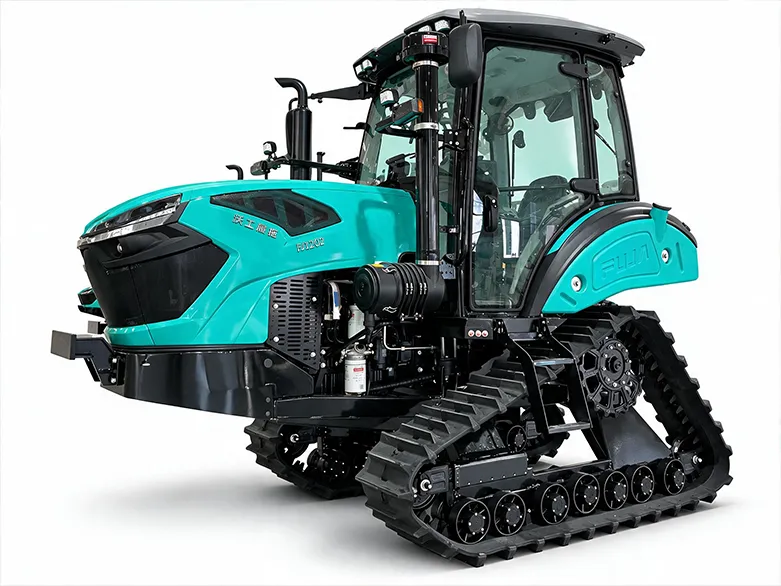
A tracked tractor supports itself on track assemblies rather than on separate wheels. In general, the track’s contact with the ground is distributed along its length, while steering and movement are managed through the machine’s drive and track system. This basic distinction helps explain why tracked equipment is considered for certain agricultural surfaces, but it does not establish how a particular tractor will perform. Track width, track material, drive layout, machine weight, and ground conditions all affect behavior, and none of those product-specific details are available in the supplied information. For buyers reviewing small tracked tractors, ask for a technical drawing or specification sheet that identifies the undercarriage arrangement and operating dimensions. Confirm the overall width and length, ground clearance, turning method, and any stated surface or slope limitations. If the tractor will work near crop rows or in confined buildings, compare the documented dimensions with the actual route and working area. The manufacturer describes intelligent R&D as part of its approach to real-world design challenges, but the relevant question is how the chosen model’s documented design addresses your site. Request model-specific evidence before drawing conclusions from the category name.