EN
 HR

How a Tracked Drive Differs from a Wheeled Tractor
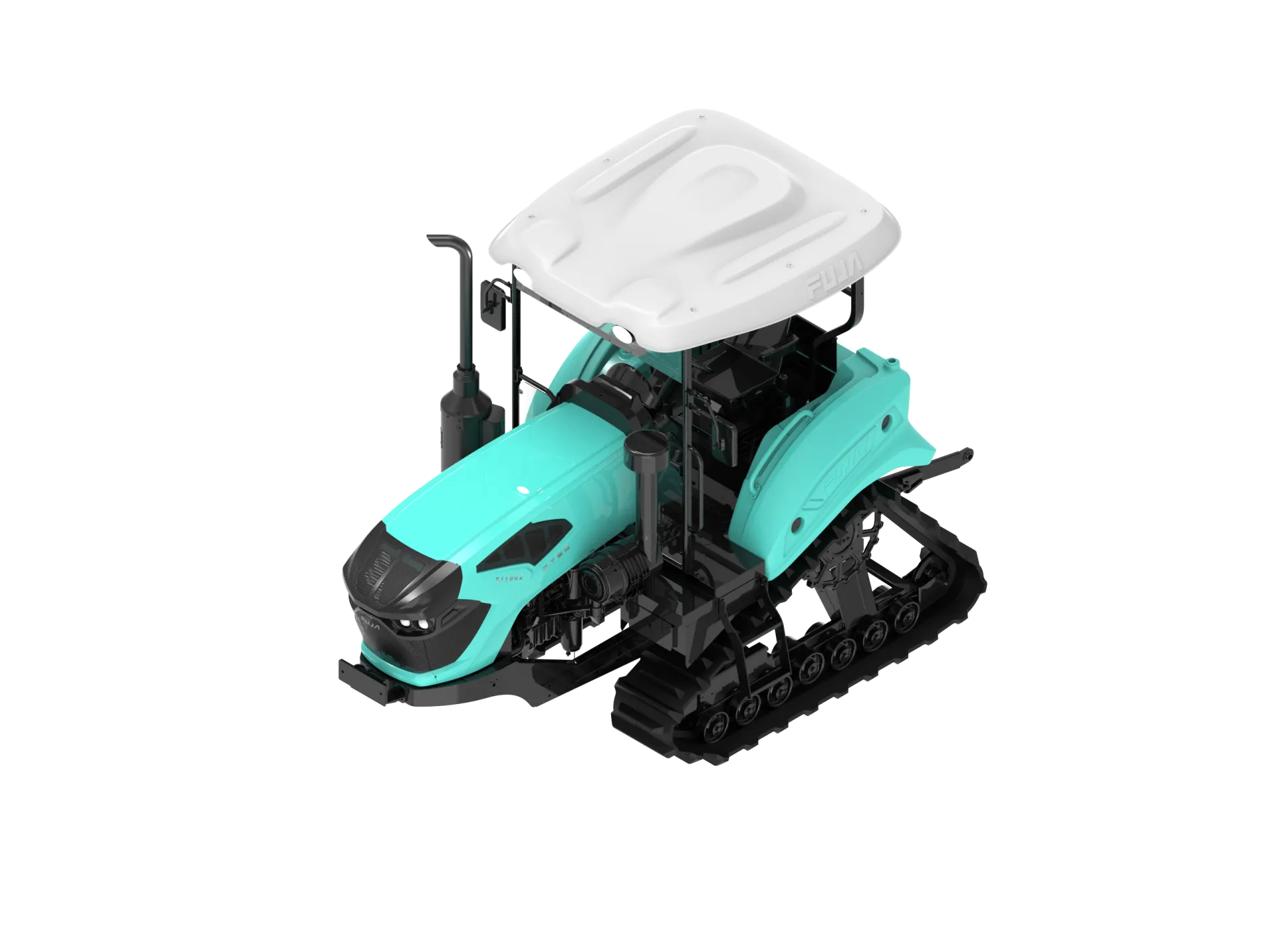
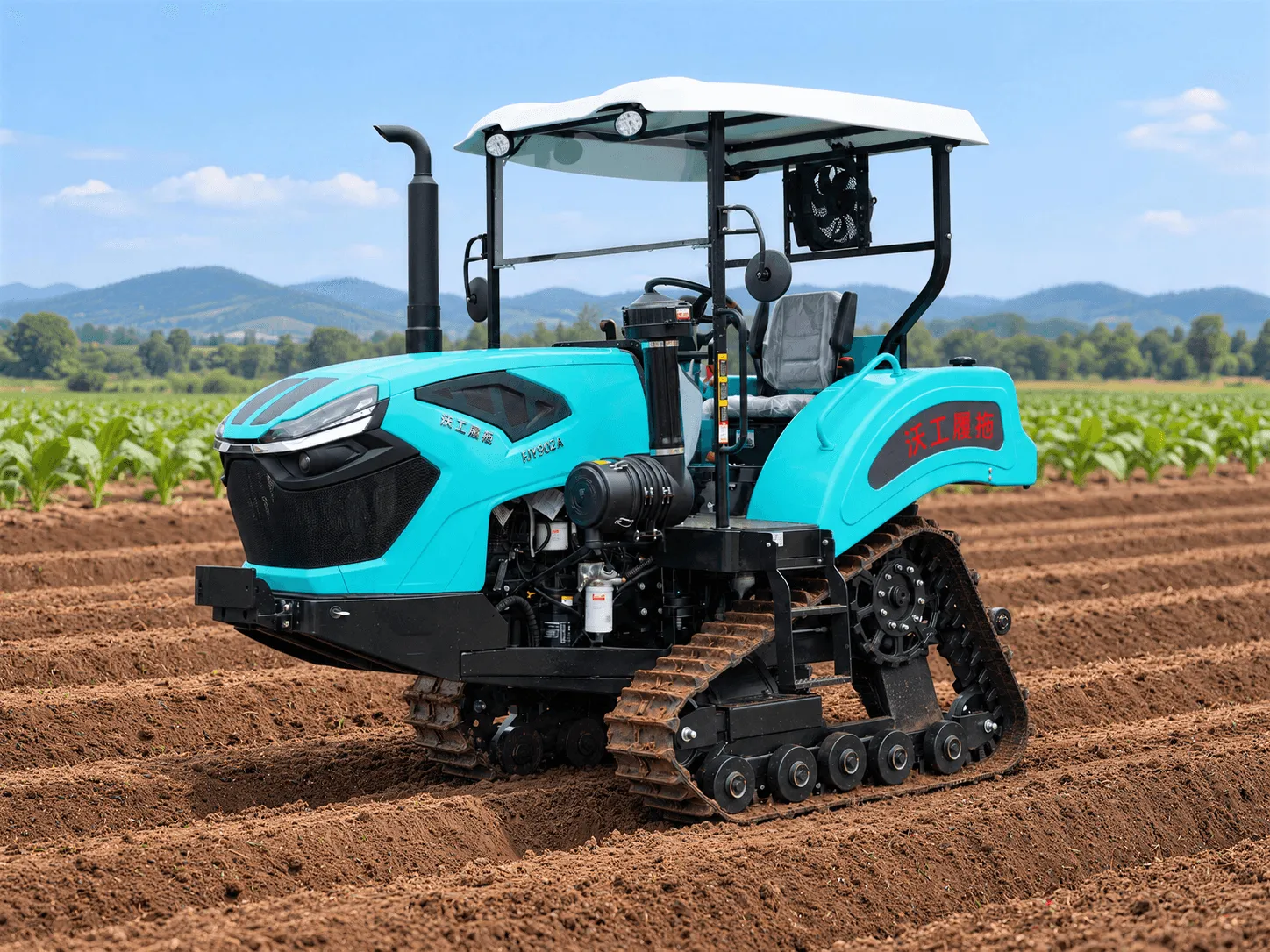
A tracked tractor moves on continuous tracks instead of relying on separate tires. Because the track runs along a longer contact area, it can distribute the machine’s weight differently from wheels. This may be useful on certain soft or uneven surfaces, but it does not guarantee that a machine will avoid sinking, prevent crop damage, or perform well in every field. Track design, machine weight, ground condition, and operator technique all affect the result. For a specific small tractor with tracks, ask the supplier for a drawing or technical sheet showing the undercarriage and track dimensions. Confirm whether the machine uses rubber or another track material, if that detail matters to your application, and request the manufacturer’s stated limits for ground clearance and operation. None of these specifications are available in the information provided here, so they should be treated as questions rather than assumed features. The manufacturer identifies intelligent R&D as part of its approach to real-world challenges; buyers can use a technical discussion to explain the field conditions and ask how the proposed design addresses them.