EN
 HR

How Tracks Transfer Weight and Driving Force
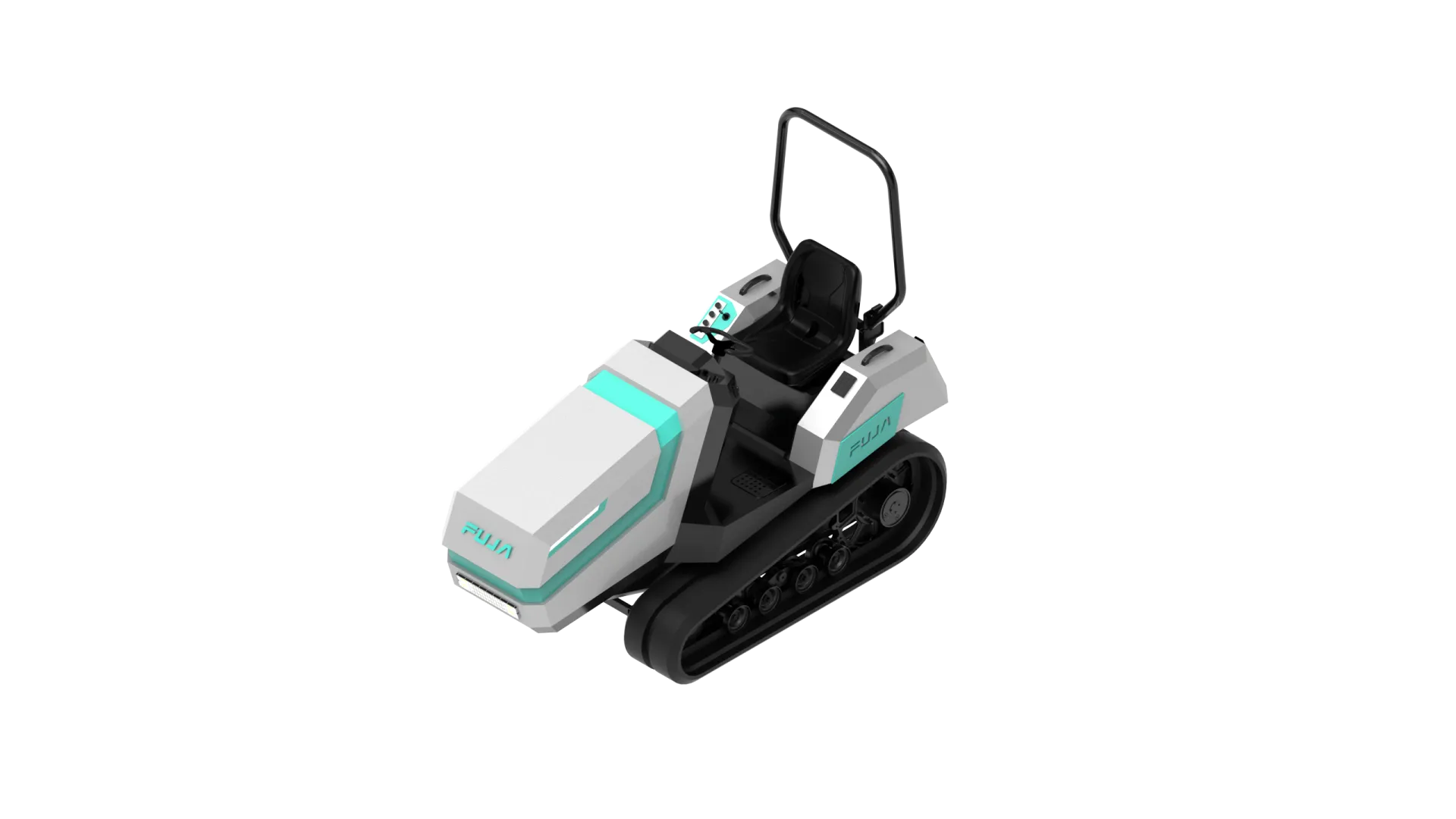
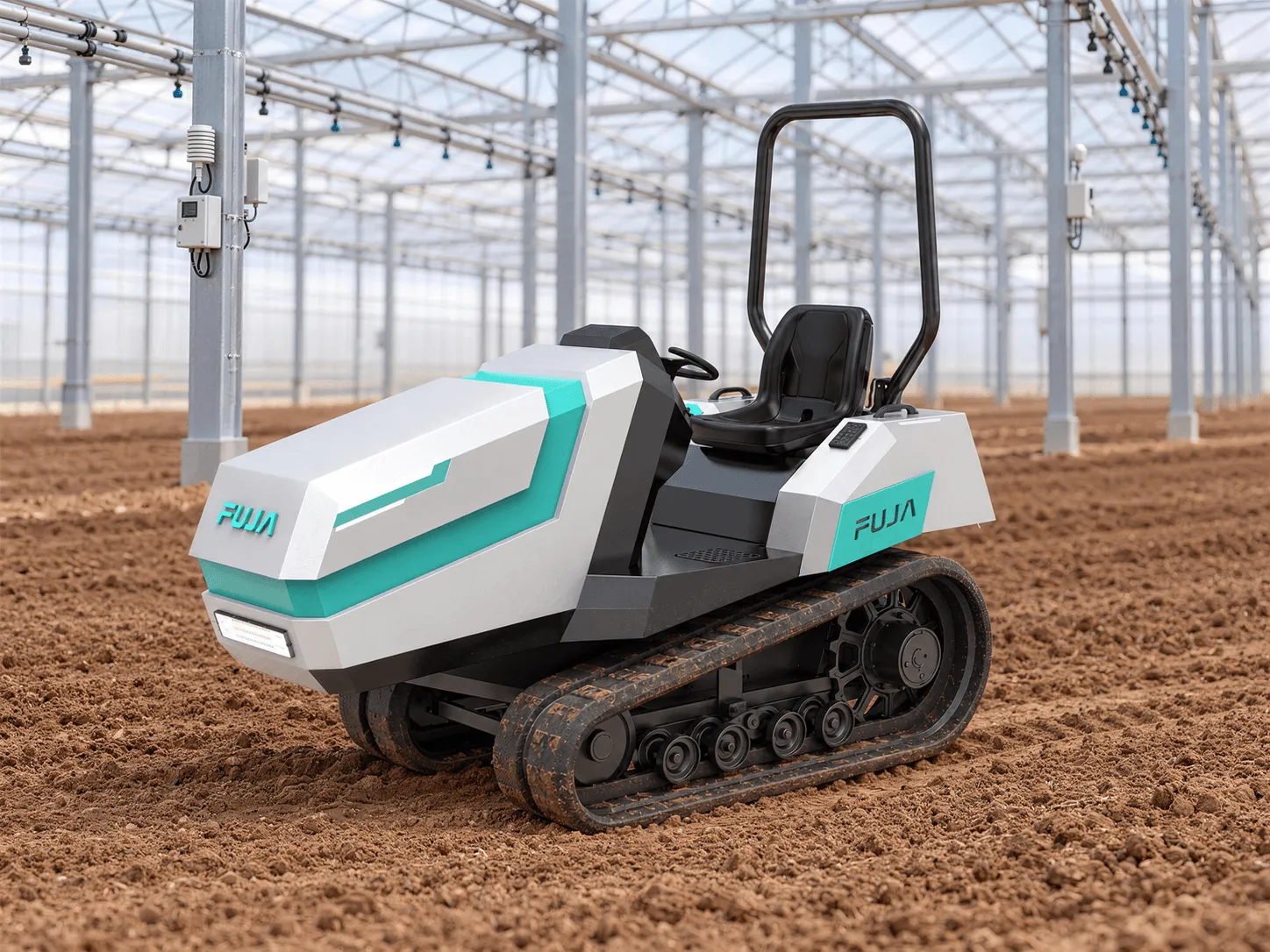
A tracked tractor moves by driving a continuous belt or track assembly around its running gear. The lower section contacts the ground and transfers driving force into the soil. Compared with a wheel, a track can provide a longer contact footprint, although the actual contact area depends on the machine’s construction and loading. Ground pressure describes the load distributed over that contact area. It cannot be inferred from the word compact or from the presence of tracks alone. An attached implement can change weight distribution, and soil deformation changes how the machine is supported during work. Steering also affects ground interaction. Some tracked machines turn by creating a speed difference between the two sides; the exact mechanism must be established from the model’s technical information. Tight turns can disturb the surface, particularly where soil or vegetation offers little resistance to sideways movement. Agricultural Machinery Manufacturer & Supplier identifies intelligent R&D as a business focus, but no running-gear drawing or steering specification has been provided. These principles explain the product category; they do not confirm the construction of a particular tractor.