

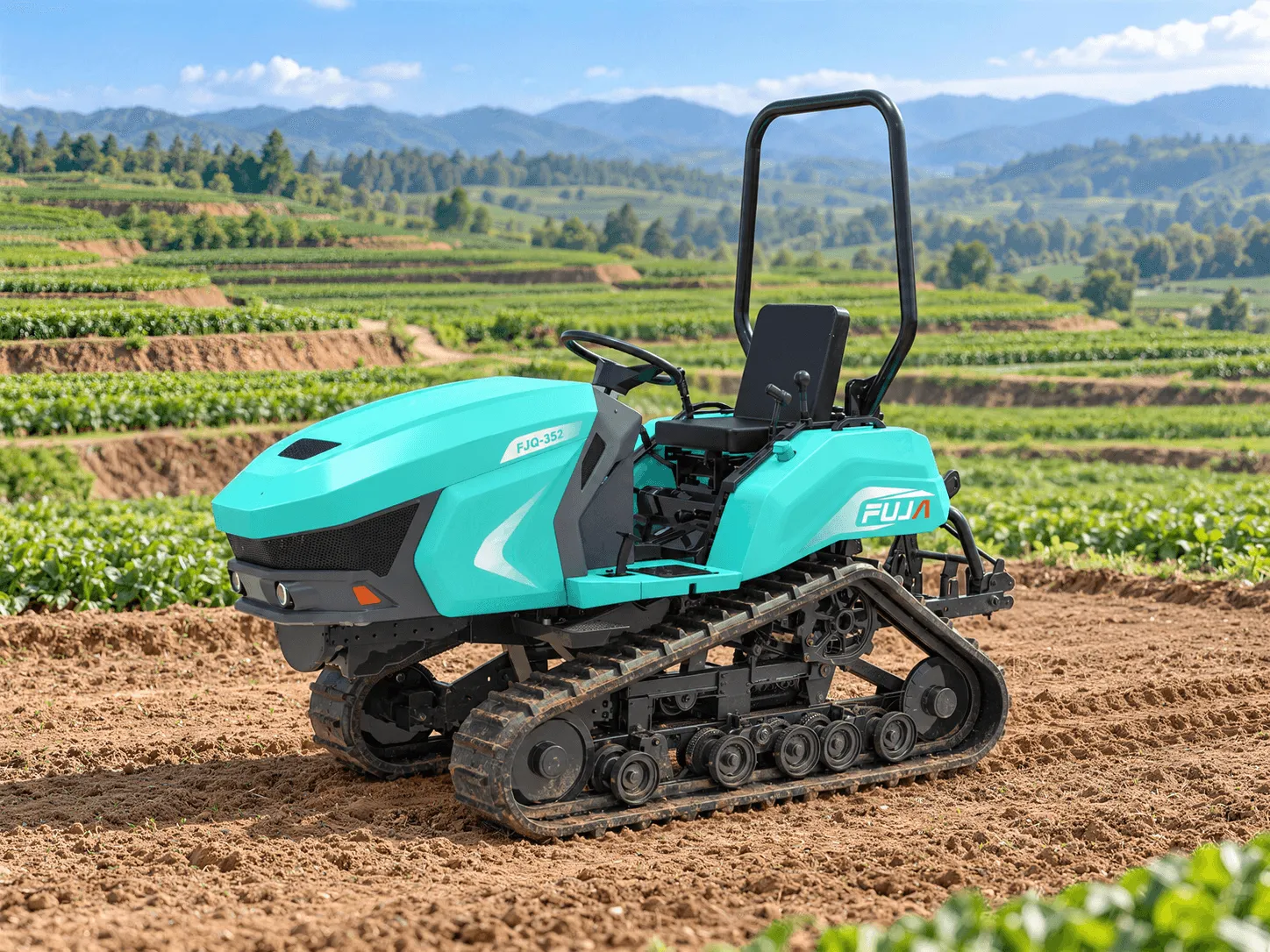
Home » small tractor with tracks manufacturer

Small Tractor with Tracks Manufacturer for Supplier Review

small tractor with tracks manufacturer

A supplier review for a small tractor with tracks manufacturer should start with evidence, not assumptions about machine specifications. Our available company information identifies us as an agricultural machinery manufacturer and supplier, with a 68,000 m² smart manufacturing base, intelligent R&D, and a global service focus. The brand reports serving more than 150 customers and lists CE certification. These details can help buyers decide whether to begin a qualification discussion, but they do not establish the specifications, tracked tractor models, production capacity for a particular configuration, or market approvals for a specific machine. Those points need to be confirmed against product-level documents. For procurement teams, the next step is to define the intended application and request the relevant model information, compliance records, and manufacturing evidence before comparing suppliers. This page sets out what is currently known and what should be verified directly, so an initial inquiry can be specific and a supplier assessment can proceed on documented facts.

Technical Detail

Configured around process stability, mold life, and long-term uptime.

For buyers searching for a small tractor with tracks manufacturer, the available brand profile provides a starting point for supplier qualification. The company describes itself as an agricultural machinery manufacturer and supplier and identifies a 68,000 m² smart manufacturing base. It also lists intelligent R&D as a capability, with a focus on design for practical challenges, and reports serving more than 150 customers. These are company-level statements; they do not confirm that a particular tracked tractor model is available or specify its engine, track dimensions, operating weight, output, or attachments. No product catalogue or model data was provided for this page. Before treating the supplier as a match, request written confirmation of the actual product range and the configuration relevant to your application. The brand lists CE certification, but the certificate scope and its applicability to the requested machine should be checked using the underlying documents. A useful first review can therefore focus on three verifiable items: a model-specific specification sheet, relevant CE documentation, and evidence clarifying the manufacturer’s role in production. The supplier profile also mentions smart manufacturing, but process details and inspection records are not included in the supplied information. Ask for those records during qualification rather than assuming what equipment, quality gates, or tests are used. This evidence-led approach helps distinguish general corporate claims from documentation that supports a purchase decision.

Mini Crawler Tractor

What to verify about the tracked tractor range

The phrase “small tractor with tracks” describes a buyer’s product need, but the supplied company information does not list a tracked tractor model or define what “small” means in its range. It gives no dimensions, power ratings, track design, ground pressure, implement compatibility, or operating limits. Do not infer these details from the manufacturer’s general agricultural machinery positioning. Ask the sales or engineering contact for a current catalogue and a specification sheet for each model under consideration. Check that the documents identify the exact model and configuration, and that the stated dimensions and operating data match the machine being quoted. If the tractor will work with an attachment, request confirmation of interface and compatibility rather than relying on a general product description. The company names intelligent R&D as one of its strengths, but no design process or model-specific engineering data has been supplied. Treat that as a topic for discussion, not proof of a particular technical feature. A clear product-range response is an early screening point: if the supplier cannot identify the relevant tracked model and provide matching documentation, buyers should resolve that gap before moving to price comparison or technical approval.
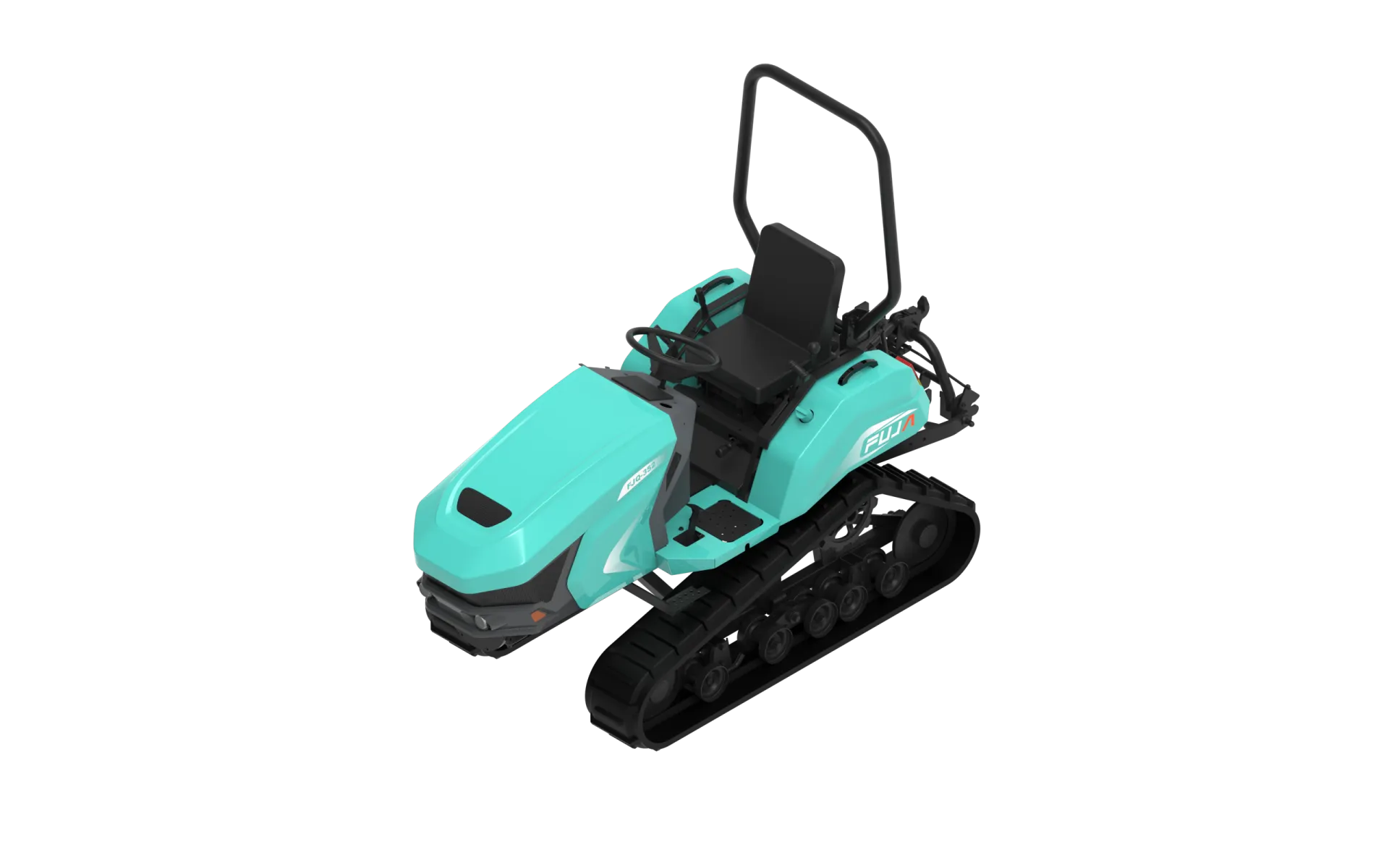

Mini Crawler Tractor

Assessing manufacturing and quality evidence

The brand describes a 68,000 m² smart manufacturing base and says its manufacturing approach is intended to build reliable performance. The available information does not name production equipment, explain the manufacturing sequence, or specify inspection and test checkpoints. Buyers assessing factory capability should request evidence that connects the stated base to the product being considered. Useful questions include whether the quoted machine is manufactured at that site, which operations are performed there, and what checks are recorded before release. Ask for sample quality documents relevant to the model, such as inspection records or test reports, where available; the supplied profile does not confirm that any particular document is issued. For a remote or on-site supplier audit, agree the scope in advance and compare observed processes with the records provided. Focus on traceability between model identification, production records, and final inspection. Avoid treating “smart manufacturing” as a substitute for auditable process information. The buyer’s decision should depend on whether the supplier can provide evidence appropriate to the order and destination market, and whether the documentation answers identified risks. If critical process or test details remain unavailable, record them as open qualification items rather than assuming they are covered.

Mini Crawler Tractor

Preparing a focused supplier inquiry

An effective first inquiry gives the manufacturer enough context to confirm product fit without presuming that a specific model or configuration is available. Include the intended work, operating environment, required attachments, destination country, and any purchasing or compliance requirements your organization already uses. Then request the current model catalogue, the specification sheet for the proposed tracked tractor, and the applicable CE documents. Since the company profile lists CE certification but provides no certificate number, scope, or machine-specific declaration, ask the supplier to identify exactly which records apply to the offered model and destination. For supplier review, you can also request a description of the manufacturing location and the quality records available for the proposed configuration. Keep these requests distinct: product documents establish what is offered, while manufacturing and inspection evidence supports factory qualification. The profile reports a global service focus, but it does not define regional coverage, response arrangements, or spare-parts support. Ask for the service and support details relevant to your market before making them a purchase criterion. These items create a practical inquiry checklist and allow the supplier to respond with verifiable documents instead of broad assurances.

News

Industry updates

Products

Production modules

Why Choose Us

A documented starting point for evaluating a tracked tractor supplier

The company profile offers several concrete reasons to begin a qualification conversation: it identifies the business as an agricultural machinery manufacturer and supplier, states that it operates a 68,000 m² smart manufacturing base, lists intelligent R&D, and reports serving more than 150 customers. It also lists CE certification and describes a global service focus. These points provide useful context for an initial review, but they are not substitutes for model-specific evidence. We recommend verifying the tracked tractor range, the manufacturing role for the quoted machine, the relevant certificate scope, and the records available for quality inspection before progressing to technical approval. The brand’s stated R&D and manufacturing capabilities can be explored through direct questions about the proposed model and supporting documentation. Likewise, its global service positioning should be checked against the buyer’s destination and support needs. This approach gives procurement teams a grounded way to assess whether the supplier merits further review, while keeping product claims, compliance evidence, and service arrangements tied to written confirmation rather than assumptions.

FAQ

Common technical questions

Does the company currently offer a small tractor with tracks?

The information provided identifies the business as an agricultural machinery manufacturer and supplier, but it does not include a tracked tractor catalogue or confirm a specific model. Request the current range and model-specific specifications before treating the product as available.

What CE documents should I request for the machine?

Ask for the CE certificate or other applicable conformity documentation and confirm its scope, model coverage, and destination-market relevance. The company profile lists CE certification, but the supplied information does not identify certificate details or confirm coverage of a particular tracked tractor.

Can I assess the factory remotely before arranging a visit?

You can begin by requesting information on the manufacturing location, the processes performed there, and available inspection or test records for the proposed model. The company states that it has a 68,000 m² smart manufacturing base, but no audit pack or specific quality records were provided here.

What should I include when asking for a quotation?

State the intended application, working conditions, attachment requirements, destination country, and any compliance or purchasing requirements. Ask the supplier to identify the proposed model and provide its specification sheet and applicable conformity documents. Confirm service arrangements separately, since regional coverage and support terms are not specified in the available profile.

Need a solution for your project?

Share your product type, target capacity, and application requirements. Our team can review the details and recommend a practical next step.

Contact Us




