

Home » track tractors in Colombia

Track Tractors in Colombia for Demanding Farm Work

track tractors in Colombia

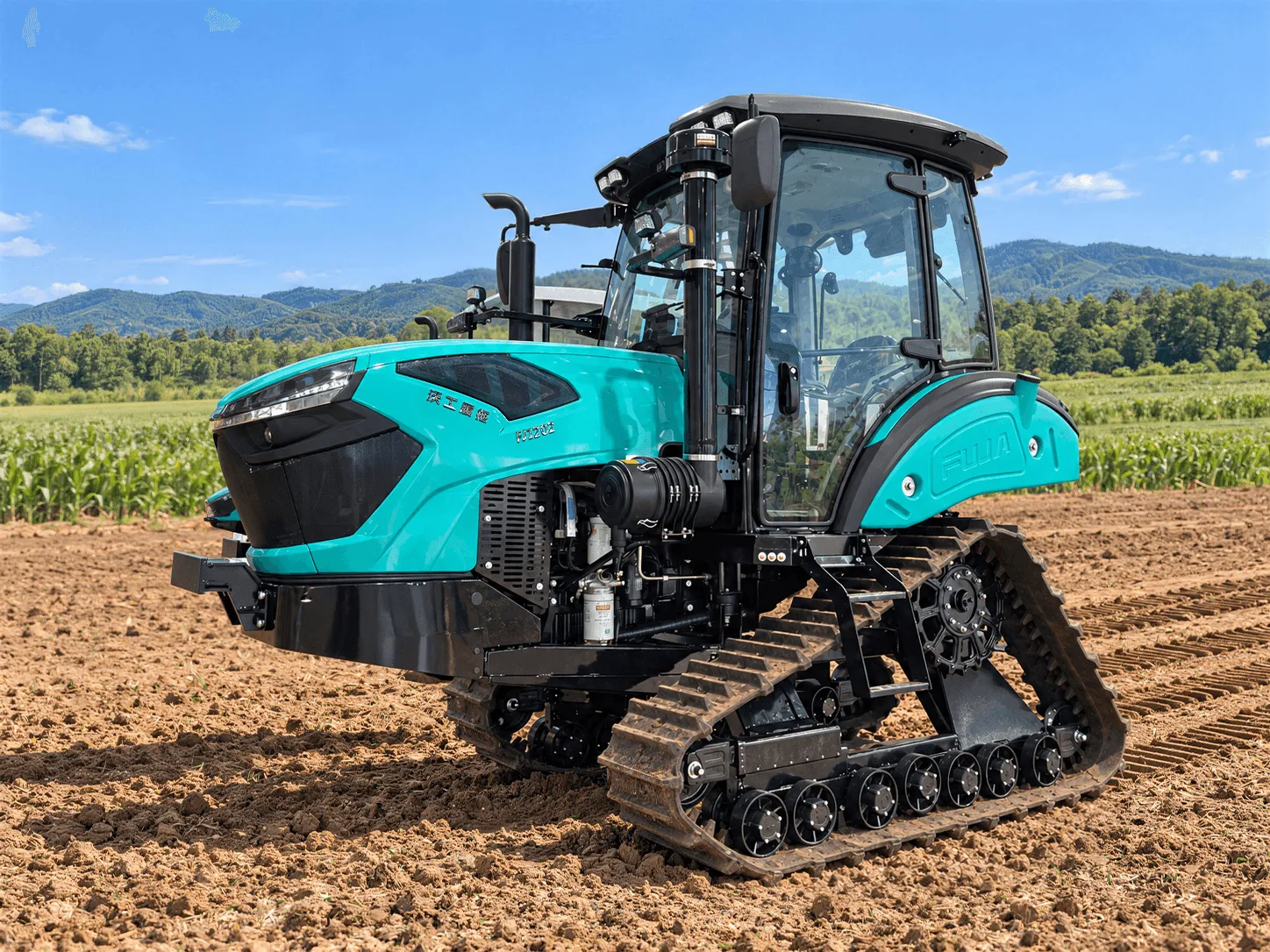
Track tractors use continuous tracks instead of standard wheels to move across fields where traction and ground pressure matter. For buyers in Colombia, they may be worth considering when farm work involves soft or uneven ground, slopes, or frequent operation where wheeled equipment may struggle. The right choice depends on the actual terrain, implements, transport needs, and workload, so a product match should be confirmed against the machine’s technical documentation rather than assumed from the category name alone. Agricultural Machinery Manufacturer & Supplier brings an innovation-led approach to agricultural machinery, supported by a 68,000 m2 smart manufacturing base and intelligent R&D focused on real-world challenges. The company also reports serving 150+ customers and holds CE certification; these details do not, by themselves, confirm a particular track tractor model or its suitability for a Colombian operation. If you are sourcing track tractors in Colombia, prepare a description of your land and tasks, then ask the supplier to verify available models, specifications, configuration options, and applicable documentation before making a purchase decision.

Technical Detail

Configured around process stability, mold life, and long-term uptime.

A track tractor is an agricultural tractor that travels on crawler tracks rather than conventional wheels. The continuous contact area can help distribute the machine’s weight across the ground and maintain traction in conditions where soil firmness or surface irregularity is a concern. Its suitability still depends on machine weight, track design, engine and hydraulic specifications, implement requirements, and the field’s actual conditions. Those details vary by model and are not available in the supplied product information, so they should be confirmed rather than inferred. Agricultural Machinery Manufacturer & Supplier positions its work around intelligent R&D and smart manufacturing. Its stated 68,000 m2 smart manufacturing base and focus on precision builds describe the company’s manufacturing approach, but do not establish the specifications, availability, or configuration of a specific track tractor. The brand also reports serving 150+ customers and lists CE certification; buyers should request the relevant product documentation and confirm which certification applies to the machine under consideration. This page is intended for Colombian agricultural businesses, contractors, and farm operators evaluating tracked machinery for field work. Before treating any model as a fit, confirm operating weight, track dimensions, power, transmission, hydraulic capacity, compatible implements, and maintenance requirements with the supplier. Also clarify whether the machine can be transported and supported for your intended location. Provide your terrain, crops or work tasks, annual usage, and implement details so the supplier can establish whether a suitable product is available and provide verifiable technical information.

Heavy-Duty Farm Crawler Tractor

How Continuous Tracks Affect Field Operation

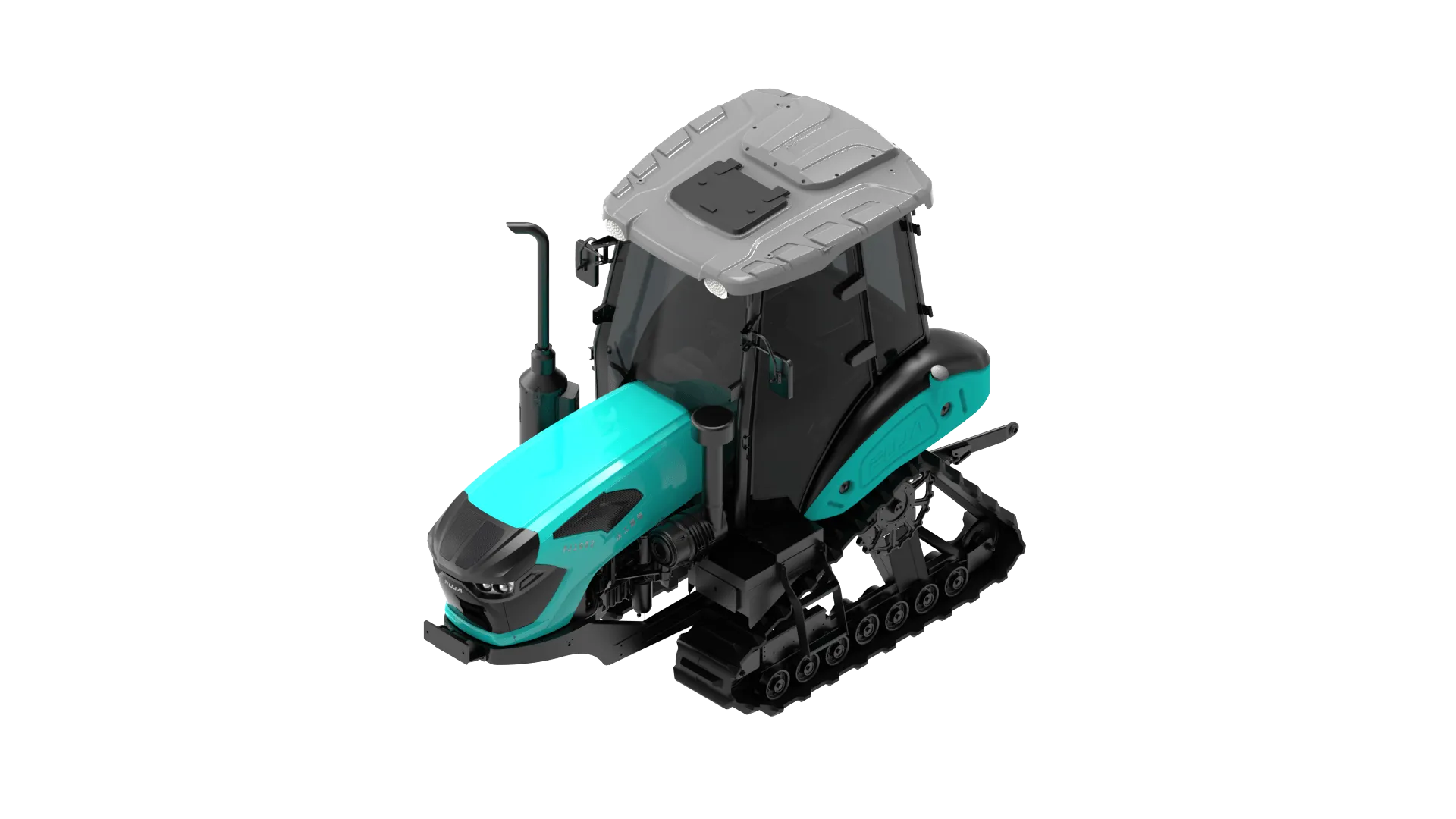
Unlike a wheeled tractor, a track tractor moves through linked track assemblies that contact the ground along a longer footprint. This arrangement can help spread the machine’s load and maintain grip on surfaces where wheels may lose traction. Actual performance depends on the track system, machine mass, soil moisture, slope, speed, and operating technique; the category alone does not guarantee lower soil impact or better performance in every field. That distinction matters when comparing machinery for Colombian farms with varied terrain. A buyer should describe the ground conditions in practical terms: whether fields are soft or firm, whether slopes are present, how often the machine must turn in confined areas, and whether it will travel on public roads or between properties. Track type and dimensions can affect maneuverability, ground contact, and transport arrangements, but no track specifications are provided for this brand’s product range. Ask for drawings or technical sheets for the exact model, including operating weight and track dimensions, and compare those figures with the conditions where the tractor will work. This keeps the discussion tied to verifiable machine details rather than general claims about tracked equipment.

Heavy-Duty Farm Crawler Tractor

Check Whether Tracked Equipment Fits Your Conditions

Track tractors may be relevant where field traction and ground contact are more important than frequent road travel. They are not automatically the best choice for every farm. The right assessment depends on the soil, slope, field layout, distance between work areas, implement load, and how the tractor will be moved or maintained. Turning space and the surface on which the machine travels can also affect whether a tracked configuration is practical. For an operation in Colombia, assess representative working conditions rather than relying on a broad description such as “rough terrain.” Note the wettest period, typical gradients, narrow access points, and the tasks performed during a normal work cycle. Then ask the supplier to confirm whether the machine’s documented weight, track dimensions, power, and implement compatibility suit those conditions. If the tractor will work on both fields and hard surfaces, ask specifically about operating limits and any track-care requirements. The supplied brand information does not state a model’s capabilities or restrictions, so do not assume suitability for steep slopes, wet soil, road use, or a particular crop. Treat those as questions to resolve with product documentation before purchase.

Heavy-Duty Farm Crawler Tractor

Prepare a Clear Track Tractor Inquiry

A useful inquiry gives the supplier enough information to identify whether a suitable machine is available without guessing at your requirements. Start with the work location in Colombia and a short description of the land: soil conditions, slope, access width, and whether the tractor must travel between fields. Add the main tasks, expected operating hours, and the implements you intend to use, including their working width and any known power or hydraulic requirements. Ask for the proposed model’s complete technical sheet and verify operating weight, engine power, track dimensions, transmission, hydraulic capacity, implement connections, and recommended operating limits. Request confirmation of which accessories or configurations are available for that exact model, and whether CE documentation applies to it. The manufacturer’s supplied profile identifies a 68,000 m2 smart manufacturing base, intelligent R&D, global service positioning, 150+ customers, and CE certification, but does not list a track tractor model, its attachments, or support arrangements for Colombia. Have the supplier answer those points in writing before comparing offers. This creates a grounded basis for reviewing technical fit, documentation, and the next procurement steps.

News

Industry updates

Products

Production modules

Why Choose Us

An Innovation-Led Supplier with Manufacturing Scale

Agricultural Machinery Manufacturer & Supplier describes an innovation-led approach built around intelligent R&D, smart manufacturing, and global service. Its stated 68,000 m2 smart manufacturing base gives buyers a concrete point to explore when assessing how agricultural machinery is developed and produced. The company frames its R&D around practical operating challenges, while its manufacturing focus is on precision builds intended to support reliable performance. The brand reports serving 150+ customers and lists CE certification. These are useful starting points for a supplier discussion, not substitutes for checking the documentation, model specifications, and certification scope of the particular machine being considered. The supplied information does not identify a track tractor model or confirm local service coverage in Colombia. Buyers should therefore request product-specific technical sheets, applicable conformity documents, and written clarification of support options for their location. That due diligence helps connect the manufacturer’s stated capabilities to the actual requirements of a farm or contractor. If a tracked model is available for your application, ask the team to explain its configuration against your terrain and implements before moving forward.

FAQ

Common technical questions

How does a track tractor differ from a wheeled tractor for field work?

A track tractor runs on continuous tracks, which provide a longer ground-contact area than typical wheels. This can help with traction and load distribution in some conditions, but maneuverability, road travel, maintenance, and performance depend on the specific machine and site. Compare documented specifications against your field conditions.

What details should I provide to check whether a track tractor suits my farm?

Share the soil and slope conditions, access width, main tasks, expected usage, and the implements you plan to operate. Include known implement power or hydraulic requirements. Ask the supplier to match those details against a specific model’s technical sheet and stated operating limits.

Can I use the same track tractor for wet fields and road travel?

That cannot be confirmed without the exact model and track specifications. Ask the supplier for the manufacturer’s guidance on wet-ground operation, hard-surface use, transport, and maintenance, and check whether those conditions fall within the machine’s documented limits.

What should I verify about CE certification before ordering?

Request the CE documentation for the exact model and configuration under consideration, and confirm which machinery and requirements the documents cover. The brand lists CE certification, but the supplied information does not specify a track tractor model or the scope of its product documentation.

Need a solution for your project?

Share your product type, target capacity, and application requirements. Our team can review the details and recommend a practical next step.

Contact Us




