

Home » tractor crawler

Tractor Crawler for Demanding Farm Terrain

tractor crawler

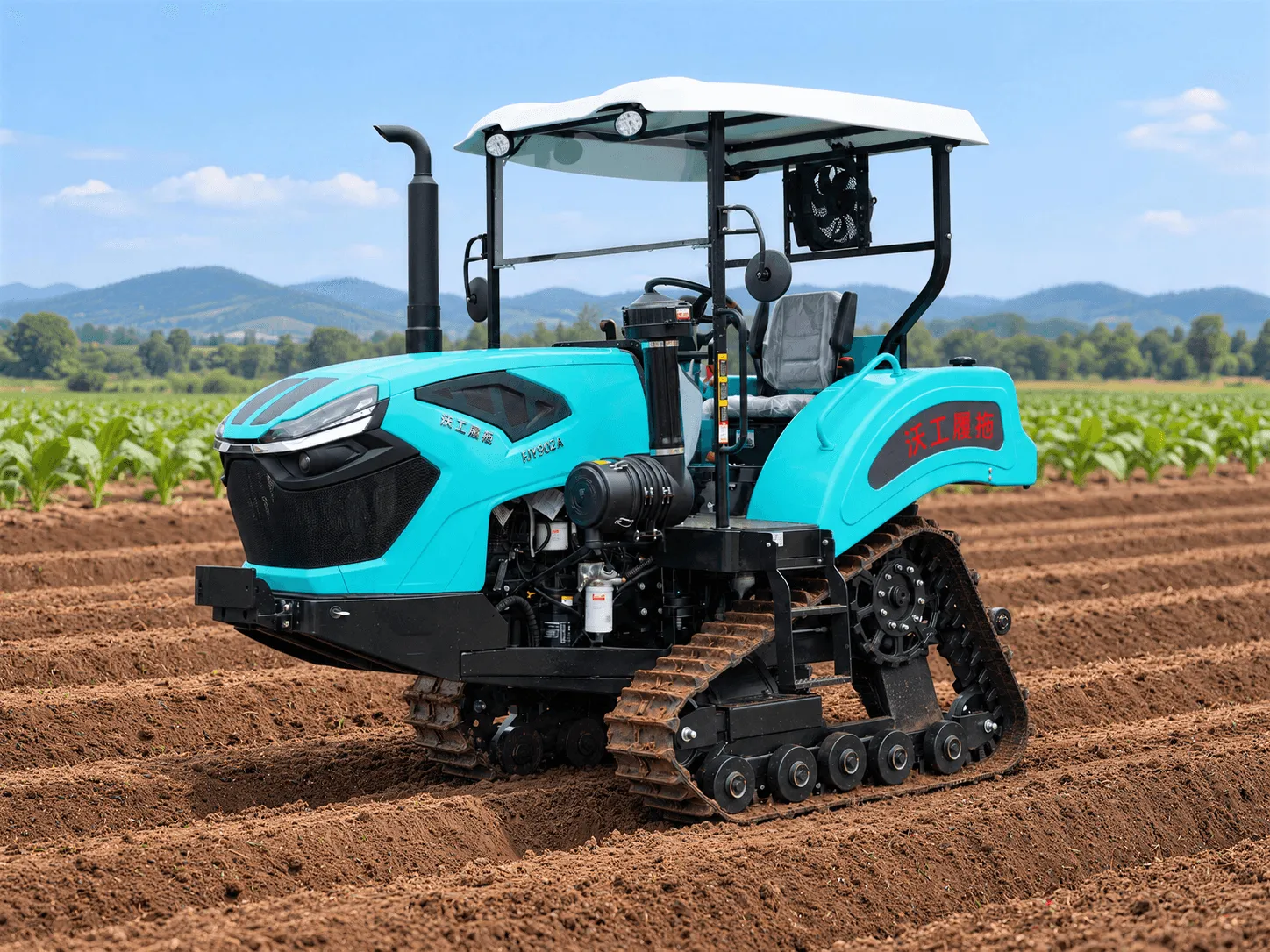
A tractor crawler is an agricultural tractor that uses tracked undercarriage units instead of conventional wheels to move across the ground. Buyers often consider this format when field access, soft soil, or traction requirements make a wheeled machine less suitable. The right choice depends on the work to be done and the conditions it will face; the term alone does not specify engine output, track dimensions, attachments, or operating limits. As an agricultural machinery manufacturer and supplier, we support buyers assessing equipment against real working requirements. Our brand profile describes a 68,000 m2 smart manufacturing base, intelligent R&D, smart manufacturing, and global service. Product-level specifications for a tractor crawler have not been provided here, so configuration and compliance should be confirmed for the specific machine under consideration. Before requesting a proposal, prepare details about your terrain, soil conditions, workload, implements, and transport needs. These give the supplier a practical basis for discussing whether a crawler tractor is appropriate and what information is still needed to identify a suitable model.

Technical Detail

Configured around process stability, mold life, and long-term uptime.

A tractor crawler is a tracked agricultural machine intended to perform tractor work where a buyer is evaluating tracked movement rather than a wheeled layout. Its suitability cannot be determined from the product name alone: operating weight, power, track dimensions, ground clearance, implement interface, and working limits all affect performance, and no model-specific figures have been supplied for this page. Buyers should therefore treat this page as an introduction to the product category, not as a specification sheet or confirmation of a particular configuration. The manufacturer’s stated positioning is premium and innovation-led, supported by a 68,000 m2 smart manufacturing base and intelligent R&D focused on real-world challenges. The company also reports serving 150+ customers and describes its manufacturing approach as precision-oriented. These are brand-level facts, not performance data for an individual tractor crawler. CE is listed among the brand’s certifications; confirm whether the applicable certificate and documentation cover the exact machine, configuration, and destination market being quoted. For procurement, request the model’s technical sheet, operating limits, implement compatibility, and relevant compliance documents before comparing offers. A clear distinction between verified product specifications and general brand capability helps buyers assess the machine without relying on assumptions.

Hilly and Mountainous Areas Crawler Tractor

How a Tracked Tractor Moves Across the Field

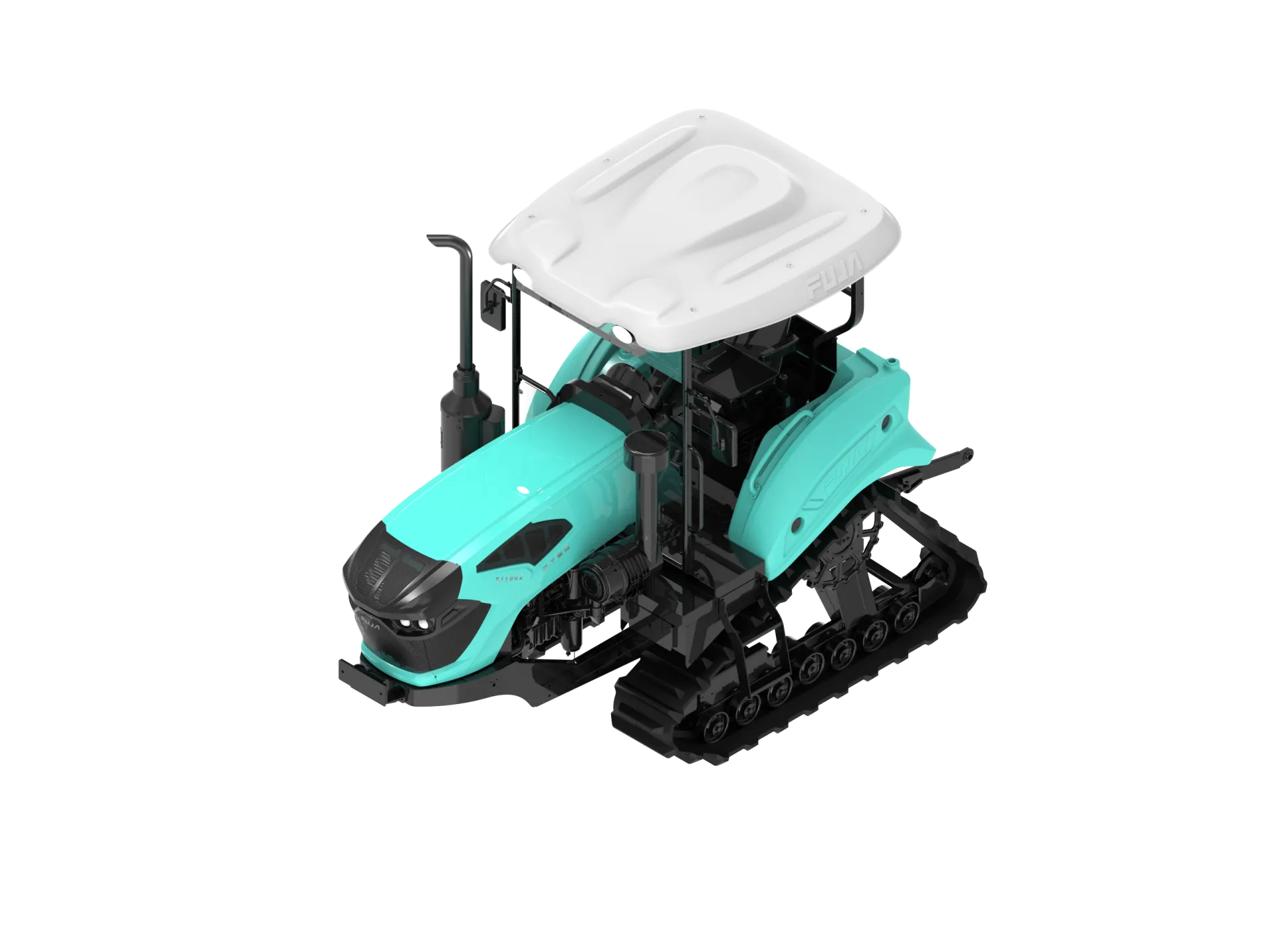
Unlike a wheeled tractor, a tractor crawler moves through tracks that circulate around the undercarriage. This contact system is the defining feature of the category and is why buyers examine crawler machines for work where traction and ground interaction matter. Actual results depend on the machine’s design and the surface under it; the word “crawler” alone does not establish a particular ground pressure, drawbar pull, turning behavior, or ability to operate on a given slope. No track layout, undercarriage drawing, or operating specification is available in the supplied product information, so those details must be confirmed for the model being evaluated. Ask for a technical description showing the track assembly and the manufacturer’s stated operating limits. Intelligent R&D is a stated part of the brand’s approach, with product design framed around practical field challenges. For a buyer, the useful discussion is specific: what soil and field conditions were considered, which work cycle the machine is designed for, and what limits apply? This establishes a factual basis for understanding the machine rather than inferring capability from its tracked configuration.

Hilly and Mountainous Areas Crawler Tractor

Check the Worksite Before Assuming Crawler Suitability

A crawler tractor may be worth evaluating when field conditions make traction, soil disturbance, or access a concern, but suitability is site-specific. Start by recording whether work takes place on firm ground, loose or wet soil, uneven plots, or slopes; note seasonal changes as well as the normal condition. Then describe the task, daily operating pattern, loads, and any implements that must be used. These details help reveal whether the machine’s intended operating envelope matches the work. The supplied brand information does not identify a tractor crawler model or publish limits for slope, soil moisture, temperature, transport, or implement load. Do not treat the general tracked format as proof that a machine can work safely in every soft-ground or sloped application. Request written limits for the exact model and configuration, and ask which conditions require reduced speed, a different setup, or exclusion from operation. The manufacturer describes its 68,000 m2 base as smart manufacturing and its R&D as focused on real-world challenges; that context supports a technical discussion, but it does not replace site-specific validation. If conditions vary substantially across fields, provide representative examples rather than describing only the easiest plot.

Hilly and Mountainous Areas Crawler Tractor

Prepare These Details for a Model Discussion

Before asking for a tractor crawler recommendation or quotation, assemble a short requirements brief. Include the intended jobs, field dimensions or access constraints, typical and worst-case ground conditions, expected working hours, and the implements or attachments that need to connect to the tractor. Identify transport requirements too, including whether the machine must travel on public roads or be moved between sites; applicable rules depend on the destination and configuration. Ask the supplier to identify the proposed model and provide its technical sheet, operating limits, implement interface details, included equipment, optional configurations, and relevant compliance documents. The brand lists CE certification, but buyers should verify the certificate’s scope and applicability to the exact product being offered rather than assume that a brand-level statement covers every model. No tractor crawler options, prices, minimum order quantities, or delivery schedules are provided here, so request those details directly and in writing. The manufacturer reports serving 150+ customers and offers global service as a stated capability. For a useful follow-up, clarify the destination country and ask what technical and service documentation is available for that market. This makes competing proposals easier to compare on equivalent scope.

News

Industry updates

Products

Production modules

Why Choose Us

A Manufacturing Partner Focused on Practical Agricultural Machinery

The brand presents itself as a premium agricultural machinery manufacturer and supplier, with a 68,000 m2 smart manufacturing base and an intelligent R&D team described as addressing real-world challenges. For tractor crawler buyers, this provides a starting point for discussing how a machine is developed and produced, but the specific design, inspection process, and production controls for a model should be confirmed directly. The company describes smart manufacturing as a way to build reliable performance and reports serving 150+ customers; these are company-level statements rather than independently detailed tractor crawler case studies. Global service is also part of its stated offer, so buyers can ask what support, documentation, and parts arrangements are available for their destination and machine. CE appears in the supplied brand certification information. Since certification scope can depend on the specific product and configuration, request the relevant documents for the proposed tractor crawler before purchase. This evidence-led approach lets buyers assess the manufacturer’s capabilities while keeping product claims tied to verifiable model information.

FAQ

Common technical questions

What information should I send to check whether a tractor crawler suits my farm?

Describe the work, soil and terrain, seasonal conditions, operating hours, and any implements you need to use. Include transport or access constraints. The supplier can then compare those requirements with the operating limits of a specific model; no model limits have been provided on this page.

Can a tractor crawler work on steep or very wet ground?

That depends on the machine’s stated limits and the actual site conditions. Do not assume that tracks make a model suitable for any slope or wet field. Ask for written slope and ground-condition guidance for the exact configuration and follow the operating manual.

What should I compare between tractor crawler models?

Compare verified specifications for power, operating weight, track dimensions, ground clearance, implement compatibility, and operating limits, where available. Also check what equipment is included and request the applicable compliance documents. The supplied information does not provide figures for any particular model.

Does the CE certification listed by the brand apply to every tractor crawler?

That cannot be established from the brand information alone. Request the certificate and supporting documents for the exact model and configuration, and confirm that they are applicable to the destination market and intended use.

Need a solution for your project?

Share your product type, target capacity, and application requirements. Our team can review the details and recommend a practical next step.

Contact Us




