

Home » Electric Crawler Tractor

Electric Crawler Tractor for Demanding Farm Conditions

Electric Crawler Tractor

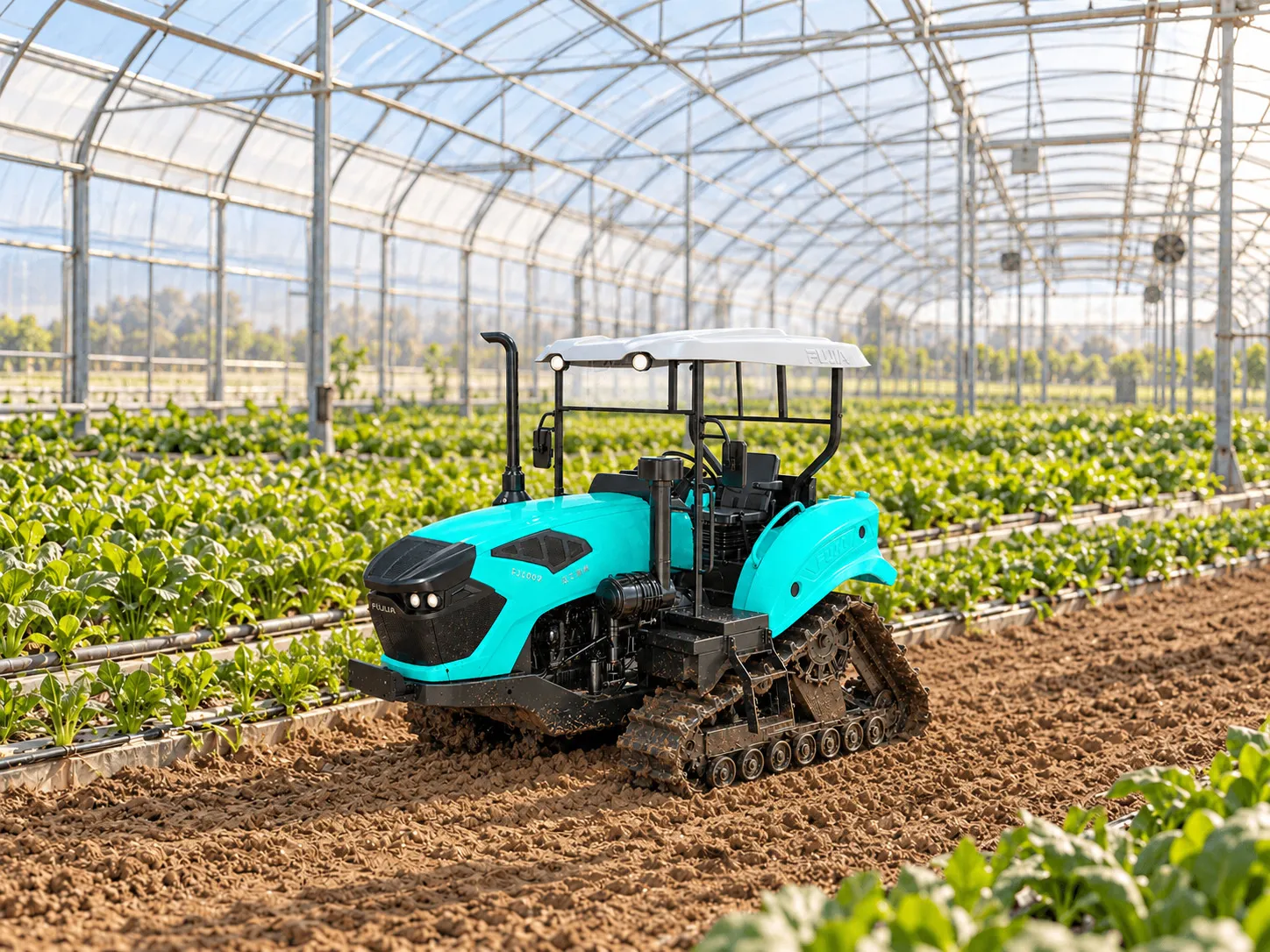
An Electric Crawler Tractor is an agricultural tractor that uses electric power for propulsion and crawler tracks for movement. The track layout can be relevant where wheeled machines may have difficulty maintaining traction or where ground pressure and maneuverability need careful consideration. It may be of interest to farms, agricultural contractors, and equipment distributors evaluating electric machinery for field operations. Actual suitability depends on the tractor’s verified specifications and the conditions at the worksite; no model-level power, battery, range, or implement data has been provided here. Before comparing options, define the tasks the machine must perform, the ground it will travel over, and how it can be charged during the working day. Agricultural Machinery Manufacturer & Supplier brings an innovation-focused approach, supported by an intelligent R&D team and a 68,000 m2 smart manufacturing base. The company reports serving more than 150 customers and lists CE among its certifications. To assess a specific Electric Crawler Tractor, send your intended applications and operating conditions and request the applicable technical data and compliance documents for the proposed model.

Technical Detail

Configured around process stability, mold life, and long-term uptime.

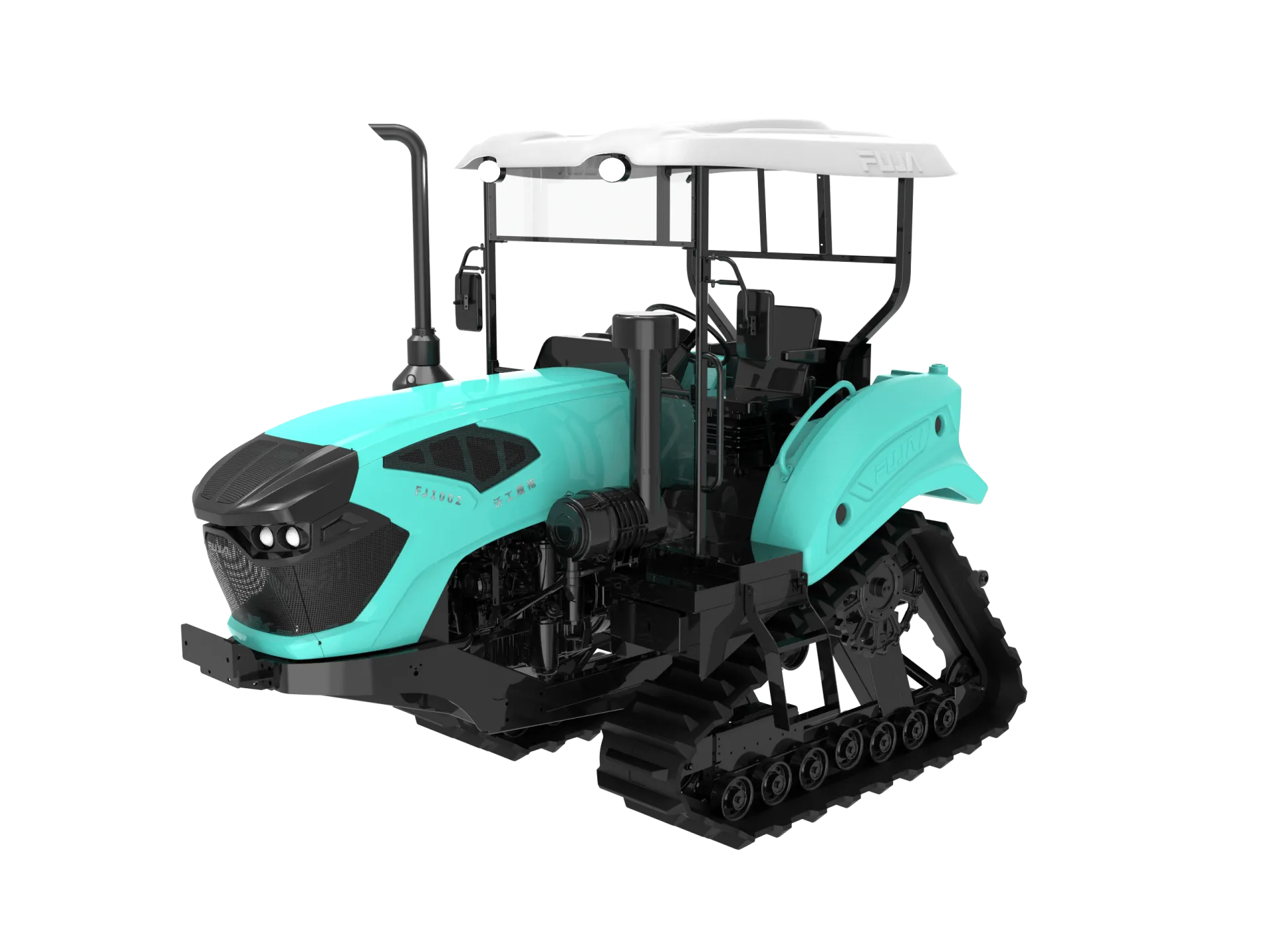
An Electric Crawler Tractor combines electric propulsion with a tracked undercarriage. The product category is designed around a different mobility approach from a conventional wheeled tractor, but the details that determine real working capability vary by model. No product datasheet, dimensions, motor rating, battery capacity, operating time, charging details, or attachment list has been supplied for this page. Those figures should be confirmed directly for any machine under consideration rather than inferred from the category name. Agricultural Machinery Manufacturer & Supplier positions its operation around intelligent R&D and smart manufacturing. Its stated manufacturing base covers 68,000 m2, and the company reports a customer base of more than 150. These are company-level details, not specifications for a particular tractor. Likewise, CE is listed among the brand’s certifications; buyers should confirm whether the exact model and supplied configuration are covered by the relevant conformity documentation. For product evaluation, request a model-specific datasheet and clarify the intended work, track and undercarriage details, power and battery information, charging requirements, and any compatible implements. These points help establish whether the proposed machine can perform the required tasks and fit the buyer’s operating routine. The manufacturer’s R&D and production capabilities provide context for a supplier discussion, while the final decision should rest on verified technical documentation and the conditions in which the tractor will be used.

Intelligent Crawler Tractor

How Electric Propulsion and Crawler Tracks Work Together

The name Electric Crawler Tractor describes two parts of the machine: an electric drive system provides propulsion, while crawler tracks support travel across the ground. The tracks distribute the machine’s contact over a wider footprint than individual wheels typically do, although actual ground pressure depends on machine weight and track dimensions. Electric drive removes the need for an onboard combustion engine to provide traction, but the available power, runtime, charging method, and controls are model-specific and cannot be determined from the product name alone. For a buyer, this distinction matters because mobility and energy supply have to be considered together. A tracked chassis may suit work where traction is a priority, while an electric power system makes charging access and duty cycle part of the operating plan. These characteristics should not be treated as proof that a tractor can handle a particular slope, soil type, implement, or number of working hours. Ask the manufacturer for the technical description of the proposed model, including its drive architecture and track specifications. Agricultural Machinery Manufacturer & Supplier identifies intelligent R&D as one of its capabilities, but configuration-level details should be confirmed in the product documentation before making technical assumptions.

Intelligent Crawler Tractor

Check the Worksite Before Judging Suitability

An Electric Crawler Tractor may be considered for agricultural work where tracked movement and electric propulsion match the site’s needs. Suitability depends on more than whether a field is wet, uneven, or soft: soil conditions change, and the machine’s weight, track dimensions, traction characteristics, and implement load all affect how it performs. Because no model specifications are available here, there is no basis for promising operation on a particular terrain or under a specific load. Build an assessment around the actual job. Record the soil and surface conditions, gradients and access routes, task duration, expected implement or payload, and whether work happens near a reliable charging point. Consider transport between fields and whether the tractor must operate indoors or around areas where exhaust emissions are a concern; verify operating rules and machine suitability for those locations. If a task requires long uninterrupted shifts, charging time and energy capacity need particular scrutiny. Ask the supplier to compare your duty cycle with verified model data and to identify any stated operating limits. Agricultural Machinery Manufacturer & Supplier reports serving more than 150 customers, but that figure does not establish suitability for a specific crop, site, or duty cycle. Your own operating conditions and the model’s documentation should guide the decision.

Intelligent Crawler Tractor

Prepare a Model-Specific Inquiry

Before requesting a proposal for an Electric Crawler Tractor, provide enough information for the supplier to identify the relevant configuration. Start with the work to be performed, the expected hours per shift, terrain and soil conditions, gradients, and any implement or load requirements. Include the available charging supply, charging location, and acceptable downtime between shifts. If the tractor must fit existing storage, transport, or access arrangements, share those dimensional or clearance limits as well. Ask for the exact model designation and its current datasheet. Request verified information on motor and battery specifications, operating time under stated conditions, charging requirements, track dimensions, machine weight, control features, and compatible attachments. These details have not been provided in the available product information, so they need confirmation rather than estimation. Also ask which optional configurations are actually offered and whether they affect performance or documentation. For compliance review, request the CE documentation applicable to the exact model and configuration; the company lists CE, but that alone does not confirm coverage for every product. Agricultural Machinery Manufacturer & Supplier describes an intelligent R&D team and a 68,000 m2 smart manufacturing base. Use the inquiry to clarify how these capabilities relate to the model being quoted, without assuming unlisted custom options or delivery commitments.

News

Industry updates

Products

Production modules

Why Choose Us

An R&D-Led Manufacturer for Electric Tractor Discussions

Agricultural Machinery Manufacturer & Supplier presents an innovation-led profile supported by an intelligent R&D team and a 68,000 m2 smart manufacturing base. For buyers considering an Electric Crawler Tractor, that combination offers a clear starting point for technical discussions: describe the task and site conditions, then ask the team to identify which model data and configuration details apply. The stated manufacturing scale is company information, not evidence of a particular tractor’s output or performance, so model documentation remains essential. The company reports serving more than 150 customers, indicating experience across a customer base without specifying individual projects or outcomes. It also lists CE among its certifications. Buyers should request the relevant documents for the exact machine and intended market rather than assume that a company-level certification applies to every model. Its stated global service focus may be useful to discuss when planning support, but service coverage, response arrangements, and available parts should be confirmed for the buyer’s location. These points make the supplier conversation more concrete while keeping technical claims tied to verifiable product information.

FAQ

Common technical questions

How does an electric crawler tractor differ from a diesel crawler tractor?

The main stated distinction is the propulsion source: an electric model uses an electric drive system, while a diesel model uses a combustion engine. Runtime, refueling or charging needs, power delivery, maintenance requirements, and operating cost depend on the specific models. Compare verified datasheets and your duty cycle rather than assuming one option is better for every farm.

Can an Electric Crawler Tractor work in wet or soft soil?

Crawler tracks may be relevant where traction and ground contact matter, but performance depends on track dimensions, machine weight, soil conditions, and the task. No model-level terrain limits are available here. Give the supplier details of your soil, gradients, expected load, and seasonal conditions, and ask for documented operating limits.

What information should I provide when asking for a quote?

Describe the intended jobs, hours per shift, terrain, slopes, implement or load requirements, charging access, and any transport or clearance constraints. Ask for the exact model, datasheet, battery and charging details, compatible attachments, and the CE documents applicable to the proposed configuration. Price and availability should be confirmed directly with the supplier.

What should I check before using a new electric crawler tractor?

Follow the model-specific operating manual. Confirm the charging procedure, battery and electrical safety instructions, track inspection points, and any pre-operation checks specified by the manufacturer. Since no manual or maintenance schedule was provided here, request the current documentation for the exact model before commissioning or training operators.

Need a solution for your project?

Share your product type, target capacity, and application requirements. Our team can review the details and recommend a practical next step.

Contact Us




