EN
 HR

How the Track System Transfers Load and Traction
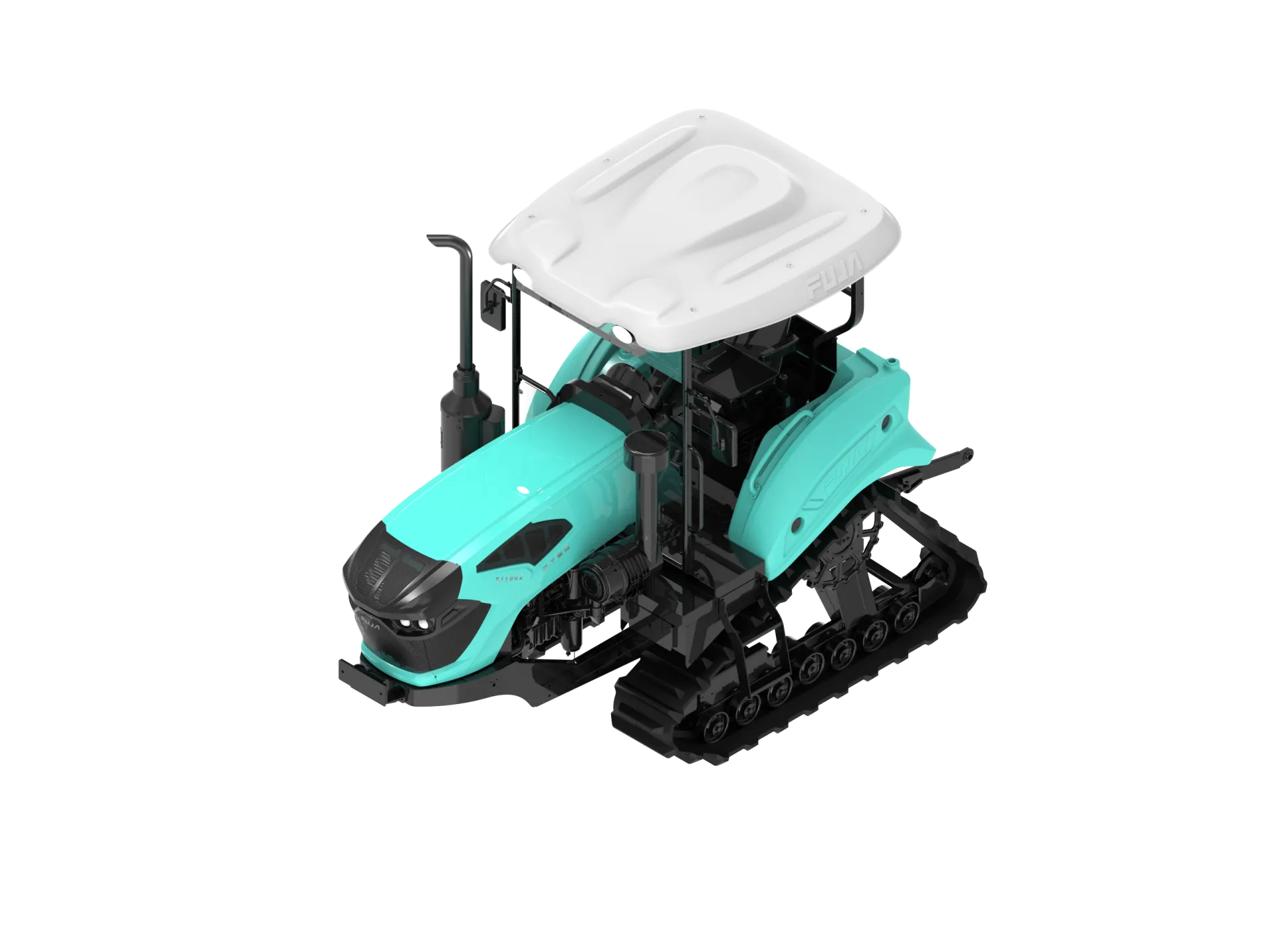
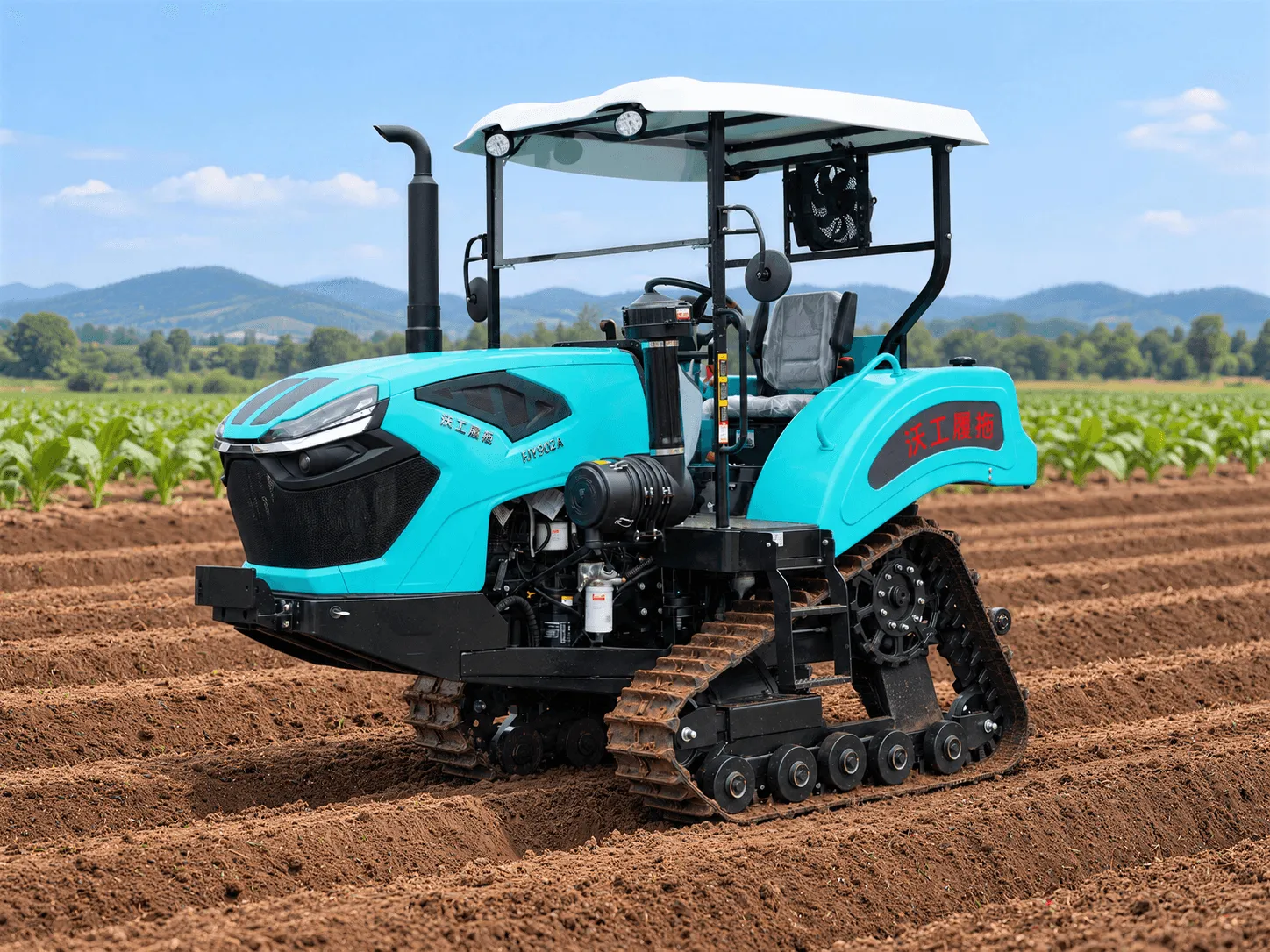
A tracked tractor moves through a continuous track supported by an undercarriage. In common designs, a drive sprocket moves the track while rollers and idlers support and guide it. The contact area distributes the machine's load over the ground, while the track surface transmits the force needed to move and pull an implement. Ground pressure depends on both operating weight and the effective contact area. Track width by itself therefore cannot describe flotation. Mounted equipment, ballast and carried loads can change how weight is distributed during work. Traction also depends on the soil's ability to resist shearing; a track can still slip when the supporting soil gives way. Track layout and steering design vary across tractors. Some machines steer by changing the relative movement of the tracks, while other arrangements use a different vehicle layout. These differences affect turning behavior and the forces acting on the ground. The brand's stated intelligent R&D focus provides company context, but no undercarriage drawing or model specification has been supplied. The mechanisms described here explain the category rather than a confirmed product configuration.