

Home » Paddy Field Crawler Tractor

Paddy Field Crawler Tractor for Wet-Field Work

Paddy Field Crawler Tractor

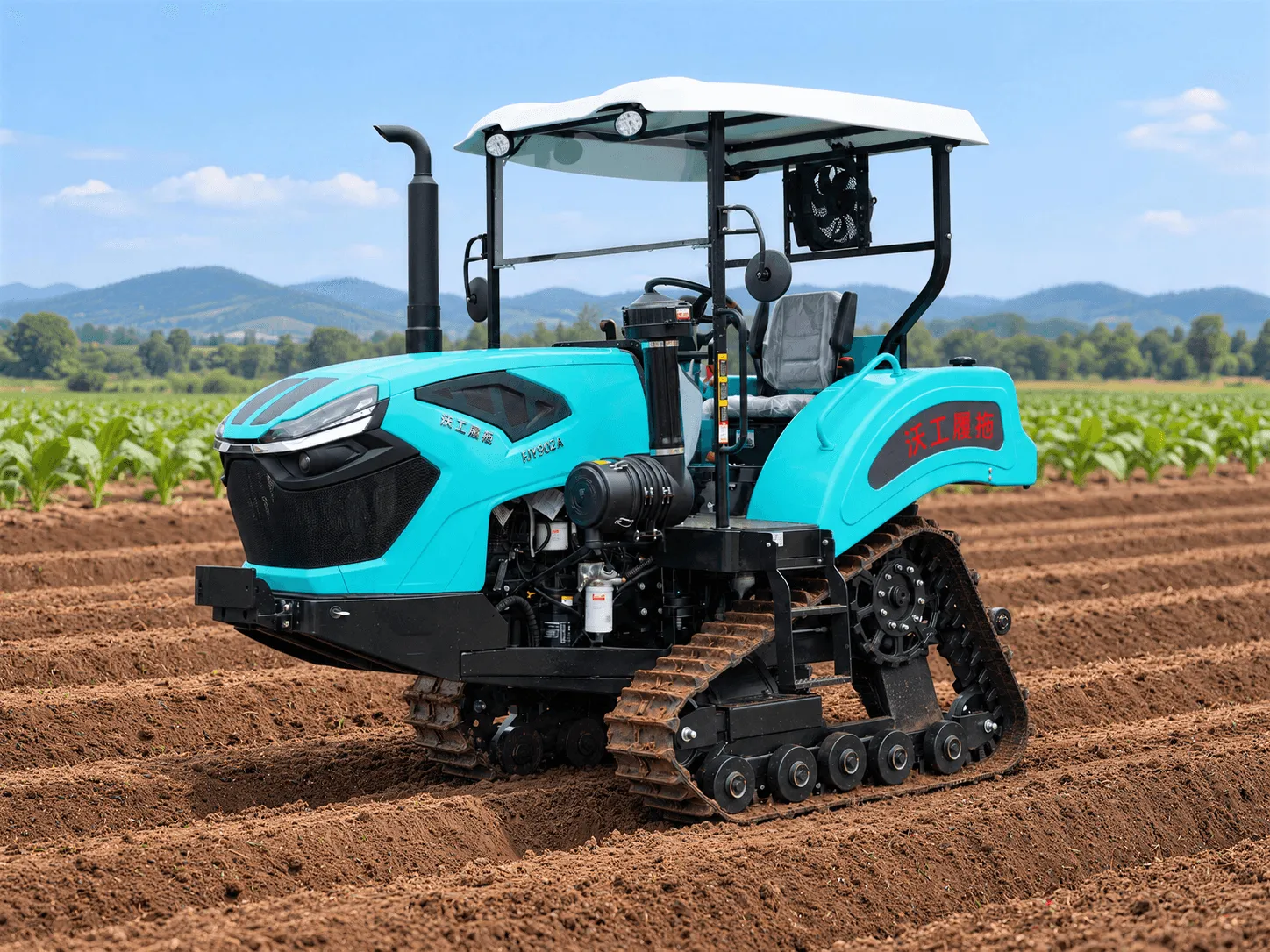
A Paddy Field Crawler Tractor is an agricultural tractor category built around crawler tracks rather than conventional wheels. The tracks provide a broad ground-contact area, which can help reduce ground pressure and support travel across soft or muddy fields when the machine is correctly configured for the terrain. It may suit rice growers, agricultural contractors, and farms that need traction in wet-field conditions. However, the keyword alone does not identify a specific model, and no product datasheet has been provided for this page. Engine output, operating weight, track dimensions, ground clearance, attachments, and working depth therefore cannot be confirmed. Buyers should first establish the field conditions and tasks the tractor must handle, then compare those requirements with a supplier’s verified specifications. Before requesting a quotation, prepare details about soil and water conditions, field access, intended implements, and any transport limits. These inputs help determine whether a particular crawler tractor configuration is suitable, rather than relying on the product category name alone.

Technical Detail

Configured around process stability, mold life, and long-term uptime.

For buyers evaluating a Paddy Field Crawler Tractor, the first distinction is its tracked undercarriage: crawler tracks distribute the machine’s weight over a longer contact area than typical agricultural tires. This design can be relevant in soft paddy soils, where traction and soil disturbance matter. Actual performance depends on the complete machine, including its operating weight, track width and length, powertrain, and track design; none of these model-specific values is available in the supplied product information. Agricultural Machinery Manufacturer & Supplier presents a high-end, innovation-focused brand profile, supported by a stated 68,000 m2 smart manufacturing base and an intelligent R&D approach described as designing for real-world challenges. Its materials also state that the company serves more than 150 customers and list CE among its certifications. These are brand-level details; they do not establish that a particular crawler tractor model has CE certification or verify any technical specification. The product category may be relevant to rice cultivation and other farm operations on soft ground, but suitability should be confirmed against the field, implement, and transport requirements. Ask the supplier for the exact model datasheet, applicable conformity documents, and configuration details before comparing machines or placing an order.

Hilly and Mountainous Areas Crawler Tractor

How Crawler Tracks Affect Paddy-Field Travel

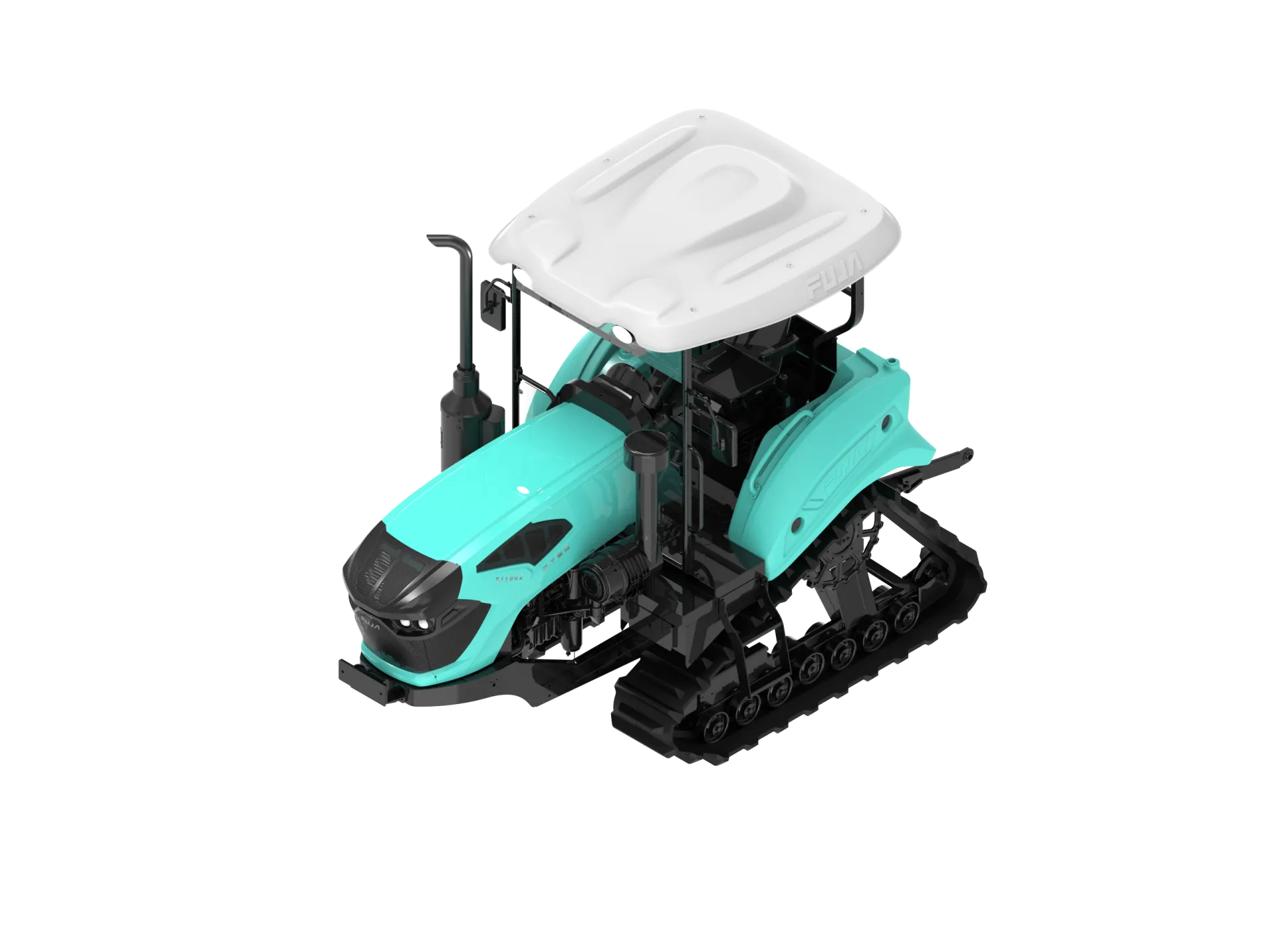
A crawler tractor uses continuous tracks to carry and propel the machine, instead of relying on individual rubber tires. Because the track contact area can be larger, the machine’s weight may be spread over more ground. That can help with flotation and traction on soft surfaces, but it does not guarantee that every tracked tractor will operate effectively in every paddy field. Track width, track length, total operating weight, tread design, and the condition of the soil all influence the result. Water depth and field preparation also affect movement. The available brand information describes intelligent R&D focused on real-world challenges, but it does not specify the undercarriage design or operating mechanism of a particular Paddy Field Crawler Tractor. Buyers should therefore treat the track concept as a category-level explanation, not as a verified feature list for a specific model. Request drawings or a technical datasheet that identifies the track dimensions and machine weight. Those details make it possible to assess how the tractor’s ground-contact setup relates to the intended field conditions.

Hilly and Mountainous Areas Crawler Tractor

Check Field Conditions Before Assessing Suitability

A Paddy Field Crawler Tractor may be relevant where soft, wet ground makes traction a concern, especially in rice-growing operations. Whether it is suitable depends on the conditions the machine will actually encounter. Record typical and difficult soil conditions, water depth during work, field gradients, turning space, access routes, and the distance between fields. Also identify the tasks and implements involved: a tractor used for one operation may face different traction, clearance, and power demands from one expected to perform several jobs. The supplied information does not state this product’s power, weight, clearance, permissible water depth, or compatible implements, so no operating limit can be assumed. These gaps matter: an unsuitable weight or track configuration can affect mobility, while an implement mismatch can limit practical use. Compare the site information with written specifications for the exact model, and ask the supplier to identify any operating restrictions. The brand reports a 68,000 m2 smart manufacturing base and more than 150 customers, but those company facts do not replace model-specific field validation.

Hilly and Mountainous Areas Crawler Tractor

Prepare a Useful Enquiry for the Right Configuration

Before asking for a quotation, send the supplier enough information to identify a suitable model or determine what remains unconfirmed. Include the intended crops and operations, field area, soil and water conditions, terrain, access and transport constraints, and the implements you plan to use. Ask for the model name and a current datasheet covering engine output, operating weight, track dimensions, ground clearance, fuel information, and implement compatibility. These values are not available in the supplied product details, so they need written confirmation rather than assumption. Request a clear list of standard equipment and available options, and confirm whether any quoted attachment is included in the proposed configuration. If CE documentation is relevant to your destination market, ask whether it applies to the exact tractor model and request the corresponding documents; the brand profile lists CE but does not identify a certified product. Agricultural Machinery Manufacturer & Supplier states that it has an intelligent R&D team and a smart manufacturing base. You can use an enquiry to clarify what configuration information and technical documents the company can provide for your application.

News

Industry updates

Products

Production modules

Why Choose Us

A Manufacturing and R&D Base for Agricultural Machinery

Agricultural Machinery Manufacturer & Supplier positions itself as a high-end agricultural machinery brand with an innovation-focused approach. Its stated 68,000 m2 smart manufacturing base gives buyers a concrete point to discuss production capabilities, while its intelligent R&D description emphasizes design for real-world challenges. The company also reports serving more than 150 customers, offering a broader company-level reference when assessing a potential supplier. CE appears in the supplied brand information; buyers should verify whether the relevant conformity documentation applies to the exact machine and destination market rather than treating a brand-level listing as product approval. For a Paddy Field Crawler Tractor enquiry, these company credentials are a starting point, not a substitute for technical evidence. Ask for a model-specific datasheet, configuration details, and relevant compliance documents. The company describes global service support, but no regional coverage, response time, or service terms were supplied. Confirm those arrangements for your location and intended use before purchase. This evidence-led approach lets buyers assess manufacturing, technical fit, and support without relying on broad claims alone.

FAQ

Common technical questions

What information should I provide to identify a suitable Paddy Field Crawler Tractor?

Share the field conditions, intended operations, planned implements, access constraints, and destination market. Then ask the supplier to match those needs against a specific model’s written specifications. No model or technical datasheet was included in the supplied product information.

Can I use a crawler tractor in every type of paddy field?

Not necessarily. Soil consistency, water depth, field gradients, access, machine weight, and track dimensions all affect suitability. Confirm the operating limits for the exact model and compare them with your normal and most difficult field conditions.

What should I check when comparing a crawler tractor with a wheeled tractor?

Compare verified operating weight, ground-contact dimensions, traction requirements, field conditions, transport needs, and implement compatibility. Tracks may be useful on soft ground, but the best choice depends on the task and the specifications of the individual machines.

Does the brand’s CE listing confirm that this tractor model is CE certified?

No model-specific conformity document was supplied. Ask the manufacturer whether CE documentation applies to the exact model and configuration, and request the documents relevant to your market.

Need a solution for your project?

Share your product type, target capacity, and application requirements. Our team can review the details and recommend a practical next step.

Contact Us




