EN
 HR


What to Verify in the Tracked Tractor Product Range
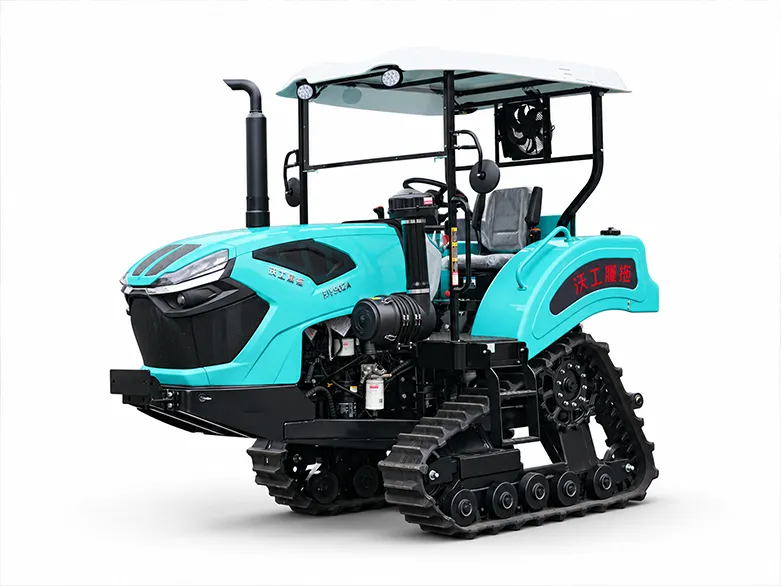
The available information identifies the company as an agricultural machinery manufacturer and supplier, but it does not confirm which small tracked tractor models are currently offered. It also gives no machine specifications, configuration options, or product photographs. That distinction matters during supplier screening: a broad agricultural machinery profile does not by itself establish that a particular tracked tractor is manufactured in-house or available for the intended market. Ask for a current catalog or model list that names each relevant tractor and distinguishes standard equipment from optional configurations. For each candidate, request a model-specific data sheet and product identification details. If an attachment, powertrain, or track arrangement is important to the application, have the supplier identify it in writing rather than infer it from a general brochure. The company describes intelligent R&D and a 68,000 m2 smart manufacturing base, which are useful subjects for a technical discussion, but the supplied profile does not connect those claims to a specific tracked tractor design. A buyer can use that gap as a focused first question: which models are designed and built by the company, and what documents identify the proposed machine? A clear, consistent answer helps establish whether the supplier’s actual product scope matches the inquiry.