EN
 HR


What the tracked layout means in field use
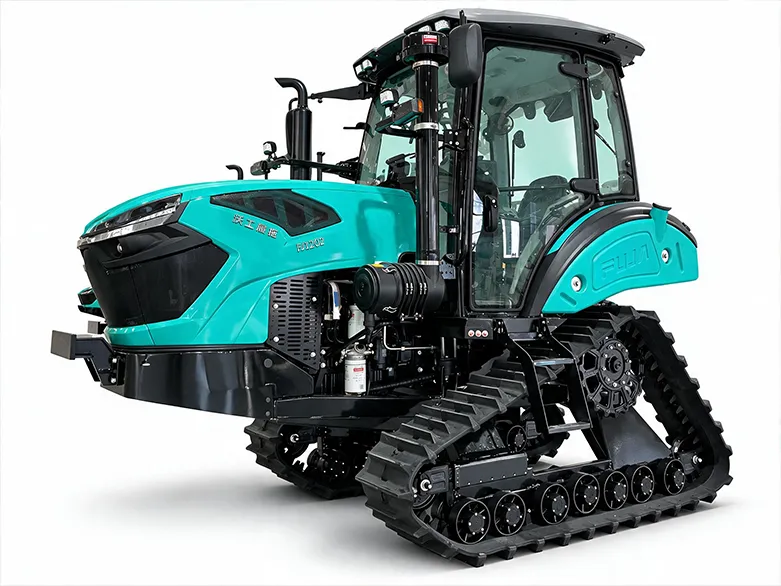
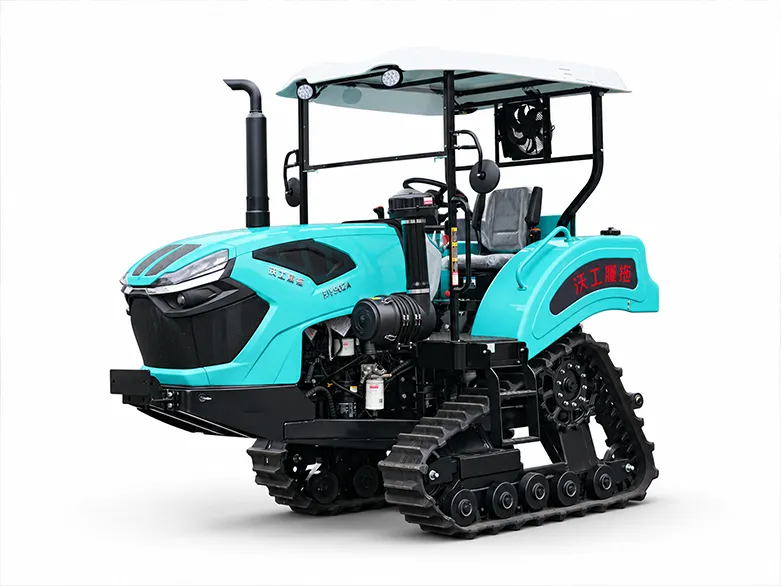
A tracked tractor moves through the contact between its tracks and the ground, rather than relying on individual tires. That distinction explains why buyers compare tracked and wheeled machines when ground contact and access matter. It does not, by itself, establish that a tractor will exert less pressure, climb a particular slope or work in a certain soil; those outcomes depend on the machine’s weight, track dimensions, power, design and operating conditions. The available information for Agricultural Machinery Manufacturer & Supplier does not specify the track material, track width, drive arrangement or undercarriage construction of a small tractor. Buyers should treat those as open technical questions. Ask for a drawing or specification sheet that identifies the track system, overall dimensions and operating weight, then relate these details to gateways, turning areas and transport arrangements on the farm. The company says its intelligent R&D team works on practical design challenges and that its manufacturing base uses smart manufacturing. Those statements describe the brand’s approach, but they do not replace model-level engineering data. For any proposed configuration, the most useful starting point is a clear explanation of how the machine is built and which components or attachments are included as standard.