EN
 HR

How a Tracked Tractor Differs in Field Contact
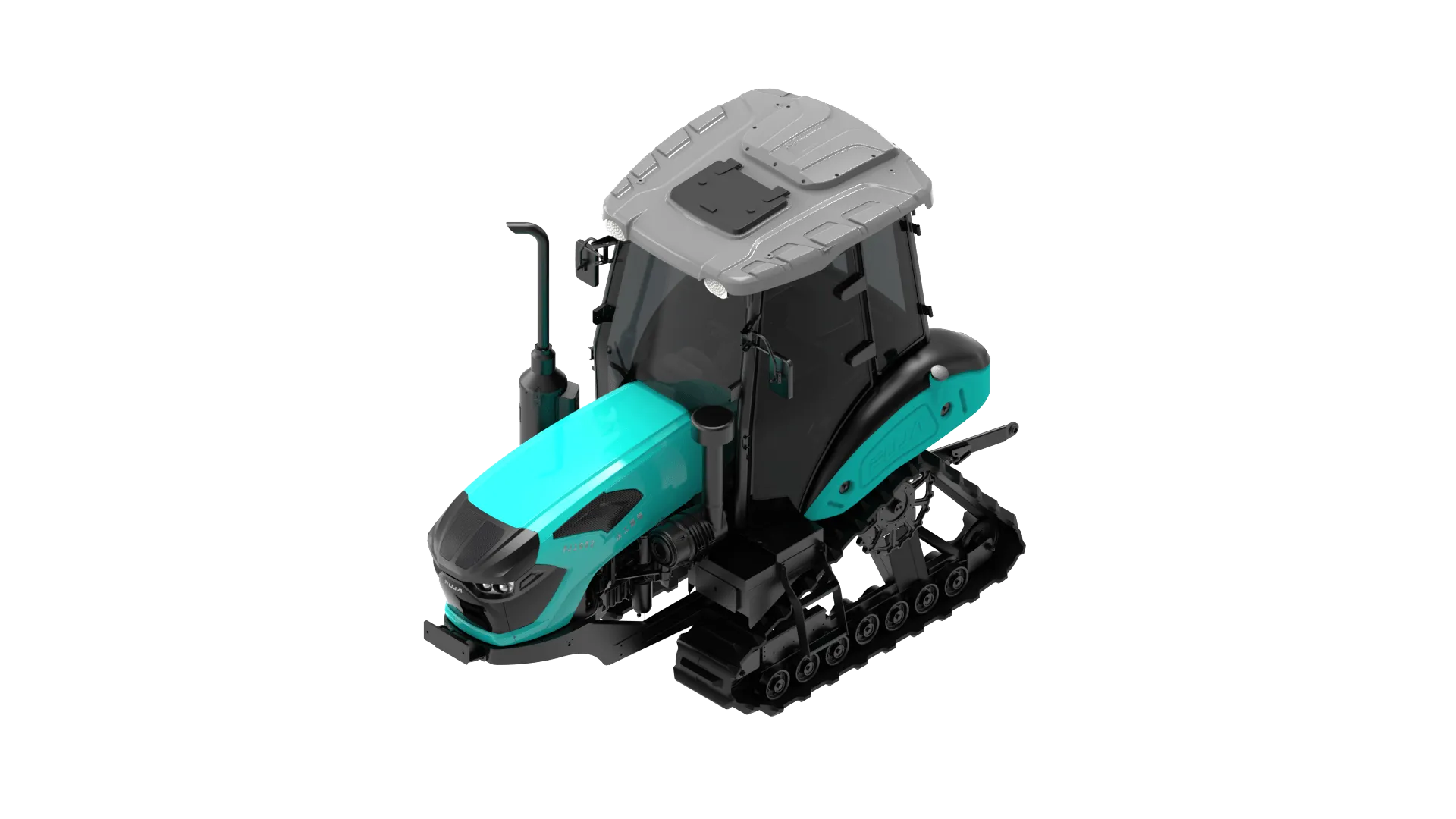
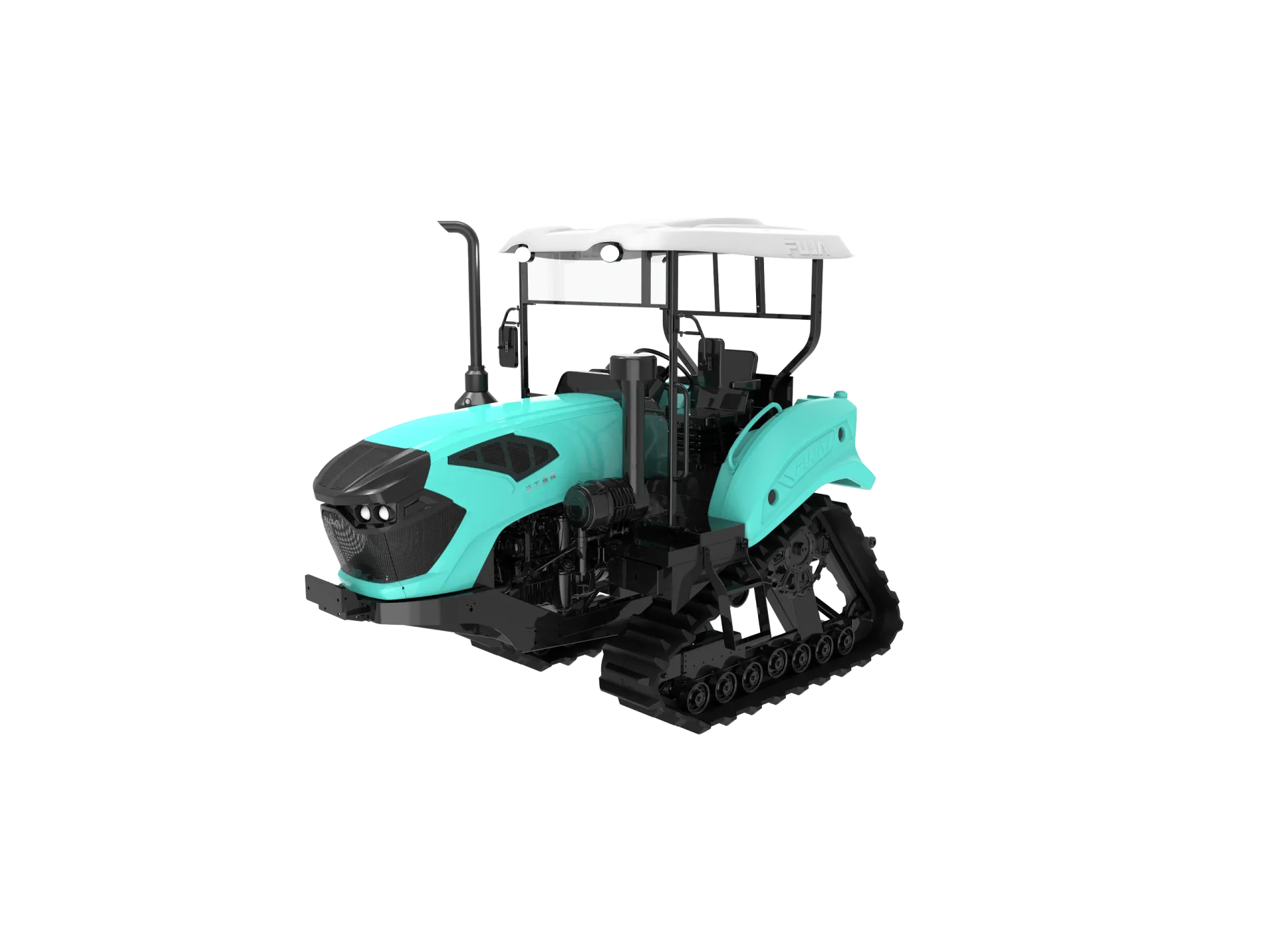
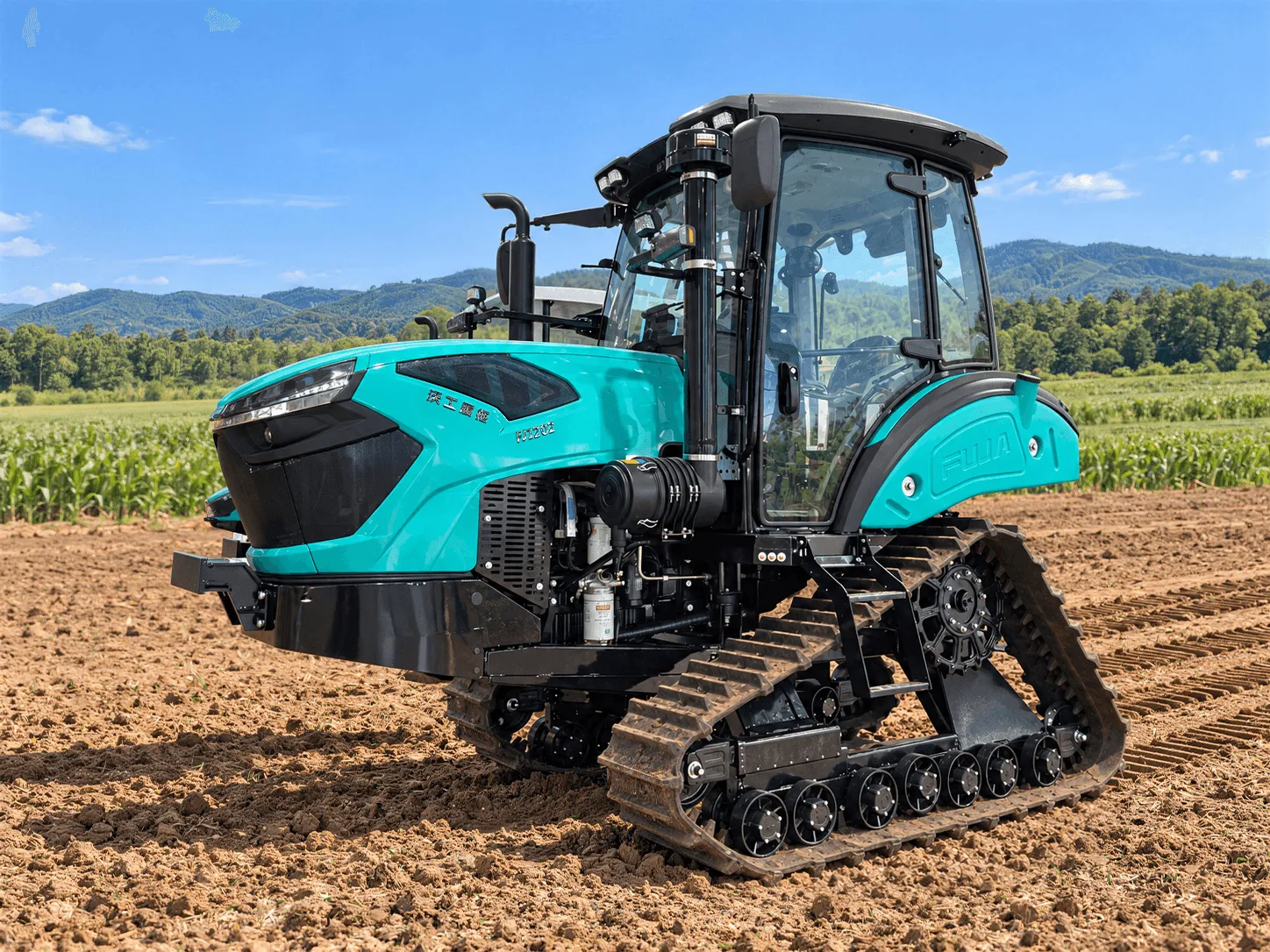
A farm track tractor moves on tracks instead of relying on tires alone. In general, the track system spreads the machine’s contact with the ground across a different footprint, which can influence traction and how the tractor interacts with the soil. The actual result depends on the tractor’s design, weight, track dimensions, soil moisture, and the task being performed. No track layout or ground-pressure figure is provided for the specific product in this request, so those details must come from the selected model’s technical documents. For a buyer, the useful distinction is not simply “tracks versus wheels.” It is whether the machine’s running gear suits the farm’s routes and operations, including turns, transport between fields, and work with the intended implement. Track design and drive configuration can vary by model, and the product name alone does not establish how a tractor will behave on a particular field. Our manufacturer profile notes intelligent R&D for real-world challenges, but buyers should still review model-specific drawings and specifications. Ask for the undercarriage description, operating weight, track measurements, and any stated restrictions before treating a tracked tractor as suitable for a given task.