Home » Electric Orchard Work Platform factory

Electric Orchard Work Platform Factory for Supplier Review

Electric Orchard Work Platform factory

Choosing an electric orchard work platform factory is a supplier qualification decision as much as a product search. Buyers need to establish whether a manufacturer can document the product scope, production controls, compliance status, and support relevant to their market. Agricultural Machinery Manufacturer & Supplier presents a 68,000 m2 smart manufacturing base, intelligent R&D, and a global service focus. The company also states that it serves more than 150 customers and lists CE certification. These are useful starting points for an initial review, but they do not by themselves confirm the specifications or conformity of a particular orchard platform. No platform model, rated capacity, working height, battery configuration, or test report has been provided here. Before moving to a quotation, ask the factory to identify the exact platform configuration and supply the records that apply to it. This page sets out practical evidence to request, so procurement and engineering teams can decide whether the supplier merits a deeper audit or a project-specific inquiry.

Technical Detail

Configured around process stability, mold life, and long-term uptime.

Agricultural Machinery Manufacturer & Supplier positions its operation around a 68,000 m2 smart manufacturing base and intelligent R&D. For a buyer evaluating an electric orchard work platform factory, those details provide context for a supplier discussion, not proof of a specific machine’s design or production readiness. The company also cites 150+ customers and describes its manufacturing approach as focused on precision builds. Buyers should verify how those capabilities relate to the proposed platform: request the product range, model identifiers, configuration options, and the factory’s explanation of which processes are performed in-house. No platform drawings, technical datasheets, production equipment list, or quality-control procedures were supplied for this page, so no working dimensions, load ratings, battery data, or inspection tolerances can be confirmed. CE is listed among the brand credentials; request the applicable declaration and supporting conformity documents for the exact product and configuration under review. A useful first-stage package should let engineering compare the proposed machine with orchard access requirements, while procurement checks that company, product, and document identities agree. If that evidence is available and internally consistent, the buyer can determine whether to proceed to a technical review, supplier audit, or formal inquiry. The factory’s scale and stated R&D focus make it reasonable to ask for this information; they should not substitute for it.

Electric Orchard Work Platform

What to verify in the manufacturing process

A smart manufacturing base can describe an operating environment, but supplier approval depends on seeing how work is controlled for the product being purchased. Ask Agricultural Machinery Manufacturer & Supplier to map the manufacturing route for the proposed electric orchard work platform, from incoming components through assembly and final release. The information provided identifies a 68,000 m2 base and a smart-manufacturing approach, but does not name machines, production lines, assembly steps, or inspection stations. Treat those as open questions rather than assumed capabilities. Request a process flow or equivalent explanation, and ask which stages are conducted at the stated facility and which, if any, depend on external suppliers. Then ask how workers identify the correct configuration during assembly and how nonconforming parts or rework are recorded. The answers should connect to the model offered, not only describe general factory practices. During a remote or on-site review, compare the described route with the equipment and records the supplier can actually show. This helps distinguish a documented production process from a broad manufacturing claim, without presuming that any particular machine or control system is in place.
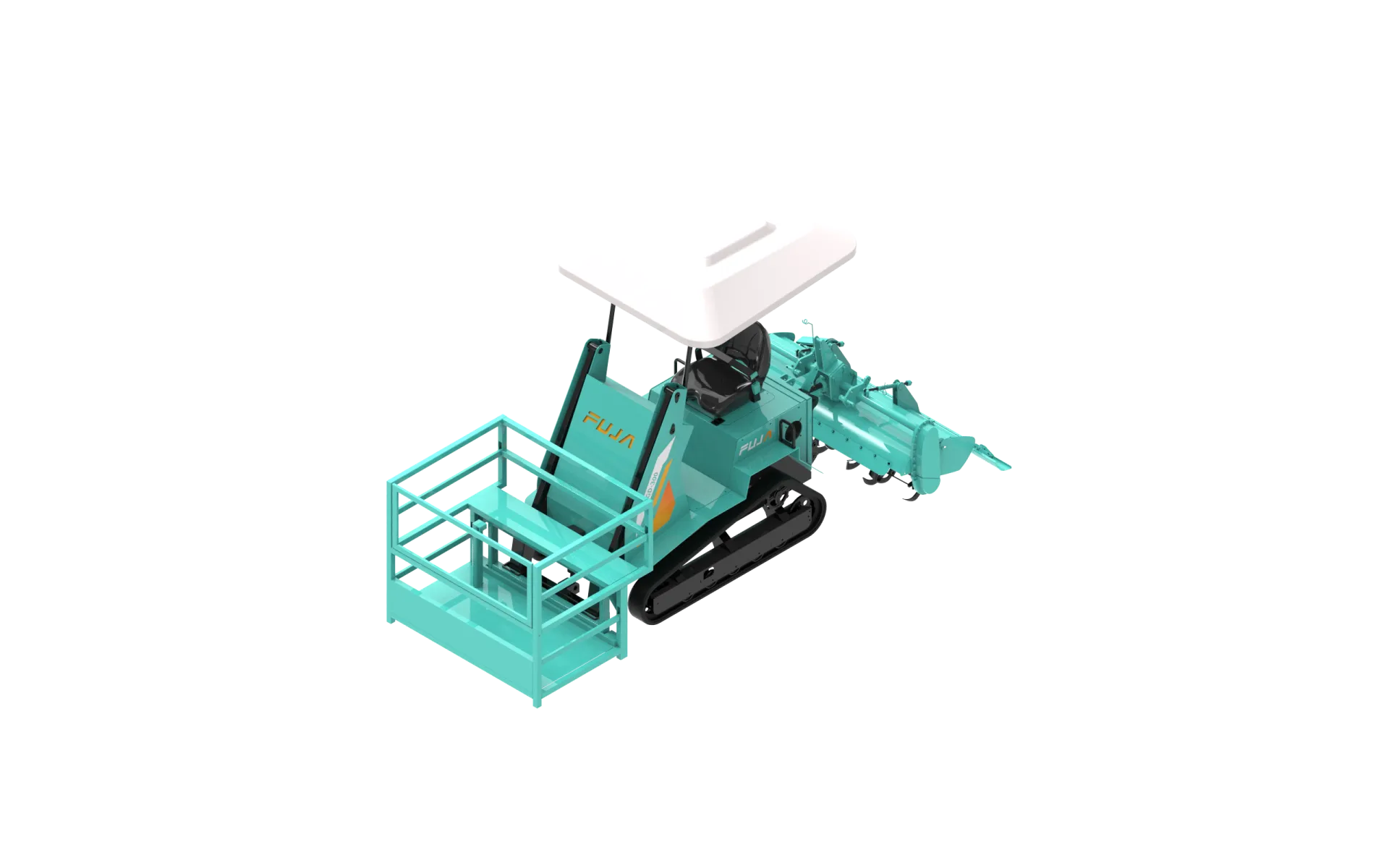

Electric Orchard Work Platform

Assess the evidence behind quality and compliance

For an orchard platform, quality review should connect the offered configuration to identifiable inspection and conformity records. The brand lists CE certification, but the information supplied does not specify the covered product, applicable declaration, standards, or test documents. Ask for the declaration relevant to the exact model and configuration, then check that the manufacturer name and product identifiers match the quotation and technical documents. Also request examples of final inspection records and ask what characteristics are checked before release. Do not assume that a general CE statement establishes every detail of a machine’s suitability for a particular country or use; confirm requirements with your compliance team for the destination market. If the factory cannot share a document before an NDA or formal project review, ask what can be provided at that stage and whether a redacted sample is available. For an initial supplier decision, look for traceability between the product offered and the evidence supplied. Missing or inconsistent records are a reason to pause and clarify, not an invitation to infer compliance from the factory’s size or customer count.

Electric Orchard Work Platform

Prepare a focused supplier inquiry

A useful inquiry gives the factory enough detail to identify a relevant configuration and return verifiable information. State the orchard conditions and task the platform must support, then request the available model range and a datasheet for each proposed option. Because no product specifications were provided here, do not treat any working height, rated load, platform dimensions, drive arrangement, or battery specification as established. Ask the supplier to confirm these against the actual model documentation. Include the destination country and intended use so the team can identify applicable conformity paperwork; the brand lists CE, but the relevant product documents still need to be checked. For supplier screening, request a company and facility overview, a description of the production route, quality inspection examples, and references to the documents available for the proposed machine. Ask which configuration details can be adapted and which are fixed, rather than assuming customization is offered. Keep the first exchange focused on evidence and unanswered technical points. Once the records align and the operating requirements appear compatible, procurement can decide whether a formal quotation, factory audit, or further engineering discussion is the appropriate next step.

News

Industry updates

Products

Production modules

Why Choose Us

A manufacturing base with a clear path to verification

Agricultural Machinery Manufacturer & Supplier gives prospective buyers several concrete starting points for supplier qualification: a stated 68,000 m2 smart manufacturing base, intelligent R&D, a reported customer base of more than 150, and CE listed among its credentials. The company describes its R&D as addressing practical challenges and its manufacturing as focused on precision. Those claims are relevant when assessing a factory, but a buyer should connect them to the electric orchard work platform under consideration. Ask the team to show product-specific technical files, applicable conformity documents, and quality records before treating general capabilities as evidence of machine performance. The stated global service focus is also worth discussing during qualification: confirm which support channels and documentation are available for your destination and intended application rather than assuming a particular service arrangement. This evidence-led approach lets engineering and procurement judge whether the supplier has the product scope and records needed for the next stage. The available information supports an initial review, not a conclusion about platform specifications, delivery terms, or service commitments. A project-specific response can establish whether a deeper audit or inquiry is warranted.

FAQ

Common technical questions

Does the CE certification listed apply to the electric orchard work platform I am considering?

That cannot be confirmed from the information available. Ask for the CE declaration and supporting documents that identify the exact platform model and configuration, then verify that the documents match the product offered and your destination-market requirements.

What should I request before arranging a factory audit?

Start with the proposed model range, a product datasheet, a manufacturing process overview, sample final-inspection records, and the applicable conformity documents. The factory states it has a 68,000 m2 smart manufacturing base, but an audit should verify the processes and records relevant to your specific machine.

Can the factory customize the platform for my orchard?

Customization options have not been specified. Describe your terrain, row spacing, work tasks, and operating conditions, then ask which dimensions or configurations can be changed and request written confirmation for any proposed adaptation.

What technical details should I compare between platform proposals?

Compare documented working height, rated capacity, platform dimensions, drive and steering arrangements, battery information, and any operating limits relevant to your orchard. These specifications were not provided here, so request them for each exact model rather than relying on general descriptions.

Need a solution for your project?

Share your product type, target capacity, and application requirements. Our team can review the details and recommend a practical next step.

Contact Us