EN
 HR

How Intelligent R&D Informs Product Development
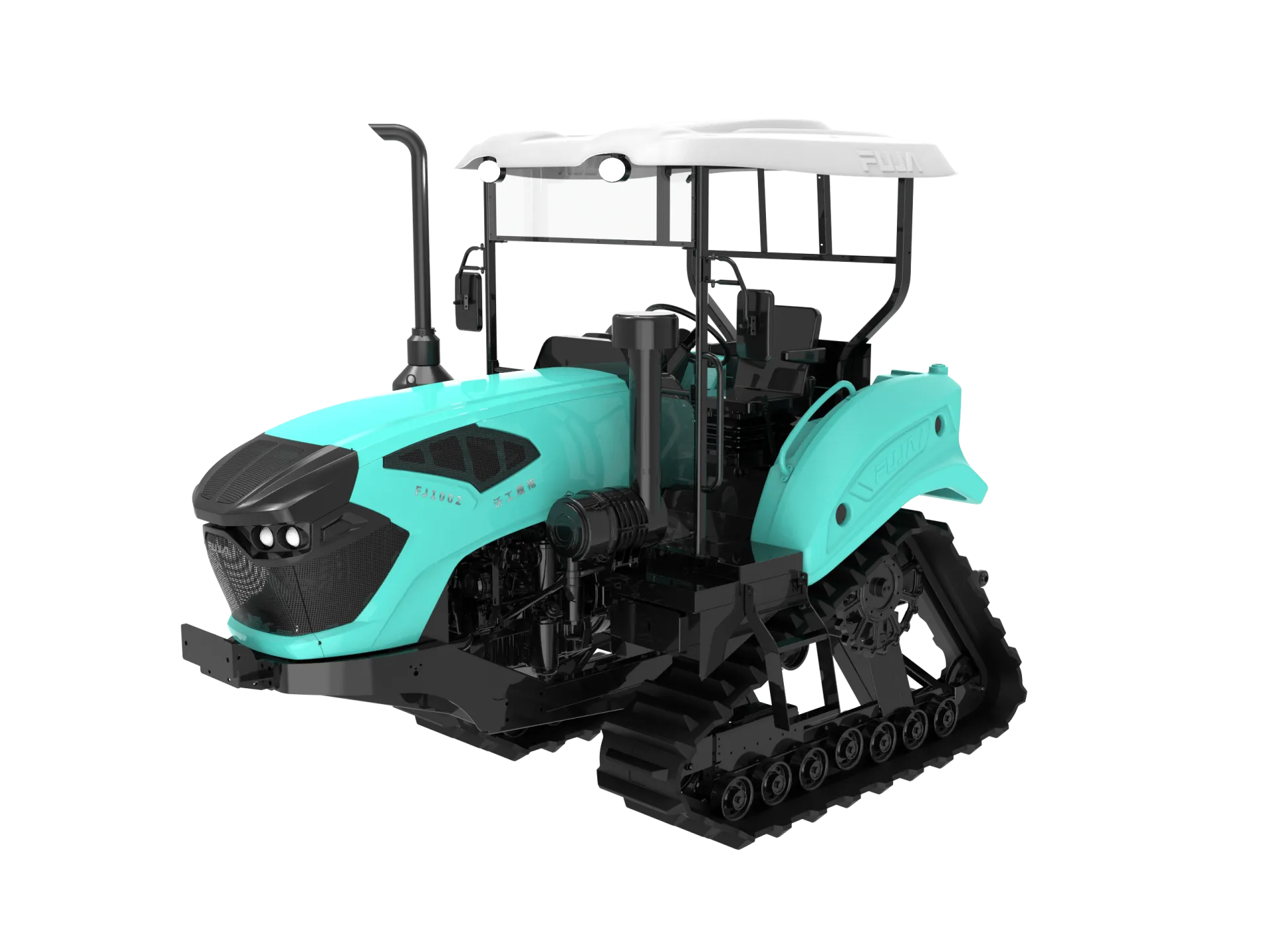
The manufacturer describes its R&D as intelligent and focused on real-world challenges. For a buyer evaluating a farm track tractor factory, that statement is a useful prompt for a technical conversation, rather than proof of any particular design feature. Ask how the team translates the operating conditions you describe into a proposed configuration, and request the supporting documents that exist for that model. These might include a specification sheet, drawings, or other technical records, if available. Keep the discussion tied to your actual use case: terrain, expected work, and any interface or operating requirements. Then check that the proposed machine documentation corresponds to the configuration being discussed. The information provided does not identify a specific tractor range, track design, power rating, or development process, so those details should be confirmed rather than assumed. A clear response linking your requirements to a defined product and its documentation is more useful at this stage than broad claims about innovation. It helps your engineering and procurement teams decide what needs further review before requesting a quotation.