

Home » small tracked tractors in Indonesia

Small Tracked Tractors in Indonesia for Farm Work

small tracked tractors in Indonesia

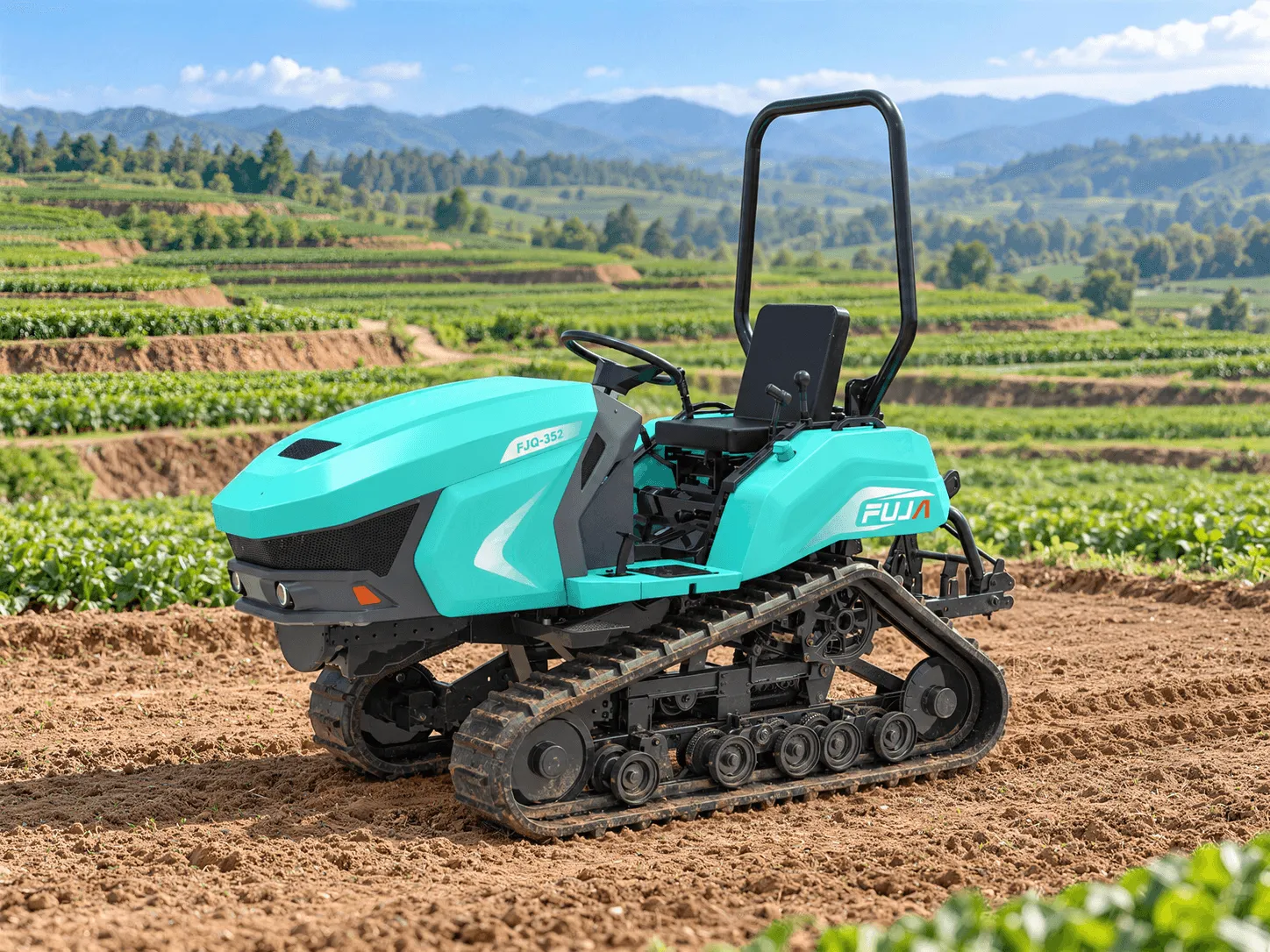
Small tracked tractors in Indonesia are a product category worth evaluating when farm work takes place on ground where traction, maneuverability, or access may matter more than travel speed. They are compact tractors that use tracks instead of conventional wheels; the exact design, capacity, and available equipment depend on the model. They may suit farms, plantations, or other agricultural operations seeking a compact machine, but the right fit cannot be confirmed without details about the land and tasks. The manufacturer behind this page describes itself as a high-end agricultural machinery manufacturer and supplier, with a 68,000 m2 smart manufacturing base, intelligent R&D, and global service. It also reports serving more than 150 customers and lists CE certification; buyers should verify which products and markets that certification covers. No model specifications are provided here, so this page does not assume horsepower, track width, implement compatibility, or operating limits. Before requesting a quotation, identify the work to be done, describe the terrain and access routes, and ask the supplier to confirm the proposed model’s specifications and documentation for Indonesia.

Technical Detail

Configured around process stability, mold life, and long-term uptime.

A small tracked tractor is a compact agricultural tractor that moves on tracks rather than relying on standard tires. The tracked layout is intended to provide a different contact pattern with the ground, but its actual traction, ground pressure, turning behavior, and working capacity depend on the machine’s design and operating conditions. Those figures are not available in the product information provided here, so they should be confirmed for each proposed model rather than inferred from the category name. This makes the product relevant to buyers who need a compact tractor for agricultural work and are assessing whether a tracked configuration suits their land and tasks. The manufacturer positions itself as a high-end agricultural machinery supplier and identifies three capabilities: intelligent R&D, smart manufacturing, and global service. Its stated manufacturing base covers 68,000 m2, and the company reports working with more than 150 customers. These are brand-level details, not specifications for a particular tractor. CE is listed among the brand’s certifications, but buyers should ask which model and conformity documents it applies to. For Indonesian procurement, request the exact model designation, technical datasheet, permitted operating conditions, included equipment, and applicable certification documents. A supplier can then assess the requirements against an actual configuration instead of relying on assumptions about what “small” or “tracked” means.

Mini Crawler Tractor

How the tracked layout differs from a wheeled tractor

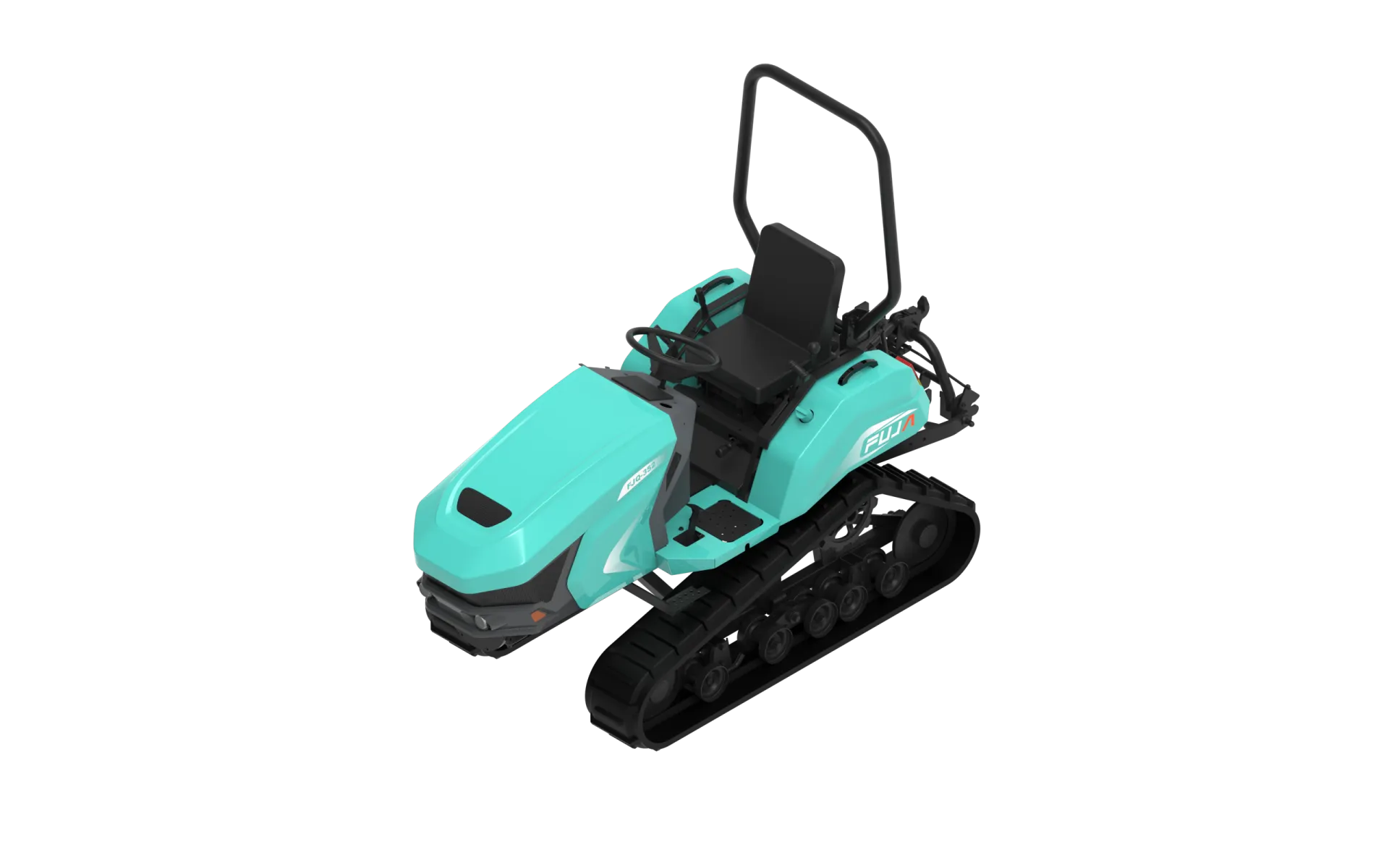
A tracked tractor supports and moves itself through continuous tracks rather than separate wheels. In general, the track assembly distributes contact along a longer footprint than a tire, while the drive system transfers power through the track mechanism. This describes the category, not a verified design specification for a particular model on this page. Track construction, suspension, drive arrangement, turning method, and ground contact area vary by manufacturer and model, so buyers should request drawings or technical documentation before comparing machines. The word “small” is also not a standardized size class: it does not establish engine output, overall dimensions, operating weight, or implement capacity. For that reason, a useful comparison starts with a model-specific datasheet and a clear list of the work equipment the tractor is expected to operate. Ask whether the listed machine is supplied as a base tractor or with attachments, and whether those attachments are included in the quoted configuration. The manufacturer says its R&D team focuses on practical design challenges and that its smart manufacturing base supports production. Those statements describe the brand’s approach; they do not replace evidence about the construction or measured performance of a specific tracked tractor.

Mini Crawler Tractor

Check terrain and task fit before assuming suitability

A tracked configuration may be worth investigating where a farm’s ground conditions or access make a wheeled machine less convenient, but the keyword alone does not establish that any particular tractor will suit Indonesian fields. Evaluate the actual route and work area: note slopes, soft or wet sections, narrow entrances, turning space, surface obstacles, and any road travel between plots. Then define the work cycle, including the task, operating hours, carried or pulled equipment, and expected working depth or load where relevant. These details help a supplier assess whether a proposed machine is within its documented operating limits. Do not treat tracks as proof that a tractor can operate safely on every soft surface or slope; limits depend on the model and conditions. Also consider practical constraints such as transport access, storage, cleaning, and the ability to obtain suitable replacement parts. The manufacturer lists global service as one of its strengths, but the available information does not specify local Indonesian coverage or response arrangements. Ask what support is available for the destination and confirm service and parts arrangements in writing. A sound assessment compares the farm’s conditions with model-specific instructions and limits, rather than relying on broad claims about tracked machines.

Mini Crawler Tractor

Prepare a model-specific inquiry

To get a useful response from the supplier, send a concise requirement brief rather than asking only for a price for “small tracked tractors in Indonesia.” Include the province or destination port, the main agricultural tasks, land area, terrain and seasonal ground conditions, access width, slope information if available, and the equipment the tractor must operate. Ask the manufacturer to identify the proposed model and provide its datasheet, overall dimensions, operating weight, engine and power details, track specifications, rated capacities, and stated operating limits. Request a written list of included and optional equipment, plus confirmation of compatibility with each implement you plan to use. The available brand information does not identify tractor models, attachments, prices, minimum order quantities, or lead times, so these points need direct confirmation. Ask which CE documents apply to the offered model and what documentation is available for import and use in Indonesia. The company reports a 68,000 m2 smart manufacturing base and more than 150 customers; neither figure determines the suitability of a particular configuration. Use the inquiry to establish exact technical scope, documentation, and support arrangements before comparing quotations.

News

Industry updates

Products

Production modules

Why Choose Us

A manufacturing-led partner for tracked tractor inquiries

The manufacturer presents itself as a high-end agricultural machinery supplier, with intelligent R&D aimed at practical design challenges and a 68,000 m2 smart manufacturing base. For a buyer evaluating a tracked tractor, those details provide a starting point for a technical discussion: request the proposed model’s drawings, specifications, quality documentation, and a clear account of how its configuration addresses the stated farm conditions. The company also reports serving more than 150 customers and identifies global service as part of its offering. Since the available information does not establish specific Indonesian service locations, spare-parts availability, or response times, confirm those arrangements for the destination before purchase. CE is listed in the brand information, but the certification’s scope is not specified; ask for documents that identify the relevant product and model. This approach keeps the discussion grounded in verifiable evidence. A supplier’s manufacturing scale and brand-level credentials can inform due diligence, while the final decision should rest on model-specific performance data, documented operating limits, applicable conformity papers, and support terms agreed for the order.

FAQ

Common technical questions

How should I compare a small tracked tractor with a wheeled tractor?

Compare the actual models against your terrain, task, travel route, operating weight, dimensions, and equipment requirements. A tracked layout alone does not establish better performance for every soil or job. Request datasheets and operating limits for both configurations before deciding.

Could a small tracked tractor work on a plantation or wet field in Indonesia?

Possibly, depending on the specific machine and site conditions. Share details about soil, seasonal moisture, slopes, access, and the work being done, then ask the supplier to confirm the model’s documented limits. No particular Indonesian application or model capability is specified in the information provided here.

What should I check before operating a tracked tractor on a slope?

Use the model’s operator documentation to check permitted slope conditions and operating procedures. Confirm the ground is suitable, assess the route and load, and do not assume that tracks make steep or slippery ground safe. The allowed operating limits must come from the tractor’s documentation.

Which information should I send to get a suitable configuration recommendation?

Provide your location, tasks, terrain, access dimensions, expected loads or implements, and any relevant slope or seasonal ground conditions. Ask for the model designation, datasheet, configuration details, certification documents, and confirmation of service arrangements for Indonesia.

Need a solution for your project?

Share your product type, target capacity, and application requirements. Our team can review the details and recommend a practical next step.

Contact Us




