Home » Seedling Sowing Machine

Seedling Sowing Machine for Your Nursery Operation

Seedling Sowing Machine

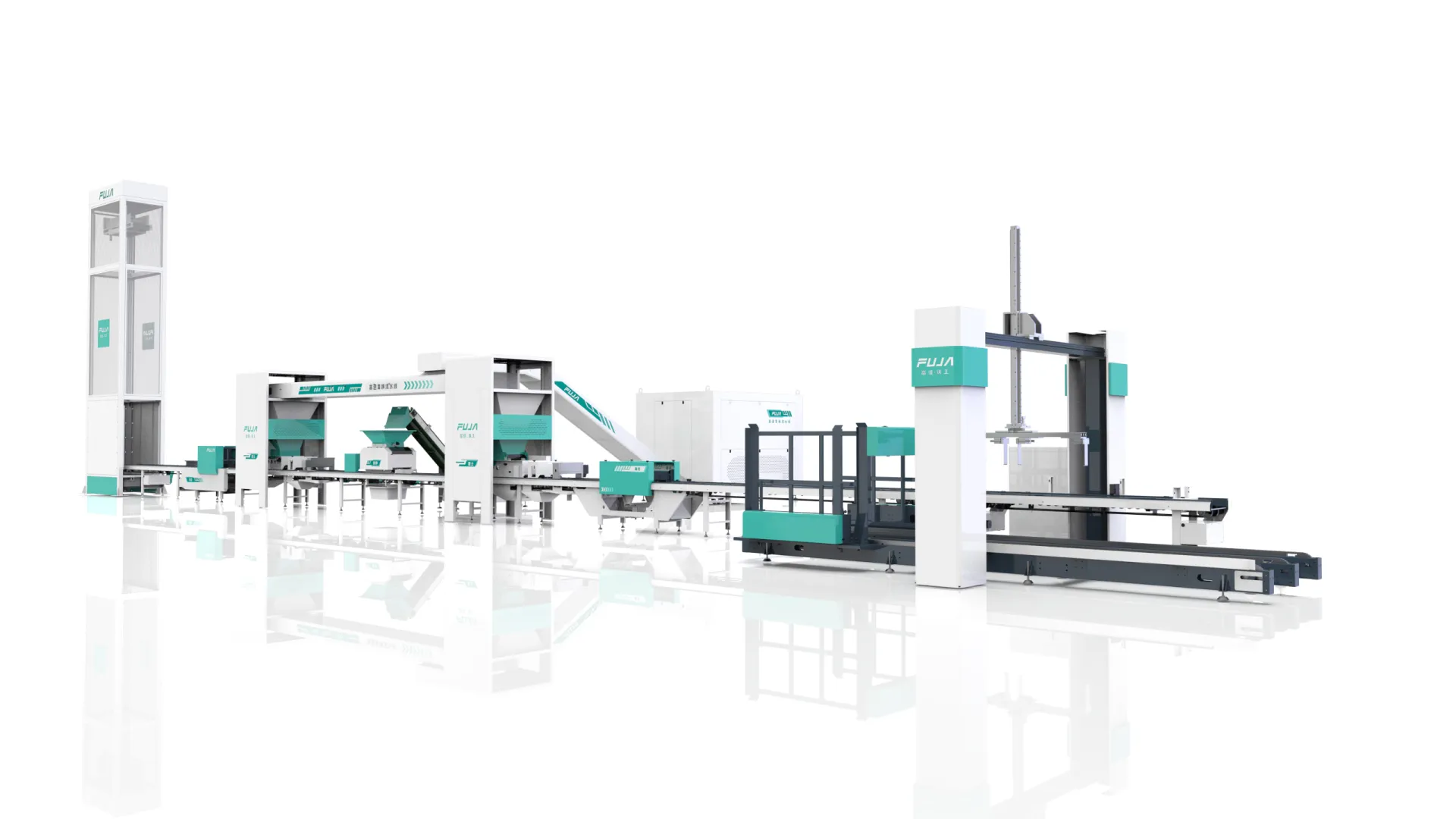
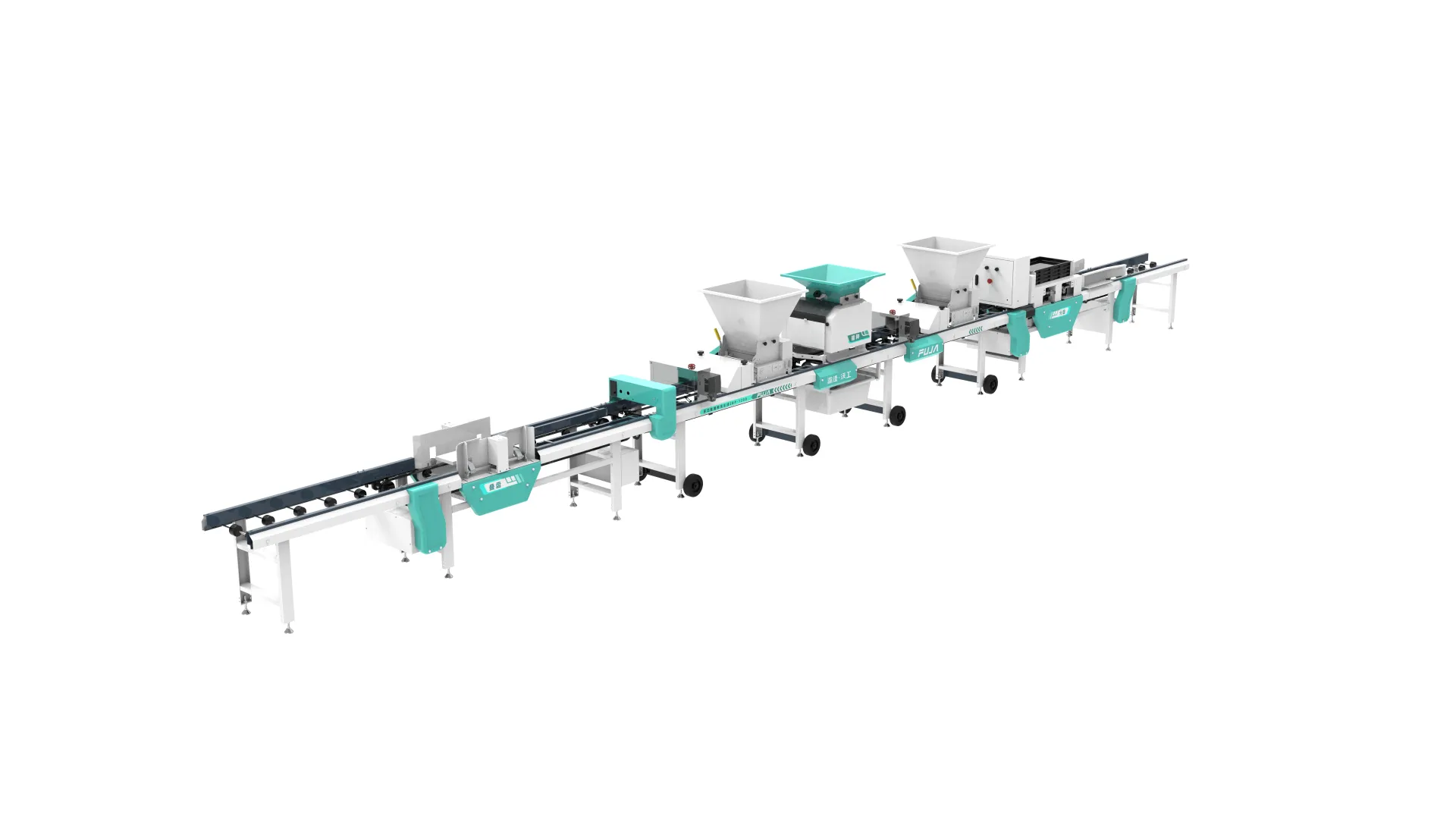
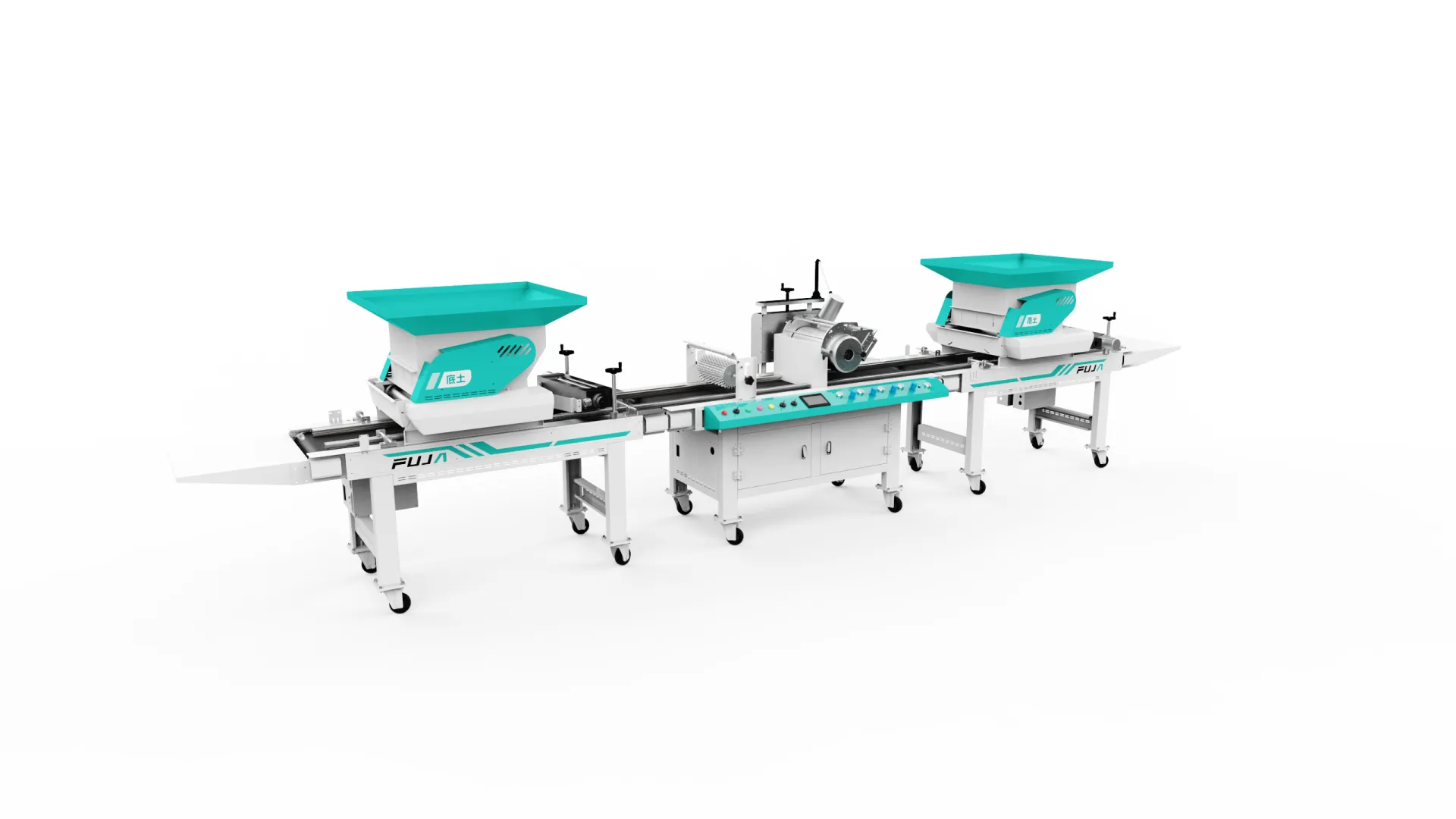
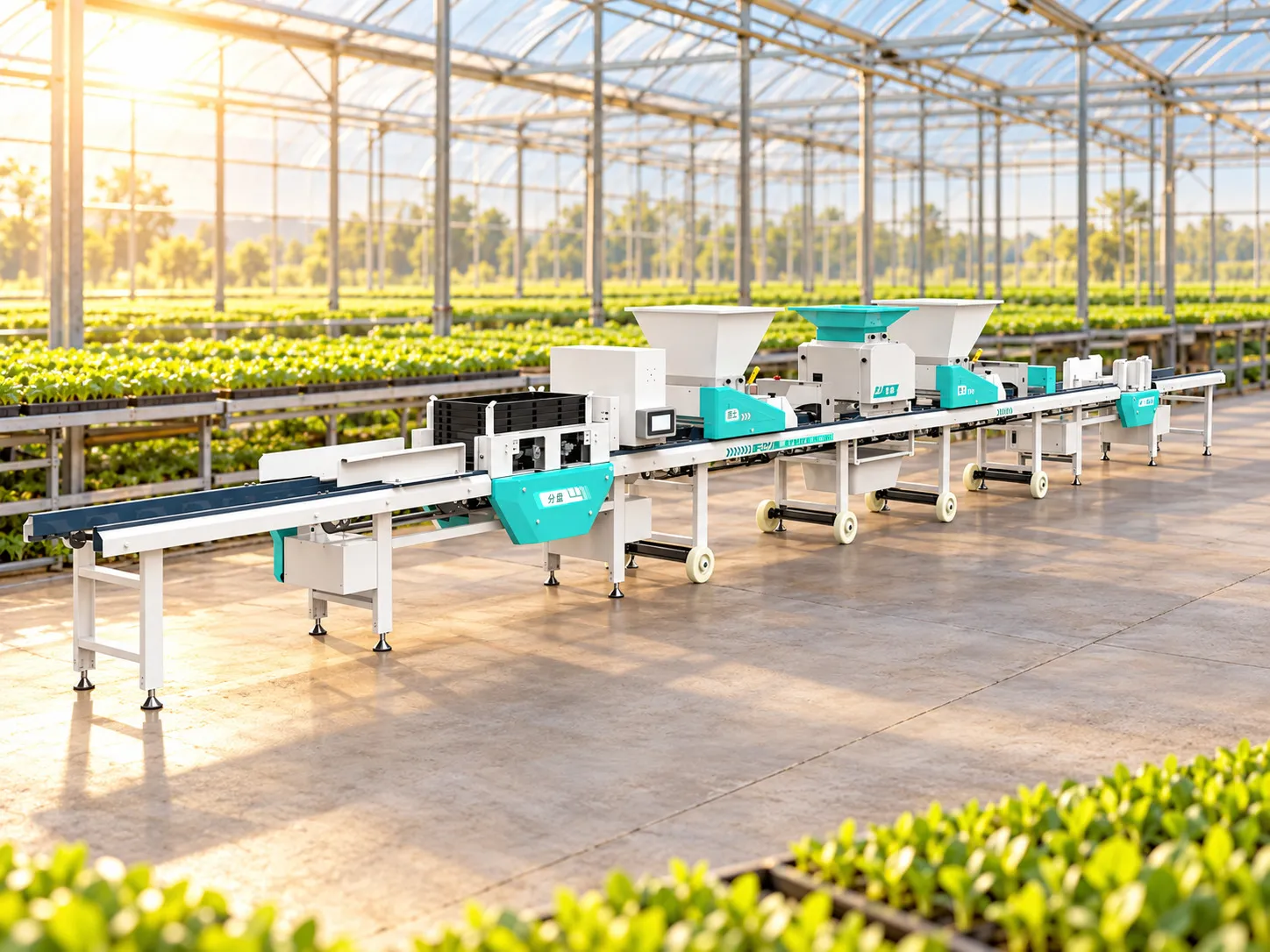
A Seedling Sowing Machine places seeds into trays or other growing media as part of a nursery’s propagation workflow. It is intended for growers and agricultural businesses that need a repeatable sowing process, but the right machine depends on details that are not provided here, including seed type, tray format, and the level of automation required. These factors affect whether a particular setup can handle the crop without extra preparation or manual correction. Agricultural Machinery Manufacturer & Supplier presents itself as a high-end, innovation-focused manufacturer, with a 68,000 m2 smart manufacturing base and a stated customer base of more than 150. Those company details provide context for a supplier discussion; they do not establish the specifications of a specific sowing machine. Before requesting a recommendation, prepare the crop list, seed characteristics, tray dimensions, expected operating conditions, and workflow requirements. This information gives the supplier a practical basis for confirming compatibility and identifying any details that still need technical review.

Technical Detail

Configured around process stability, mold life, and long-term uptime.

A Seedling Sowing Machine is a purpose-built piece of nursery equipment for placing seeds during seedling production. Depending on its design, sowing equipment may use different mechanisms to handle seeds and position them in trays, but no mechanism, model range, capacity, seed-size range, tray dimensions, or available configuration has been supplied for this product. Buyers should therefore treat these as questions to verify, not assumed features. Agricultural Machinery Manufacturer & Supplier describes its operation as high-end and innovation-focused and identifies a 68,000 m2 smart manufacturing base. The company also reports serving more than 150 customers. These are supplier-level facts, not machine performance specifications, so they should not be used to infer output, accuracy, or compatibility. CE is listed in the supplied brand information; confirm whether the exact machine model and its intended configuration are covered by applicable documentation before relying on this for a purchasing or compliance decision. For a meaningful product review, request the machine’s technical sheet and clarify its seed-handling method, compatible tray formats, operating requirements, and any configuration options. A supplier can then assess the proposed crop and nursery workflow against documented machine details. This keeps the decision grounded in verifiable information rather than generic expectations about seedling sowing equipment.

Rice Seeding Machine

How to Define the Sowing Task

Start by describing what the Seedling Sowing Machine needs to do in your operation. Identify the crops and seed types involved, whether the seeds are similar in size and shape or vary across the production schedule, and how trays enter and leave the sowing stage. These details help establish the handling task that a machine must perform. The product information available here does not identify a specific sowing mechanism or explain how seeds are metered or placed, so do not assume that one design suits every seed. Ask the supplier to explain the proposed machine’s operating principle and to provide documentation showing how it handles the seed types you use. Tray format is another part of the task definition: share the tray’s dimensions and cell layout rather than describing it only as a standard nursery tray. Agricultural Machinery Manufacturer & Supplier cites intelligent R&D focused on practical design challenges. For a technical discussion, translate that claim into specific questions about the machine: what components perform the sowing operation, what adjustments are available, and which parts of the process require operator input? Answers tied to a model or technical document will make the machine easier to assess.
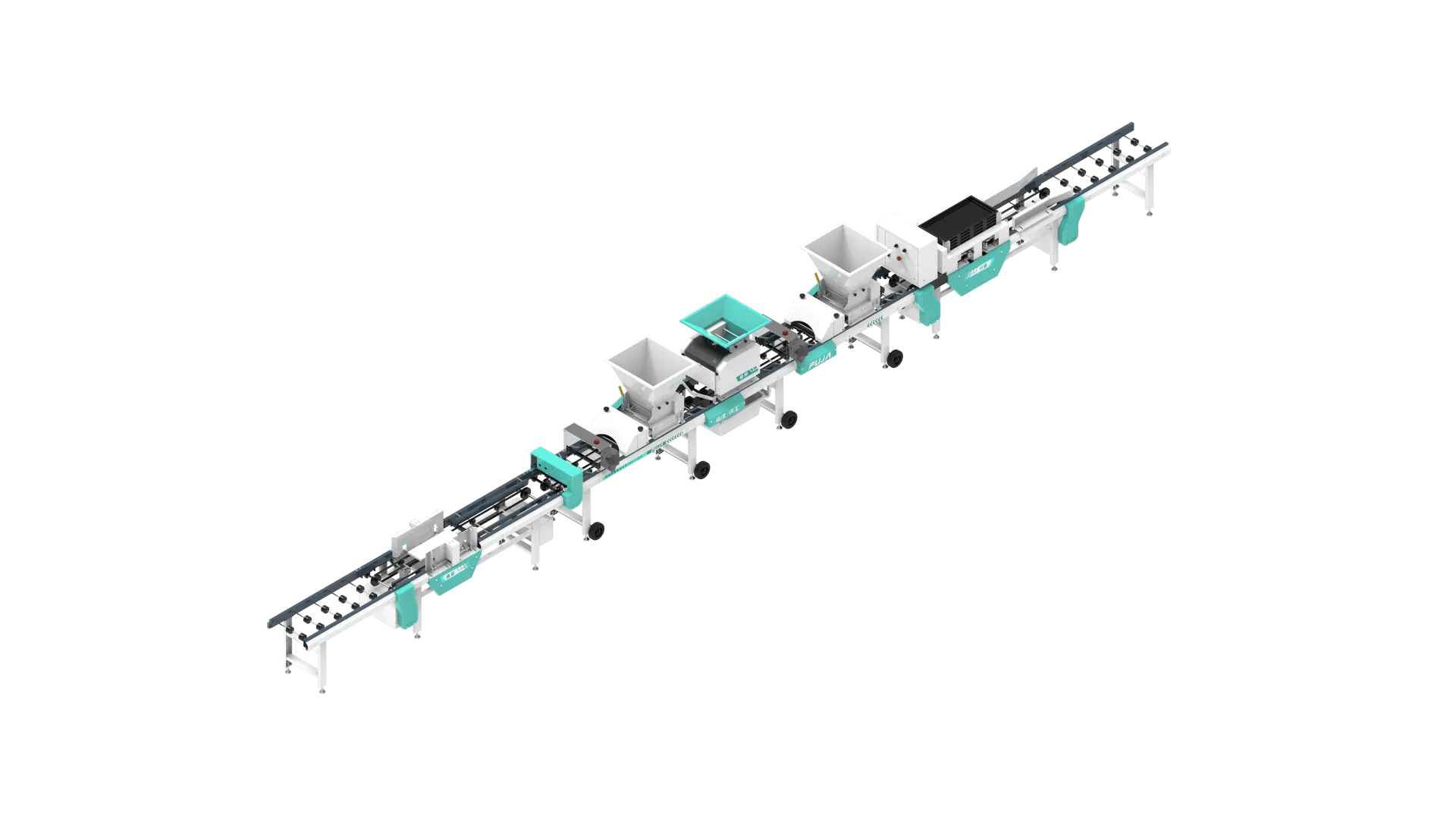

Rice Seeding Machine

Check Fit Against Nursery Conditions

A machine may be relevant to a nursery only if its documented operating limits match the actual production conditions. Before assessing fit, record the seed varieties and physical characteristics, tray materials and layouts, and the conditions in which the equipment will operate. Also describe how trays are prepared and what happens to them after sowing. These points help expose mismatches that a broad product description cannot resolve. No capacity, compatible seed range, environmental limits, or tray specifications have been provided for this Seedling Sowing Machine, so compatibility must be confirmed for the exact model under consideration. Ask the supplier to identify any limits on seed form, tray geometry, or required handling, and to distinguish confirmed compatibility from cases that need a trial or further engineering review. The manufacturer describes its production approach as smart manufacturing and precision-focused, but that statement does not establish a particular sowing tolerance or field result. For a sound assessment, request the supporting technical information and explain which operating conditions are fixed and which could be adjusted. If several crops or tray formats share the line, list each one; evaluating only the most common format may leave less frequent production runs unresolved.

Rice Seeding Machine

Prepare a Useful Machine Inquiry

A focused inquiry helps the supplier identify what can be confirmed and what needs more technical review. Include the crop and seed names, available seed samples or descriptions, tray dimensions and cell arrangement, and the expected production workflow. State whether the machine will run one crop or several, how often formats change, and what work is currently performed manually. If you have a target output, provide it as your requirement rather than treating it as a machine capability; no sowing rate has been supplied for this product. Request the exact model designation, a technical sheet, compatible seed and tray details, operating requirements, and a list of available configurations or attachments, if any. Ask for written confirmation of any compatibility claims that matter to your operation. The brand information lists CE, so include a request to confirm the status and scope of relevant documentation for the specific model and configuration being quoted. Agricultural Machinery Manufacturer & Supplier also reports a base of more than 150 customers, but this does not identify a comparable installation. If reference cases are important, ask whether the supplier can share an applicable example without assuming that one is available. This information gives both sides a clearer basis for the next technical and commercial discussion.

News

Industry updates

Products

Production modules

Why Choose Us

A Manufacturing Partner With Global Service Positioning

Agricultural Machinery Manufacturer & Supplier positions itself as a high-end agricultural equipment provider with an innovation-led approach. Its stated 68,000 m2 smart manufacturing base gives buyers a concrete point to explore during supplier qualification: ask how production controls apply to the specific Seedling Sowing Machine and which inspection records can be shared. The company describes intelligent R&D as focused on real-world challenges, a useful basis for discussing crop and tray requirements with its technical team, while the stated customer base of more than 150 offers general context without serving as proof of performance for this particular machine. The brand also describes a global service approach. Buyers should clarify what support is available in their market, which languages and channels are supported, and what documentation or troubleshooting assistance applies to the model under review. CE appears in the supplied brand information, but buyers should verify the relevant certificate or declaration and its scope rather than assume that every model or configuration is covered. This approach connects the company’s stated manufacturing, R&D, customer, and service strengths to checks that can be answered with product-specific evidence.

FAQ

Common technical questions

How can I compare two Seedling Sowing Machine models if neither has a published capacity?

Compare documented compatibility first: seed types, tray formats, operating requirements, and the adjustments each model supports. Ask both suppliers to explain how any stated output figure was measured and under what conditions. No model capacity is available in the information provided here.

Can one machine handle different seed sizes and tray formats?

That depends on the exact machine and configuration. Provide the supplier with the seed types and tray layouts you use, then request written confirmation of compatibility and any changeover requirements. No supported seed range or tray dimensions have been specified for this product.

What information should I send before asking for a quotation?

Include crop and seed details, tray dimensions and cell layout, expected workflow, operating conditions, and any output target you need the supplier to assess. Request a model-specific technical sheet, configuration details, and applicable CE documentation. Confirmed price and commercial terms should come from the supplier.

What should operators check before starting a sowing run?

Use the operating instructions for the exact model. Before production, confirm that the selected seed and tray format match the supplier’s documented compatibility, and follow the manufacturer’s setup and safety guidance. Those operating instructions have not been provided here, so do not rely on generic settings.

Need a solution for your project?

Share your product type, target capacity, and application requirements. Our team can review the details and recommend a practical next step.

Contact Us