

Home » small tractor with tracks factory

Small Tractor With Tracks Factory for Supplier Review

small tractor with tracks factory

Sourcing a small tractor with tracks factory is a supplier qualification decision as much as a product search. Before adding a manufacturer to your shortlist, buyers need to understand its production base, engineering approach, quality practices and ability to support overseas business. Agricultural Machinery Manufacturer & Supplier presents a 68,000 m2 smart manufacturing base, an intelligent R&D focus and global service positioning. The company also reports serving more than 150 customers and lists CE among its certifications. These facts provide useful starting points for review, but they do not establish which tracked tractor models are currently offered or what specifications are available. This page therefore focuses on the information a procurement team can verify before requesting a quotation. Use it to frame a supplier discussion around product scope, factory processes and compliance documents, then confirm each point against the intended machine and destination market. A clear exchange of requirements and supporting records can help determine whether the supplier merits a more detailed audit or technical inquiry.

Technical Detail

Configured around process stability, mold life, and long-term uptime.

Agricultural Machinery Manufacturer & Supplier positions itself as a high-end agricultural machinery partner, with a 68,000 m2 smart manufacturing base and an intelligent R&D program described as addressing real-world challenges. For buyers searching for a small tractor with tracks factory, these details indicate the scale and stated direction of the business, but they do not identify a particular tracked tractor range. No model list, engine data, track dimensions, rated capacity or production equipment details have been provided here, so those points should be confirmed directly rather than assumed. The company reports serving 150+ customers and describes its manufacturing approach as precision builds intended to support reliable performance. Its brand information also lists CE certification. Since no product-specific certificate or declaration has been supplied, buyers should verify whether CE documentation applies to the exact machine under consideration and request the relevant records for their market and configuration. The company’s global service positioning may be relevant to export procurement, but available service channels, coverage and response arrangements are not specified. For an initial supplier review, ask for the current tracked tractor product scope, technical datasheets, manufacturing and inspection evidence, and applicable compliance documents. Compare those records with your application and import requirements. This gives purchasing and engineering teams a factual basis for deciding whether to proceed to a quotation, remote review or factory assessment.

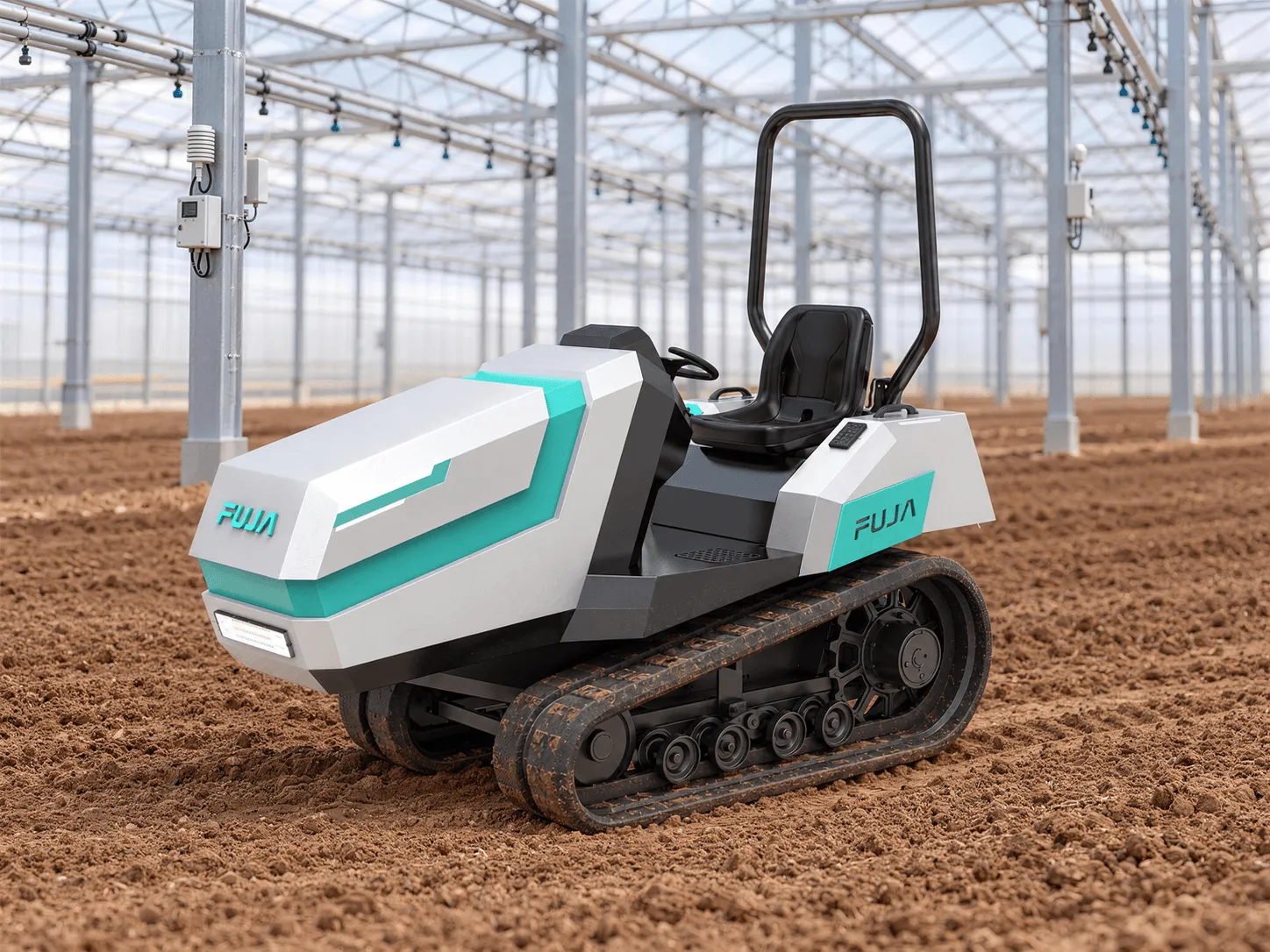
Electric Crawler Tractor

What to verify about the factory operation

A stated manufacturing footprint is a useful starting point, not a substitute for understanding how a specific tracked tractor is built. The supplier identifies a 68,000 m2 smart manufacturing base and describes its approach as precision manufacturing. The information available does not specify production lines, machinery, component sourcing, or the steps used to assemble small tractors with tracks. Buyers should ask the factory to map the process for the model being considered, from incoming components through assembly and final inspection. During an initial review, request a process outline and ask which operations are performed in-house and which depend on external suppliers. Clarify how production records connect a finished machine to its components and inspection results. If a remote or on-site factory review is possible, focus on whether the described process is visible and documented, rather than judging capability from facility size alone. The supplier’s intelligent R&D positioning can prompt a discussion about how design changes are assessed and approved; it is not, by itself, evidence of a particular engineering method. These questions help establish what the factory actually controls before a buyer invests time in model evaluation.
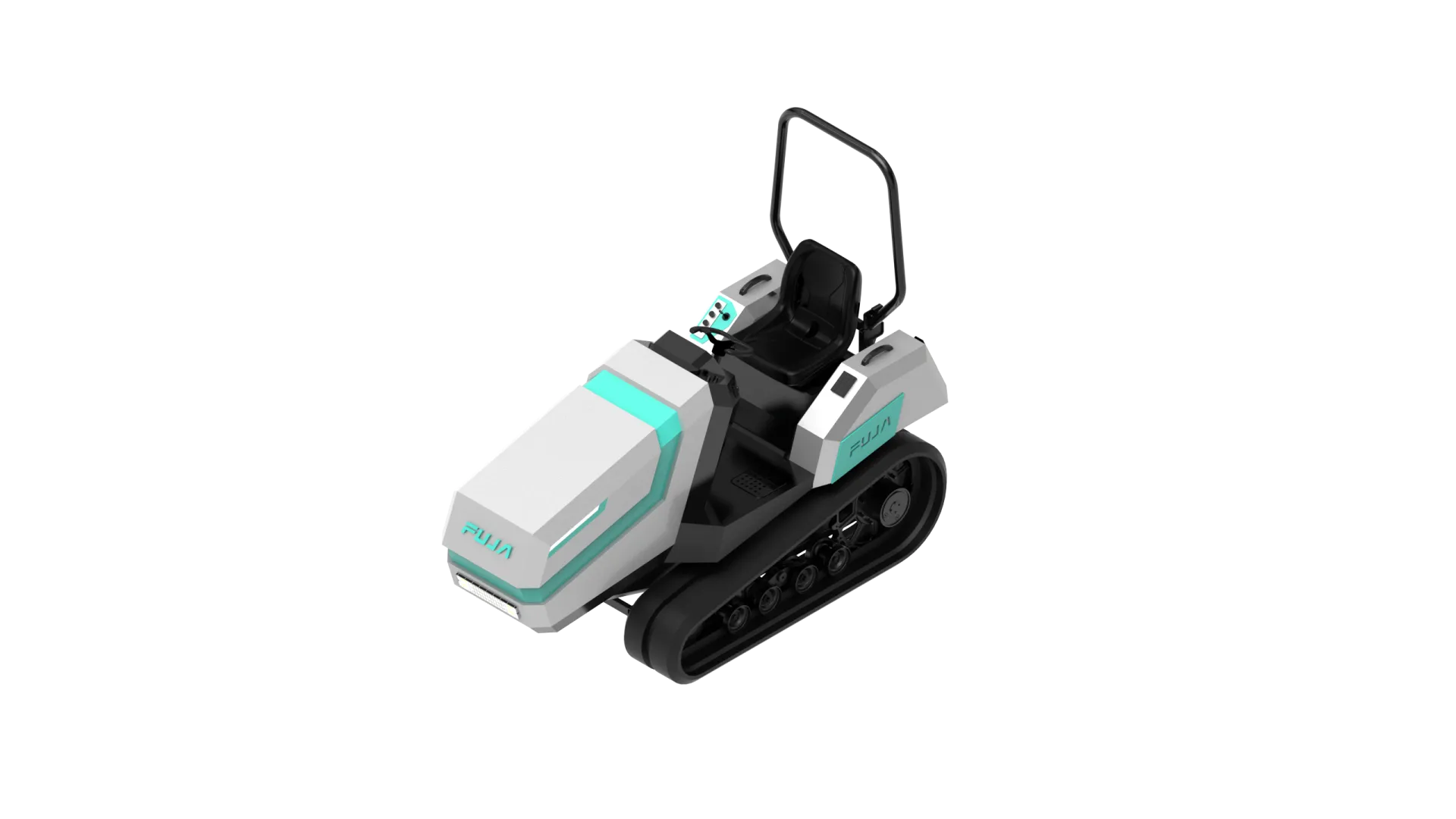

Electric Crawler Tractor

Check compliance against the destination market

CE appears in the company’s supplied brand information, but buyers should not treat a general certification claim as proof that every tracked tractor configuration meets the requirements for a specific destination. The relevant evidence depends on the machine, its intended use and the market where it will be placed. Ask for the applicable product-specific declaration and supporting compliance records, and confirm that the model designation and configuration match the documents. A useful review also checks whether any proposed changes affect the documentation. If the buyer requests a different attachment, control arrangement or other configuration, ask the supplier to explain whether the existing compliance evidence remains applicable or whether further assessment is needed. No product-specific CE file or technical specification has been provided with the current information, so this should be treated as an open verification item. Procurement teams can record each required document, its issuing entity, model reference and revision, then have their compliance contact assess it for the destination market. This process offers a more reliable basis for supplier qualification than relying on a logo or a broad statement alone.

Electric Crawler Tractor

Prepare a focused factory audit request

Before requesting a deeper review of a small tractor with tracks factory, send the supplier a short, written audit scope. Identify the intended machine or application, destination market, expected documents and the production or quality questions your team needs answered. Because no product range or inspection procedure has been supplied here, ask the manufacturer to confirm which tracked tractor models it currently produces and to provide the relevant datasheets before setting an audit agenda. For the factory review, request evidence tied to the proposed model: process records, inspection checkpoints, final test documentation and examples of traceability where available. Ask who is responsible for each control and how nonconforming parts or machines are handled. Keep the evidence request specific; a general presentation of the 68,000 m2 base does not establish the controls used on an individual product. Close the review by listing unanswered items, the documents needed to resolve them and the person responsible for follow-up. This creates a practical qualification record and helps your team decide whether to move to technical clarification or quotation without assuming unverified capabilities.

News

Industry updates

Products

Production modules

Why Choose Us

A manufacturer profile buyers can investigate

Agricultural Machinery Manufacturer & Supplier offers several concrete starting points for supplier qualification: a stated 68,000 m2 smart manufacturing base, an intelligent R&D focus, a reported customer base of 150+ and a global service positioning. The company describes its manufacturing approach as precision builds for reliable performance. These are useful points to explore with the team, particularly when a purchase involves an unfamiliar tracked tractor configuration or an overseas supplier relationship. The brand also lists CE among its certifications. Buyers should request the relevant product-level documents before drawing conclusions about compliance, since no specific tractor certificate or declaration is included in the information available here. Likewise, global service positioning should be followed by practical questions about support channels, parts and issue escalation for the buyer’s location. A supplier review can connect these claims to records, named responsibilities and the product actually under discussion. This approach keeps the conversation grounded: the company profile helps determine what to investigate, while verified technical and quality evidence determines whether the supplier meets the buyer’s requirements. Where the documentation aligns with the intended machine and market, the manufacturer may merit the next stage of evaluation.

FAQ

Common technical questions

What specifications should I compare between small tracked tractors?

Start with the application and compare model-specific technical datasheets, including power, operating dimensions, track configuration and any stated capacity relevant to your work. No tractor specifications are included in the information available for this supplier, so request confirmed figures for each model and compare like-for-like configurations.

Can I confirm that this factory offers a tractor for my intended application?

The current information does not identify specific tracked tractor models or approved applications. Send the supplier a description of the task, terrain and any required attachments, then ask it to confirm the matching model and provide its technical documentation before proceeding.

What should I send when requesting a quotation?

Include your intended use, destination country, required configuration or attachments, expected operating conditions and any documents needed for import or internal approval. Ask the supplier to identify the proposed model and return its datasheet and applicable compliance documents so the quotation can be reviewed against the same specification.

Need a solution for your project?

Share your product type, target capacity, and application requirements. Our team can review the details and recommend a practical next step.

Contact Us




