Home » Hilly and Mountainous Areas Crawler Tractor

Hilly and Mountainous Areas Crawler Tractor

Hilly and Mountainous Areas Crawler Tractor

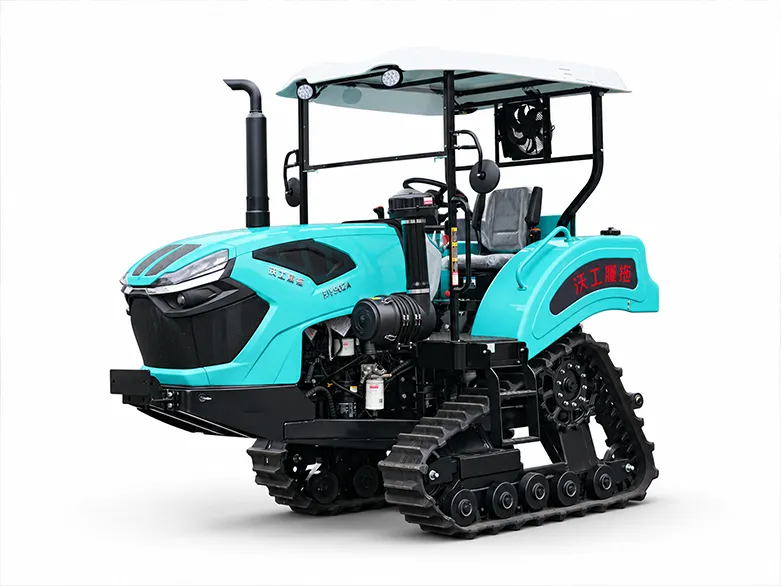
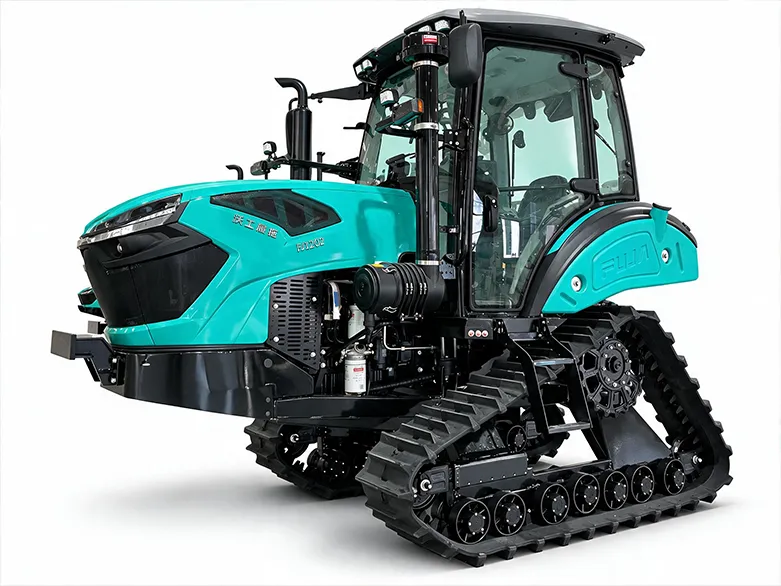
A crawler tractor for hilly and mountainous areas is intended for buyers assessing tracked agricultural equipment for sloping, uneven or otherwise difficult terrain. Typical buyers may include farms, agricultural contractors and machinery distributors seeking equipment for field preparation or related land work. The phrase alone, however, does not identify a specific model or confirm its limits. No product specifications, working-width options, engine details, track dimensions or attachment list have been provided for this page, so these should be confirmed before comparing machines. Terrain is especially important: slope, soil firmness, surface obstacles and access routes can all affect whether a tractor is appropriate for a particular job. Agricultural Machinery Manufacturer & Supplier describes its positioning as high-end and innovation-focused, with a 68,000 m2 smart manufacturing base, 150+ customers, intelligent R&D, smart manufacturing and global service. The company also lists CE certification, but buyers should verify which product and documentation it applies to. To start a useful technical discussion, outline the work, site conditions and required implements, then request model-specific specifications and applicable documents.

Technical Detail

Configured around process stability, mold life, and long-term uptime.

The Hilly and Mountainous Areas Crawler Tractor page is for buyers investigating tracked agricultural machinery for demanding terrain. A crawler tractor uses tracks rather than conventional wheels for ground contact; whether a particular model suits a site depends on its design and the operating conditions. The product information supplied for this page does not identify a model, engine output, operating weight, track configuration, slope limit or implement compatibility. Those details must not be assumed from the keyword alone. Agricultural Machinery Manufacturer & Supplier presents itself as a high-end, innovation-focused supplier. Its stated company profile includes a 68,000 m2 smart manufacturing base, more than 150 customers, intelligent R&D and smart manufacturing. These are company-level details, not specifications of a particular tractor. The brand also lists CE certification; before relying on it, ask for the relevant declaration or certificate and confirm that it covers the exact machine being considered. This product term may be relevant to farms or machinery businesses seeking equipment for work on sloped or uneven agricultural land, but suitability is site-specific. Ask the supplier to identify the available model and provide its technical data, intended applications, operating limitations and compatible configurations. A clear comparison should use documented specifications and the conditions of your own site, rather than relying on a broad product label.

Paddy Field Crawler Tractor

How crawler tracks relate to uneven farm terrain

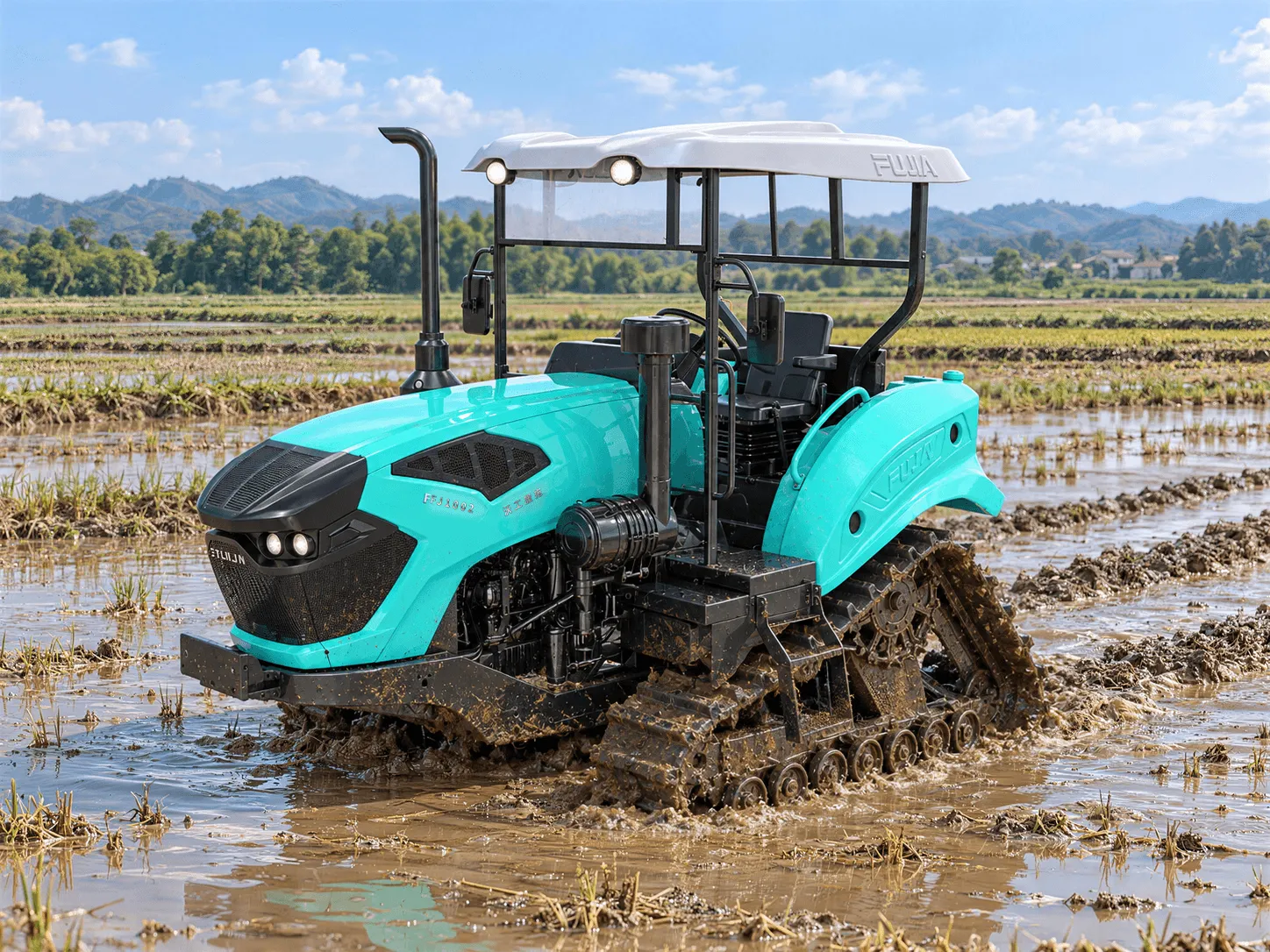
A crawler tractor is a tracked machine: its tracks provide the contact between the tractor and the ground. That basic structure distinguishes it from a wheeled tractor, but it does not by itself establish safe performance on a particular hillside. Track design, machine weight distribution, ground conditions and the way an implement loads the tractor can all matter. The available information for Agricultural Machinery Manufacturer & Supplier does not give track width, ground pressure, turning characteristics or a permitted gradient for a specific model. Treat those as questions for the technical data sheet, not as benefits to infer from the word “crawler.” For a meaningful discussion, describe the surface the tractor will travel over, including whether it is firm, loose, wet or interrupted by ruts and obstacles. Also explain whether the machine will travel across a slope, up and down it, or mainly work on flatter terraces. Ask the supplier to clarify the machine’s intended operating conditions and any stated restrictions. A written response tied to a named model is more useful than a general claim that a crawler tractor is suitable for mountainous areas.

Paddy Field Crawler Tractor

Check the site before judging suitability

The right assessment starts with the worksite, not with the product label. A farm with broad, stable terraces has different needs from a narrow hillside plot with soft soil, sharp turns or limited access. Before treating a crawler tractor as a candidate, record the steepest sections, the direction of travel, typical soil and moisture conditions, field access width, turning space and any transport constraints. Then match those facts against the manufacturer’s documented limits for the exact model. No slope rating, dimensions, weight or operating conditions have been supplied here, so suitability cannot be confirmed from this page alone. Consider the implement as part of the assessment: an attachment can change the machine’s load and working behavior, and compatibility has not been specified. If the work involves exposed edges, unstable ground or frequent cross-slope travel, ask the supplier to address those conditions explicitly and obtain operating guidance before purchase. Agricultural Machinery Manufacturer & Supplier states that its R&D focuses on real-world challenges; buyers can use a site-specific question to test how that claim translates into model information. Do not proceed on the basis of a general terrain description if essential limits remain unanswered.

Paddy Field Crawler Tractor

Prepare a model-specific inquiry

Before requesting a quotation or technical review, send the supplier enough information to identify a suitable configuration without assuming that a particular option exists. Include the country of use, intended agricultural tasks, terrain description, approximate slope conditions, soil and moisture, access width, expected operating hours and the implements you intend to use. Ask which crawler tractor models are currently relevant, then request the specification sheet for each candidate. Confirm engine and transmission details, operating dimensions and weight, track information, stated operating limits, implement compatibility, maintenance requirements and the documents supplied with the machine. These are items to verify, not confirmed features of the product described here. The brand lists CE certification, so ask for the documentation that identifies the certified product and applicable model; do not assume the listing covers every configuration. If you are buying as a distributor, clarify which market and end-use the inquiry concerns. Agricultural Machinery Manufacturer & Supplier also states that it offers global service, but the support available in your location should be confirmed directly. A complete inquiry gives both parties a practical basis for checking fit and identifying missing information before commercial decisions are made.

News

Industry updates

Products

Production modules

Why Choose Us

A manufacturer profile with engineering and production focus

Agricultural Machinery Manufacturer & Supplier positions itself as a high-end, innovation-focused agricultural machinery business. Its stated profile gives buyers several concrete points to discuss during supplier evaluation: a 68,000 m2 smart manufacturing base, a customer base described as 150+ customers, intelligent R&D aimed at real-world challenges, and smart manufacturing intended to support consistent production. The company also describes global service, which is relevant to buyers who need to establish how support works in their own market. These statements provide context about the supplier, but they do not replace model-level evidence. For a crawler tractor intended for hilly or mountainous work, request the technical specification, operating limitations, compatible implements and maintenance information for the exact configuration under consideration. The brand lists CE certification; ask for the applicable documentation and verify the covered product before treating it as a purchasing qualification. A practical evaluation can also include a discussion of how the supplier handles application questions and what local service arrangements are available. This keeps the decision grounded in the machine and the support that can be confirmed, rather than relying on broad company claims alone.

FAQ

Common technical questions

Is there a specified maximum slope for this crawler tractor?

No slope limit or model-specific operating data was provided. Ask the supplier for the stated limit and guidance for your exact terrain and travel direction before using the machine on a slope.

Can this tractor work on narrow hillside terraces?

That depends on the dimensions, turning space, access route, terrain and model configuration. Share the terrace width and site conditions, then confirm the machine’s dimensions and operating suitability with the supplier.

What should I send when asking for a suitable model?

Describe the agricultural task, slope and soil conditions, access width, expected use and intended implements. Request the model’s specification sheet, operating limits and implement compatibility details.

Does the CE certification listed by the brand apply to every crawler tractor model?

That cannot be confirmed from the information provided. Request the CE documentation for the exact model and configuration you are considering, and verify its scope with the supplier.

Need a solution for your project?

Share your product type, target capacity, and application requirements. Our team can review the details and recommend a practical next step.

Contact Us