Home » tracked agricultural platform

Tracked Agricultural Platform for Challenging Fields

tracked agricultural platform

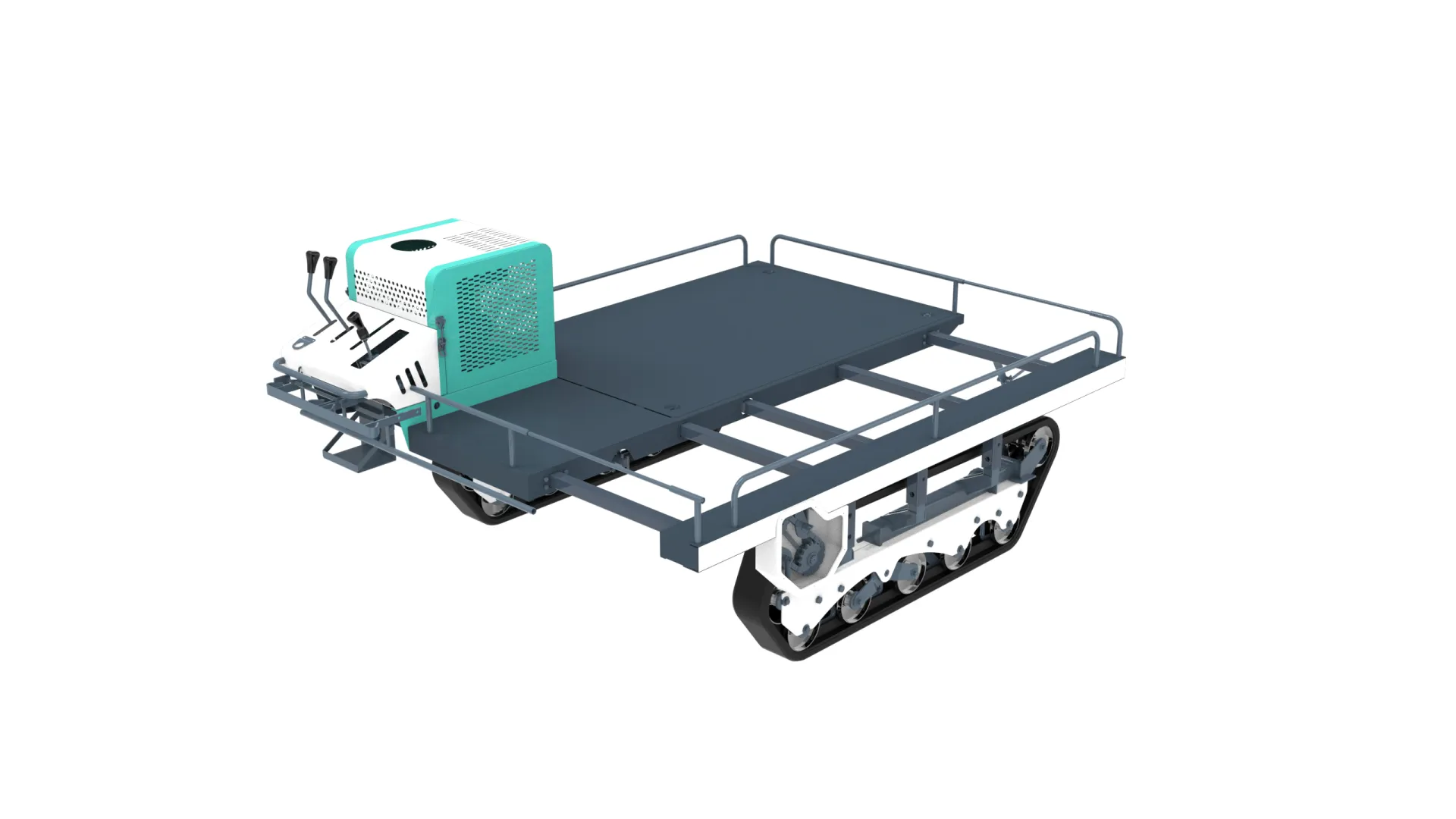
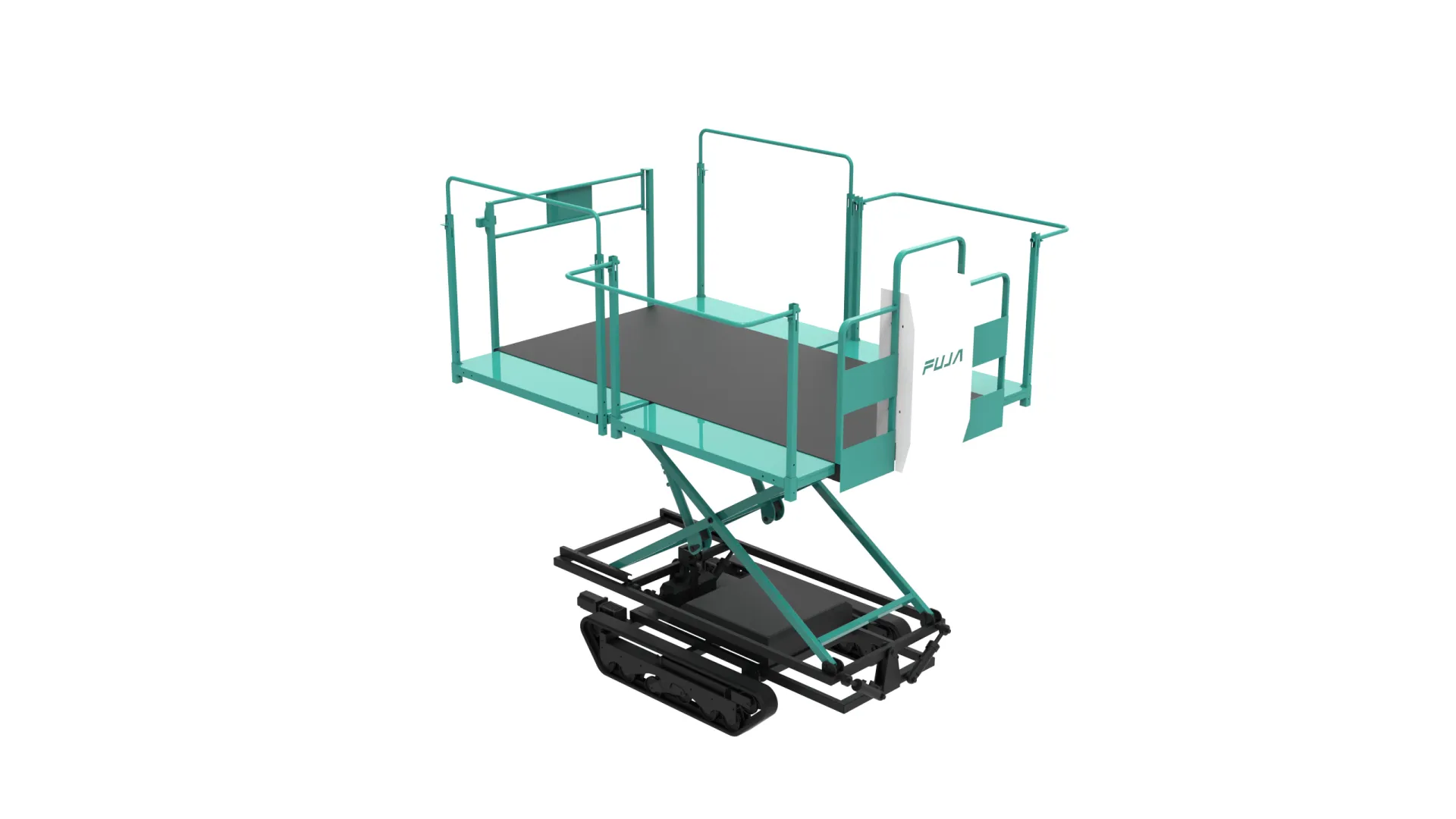
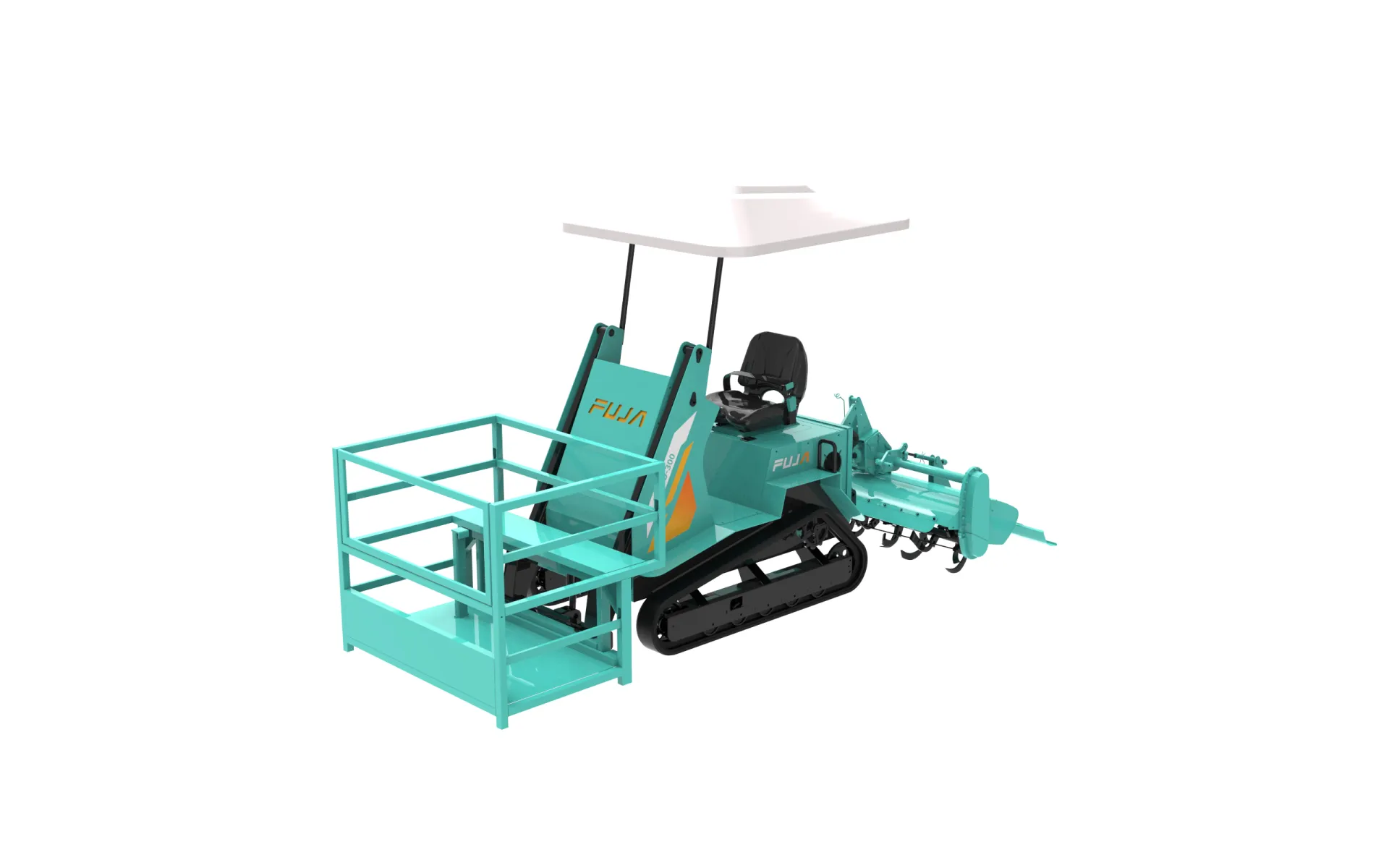
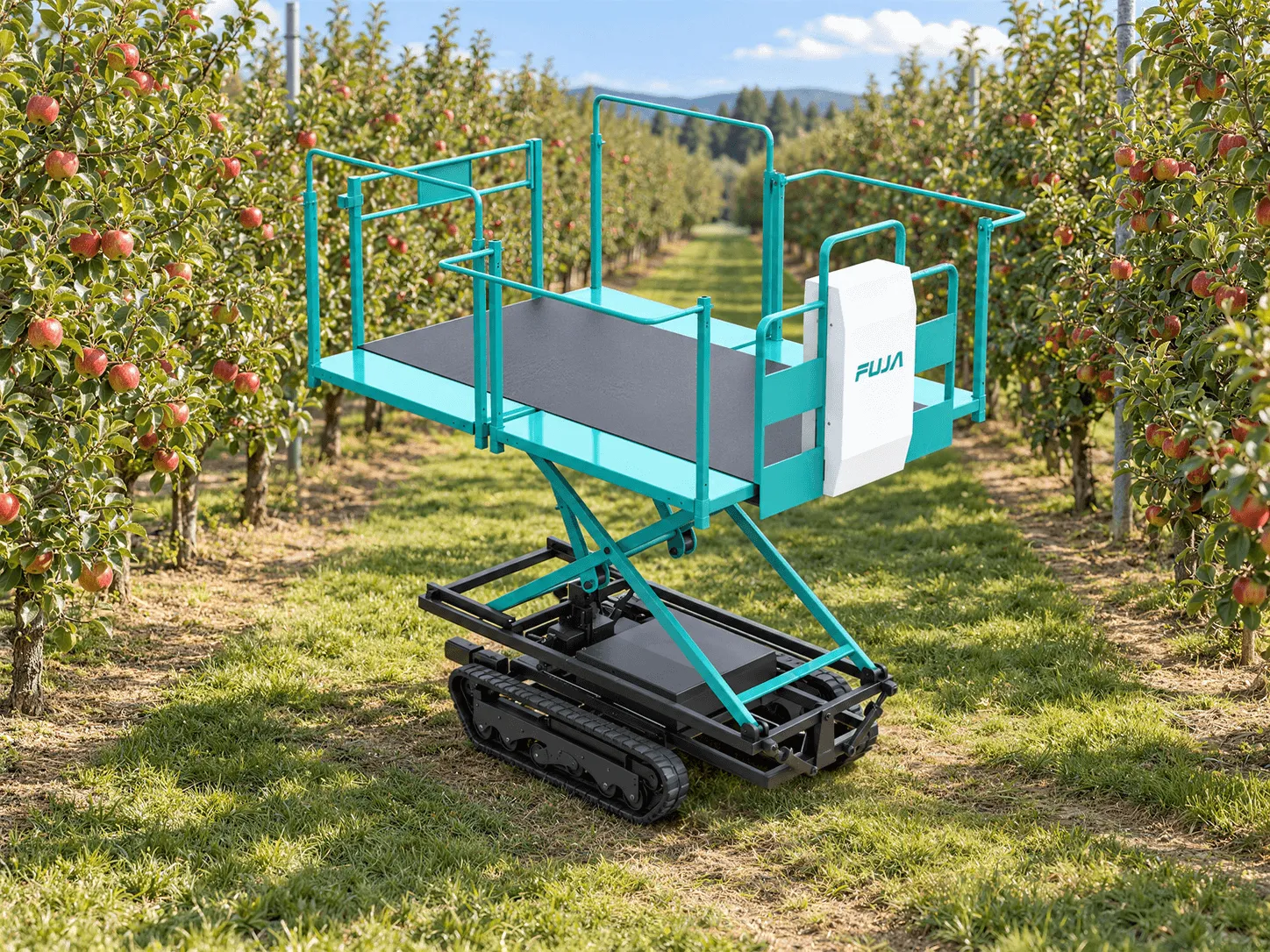
A tracked agricultural platform is a farm machine or carrier that uses continuous tracks instead of conventional wheels to move across agricultural ground. Buyers often consider this format when field access, soft soil, or uneven terrain makes traction and ground contact important. The term can describe different machine types, however, and the available product information here does not specify a model, powertrain, dimensions, load capacity, attachments, or operating limits. This page is therefore intended for farms, agricultural contractors, and equipment distributors assessing the platform category, not for confirming a particular machine’s capability. Before comparing configurations, identify the work to be done, the soil and slope conditions, the required payload or implement, and any transport or access constraints. Agricultural Machinery Manufacturer & Supplier reports a 68,000 m2 smart manufacturing base, intelligent R&D, and global service support. Those brand capabilities provide a starting point for a technical discussion; a buyer should request model-specific documentation before making an equipment decision.

Technical Detail

Configured around process stability, mold life, and long-term uptime.

The tracked agricultural platform describes an agricultural machine or carrier that travels on tracks. Unlike a wheeled layout, tracks distribute contact along a continuous surface, a design that may be considered where soil conditions or uneven ground influence mobility. Actual traction, ground pressure, payload, speed, and implement compatibility depend on the specific machine and its configuration; none of these values has been provided for this product. Agricultural Machinery Manufacturer & Supplier positions itself as a high-end agricultural machinery supplier, with an intelligent R&D function focused on practical design challenges and a 68,000 m2 smart manufacturing base. The company also reports serving more than 150 customers. These are brand-level details, not specifications or verified performance results for a particular tracked platform. The brand lists CE certification, but buyers should confirm whether the exact machine and configuration under consideration are covered by applicable documentation for their destination market. This distinction matters when comparing offers: request the model designation, technical data sheet, operating limitations, and confirmation of included equipment rather than relying on the category name alone. A tracked platform may suit operations seeking a different mobility format from wheeled equipment, but suitability cannot be established without matching the machine to the intended task and field conditions. Send the supplier your application and operating requirements to establish which product details are available for review.

Crawler Multi-purpose Platform

How a tracked layout moves across farm ground

A tracked agricultural platform moves using continuous track assemblies rather than separate tires. The track runs around a drive system and supporting components, creating an extended contact area with the ground. In general, this arrangement changes how a machine carries its weight and finds grip compared with a wheeled machine. It does not, by itself, establish a particular ground-pressure value, slope capability, or ability to work in wet soil. Those outcomes depend on engineering details such as machine mass, track dimensions, drive design, and the operating surface. No drawings or component specifications have been supplied for the platform referenced here, so buyers should treat the explanation as a description of the product category, not a confirmed specification of a particular model. Ask for a machine layout or technical sheet that identifies the track system and clarifies which elements are standard. If an implement or payload is part of the intended use, request confirmation that the platform is designed to accommodate it. A clear understanding of the actual structure helps distinguish a purpose-built agricultural machine from a carrier or other platform described with similar wording.
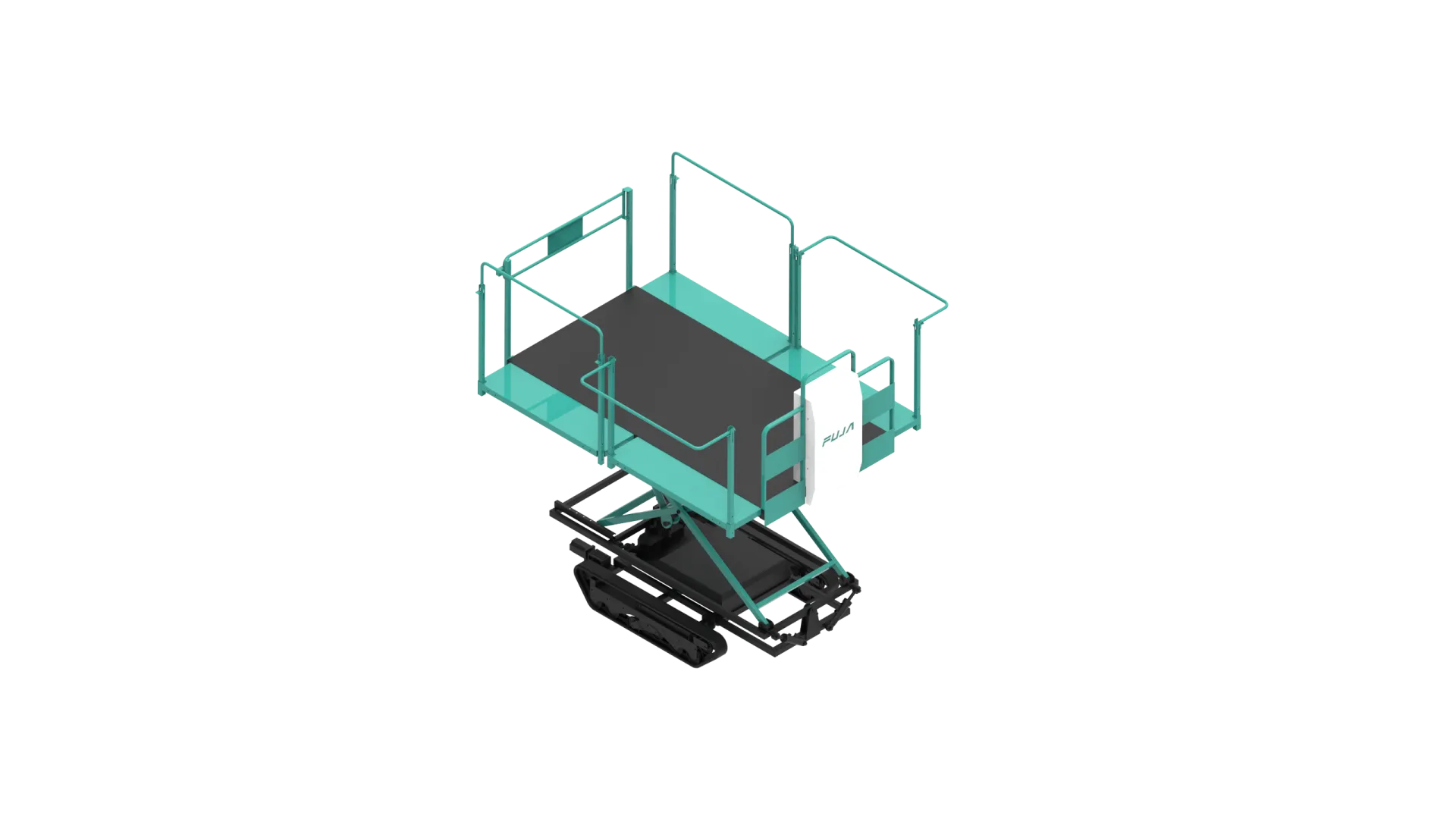

Crawler Multi-purpose Platform

Check the field conditions before judging fit

A tracked agricultural platform may be worth evaluating when a farm’s work involves soft, irregular, or otherwise difficult-to-access ground. That is a starting hypothesis, not a guarantee of suitability. A buyer should describe the soil type and seasonal variation, the steepness and length of slopes, obstacles, headland dimensions, and the distance between work areas. Also explain whether the machine must travel on roads or be loaded for transport, since access and movement between fields can affect the practical choice. The product information available does not give a maximum slope, water tolerance, operating speed, payload, or turning dimensions, so these limits must be confirmed for the specific model. Compare the supplier’s documented limits with the most demanding conditions the machine will encounter, rather than using average field conditions as the test. If the work involves wet ground, steep terrain, or narrow access, request written guidance tied to the intended operating scenario. A mismatch between field constraints and machine limits can affect both productivity and safe operation; do not infer capability from the word “tracked” alone.

Crawler Multi-purpose Platform

Prepare a focused technical inquiry

Before requesting a recommendation, assemble a short brief that makes the intended job clear. State the crop or operation, the tasks the platform must perform, typical and worst-case ground conditions, slopes, access width, and any payload or implement requirements. Include operating hours or seasonal use if known, and note transport or storage constraints. Ask Agricultural Machinery Manufacturer & Supplier to identify the applicable model and provide its technical data sheet, configuration details, operating limits, and any relevant CE documentation for the exact machine offered. The brand reports intelligent R&D and a smart manufacturing base of 68,000 m2, but those facts do not specify which options or attachments are available for this product. Request confirmation rather than assuming a feature can be added. For a useful comparison between suppliers, keep the same task brief and ask each to respond against the same requirements. Before proceeding, verify what is included in the quoted configuration and which performance claims are documented. This gives your engineering or purchasing team concrete information to review without relying on category-level assumptions.

News

Industry updates

Products

Production modules

Why Choose Us

A manufacturing and R&D base for practical equipment discussions

Agricultural Machinery Manufacturer & Supplier presents a combination of intelligent R&D, smart manufacturing, and global service support. Its stated 68,000 m2 manufacturing base provides relevant context for buyers evaluating a machinery supplier, while the company describes its R&D work as focused on real-world challenges. It also reports serving more than 150 customers. These details may help establish whether the supplier is worth a technical conversation, but they should not be treated as proof of a specific tracked platform’s performance, production capacity, or suitability for a buyer’s market. The brand lists CE certification; confirm the scope and documentation for the exact machine and destination before purchase. For a high-end procurement decision, ask the supplier to connect its general capabilities to the proposed model: request technical documents, configuration information, applicable compliance records, and a response to your stated field conditions. The brand’s global service positioning can also be discussed during the inquiry, including what support is available in your region and through which channels. This approach keeps the decision grounded in verifiable product and service information while making use of the supplier’s stated engineering and manufacturing strengths.

FAQ

Common technical questions

How does a tracked agricultural platform differ from a wheeled machine?

It uses continuous tracks rather than individual tires. The contact pattern and mobility characteristics differ, but actual traction, soil impact, speed, and maneuverability depend on the machine design. Compare documented specifications for the specific models rather than assuming tracks are always preferable.

Can this platform operate on steep slopes or in very wet fields?

No model-specific slope or wet-ground limits have been provided. Share the terrain and soil conditions with the supplier and request written operating limits for the exact configuration before planning work in those environments.

What information should I send to get a suitable model recommendation?

Describe the operation, soil and seasonal conditions, slopes, access dimensions, required payload or implement, and transport constraints. Ask for the model designation, technical data sheet, included configuration, operating limits, and relevant CE documentation.

Does the stated CE certification confirm this tracked platform is CE compliant?

The brand lists CE certification, but that alone does not establish that a particular tracked platform or configuration is covered. Request the applicable documentation for the exact machine and confirm requirements for the destination market.

Need a solution for your project?

Share your product type, target capacity, and application requirements. Our team can review the details and recommend a practical next step.

Contact Us