Home » small tracked tractors in Vietnam

Small Tracked Tractors in Vietnam for Farm Work

small tracked tractors in Vietnam

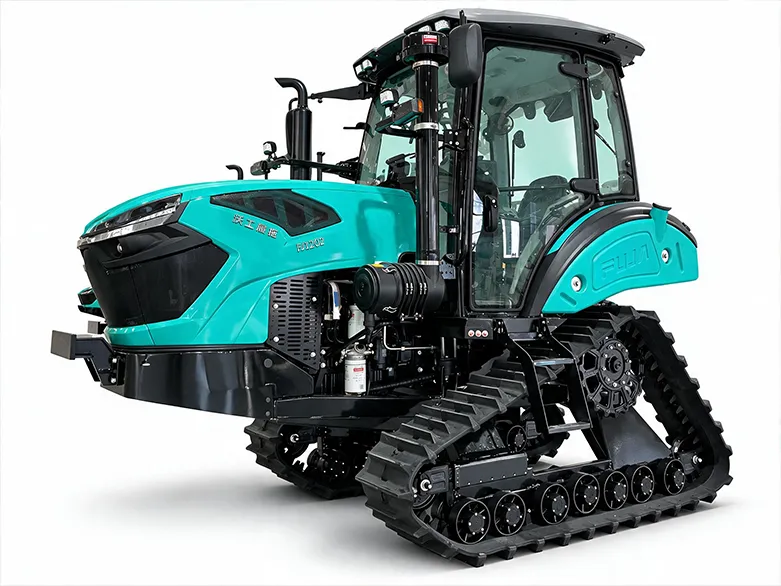
Small tracked tractors in Vietnam may suit farms and agricultural contractors that need a compact tractor for work on ground where wheel traction or access can be a concern. The term describes a size and track format, not a confirmed model specification, so buyers should verify each machine’s dimensions, power, capacity and available equipment before comparing options. Tracked running gear spreads machine weight over a broader contact area than conventional wheels, which can help in some soft or uneven conditions; actual performance depends on design, soil, load and operation. These machines may be worth considering for small-scale cultivation, property maintenance or other farm tasks when the working area and required implements match the tractor’s capabilities. Agricultural Machinery Manufacturer & Supplier presents itself as a high-end manufacturer with a 68,000 m2 smart manufacturing base, intelligent R&D and global service support. The information provided does not specify a Vietnam-ready model, local configuration or product certification, so confirm these details directly. Before requesting a quotation, share your terrain, crop or task, access limits and intended attachments. That gives the supplier a practical basis for checking whether a suitable configuration is available.

Technical Detail

Configured around process stability, mold life, and long-term uptime.

A small tracked tractor is an agricultural machine that uses continuous tracks instead of standard pneumatic drive wheels. The track system transfers drive force to the ground through a longer contact area; in suitable conditions, this can support traction and reduce concentrated ground pressure compared with a similarly configured wheeled machine. Results vary with track design, machine weight, soil moisture, slope, implement and operator technique, so the category name alone does not establish performance or suitability. For buyers in Vietnam, the relevant question is whether the machine’s size and working equipment match the farm’s tasks and access. A compact format may be useful where larger equipment is difficult to maneuver, but “small” has no confirmed dimension or power rating in the information available here. No engine output, operating weight, track width, turning radius, lifting capacity, speed, attachment list or Vietnam-specific model has been provided. These figures should be obtained from the manufacturer before purchase rather than inferred from the product category. Agricultural Machinery Manufacturer & Supplier describes its positioning as high-end and innovation-led. Its stated resources include a 68,000 m2 smart manufacturing base, intelligent R&D and smart manufacturing focused on build consistency. The company also reports serving 150+ customers and providing global service support. CE is listed among its certifications, but buyers should confirm the scope and applicable model documentation. Use those company details as a starting point for due diligence, then request a specification sheet and written confirmation that the proposed tractor and configuration suit the intended work in Vietnam.

Hilly and Mountainous Areas Crawler Tractor

How Track Drive Changes Ground Contact

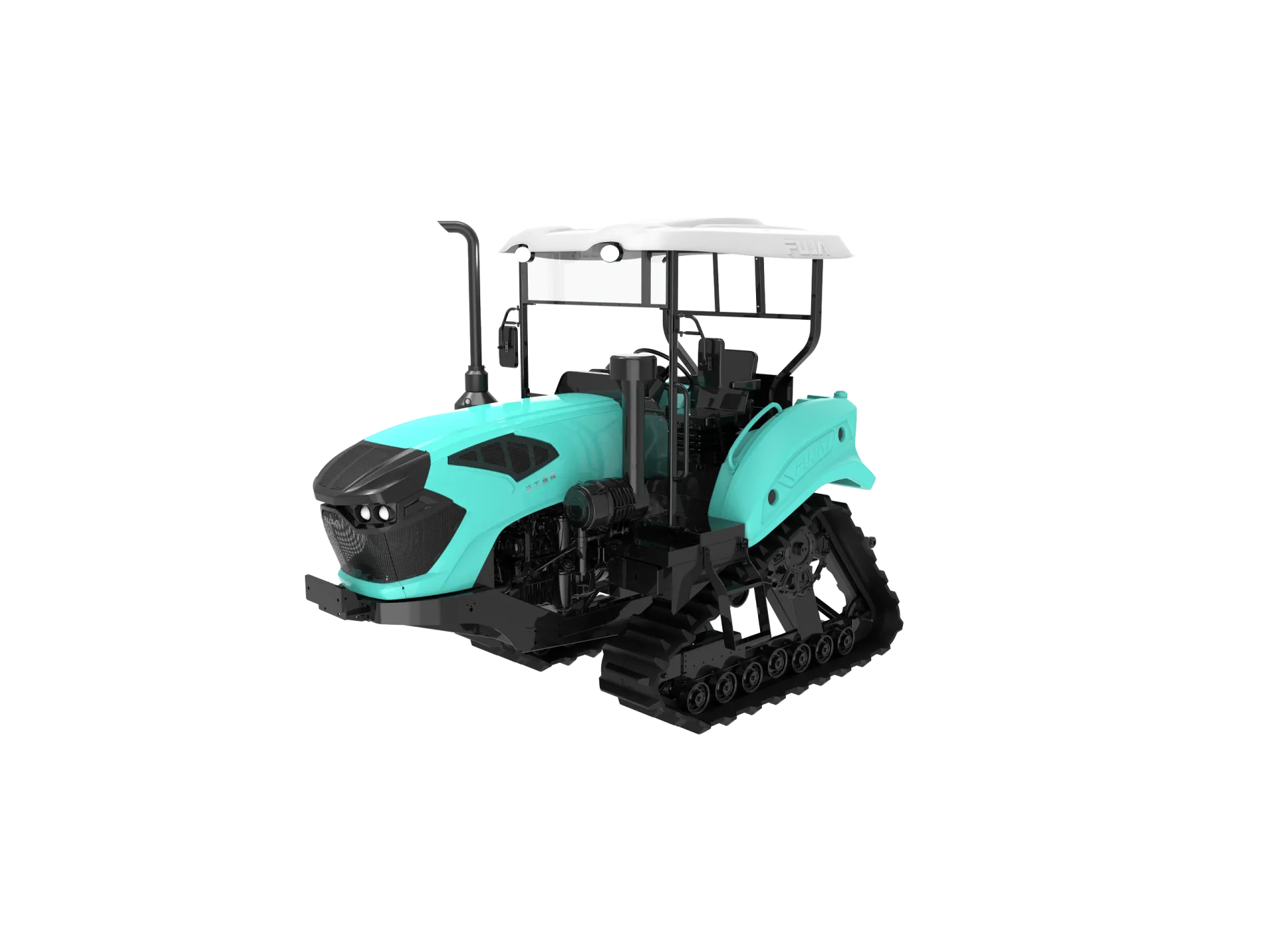
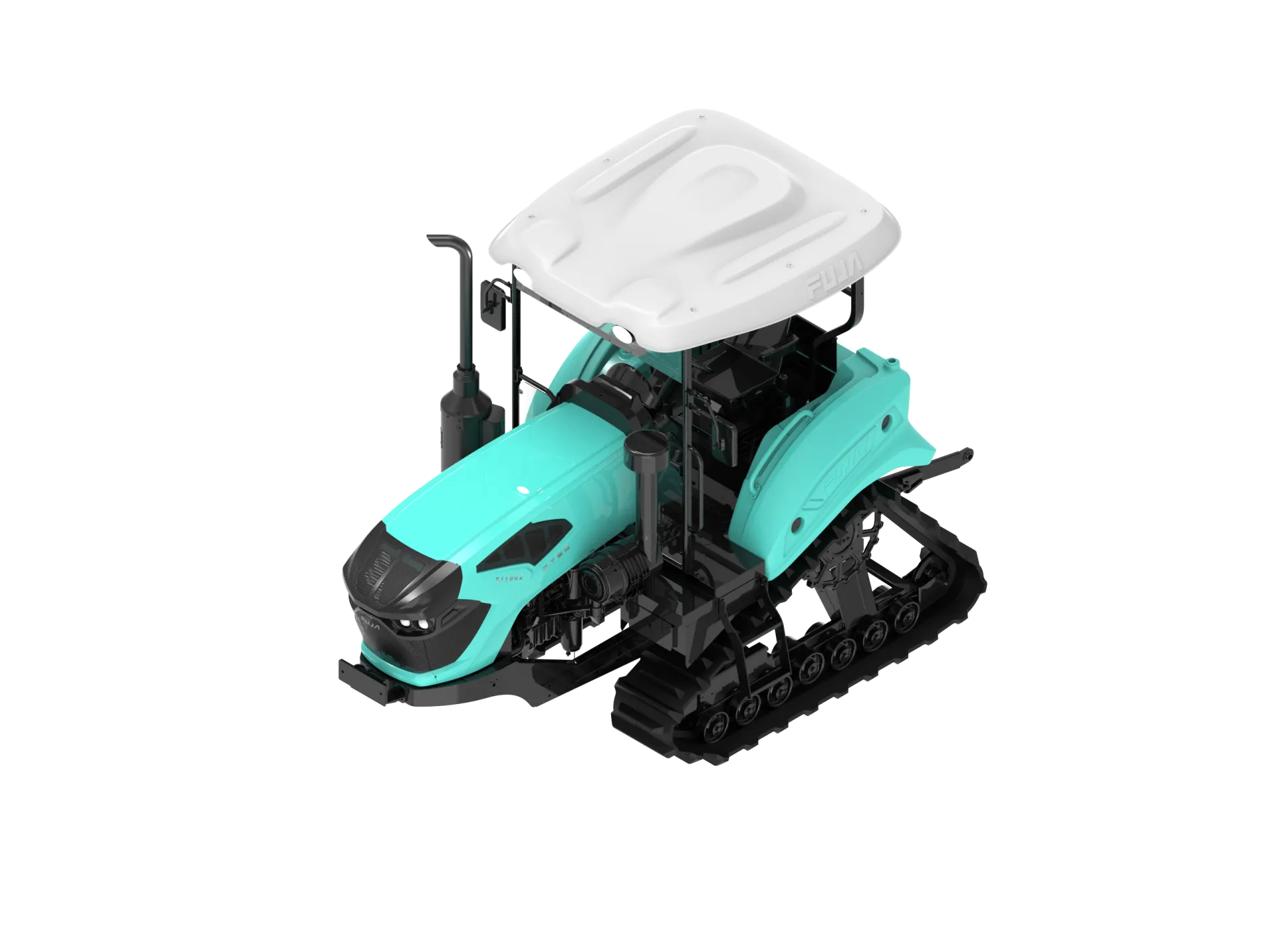
A tracked tractor moves by driving a continuous belt around its undercarriage rather than turning a pair of drive tires against the soil. The belt’s contact length and width influence how the machine’s weight is distributed, while tread design and drive layout affect how it grips and turns. This is why track format can be relevant on soft or uneven ground, but it is not a guarantee against slipping, soil disturbance or getting stuck. Conditions, load, slope and operator inputs still matter. The available product information does not identify the undercarriage layout, track material, track width, tensioning method or steering mechanism of a specific small tracked tractor. Buyers should not assume that all machines in this category use the same components or perform alike. Ask for an undercarriage diagram or specification sheet, and check whether the stated operating weight and track dimensions refer to the base machine or a configured unit. If a supplier recommends the machine for a particular soil condition, ask which operating limits support that recommendation. This establishes what the track system can reasonably do without treating a general product label as a performance specification.

Hilly and Mountainous Areas Crawler Tractor

Check the Working Conditions Before Assuming Fit

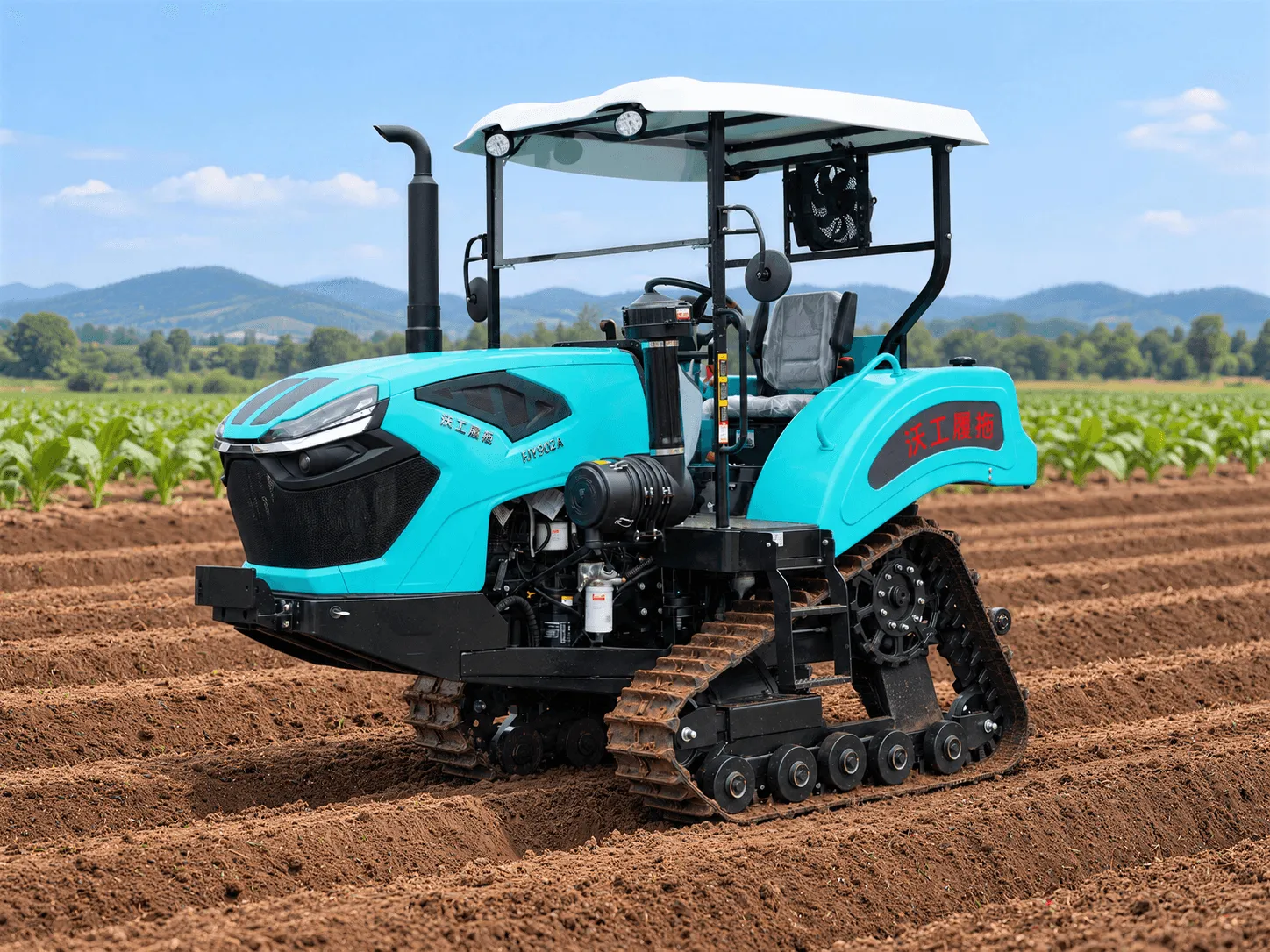
Vietnamese farms cover varied terrain, crops and access conditions, so suitability should be assessed against the actual worksite rather than the country name alone. A small tracked tractor could be relevant where a farm needs a compact machine for agricultural tasks and the surface makes track traction worth investigating. That does not establish that a particular model can work in flooded fields, steep plots, narrow paths or soft soil. No model-specific slope, water-depth, ground-pressure or clearance limits have been supplied. Start by documenting the firm and soft surfaces the tractor will cross, the steepest sections, seasonal wet conditions, turning space and the route from storage to the work area. Note whether the tractor must pass through gates or between crop rows. Then compare those measurements with the manufacturer’s confirmed dimensions, operating weight and stated operating limits. Include the implement and expected load in the discussion, since they can change stability and ground contact. If the supplier cannot verify an operating condition in writing, treat it as unconfirmed and seek a technical assessment before relying on the tractor for that task.

Hilly and Mountainous Areas Crawler Tractor

Prepare a Useful Configuration Request

A productive inquiry gives the supplier enough context to identify a suitable model or explain that the available information is insufficient. Send the farm location in Vietnam, the work to be done, typical and worst-case ground conditions, access width, slope and any transport constraints. Describe the crop or working area and how many hours or days the machine is expected to operate, without assuming that these details establish a capacity requirement. List the implements you already use or plan to buy, including their names, working widths and connection requirements if known. Ask the supplier to confirm compatibility, required tractor configuration and any operating restrictions. Request the model’s full specifications, including dimensions, power, weight, track details, capacity ratings and the meaning of each rating. Also ask which documents apply to the exact model and configuration, and what service or parts support is available for Vietnam. The company states that it has a 68,000 m2 smart manufacturing base and global service support; ask how those capabilities apply to the machine under consideration. Compare written answers against your site requirements before proceeding.

News

Industry updates

Products

Production modules

Why Choose Us

Manufacturing and R&D Backed by Global Support

Agricultural Machinery Manufacturer & Supplier presents its offer around manufacturing capability, product development and support beyond the factory. The company reports a 68,000 m2 smart manufacturing base, which gives buyers a concrete point to investigate when asking how production is organized and how build consistency is checked. Its stated intelligent R&D focus is on designing for real-world challenges; for a tracked tractor inquiry, buyers can ask how that work relates to the terrain, implements and operating conditions they have described. The supplier also reports serving 150+ customers and providing global service support. These are company-level claims, not a guarantee of local parts availability or response times in Vietnam, so confirm the specific support route, documentation and parts arrangements for the proposed model. CE is listed as a certification; request the relevant documents and check that they cover the exact machine and configuration being offered. A practical evaluation should connect these stated strengths to evidence: a model specification sheet, applicable compliance records, production quality information and clear answers on service. This lets buyers judge the supplier on information relevant to their purchase rather than relying on broad brand positioning.

FAQ

Common technical questions

What specifications should I compare between small tracked tractors?

Request the exact model’s power, operating weight, overall dimensions, track width, ground clearance, speed and capacity ratings. Confirm whether ratings apply to the base tractor or include an attachment, and compare only figures documented for the configuration offered.

Can a small tracked tractor work in wet fields or on slopes in Vietnam?

It depends on the machine and site. The information available does not state a model’s water, slope or soil limits. Share the field conditions with the supplier and ask for written operating limits before using a proposed tractor in those environments.

What should I check before using an attachment with the tractor?

Confirm that the attachment is approved for the specific model, that its connection and required power match, and that its weight and operating demands stay within the tractor’s stated limits. Follow the manufacturer’s instructions for setup and operation.

How do I decide whether a tracked or wheeled tractor is more suitable?

Compare the machines against your soil, access, turning space, transport needs, tasks and maintenance arrangements. Tracks may be worth evaluating where ground contact is a concern, but the right choice depends on verified specifications and actual site conditions.

Need a solution for your project?

Share your product type, target capacity, and application requirements. Our team can review the details and recommend a practical next step.

Contact Us