Home » crawler tractors in Kenya for agriculture

Crawler Tractors in Kenya for Agriculture

crawler tractors in Kenya for agriculture

Across Kenya, agricultural work can range from preparing broad fields to moving over uneven ground on smaller or sloped plots. Crawler tractors in Kenya for agriculture may be worth considering where traction and ground contact matter, but the right machine depends on the actual work, soil, access routes, and attachments required. A crawler chassis alone does not determine whether a tractor is suitable for a farm. Buyers should also confirm operating capacity, compatibility with implements, service arrangements, and transport requirements before comparing offers. As an agricultural machinery manufacturer and supplier, we bring an innovation-focused approach to equipment development, supported by a 68,000 m2 smart manufacturing base and intelligent R&D. Our global service positioning is intended to support farmers in different markets, while CE certification is part of the brand information provided. Since no specific tractor model or technical data has been supplied for this page, the guidance below focuses on practical evaluation questions rather than unverified performance claims. Use it to define your farm’s needs before requesting a model recommendation.

Technical Detail

Configured around process stability, mold life, and long-term uptime.

Choosing crawler tractors in Kenya for agriculture starts with a clear description of the job, not an assumed horsepower or track specification. The available product information does not identify a particular crawler tractor model, engine rating, operating weight, track dimensions, implement interface, or supported attachments. Those details should be confirmed directly for any configuration under consideration; they should not be inferred from the brand profile alone. The manufacturer describes a 68,000 m2 smart manufacturing base, intelligent R&D, and smart manufacturing focused on consistent production. These capabilities provide context for how the company approaches equipment design and manufacture, but they do not establish specifications for a particular tractor. The brand also reports serving more than 150 customers and identifies CE among its certifications. Buyers should request the relevant documentation and confirm that it applies to the proposed machine and intended market. For Kenyan agricultural use, compare a proposed tractor’s verified specifications with the farm’s soil conditions, field gradients, work duration, implement needs, and available access. Ask for the model’s operating limits and maintenance requirements in writing. If the machine will be used for tasks beyond routine field preparation, describe those tasks when requesting a recommendation. This makes it easier to assess suitability without relying on general claims about crawler tractors. Agricultural Machinery Manufacturer & Supplier can use these requirements as the starting point for a technically grounded discussion, while the final decision should be based on confirmed model data and the conditions at the intended site.

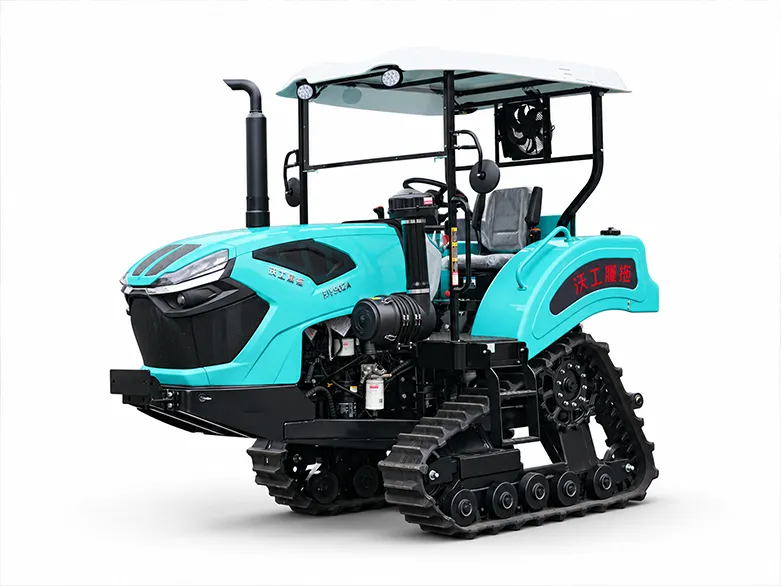
Mini Crawler Tractor

How crawler tracks affect field movement

Crawler tractors use continuous tracks rather than conventional wheels to move the machine. In general, the track system spreads contact along a longer footprint, which can support traction on some soft or uneven surfaces. The actual result depends on the machine’s design, weight, track dimensions, soil, and operating method, so a general description of crawler technology cannot substitute for model-specific data. For farm buyers, the practical point is to connect the movement system to the task. A machine that travels across a field may face different demands from one that repeatedly turns in confined rows or pulls an implement through resistant soil. Turning space, headland layout, slope, and the condition of farm tracks all affect day-to-day operation. The manufacturer’s supplied information describes intelligent R&D and smart manufacturing, but does not specify the track design or operating characteristics of a crawler tractor model. Ask for drawings or technical specifications for the exact configuration being offered. That allows a buyer to understand how the machine is built and what its published limits mean, instead of treating “crawler” as a complete description of performance.

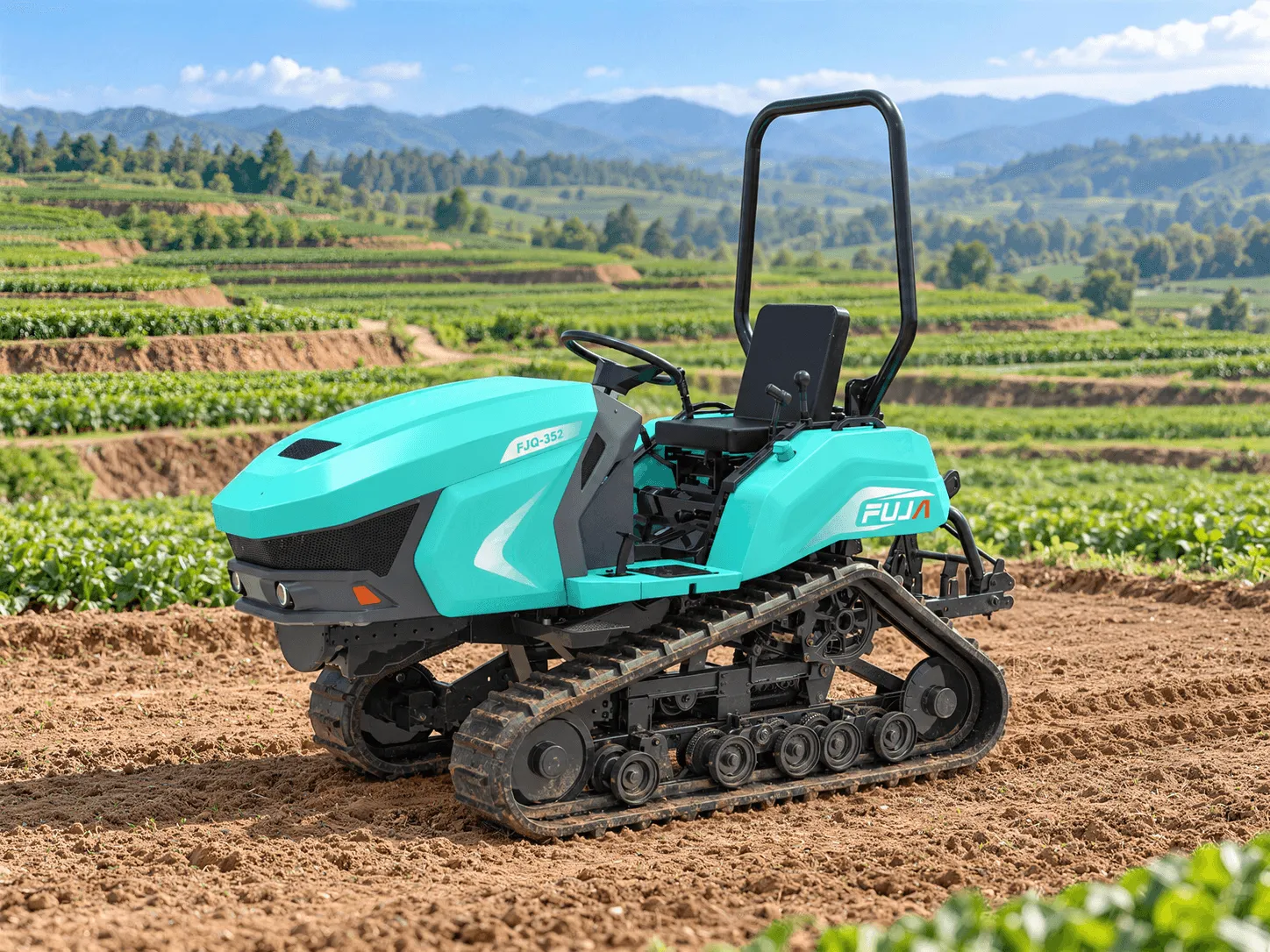
Mini Crawler Tractor

Check farm conditions before judging suitability

Crawler tractors in Kenya for agriculture may suit some field conditions, but suitability cannot be decided from the country or crop alone. Begin with the ground: note whether fields are firm, soft, uneven, sloped, or seasonally difficult to access. Then record the work to be done, including the implement involved, the expected working hours, turning frequency, and whether the tractor must travel between separate sites. These details help reveal whether the proposed machine’s verified capacity and configuration match the job. A mismatch can create avoidable costs. A machine unsuited to the field layout may be difficult to maneuver; an implement mismatch can prevent the tractor from doing the intended task; and operating outside a manufacturer’s stated limits can increase wear or create safety concerns. These are general risks, not claims about a particular model. Since no tractor specifications were provided, request operating limits, implement compatibility, and maintenance guidance for the exact model before deciding. The manufacturer’s CE certification information should also be checked against the machine documentation and applicable requirements for the purchase. Treat suitability as a site-and-task decision, not a conclusion based solely on crawler tracks.

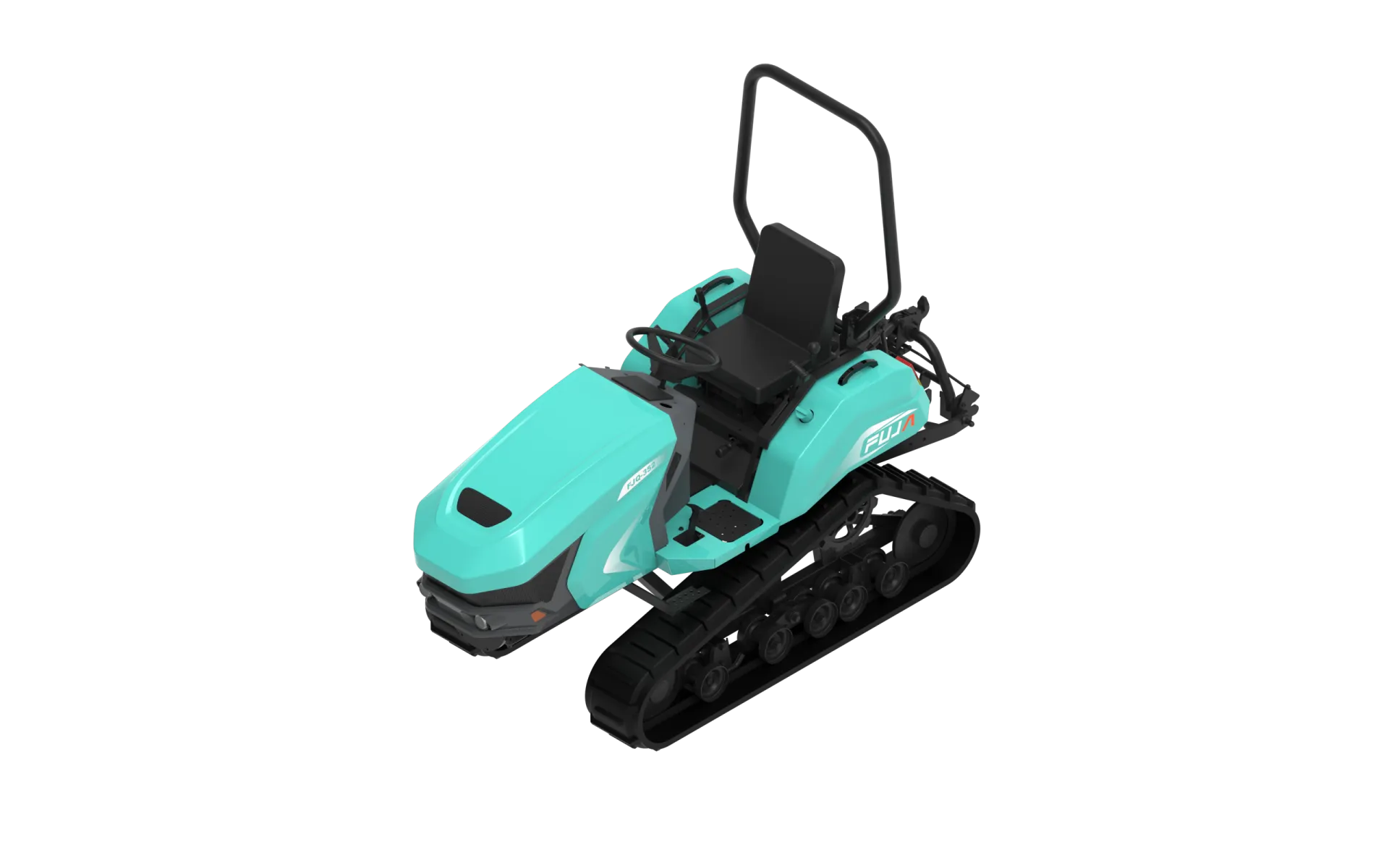
Mini Crawler Tractor

Prepare a useful tractor enquiry

Before contacting Agricultural Machinery Manufacturer & Supplier, put the farm’s requirements into a short brief. Include the county or general operating area, soil and terrain conditions, principal agricultural tasks, expected operating schedule, and the implements the tractor must use. Add field access constraints such as narrow entrances, limited turning space, or routes between plots. If you already have implement specifications or photographs of the work area, include them so the technical discussion can be grounded in the actual job. Ask the supplier to identify the proposed model and provide its applicable technical sheet, operating limits, implement connection details, and recommended maintenance schedule. Confirm which statements apply to the exact configuration rather than to the product range generally. The brand cites intelligent R&D, smart manufacturing, a 68,000 m2 manufacturing base, and global service support; ask what documentation and support are available for the specific machine and destination. This checklist does not assume a particular model, price, delivery time, or attachment. It helps both sides establish what is needed before a configuration is evaluated or a commercial quotation is prepared.

News

Industry updates

Products

Production modules

Why Choose Us

Manufacturing and engineering behind your equipment enquiry

Agricultural Machinery Manufacturer & Supplier positions its offer around intelligent R&D and smart manufacturing. For a buyer evaluating crawler tractors in Kenya for agriculture, that provides a concrete starting point for questions about design and production: request information on the specific model, its documented operating limits, and how its configuration relates to your field tasks. The company lists a 68,000 m2 smart manufacturing base, a stated customer base of more than 150, and global service support. These are brand-level details, not guarantees of a particular machine’s performance or local service arrangement, so confirm what applies to your order and destination. The brand also identifies CE certification. Ask for the relevant certificate or declaration and verify that the supplied document covers the model and configuration being discussed. This helps keep compliance checks tied to evidence rather than a general label. With these details, buyers can compare proposals on technical fit and supporting documentation, while the manufacturer’s intelligent R&D positioning can inform a discussion about real-world requirements. Provide your operating conditions and requested tasks so the conversation can focus on a suitable, verifiable configuration.

FAQ

Common technical questions

What tractor specifications should I compare when reviewing crawler models?

Compare verified operating weight, engine and working capacity, track dimensions, implement compatibility, and stated operating limits. No model-specific figures were provided here, so ask the supplier for the technical sheet for the exact configuration and compare it with your tasks.

Are crawler tractors suitable for every farm in Kenya?

No single chassis type is right for every farm. Soil, slope, field access, turning space, work schedule, and implements all affect suitability. Describe those conditions and ask the supplier to assess them against the proposed model’s documented limits.

What should I check before operating a crawler tractor with an implement?

Confirm that the implement is approved for the tractor configuration, that connection details and operating limits are understood, and that the maintenance guidance has been reviewed. Follow the machine and implement manufacturers’ instructions; do not assume compatibility based on appearance alone.

Need a solution for your project?

Share your product type, target capacity, and application requirements. Our team can review the details and recommend a practical next step.

Contact Us