EN
 HR

How Track Assemblies Transfer Power to the Soil
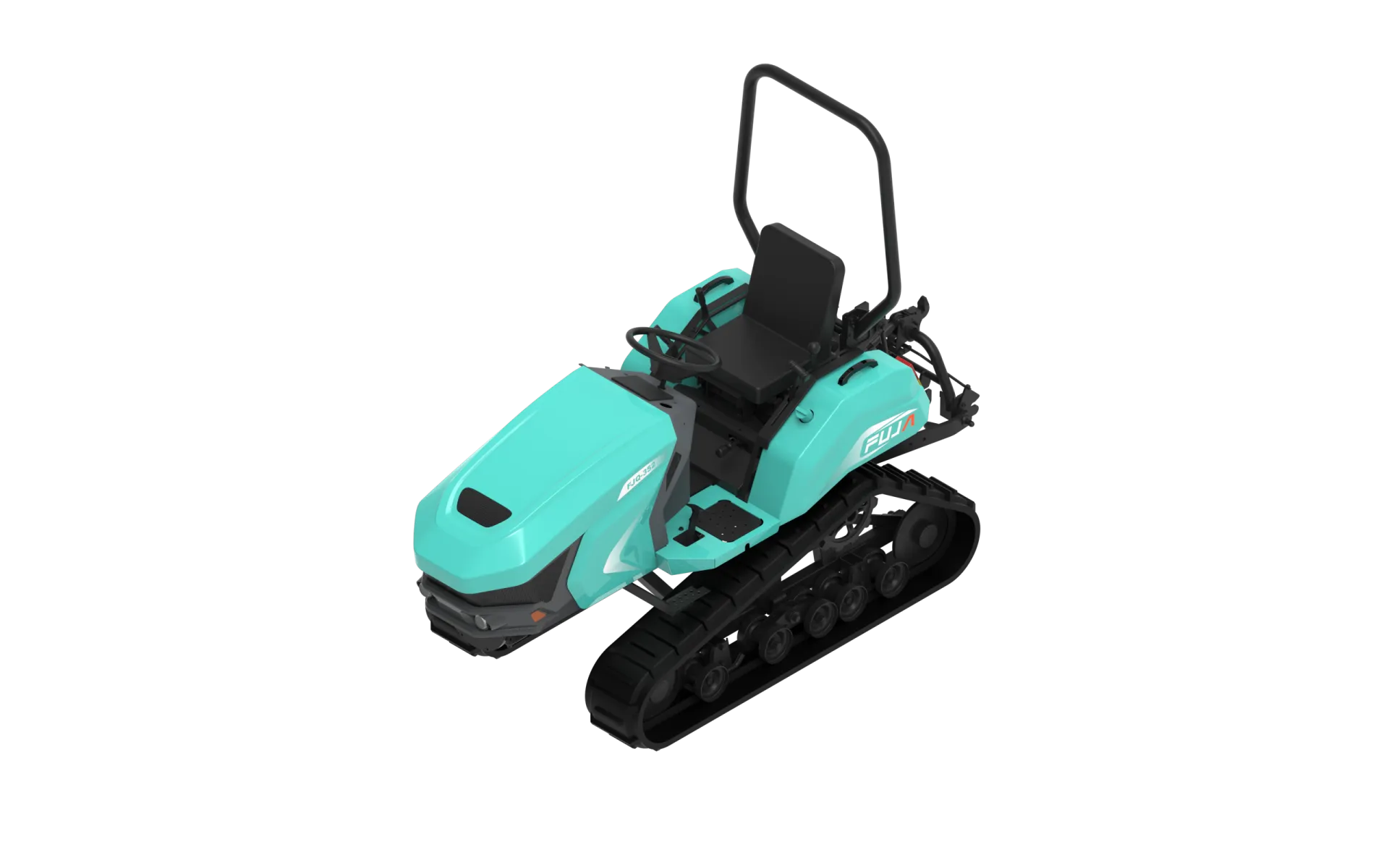
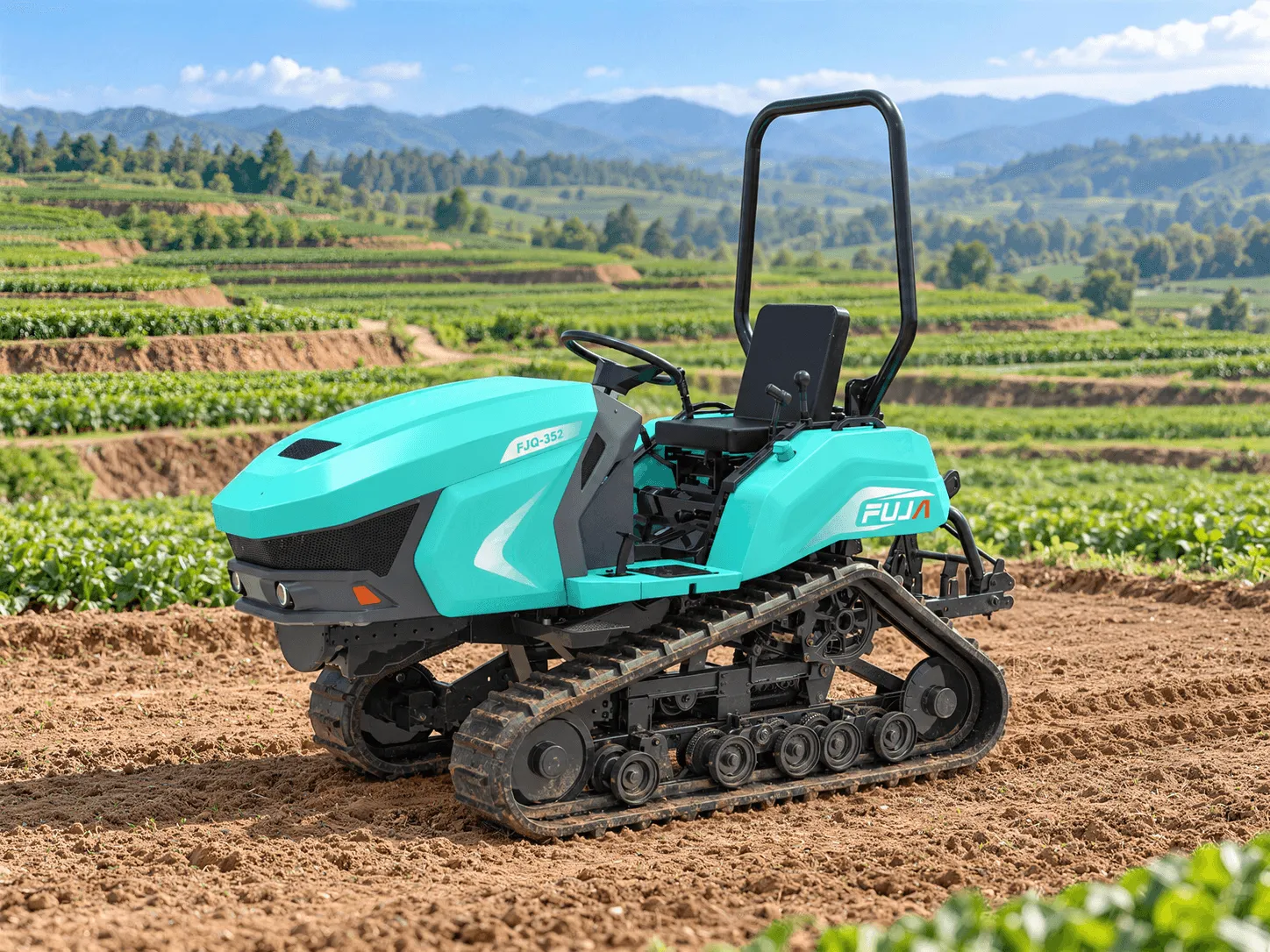
A tracked tractor moves by driving a continuous belt or linked track around a supporting assembly. Depending on the design, this assembly can include a drive sprocket, idlers and rollers that guide the track and carry the machine's load. The portion touching the ground distributes that load across a contact area, while the tread or grousers transmit driving force into the soil. Contact area helps explain why tracks can behave differently from tyres, but nominal ground pressure tells only part of the story. Load distribution changes with implement forces, ballast and machine movement. Soil strength and moisture also affect how much traction develops before slipping or rutting occurs. Steering arrangements vary across tracked tractor designs. Some machines steer through differences in track speed; others use articulated layouts. Those mechanisms influence how the machine turns and how soil is disturbed at headlands. Agricultural Machinery Manufacturer & Supplier has not provided a tracked tractor drawing or specification sheet. These explanations describe the equipment category and should not be read as confirmation of its track material, undercarriage layout or steering system.