EN
 HR

How Tracks Change Ground Contact
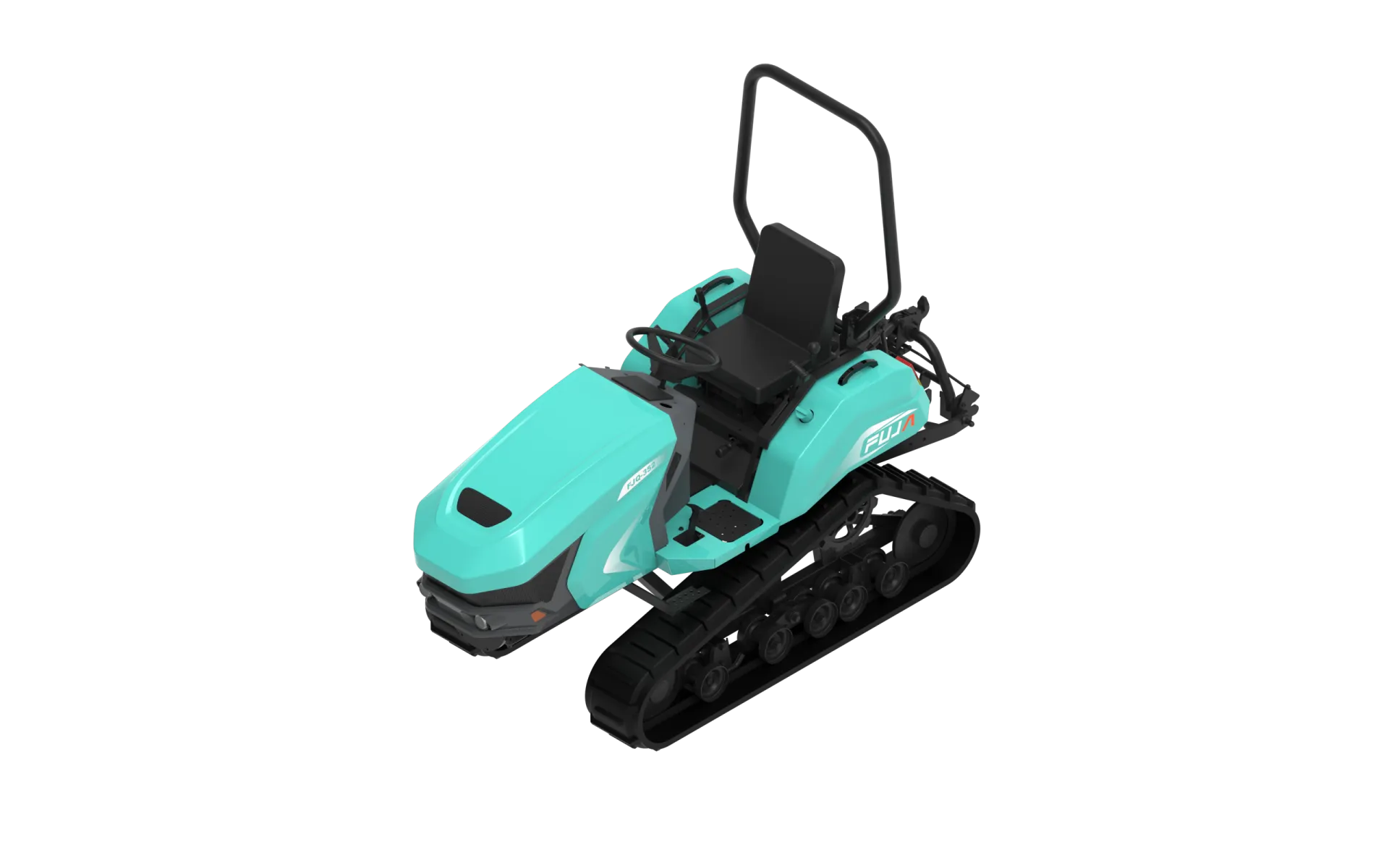
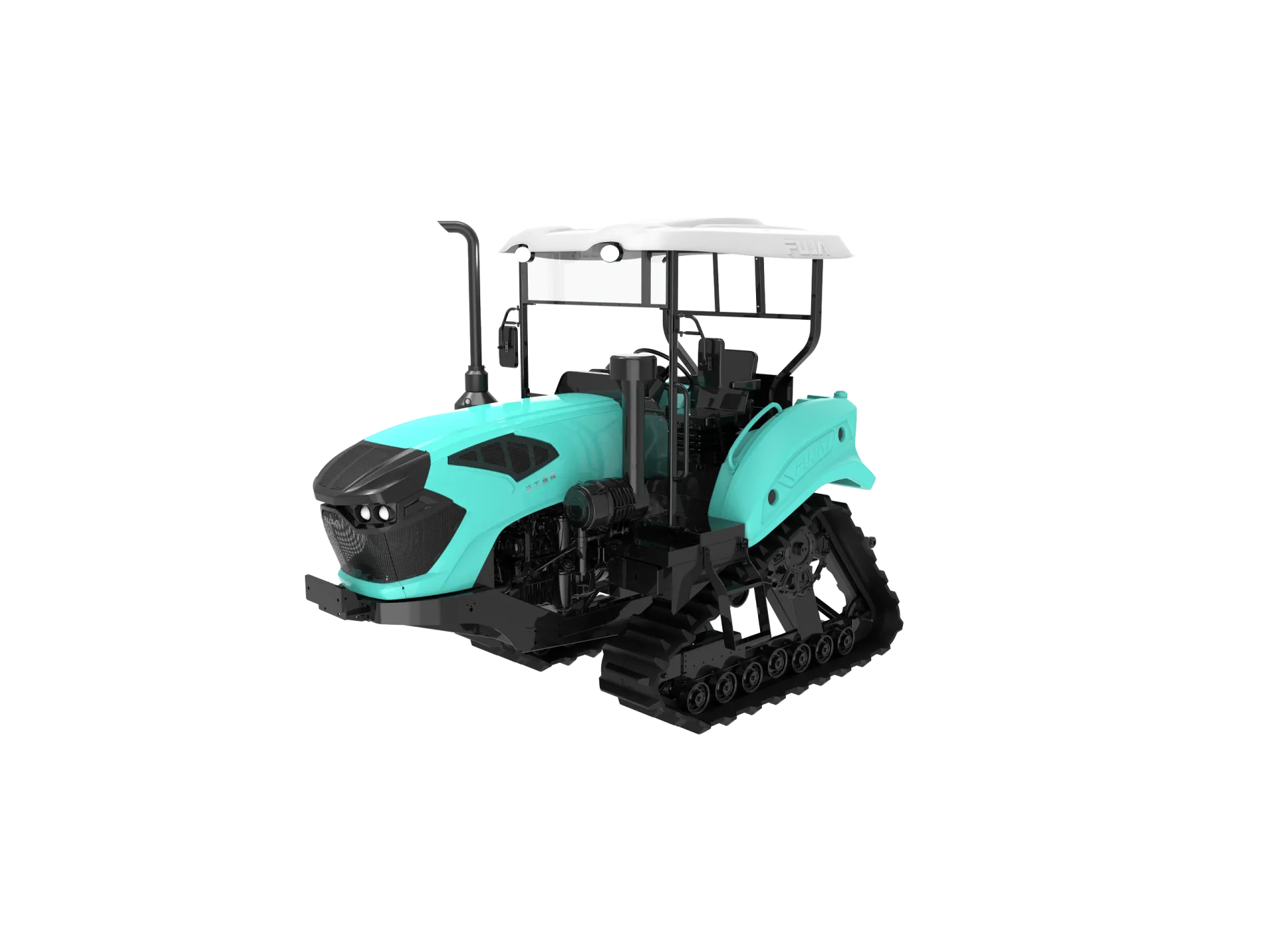
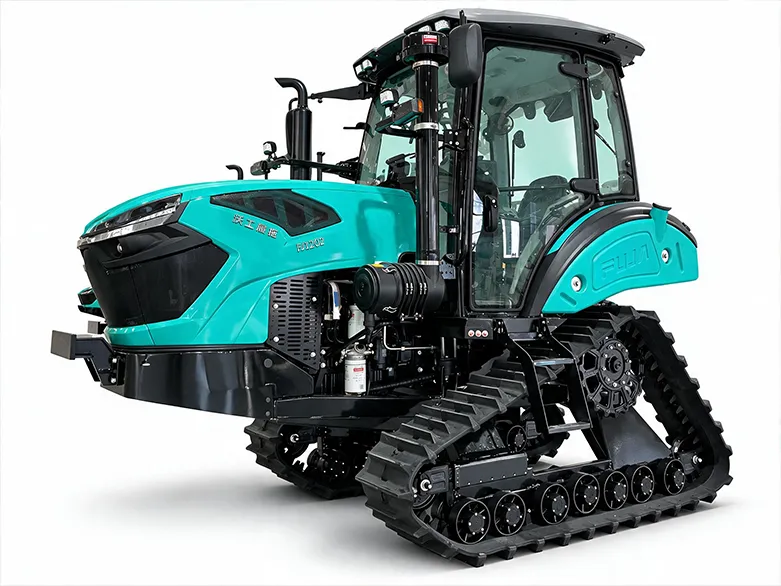
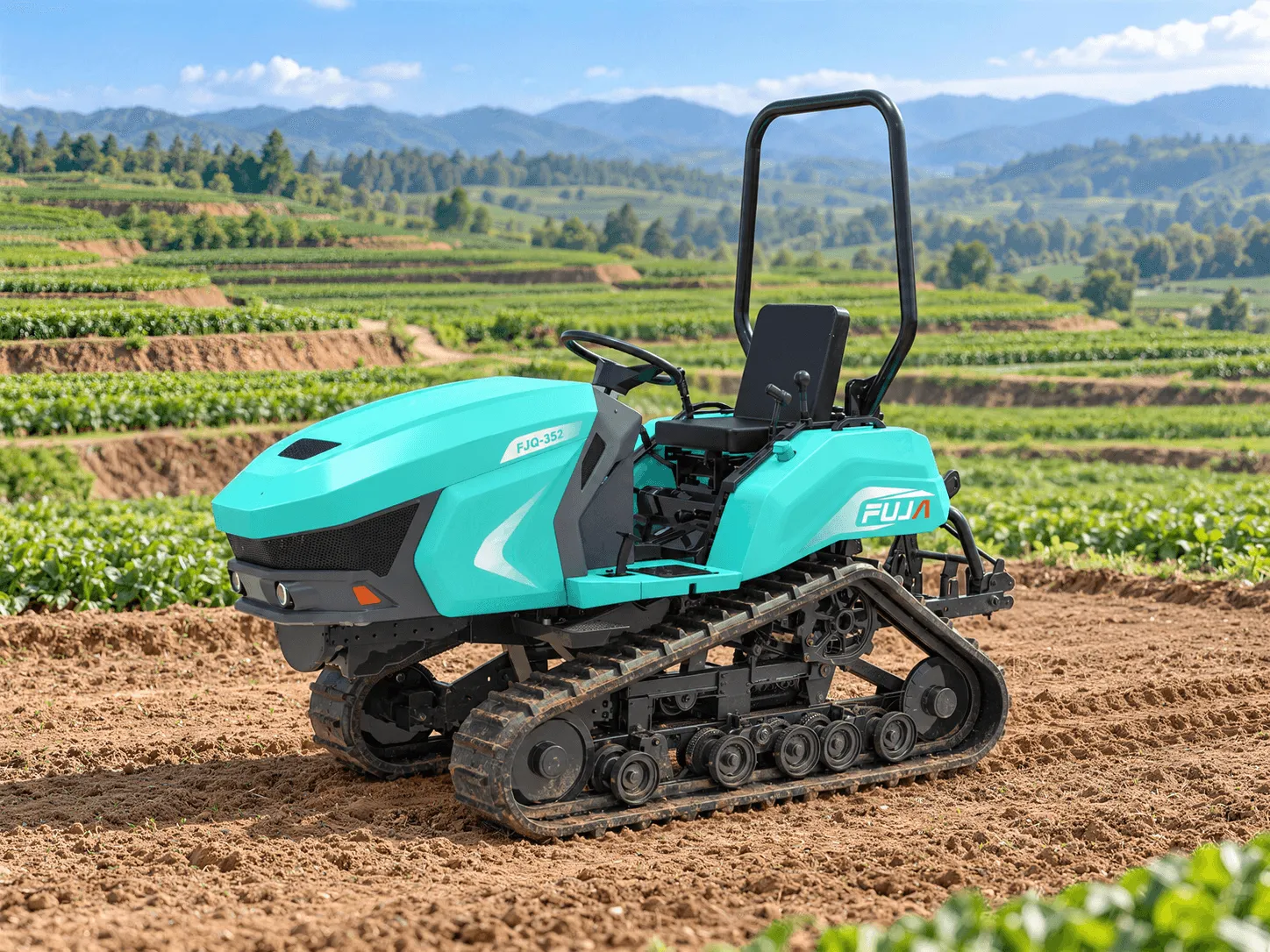
A tracked tractor moves on linked track assemblies rather than relying on separate tires. As the track runs around its wheels, a longer section of the track can remain in contact with the ground. In general, this spreads the machine’s weight over a larger area than a comparable wheeled setup, while the track tread provides a continuous contact surface for propulsion. These characteristics explain why buyers may investigate tracked machines for agricultural work on soft or uneven ground. The mechanism alone does not establish a tractor’s capability. Track width, machine weight, tread design, power, ground clearance, and the way an implement loads the tractor all affect how it behaves. None of these model-specific details are available in the supplied product information. Nor does the word “tracked” establish that a machine can safely operate on every slope or soil type. When reviewing a product, ask for a technical drawing or specification sheet showing the track arrangement and dimensions, along with the manufacturer’s stated operating limits. This gives you a concrete basis for understanding the design before judging it against your farm’s conditions.