Home » Electric Orchard Work Platform

Electric Orchard Work Platform for Orchard Work

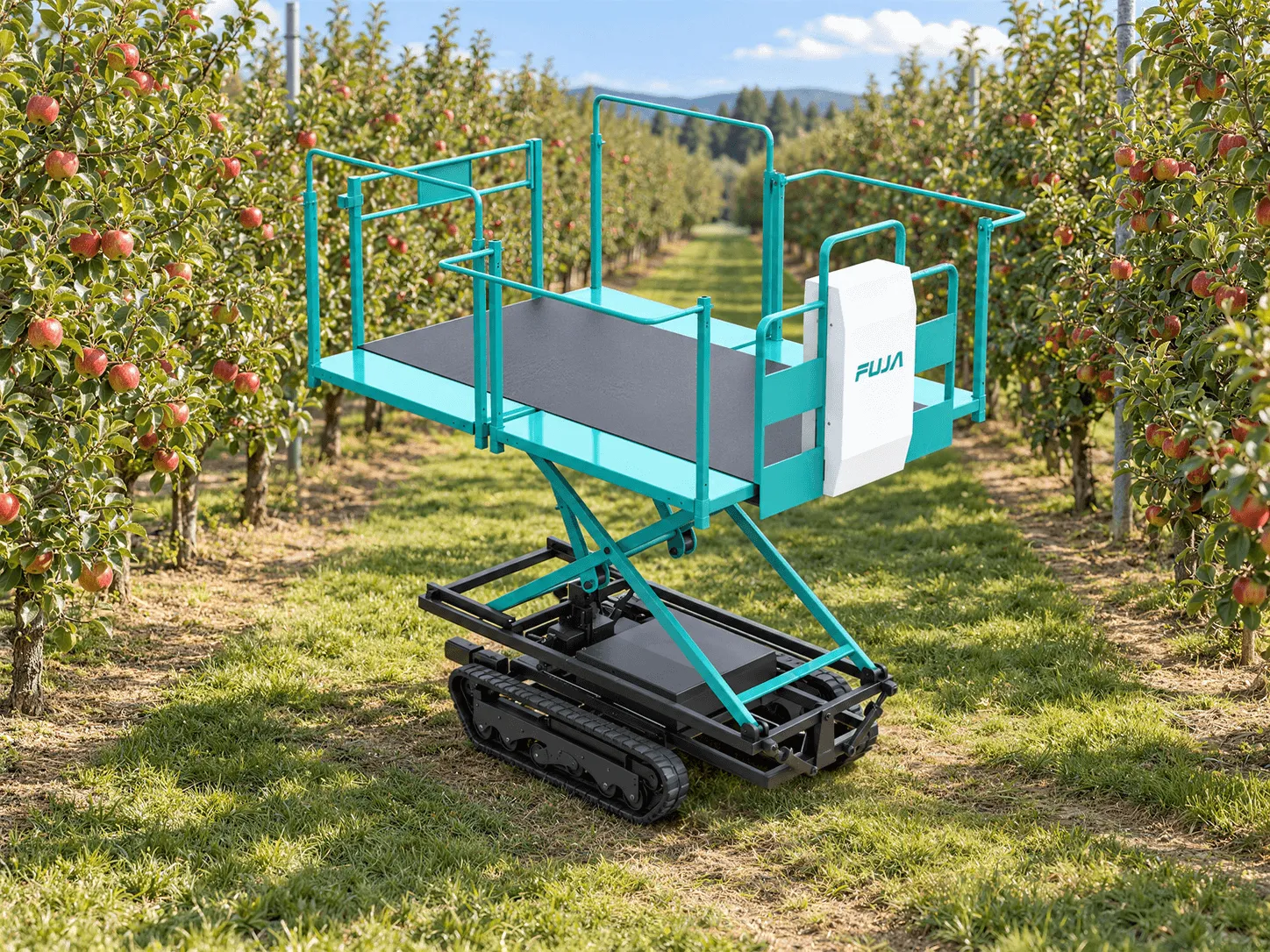
Electric Orchard Work Platform

An Electric Orchard Work Platform is a powered platform intended to support workers carrying out tasks among orchard trees. It may be relevant to growers, orchard contractors, and agricultural equipment buyers assessing alternatives to manual access methods for recurring work at height. The right machine depends on details that are not yet specified here: tree spacing and canopy shape, ground conditions, slope, working height, crew and load requirements, and how the platform will move through the site. These factors affect whether a particular design can operate safely and efficiently in a given orchard. No model dimensions, lifting capacity, battery information, or attachment list has been provided, so those details should be confirmed before comparing offers. Agricultural Machinery Manufacturer & Supplier describes its position as a high-end agricultural machinery brand, with a 68,000 m2 smart manufacturing base, intelligent R&D, and global service. Use those capabilities as a starting point for a technical discussion, not as a substitute for a model-specific specification. Before requesting a quotation, prepare the intended tasks and a few representative details about the orchard so the supplier can clarify fit and available configurations.

Technical Detail

Configured around process stability, mold life, and long-term uptime.

An Electric Orchard Work Platform is a powered access machine for orchard tasks where workers need a raised work position among trees. Typical intended tasks may include pruning, canopy management, and harvesting, but actual suitability depends on the machine design and the orchard; no specific model or application approval has been provided. It is most relevant to growers and contractors who want to evaluate powered access for repeated orchard work and can supply details about their site and operating routine. Agricultural Machinery Manufacturer & Supplier presents itself as a high-end agricultural machinery brand. Its stated resources include a 68,000 m2 smart manufacturing base and an intelligent R&D capability focused on practical design challenges. The company also identifies precision manufacturing and global service as part of its offering. These are brand-level statements, not model specifications: the available information does not identify a platform’s rated load, lift height, dimensions, drive arrangement, battery, charging system, or available attachments. CE is listed among the brand credentials, but buyers should verify the applicable declaration and documentation for the specific machine they are considering. For a meaningful product comparison, request the model datasheet and confirm working height, platform capacity, machine width, turning needs, grade limits, ground conditions, power and charging details, and safety provisions. These particulars determine whether the equipment can pass between rows and perform the intended work. Treat any unlisted feature as unconfirmed until it appears in the model documentation or a written supplier response.

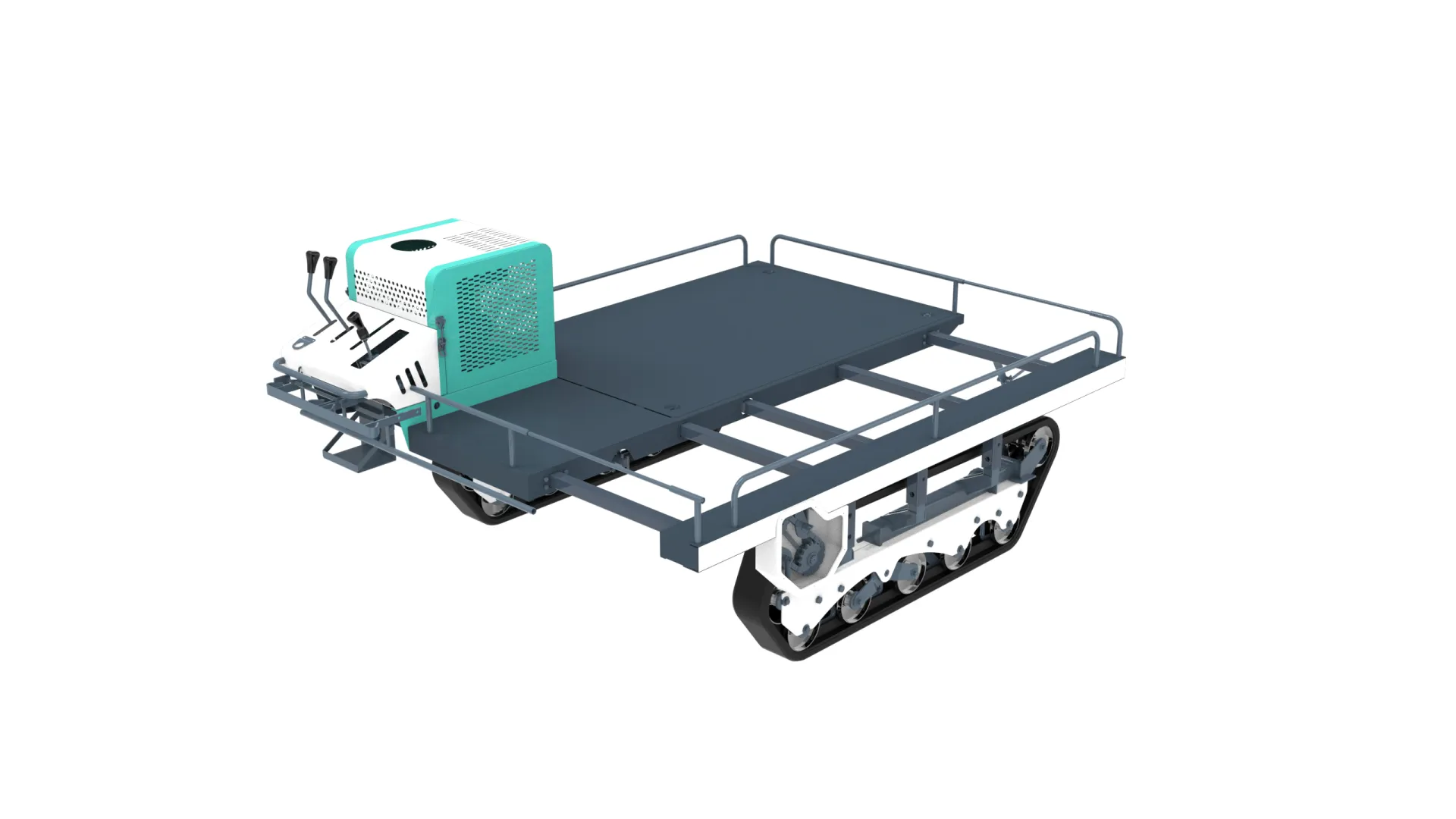
Crawler Multi-purpose Platform

How a Powered Orchard Platform Supports Work at Height

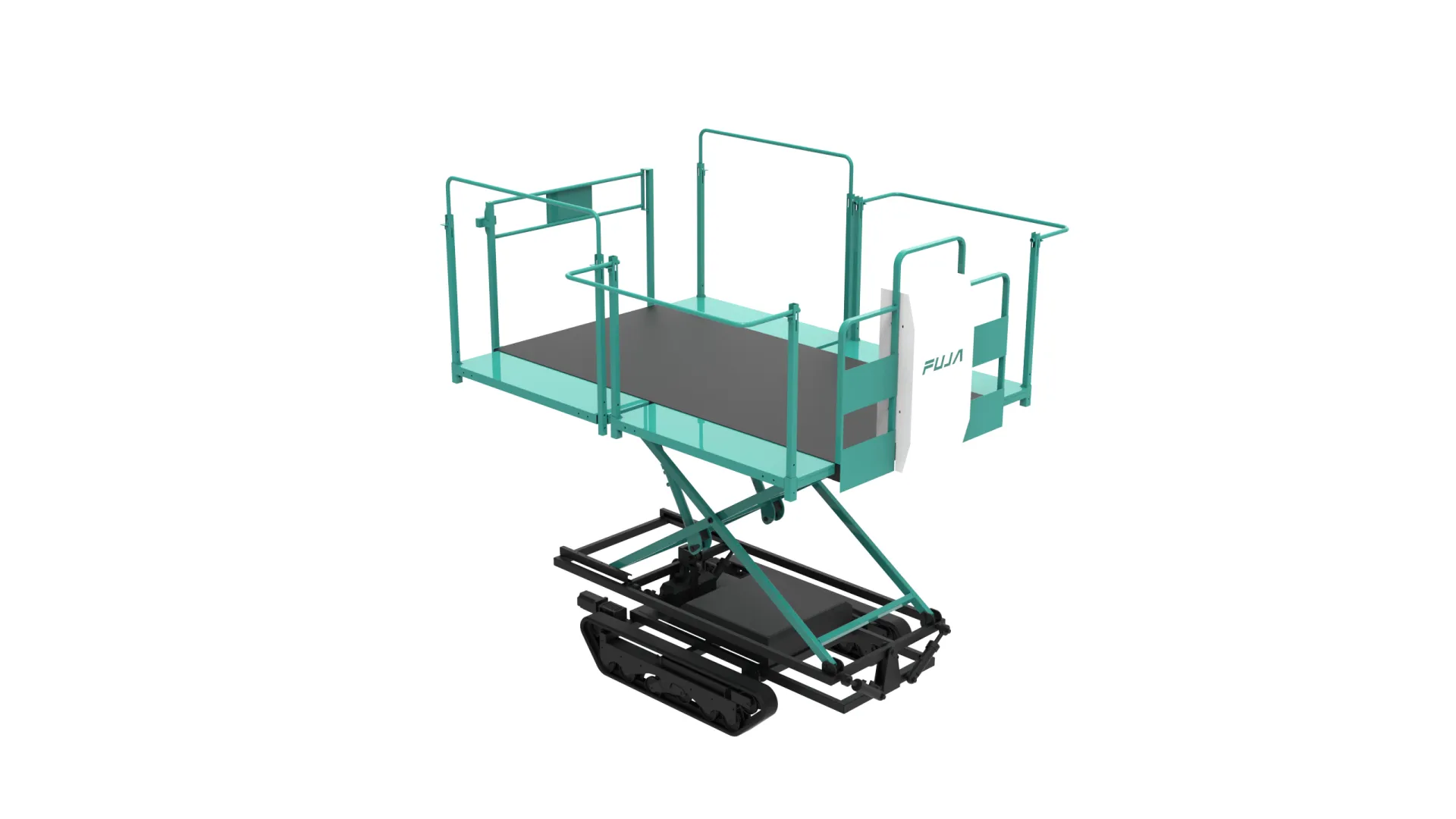
The term Electric Orchard Work Platform describes a category of powered equipment rather than one fixed design. In general, a platform provides a work area for personnel, while a powered drive system moves the machine through the worksite; the specific lifting and movement mechanisms vary by model. The information available for Agricultural Machinery Manufacturer & Supplier does not include a product drawing or a component-level description, so it would be premature to claim a particular lift type, steering layout, or battery arrangement. When reviewing a proposed machine, ask the supplier to explain how the platform rises and lowers, how travel is controlled, what safeguards prevent unintended movement, and how the operator is expected to access and leave the work area. Request a diagram showing the platform, chassis, drive components, controls, and any fitted safety equipment. If the machine is intended to work close to tree rows, ask how its design accommodates the required working position without damaging trunks or branches. The brand reports intelligent R&D and precision manufacturing, but the model documentation should establish which design features are actually present. This distinction helps buyers understand what they are evaluating before discussing site fit or configuration.
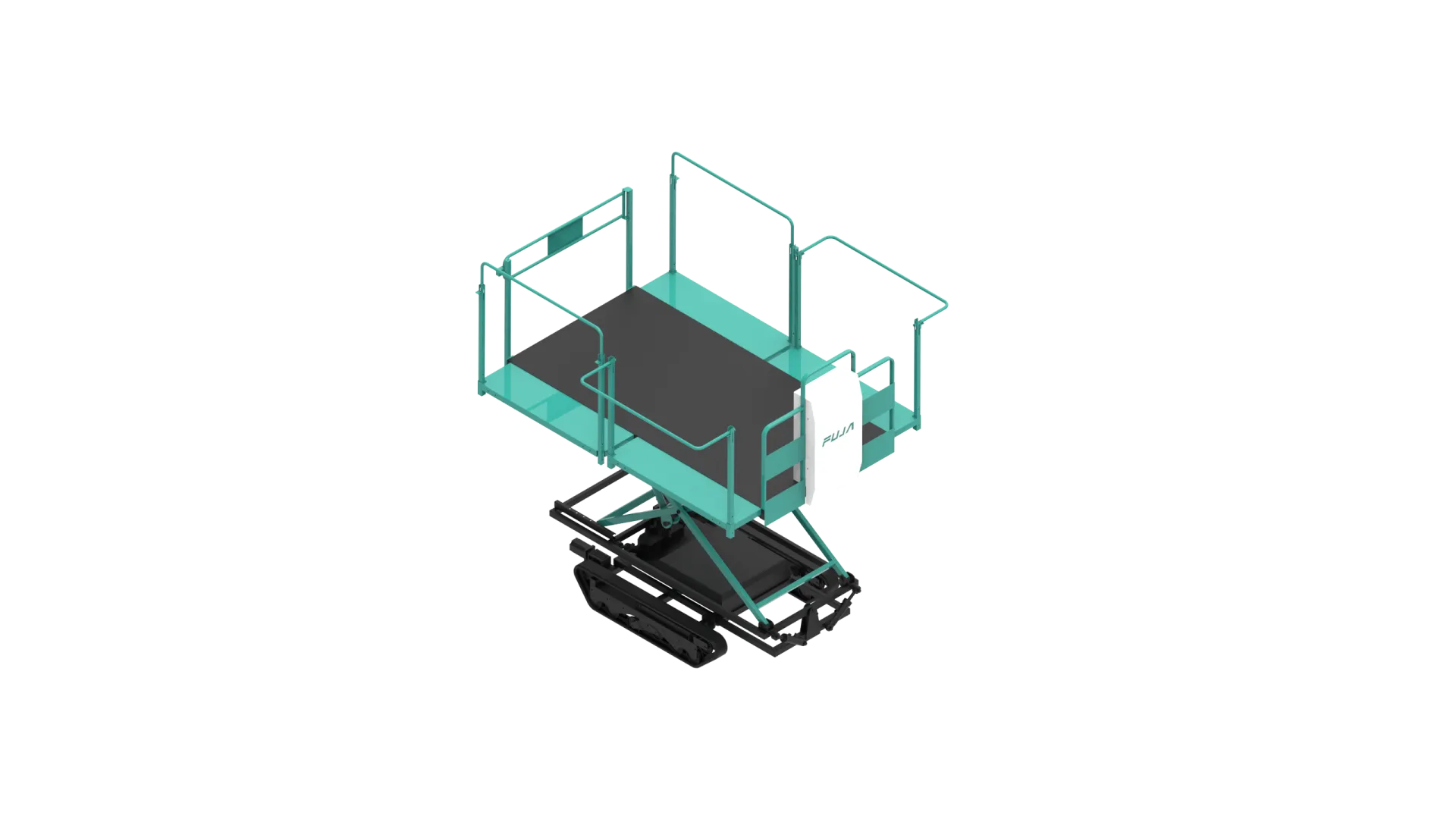

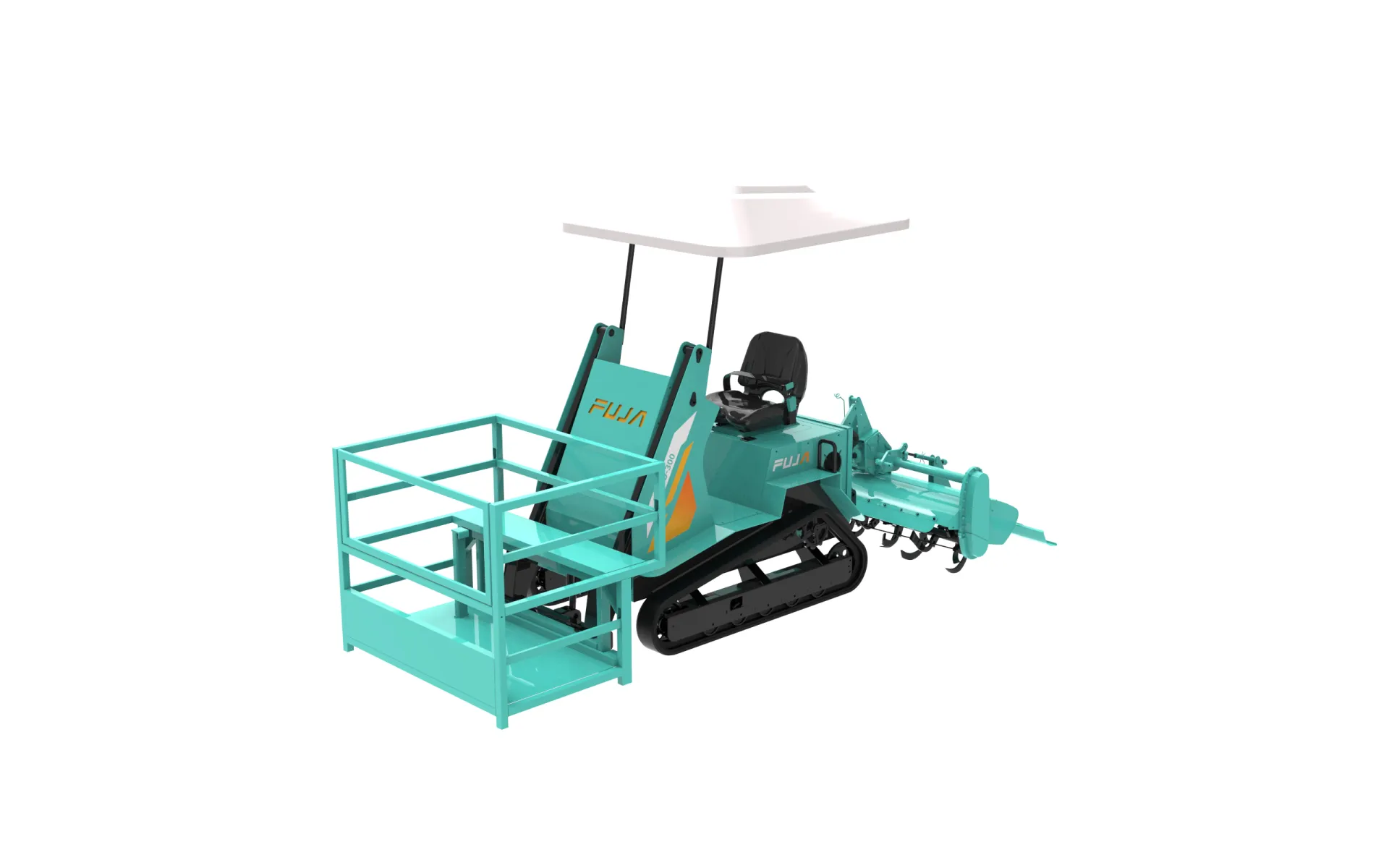
Crawler Multi-purpose Platform

Check Orchard Conditions Before Assessing Fit

A platform that suits one orchard may not suit another. Start by measuring the narrowest row clearance, headlands, gateways, and storage access. Record the surface type and note soft ground, ruts, gradients, drainage issues, or uneven areas. For sloping sites or variable soil, do not infer capability from the product category: ask for the model’s documented grade limits and operating restrictions, then compare them with the actual route and work area. Next, describe the task. Pruning and harvesting can require different working positions, reach, time at height, and movement patterns. Estimate the number of workers and tools that need to be on the platform, then check those figures against the stated rated load rather than assuming the platform can carry a full crew. Machine width, turning needs, working height, and platform capacity are essential comparison points, but none has been supplied for a specific model here. Agricultural Machinery Manufacturer & Supplier identifies global service as a brand capability; buyers operating in remote orchards should separately confirm local support arrangements and what assistance is available for the exact machine. Proceed only when the model’s documented limits match the orchard’s measured conditions.

Crawler Multi-purpose Platform

Prepare a Model-Specific Enquiry

A useful first enquiry gives the supplier enough information to identify which machine details need checking. Send the crop and tree-row layout, narrowest passage width, headland dimensions, terrain and slope, and the tasks the platform must perform. Include the expected operator and tool load, desired working height, typical daily use, and how the machine will be transported and stored. Photos or a simple site sketch can clarify access constraints, but they do not replace written measurements. Ask Agricultural Machinery Manufacturer & Supplier to respond with the proposed model designation and its current datasheet. Request confirmation of rated platform load, working height, overall width and length, turning requirements, permitted ground and slope conditions, power and charging specifications, safety features, and any available attachments. Ask which items are standard and which, if any, are optional; the supplied information does not establish that attachments or particular configurations are available. Also request the relevant CE documentation for the exact model and clarify the service contact for your region. Compare the written answers with your site notes before moving to commercial discussions. This creates a clear record of requirements and reduces the risk of evaluating an unsuitable configuration.

News

Industry updates

Products

Production modules

Why Choose Us

A Manufacturing and R&D Base for Practical Equipment Discussions

Agricultural Machinery Manufacturer & Supplier positions itself as a high-end agricultural machinery brand, with a stated 68,000 m2 smart manufacturing base and an intelligent R&D team focused on real-world design challenges. For buyers considering an Electric Orchard Work Platform, those resources provide a basis for asking detailed questions about the proposed machine’s design and production, while the actual model documentation remains the deciding evidence for its capabilities. The brand also describes precision manufacturing as part of its approach and reports serving 150+ customers. These are company-provided credentials, not performance figures for a particular platform, so buyers should ask how quality checks apply to the model under review and request the relevant records where appropriate. CE is listed as a brand credential; confirm the declaration and scope for the specific machine rather than assuming that every product configuration is covered. The company identifies global service as an offering, which gives international buyers a reason to clarify regional support contacts, parts channels, and service procedures before ordering. A practical supplier discussion should connect the orchard’s measured conditions to written specifications, documentation, and support details, without relying on broad brand claims alone.

FAQ

Common technical questions

What should I compare between two electric orchard platforms?

Compare the model-specific rated load, working height, overall width, turning requirements, slope limits, ground conditions, power and charging details, and safety provisions. Check that both suppliers define these figures consistently and provide them in current documentation; no comparative model specifications have been provided here.

Can an electric orchard platform work on sloping or uneven ground?

That depends on the exact machine and site. Describe the gradients, soil, ruts, and route to the supplier, then check the model’s documented operating limits and restrictions. Do not assume a platform is suitable for slopes or soft ground based only on its product category.

What information should I send to request a suitable model recommendation?

Provide row spacing and narrowest access width, headland and gateway measurements, terrain, crop and task, required working height, expected people-and-tool load, daily usage, and transport or storage constraints. Ask for the proposed model’s datasheet and written confirmation against each requirement.

What should operators confirm before using a platform in the orchard?

Follow the machine-specific operating manual and training requirements. Before work, confirm that the site conditions, load, route, and intended task fall within the documented limits, and inspect the equipment according to the manufacturer’s instructions. Obtain the correct procedures for the exact model rather than relying on general guidance.

Need a solution for your project?

Share your product type, target capacity, and application requirements. Our team can review the details and recommend a practical next step.

Contact Us