Home » crawler tractor in Thailand for agriculture

Crawler Tractor in Thailand for Agriculture

crawler tractor in Thailand for agriculture

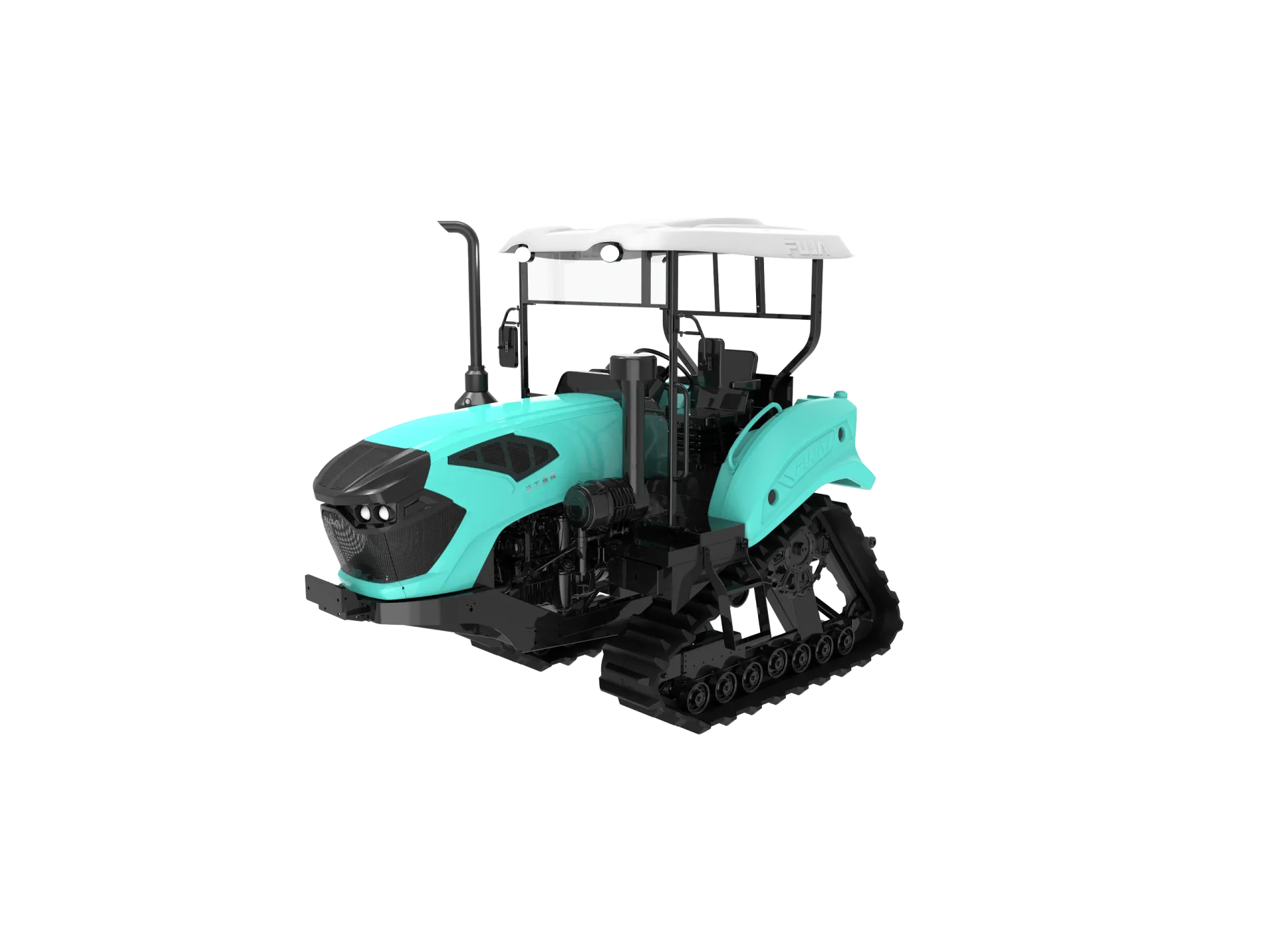
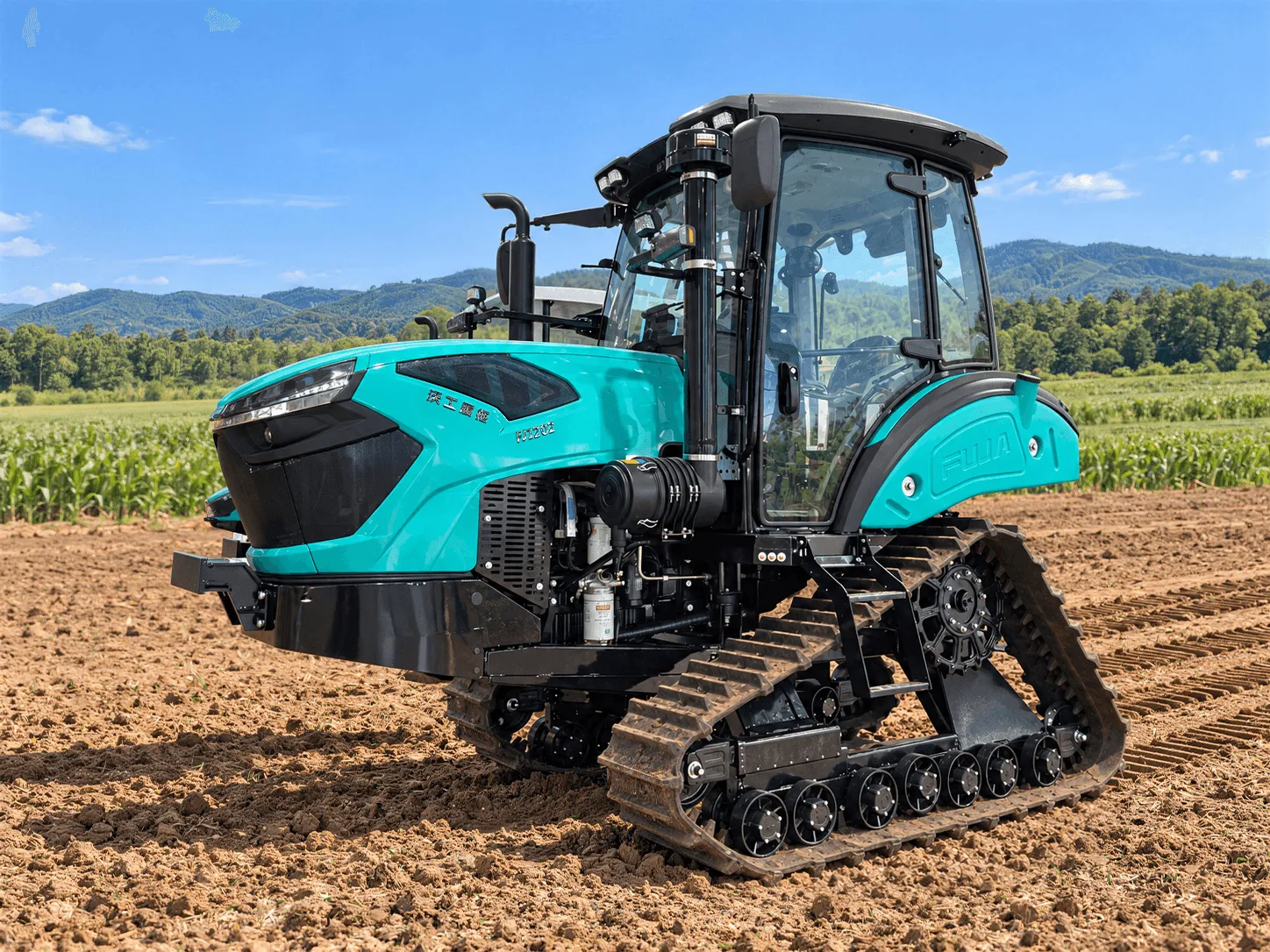
Agricultural work in Thailand can range from wet paddy fields and soft ground to sloping plots and compact farm access routes. A crawler tractor may be suitable where low ground pressure and tracked traction match the soil and task, but suitability depends on machine specifications that have not been provided here. Before choosing a model, confirm operating weight, track dimensions, ground clearance, engine output, turning space, and compatibility with the intended implements. These details affect flotation, traction, maneuverability, and the risk of soil disturbance or getting stuck. Agricultural Machinery Manufacturer & Supplier brings an innovation-led approach to equipment development, supported by a 68,000 m2 smart manufacturing base, intelligent R&D, and global service. The company also states that it serves more than 150 customers and holds CE certification; this does not establish that a particular crawler tractor configuration is CE certified. For Thai farms, the useful starting point is a clear description of field conditions and work requirements, followed by confirmation of the available machine specifications. That helps determine whether a tracked tractor is a practical match rather than assuming that every crawler design suits every farm.

Technical Detail

Configured around process stability, mold life, and long-term uptime.

A crawler tractor in Thailand for agriculture should be assessed against the work it will perform, not just the fact that it uses tracks. On soft or recently flooded ground, track contact can help distribute machine weight, while the actual result depends on operating weight, track width, soil condition, and water depth. On firmer ground or narrow plots, turning radius, transport access, and surface impact may matter more. No model, technical data sheet, attachment list, or operating limits were supplied for this page, so specific claims about power, dimensions, load capacity, speed, or supported implements cannot be verified. Agricultural Machinery Manufacturer & Supplier describes its production base as a 68,000 m2 smart manufacturing facility and identifies intelligent R&D and precision manufacturing as areas of focus. Those capabilities provide context for discussing equipment requirements, but they do not confirm a particular crawler tractor’s design or configuration. The company also states it serves 150+ customers and has CE certification; buyers should confirm which products and configurations the certification covers. To assess a proposed machine, compare its published specifications with soil bearing conditions, field access, annual workload, and implement requirements. Request the applicable product documentation before deciding whether a crawler tractor is appropriate for a Thai agricultural operation.

Heavy-Duty Farm Crawler Tractor

How Tracks Affect Traction and Soil Contact

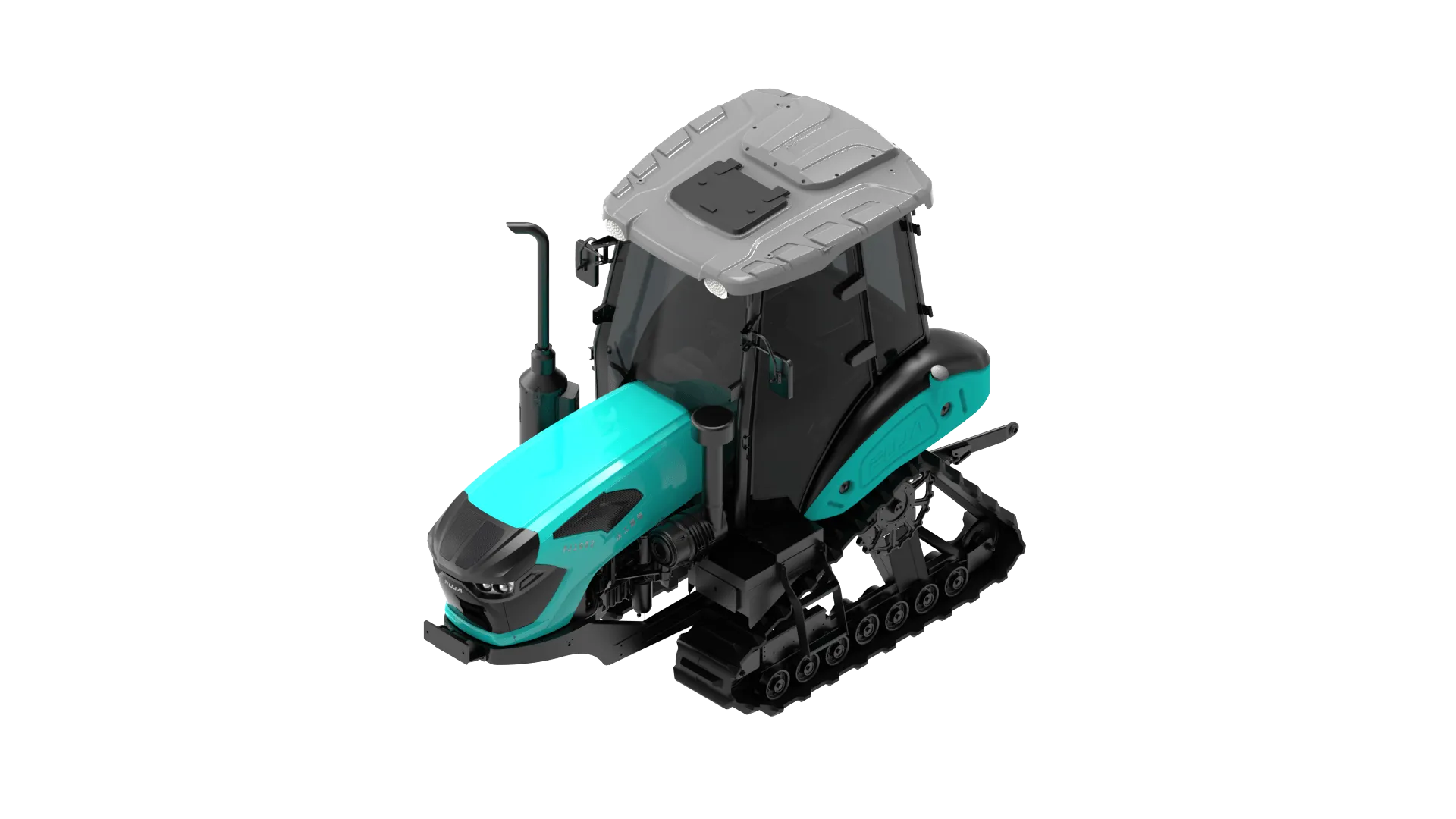
A crawler tractor moves through continuous tracks rather than relying on wheels alone for contact with the ground. Its practical traction and flotation depend on the track footprint and the weight carried by the machine. In agricultural fields, those factors interact with soil moisture, surface firmness, and the depth of soft ground. A wider footprint may distribute weight over a larger area, but width alone does not establish performance: track design, machine mass, and operating conditions also matter. Turning can disturb soil, particularly when a tracked machine pivots or works on wet ground, so maneuvering method and available headland space should be considered alongside straight-line traction. For a specific model, buyers need the manufacturer’s track dimensions, operating weight, ground clearance, and guidance on suitable soil conditions. The supplier identifies intelligent R&D and smart manufacturing as parts of its business, but no crawler-specific technical drawings or track data are available here. Treat those details as questions for product review, not assumptions. Understanding how the track footprint relates to the field helps a farm team evaluate the machine’s likely behavior before scheduling a field trial or specifying attachments.

Heavy-Duty Farm Crawler Tractor

Check Thai Field Conditions Before Assuming Fit

A crawler tractor may suit some Thai agricultural tasks, but the match depends on the field, season, and access route. Wet paddy soil, soft ground after rain, sloping land, and compact plots create different demands. A machine that gains traction in soft soil may still be unsuitable if it cannot enter through a narrow farm route, turn within the available headland, or operate without unacceptable surface disturbance. Workload matters too: intermittent field preparation is different from extended operation with a heavy implement. There are no product specifications here to confirm permissible gradients, water depth, operating temperature, ground pressure, or implement loads. Ask for the limits documented for the exact model, then compare them with observed conditions on the farm, including the wettest expected period and the firmest access path. Incorrect selection can lead to poor traction, excessive soil compaction or rutting, difficult maneuvering, and avoidable wear; the specific risks depend on machine design and use. The supplier’s global service positioning may be relevant to support discussions, but local coverage and response arrangements are not specified. Confirm those arrangements before relying on them for a Thai deployment.

Heavy-Duty Farm Crawler Tractor

Prepare a Practical Request for Configuration Advice

Before requesting a crawler tractor proposal, assemble the information that determines whether a configuration can be assessed. Describe the crop and field operations, soil type, typical moisture, slopes if any, narrowest access point, turning space, and expected hours of use. Identify each implement by type and provide its working width, connection method, and any known weight or power requirements. Ask the supplier to provide the candidate machine’s operating weight, track dimensions, ground clearance, engine output, turning requirements, compatible implements, and stated operating limits. Request the relevant product documents and clarify whether CE certification applies to that exact model and configuration; the brand’s general CE claim is not enough to verify product-level coverage. Ask how routine maintenance is specified for the tracks and undercarriage, and which service resources are available in Thailand. If a detail is unknown, mark it as unknown rather than substituting an estimate. Agricultural Machinery Manufacturer & Supplier cites intelligent R&D, precision manufacturing, a 68,000 m2 manufacturing base, and more than 150 customers. Use a technical discussion to establish what is documented for the machine, then compare the confirmed configuration with the farm’s actual operating conditions.

News

Industry updates

Products

Production modules

Why Choose Us

An Agricultural Machinery Partner With Manufacturing and R&D

Agricultural Machinery Manufacturer & Supplier presents itself as a high-end agricultural machinery manufacturer and supplier with a focus on innovation. Its stated 68,000 m2 smart manufacturing base gives buyers a concrete point to explore when discussing production capability and product documentation. The company also identifies intelligent R&D as a way to address real operating challenges and precision manufacturing as part of its approach to equipment performance. For crawler tractor buyers, the practical value of these claims is determined through the specific model: ask for its technical data, configuration options, quality documentation, and evidence that the proposed machine matches the field conditions. The brand reports serving more than 150 customers, which provides general business context without establishing suitability for a particular farm or application. It also lists CE certification; confirm the certificate scope and whether it covers the exact product being considered. Global service is another stated strength, but support locations, parts availability, and response arrangements for Thailand are not detailed here and should be verified directly. This gives buyers a grounded basis for comparing the manufacturer’s capabilities with the documentation and support needed for their operation.

FAQ

Common technical questions

What specifications should I compare when evaluating crawler tractors for Thai farms?

Start with operating weight, track width and length, ground clearance, engine output, turning requirements, and the documented limits for soil and slope conditions. Compare these figures with your field and implement requirements; no model specifications are provided here.

Can a crawler tractor work in wet rice fields?

It may be suitable in some conditions, but the answer depends on soil bearing capacity, water depth, track design, machine weight, and the work being done. Confirm the exact model’s operating guidance and assess the field before purchase.

What should I check before using a crawler tractor with an implement?

Verify that the implement is approved or specified as compatible with the tractor, and check its connection, working width, weight, and power demand against the machine documentation. Do not infer compatibility from appearance alone.

How can I reduce track and undercarriage problems during operation?

Follow the maintenance instructions for the exact model and inspect the tracks and undercarriage at the intervals the manufacturer specifies. Since no maintenance schedule was provided, request the operator manual and service requirements before use.

Need a solution for your project?

Share your product type, target capacity, and application requirements. Our team can review the details and recommend a practical next step.

Contact Us