Home » Vegetable Seeding and Sowing Line supplier

Vegetable Seeding and Sowing Line Supplier for Project Review

Vegetable Seeding and Sowing Line supplier

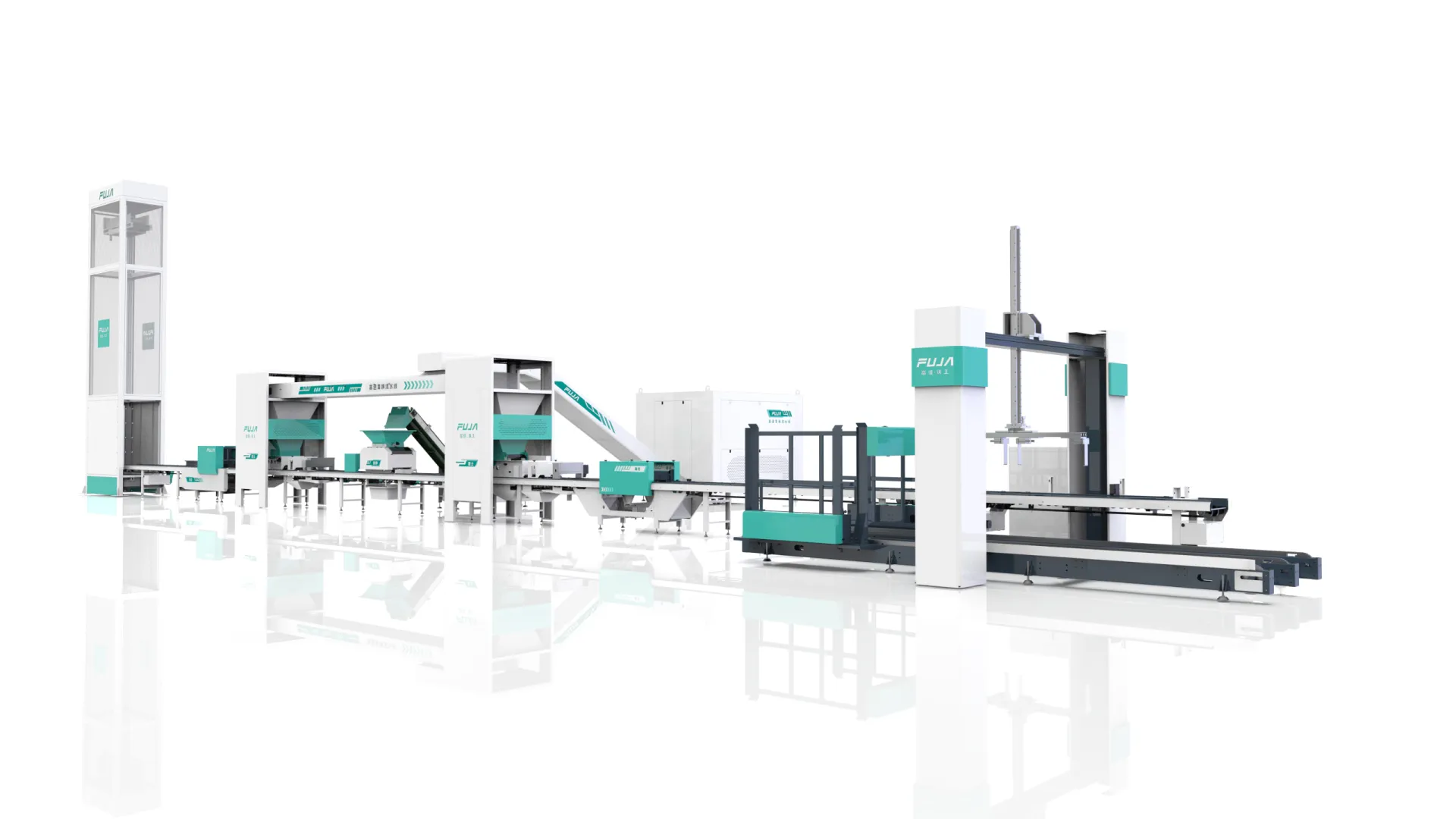
Selecting a Vegetable Seeding and Sowing Line supplier involves more than comparing equipment descriptions. Buyers need to establish what the supplier actually manufactures, how production quality is managed, and which documents can be reviewed before a project moves forward. Agricultural Machinery Manufacturer & Supplier presents itself as a high-end, innovation-focused manufacturer, with a stated 68,000 m2 smart manufacturing base and experience serving more than 150 customers. The company also lists CE among its certifications, although the applicable product and supporting documentation should be confirmed for the specific equipment under consideration. No product model, line configuration, capacity, or technical specification has been provided here, so those details should be verified directly rather than assumed. This page offers a practical starting point for supplier screening: review the company’s manufacturing and R&D approach, request evidence relevant to your intended line, and clarify the scope of supply before requesting a formal quotation. A focused first inquiry can help both sides determine whether a technical review is worthwhile.

Technical Detail

Configured around process stability, mold life, and long-term uptime.

For buyers evaluating a Vegetable Seeding and Sowing Line supplier, the first question is whether the company can be assessed against the requirements of the intended project. Agricultural Machinery Manufacturer & Supplier describes itself as a high-end agricultural machinery manufacturer and supplier. Its stated 68,000 m2 smart manufacturing base and customer base of more than 150 provide company-level context for an initial review, but they do not by themselves confirm the configuration or capability of any specific vegetable seeding line. No product catalogue, line layout, output rate, seed-size range, or component list has been supplied for this page. Request those details for the exact model or proposed configuration before comparing offers. The brand lists CE certification; ask which equipment and configuration the certificate covers, and request the relevant documentation for verification. This is particularly important when equipment will be installed or operated in a market with defined compliance requirements. Treat these stated credentials as points to verify during due diligence, not as a substitute for project-specific technical evidence. Before advancing to commercial discussions, establish the proposed supply boundary: which machines are included, what interfaces or utilities are required, and what documentation accompanies the equipment. These checks help determine whether the supplier is a suitable candidate for technical review without assuming unprovided specifications or service commitments.

Vegetable Seeding and Sowing Line

How Smart Manufacturing and R&D Fit the Supplier Review

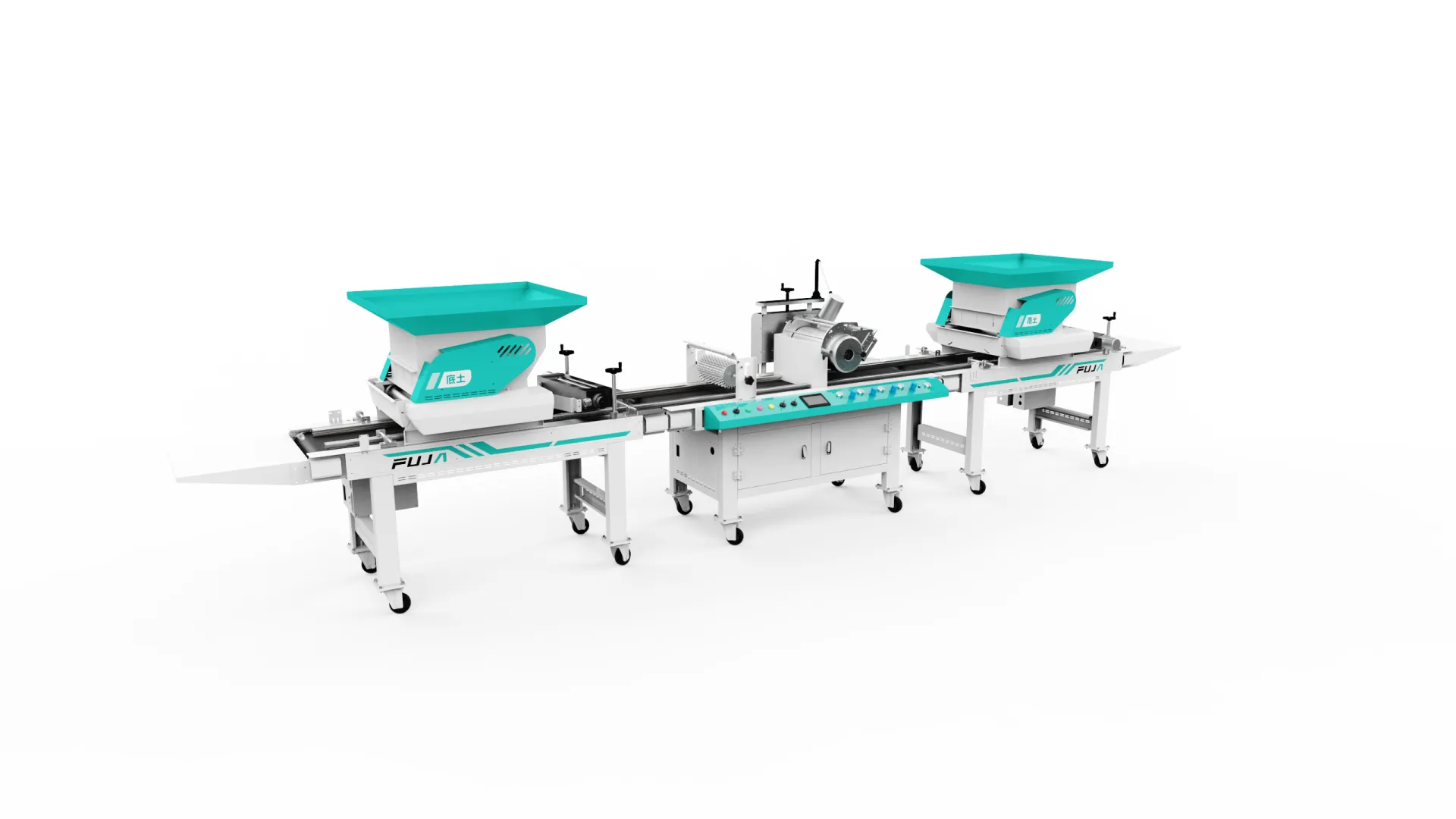
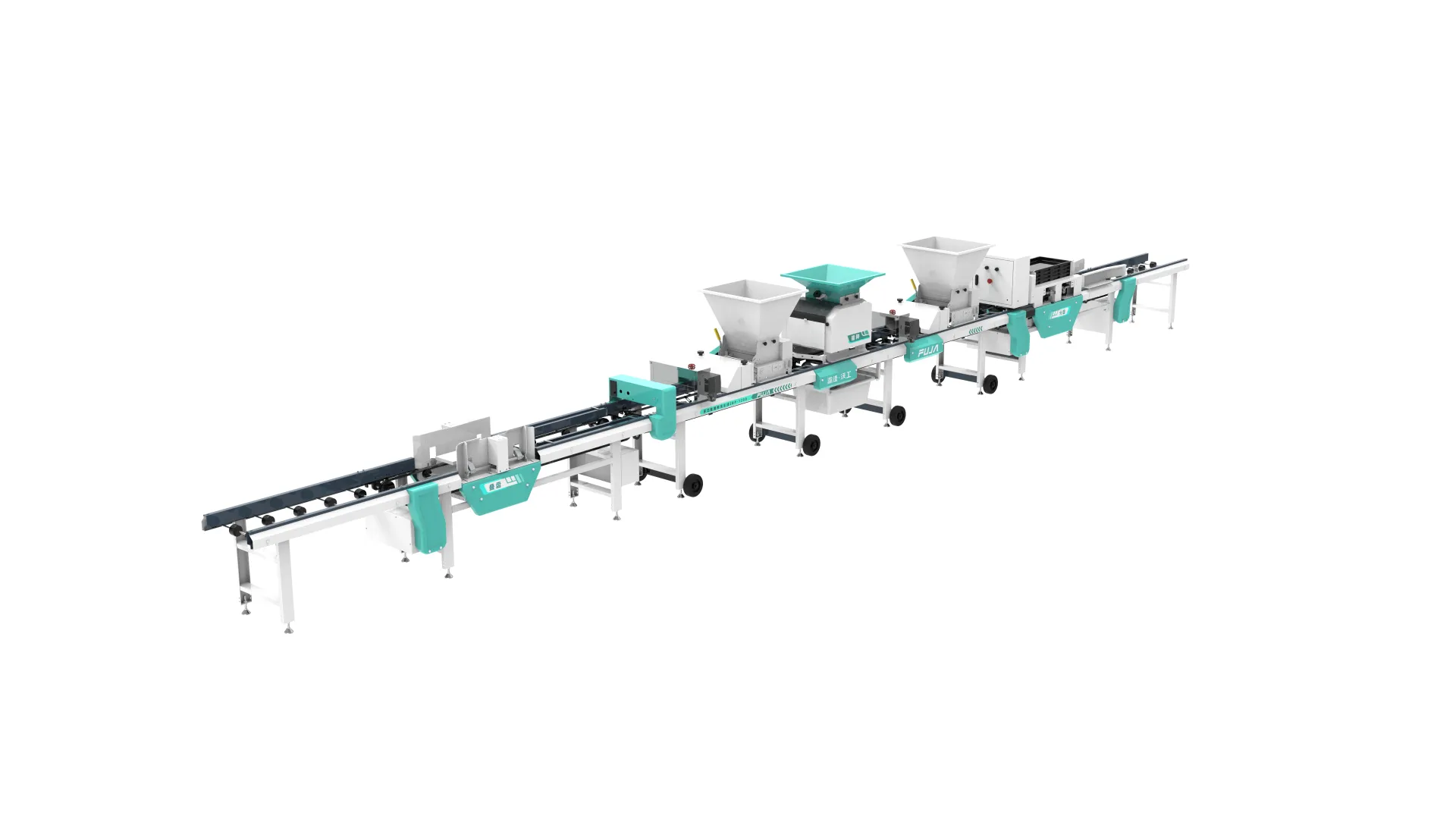
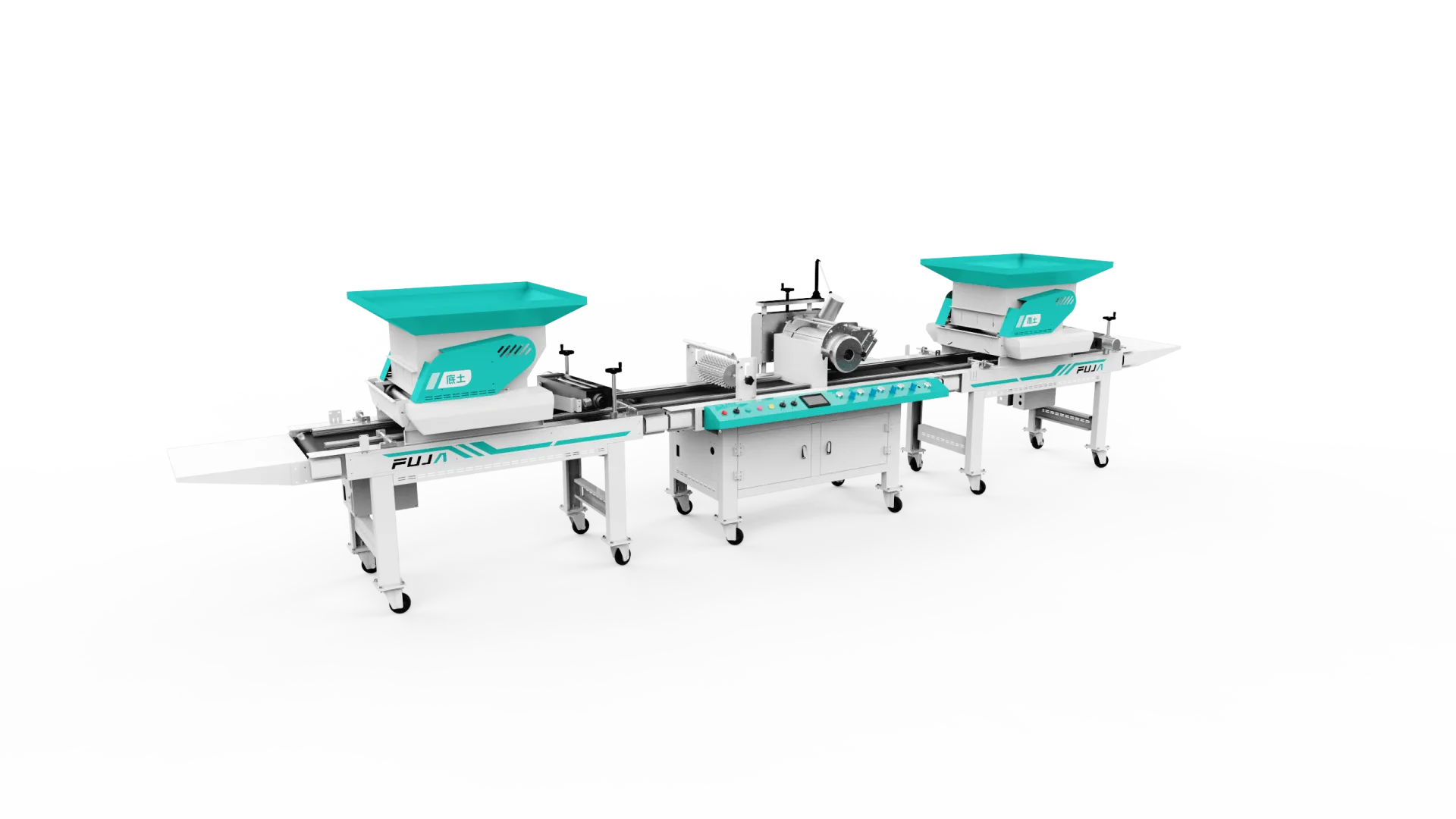
The company describes two parts of its operating approach: intelligent R&D focused on practical challenges and smart manufacturing intended to support consistent production. These statements can guide a supplier conversation, but buyers should connect them to evidence for the equipment they are considering. Ask how the proposed vegetable seeding and sowing line is designed for the crop and process in your project, and whether the supplier can provide drawings, a machine list, or an explanation of the line’s main stages. No specific manufacturing process, production equipment, or line architecture has been documented in the information available for this page, so those details need to come from the supplier. For manufacturing review, ask which production and assembly activities take place at the stated 68,000 m2 base and which, if any, are performed by external partners. Then ask what checks are recorded during assembly and before dispatch. A useful response should identify the documents or records available for the proposed configuration, rather than relying only on general statements about intelligent production. This approach helps a procurement team understand how the supplier’s R&D and manufacturing claims relate to the actual line being discussed.

Vegetable Seeding and Sowing Line

Evidence to Check Before Shortlisting the Supplier

A supplier’s stated scale and customer experience are useful screening context, but the shortlist decision should rest on project-relevant evidence. For a vegetable seeding and sowing line, first ask for the available product range and confirm whether the supplier offers a complete line, selected machines, or a configuration assembled for the project. The information provided here does not define that scope. Next, request the technical documents for the proposed equipment, such as an equipment list, layout, operating requirements, and any inspection records the supplier can share. Compare the documents with your crop, seed, site, and process requirements; do not treat an unverified output figure or compatibility claim as established. If CE compliance is required, confirm the exact model and configuration covered and review the supporting certificate or declaration. A supplier audit can also ask which quality-control points are recorded and whether test or inspection documentation is available before shipment. These questions create a practical go/no-go basis: proceed to technical discussion when the supplier can identify the relevant equipment and provide traceable evidence, and pause when essential scope or compliance details remain unclear.

Vegetable Seeding and Sowing Line

What to Include in Your First Technical Inquiry

A concise, specific inquiry makes it easier to establish whether the supplier can assess your project. Identify the crop and seed type, the intended sowing process, the site or production context, and any known constraints such as available space or existing equipment interfaces. Share the target line scope if known, while asking the supplier to clarify what machines and functions its proposed configuration would include. Since no line parameters or product models are provided here, request the supplier’s current technical documents rather than relying on assumed capacities or standard configurations. Ask for a preliminary equipment list and layout, applicable operating requirements, and the inspection or test records available for the proposed equipment. If the machinery will be used in a market requiring CE documentation, specify that need and ask which documents apply to the exact configuration. Also clarify what export paperwork and packaging information can be supplied for your destination, and ask the company to state the boundaries of any installation, commissioning, or after-sales support it offers. These points are questions to confirm, not commitments established by the information available. Use the supplier’s written response to decide whether to request a detailed technical review or quotation.

News

Industry updates

Products

Production modules

Why Choose Us

A Manufacturing Base and Global-Service Focus for Supplier Due Diligence

Agricultural Machinery Manufacturer & Supplier gives prospective buyers several concrete starting points for a supplier review: a stated 68,000 m2 smart manufacturing base, more than 150 customers, an intelligent R&D focus, and a stated global-service orientation. These details can help a procurement team decide what to investigate, while project-specific evidence should determine whether the company is a fit. Ask the supplier to connect its R&D approach to the design of the vegetable seeding and sowing equipment under discussion, and to explain which production and quality checks apply to that configuration. The brand also lists CE certification. Buyers should verify the relevant certificate or declaration and confirm that it covers the equipment proposed for their market. The company’s global-service positioning is another point to clarify directly: ask what support is available for your destination and what falls within the agreed scope. No specific service response times, warranty terms, audit documents, or customization limits have been provided here. A clear, documented answer to those questions is a stronger basis for progressing than a broad capability statement alone.

FAQ

Common technical questions

Does the listed CE certification cover every vegetable seeding and sowing line configuration?

That cannot be confirmed from the information provided. Ask for the CE certificate or declaration and verify the equipment models and configuration it covers before placing an order or completing compliance review.

Can I request a supplier audit or manufacturing evidence before shortlisting?

You can ask what audit access and manufacturing records the supplier can provide. The stated 68,000 m2 manufacturing base is company information, but no audit procedure or specific quality-control records have been supplied here.

What should I send to check whether the supplier can handle my crop and project?

Send the crop and seed details, intended sowing process, site constraints, desired supply scope, and destination market. Ask the supplier to identify a relevant configuration and provide its technical documents; no crop compatibility or line specification is established in the information available here.

What export and after-sales details should I confirm?

Ask which export documents and packaging details are available for your destination, and request written clarification of any installation, commissioning, warranty, or after-sales support included. The brand states a global-service focus, but specific terms have not been provided.

Need a solution for your project?

Share your product type, target capacity, and application requirements. Our team can review the details and recommend a practical next step.

Contact Us