Home » remote control tracked platform

Remote Control Tracked Platform for Agriculture

remote control tracked platform

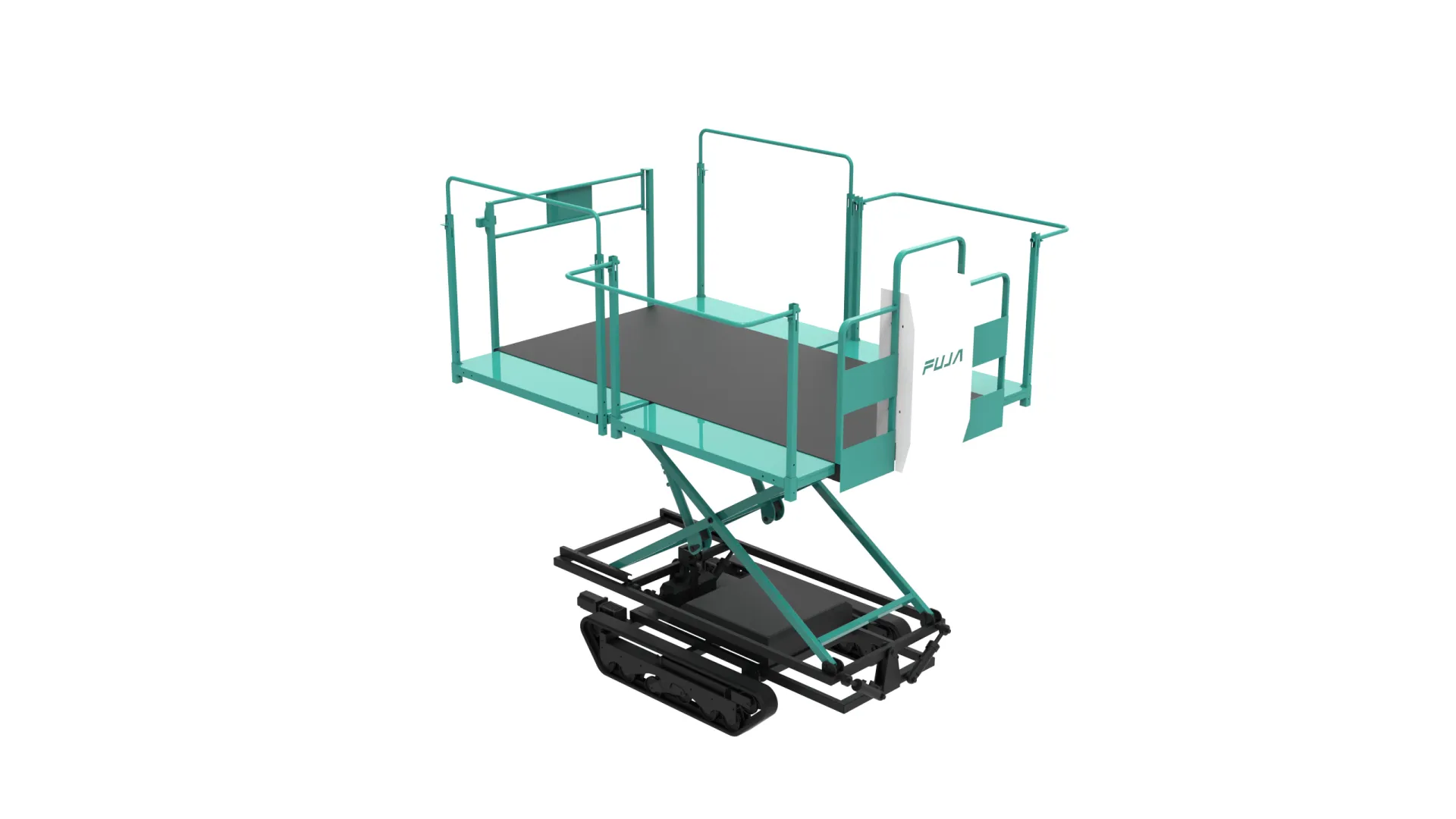
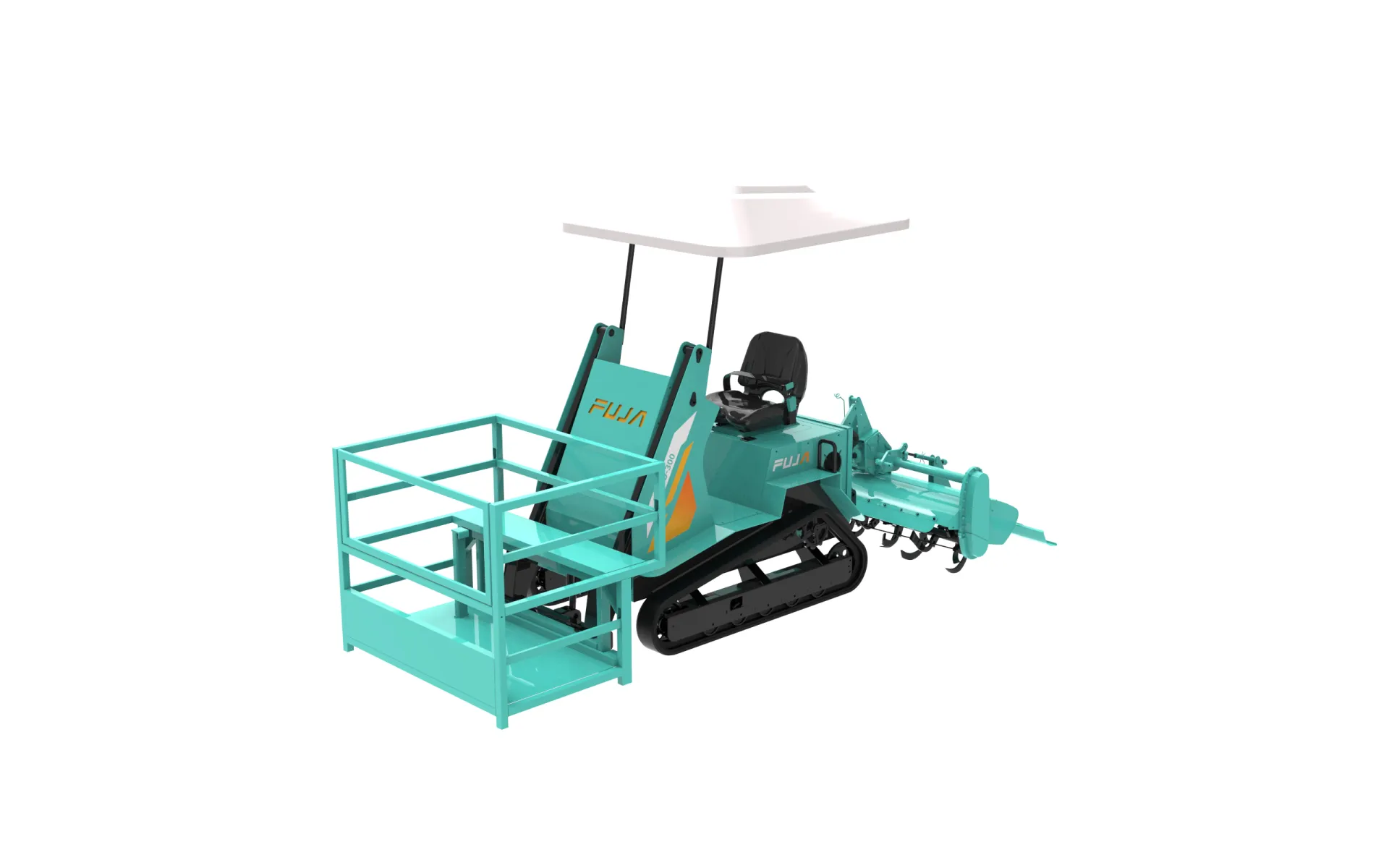
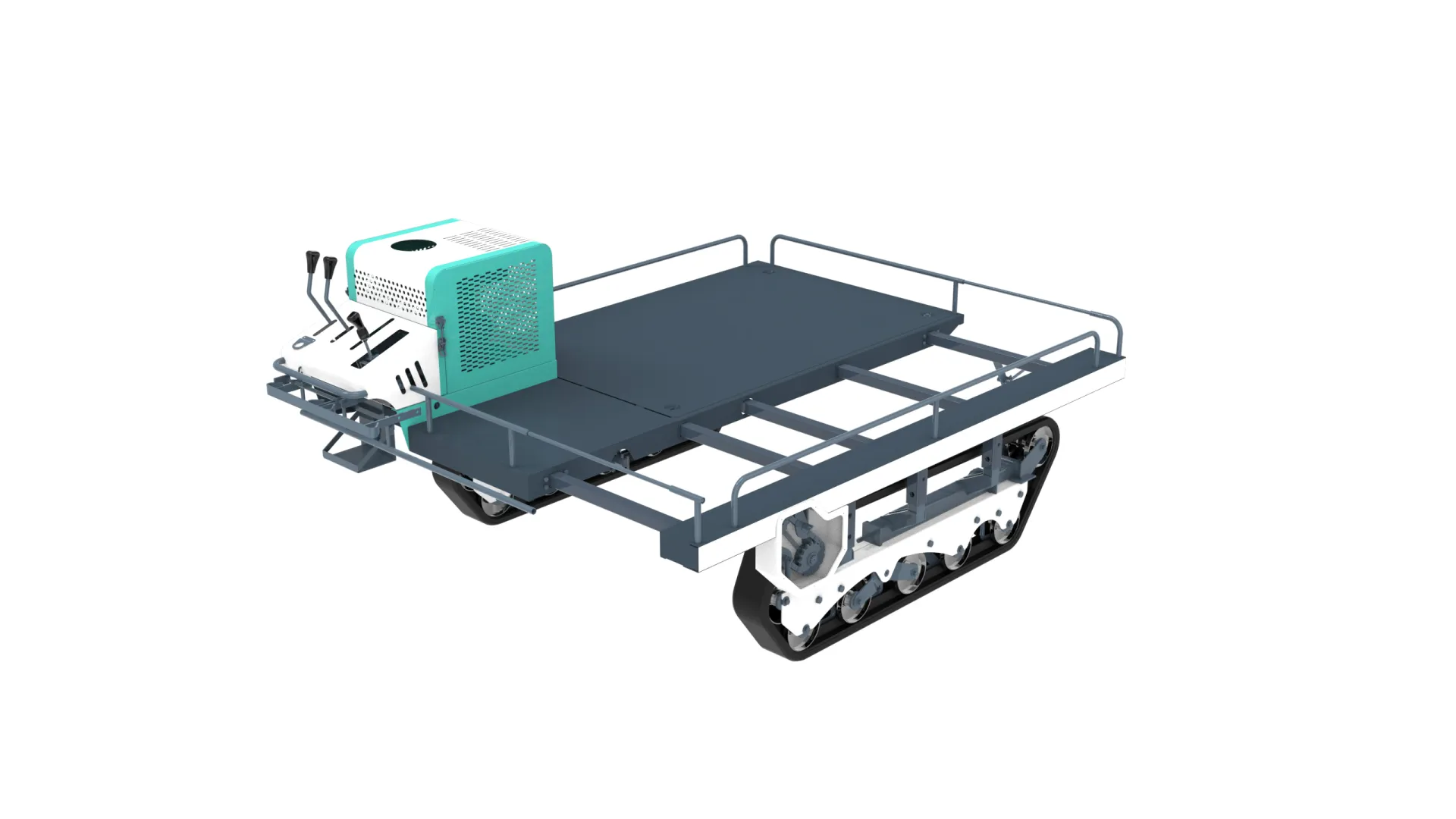
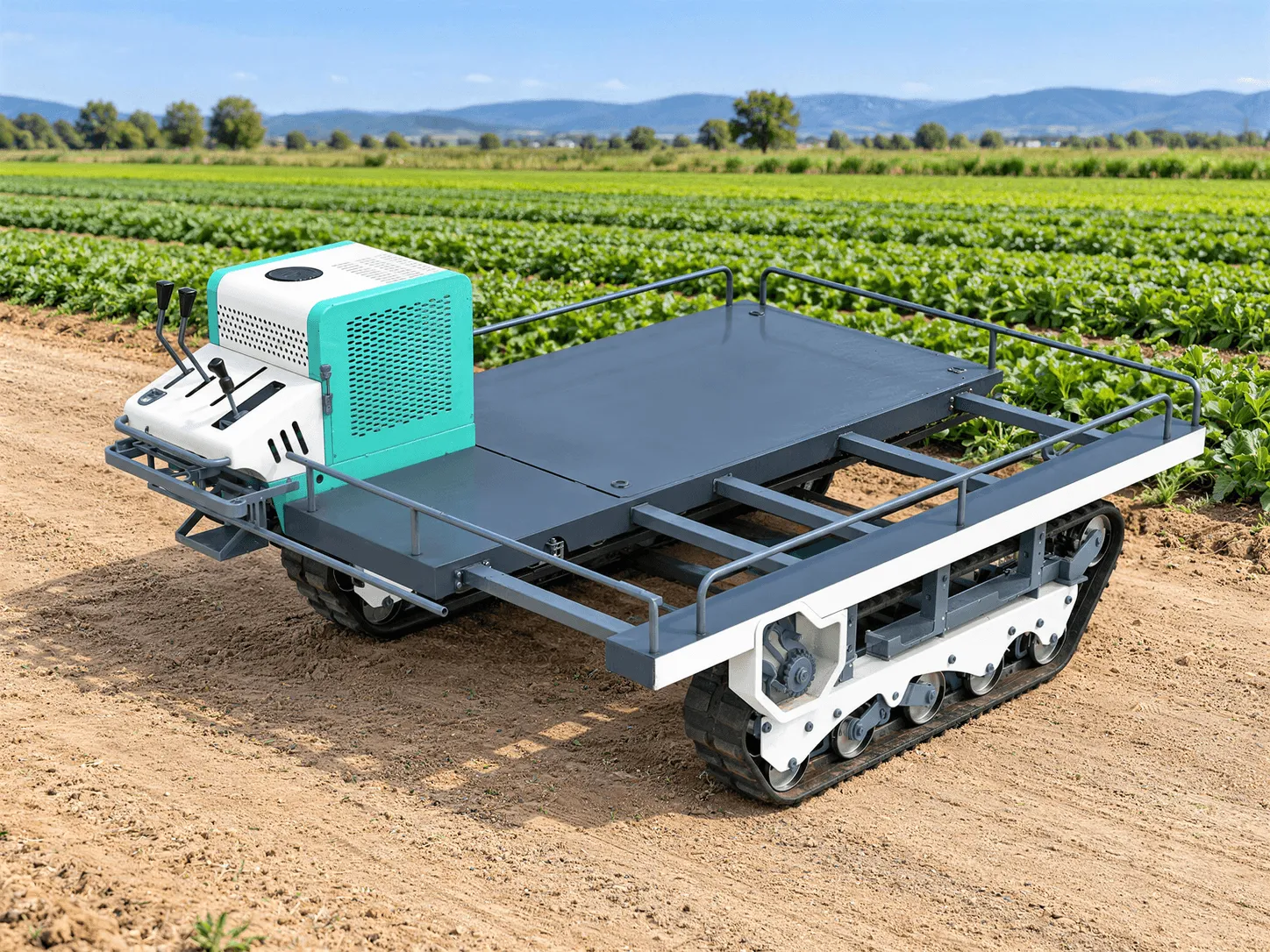
A remote control tracked platform is a tracked mobile machine or carrier operated from a distance rather than from an onboard driving position. For agricultural machinery buyers, it may be relevant where terrain, access, or operator positioning makes a remotely controlled tracked format worth evaluating. The term alone does not establish payload, speed, operating range, attachments, or whether a particular platform is designed for field work, orchards, or another task. Those details depend on the actual model and configuration. Agricultural Machinery Manufacturer & Supplier serves buyers seeking equipment for real-world agricultural challenges, with an innovation-focused position and a stated 68,000 m2 smart manufacturing base. Since no model-specific product data is available here, this page does not assign capabilities or performance figures to a particular platform. Buyers should first define the job, terrain, and required implement, then confirm the machine’s documented limits and control arrangement. Share those requirements with our team to determine whether a suitable configuration is available and what technical information should be reviewed before purchase.

Technical Detail

Configured around process stability, mold life, and long-term uptime.

A remote control tracked platform describes a tracked vehicle or carrier whose movement is directed remotely. In agricultural purchasing, the format may be considered when a buyer needs to investigate machine access or operation without an onboard driver. The phrase does not identify a specific model, and no product datasheet, dimensional drawing, payload rating, control range, power source, or attachment list has been provided. These details should therefore be confirmed before treating any platform as suitable for a particular task. Agricultural Machinery Manufacturer & Supplier positions its work around smarter design for real-world challenges and precision-oriented smart manufacturing. The company states that it operates a 68,000 m2 smart manufacturing base and serves 150+ customers. These are company-level facts, not specifications or performance evidence for a particular remote control tracked platform. The brand also lists CE among its certifications; buyers should verify whether the relevant machine and configuration are covered by applicable CE documentation. For an initial technical review, provide the intended task, site conditions, expected load, and any implement or interface requirements. Our team can then clarify which model information, operating limits, and compliance documents are available for the proposed configuration. This keeps the discussion grounded in the actual machine rather than assumptions based on the product category name.

Crawler Carriers

How Remote-Controlled Tracked Platforms Are Defined

The product name combines two different attributes: tracked mobility and remote operation. Tracks indicate the type of ground-contact system, while “remote control” indicates that an operator directs the machine from a separate position. The name does not, by itself, reveal how the controls communicate, what safety functions are fitted, or whether the platform carries tools, materials, or another load. Those points must come from model-specific technical documents. For buyers assessing Agricultural Machinery Manufacturer & Supplier, the useful starting point is to request the platform’s configuration description and operating instructions. Check how steering and travel are controlled, what the operator can monitor, and what actions are required if control is interrupted. Also establish whether the machine is supplied as a bare carrier or with a stated implement. The company describes its R&D as focused on smarter design for real-world challenges, but no platform structure or control-system details are available here. Treat the category name as an initial description, not a substitute for a drawing, specification sheet, or confirmed list of included components.
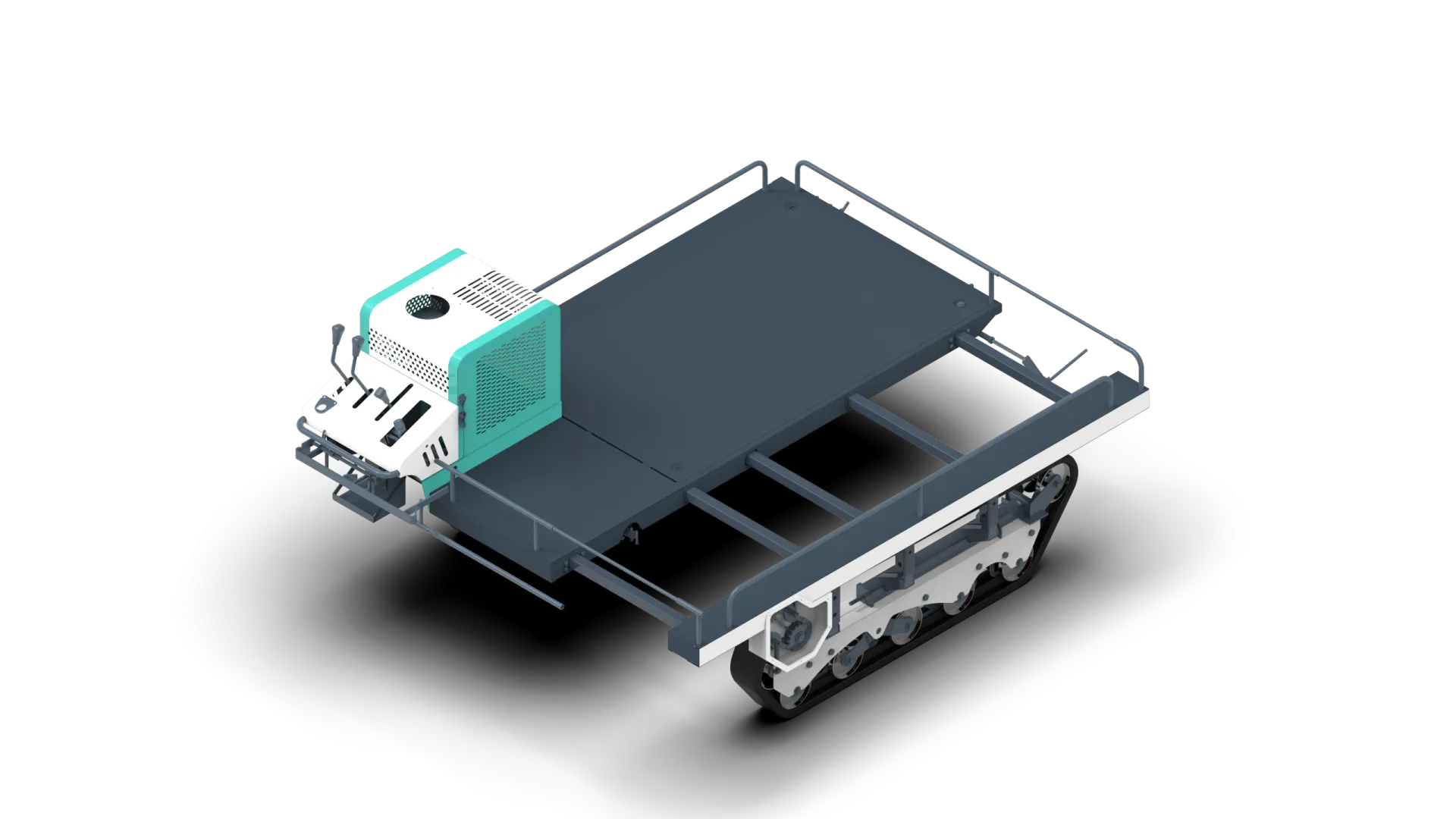

Crawler Carriers

Check the Worksite Before Judging Suitability

Suitability depends on the actual terrain and task, not simply on the presence of tracks or remote control. Before considering a platform, describe the surfaces it must cross, the slope and ground conditions expected, the available working space, and whether the route includes obstacles or transitions. Then clarify the intended duty: carrying a load, moving an implement, or performing another operation. No payload, gradeability, ground-pressure, clearance, or weather limits have been supplied for this product, so none should be assumed. A practical assessment compares each site requirement with a documented machine limit. If the work involves soft ground, narrow access, uneven rows, or operation near people, ask the supplier to address those conditions explicitly and identify any operating restrictions. Agricultural Machinery Manufacturer & Supplier cites smart manufacturing and experience serving 150+ customers at company level; these statements do not establish that a particular platform has been validated for a specific field or worksite. Obtain written confirmation for the intended conditions before specifying the machine in a project.

Crawler Carriers

Prepare a Focused Platform Inquiry

A useful first inquiry gives the supplier enough detail to identify what must be confirmed without presuming a model or configuration. State the task and where the machine will operate, including typical ground conditions and any confined access. Describe the load or implement involved, if applicable, and provide its weight, dimensions, and connection requirements when known. Identify whether the operator needs any particular control or monitoring functions, but ask which options are actually available rather than assuming them. Request the candidate model’s datasheet, overall dimensions, operating limits, control-system description, and list of included equipment. If CE compliance is relevant to the destination market, ask for documentation that applies to the specific model and configuration; the company’s general certification information alone does not confirm product coverage. Agricultural Machinery Manufacturer & Supplier presents itself as serving customers globally, but project-specific service arrangements should be confirmed directly. With these details, the team can respond against a defined use case and identify missing technical questions before a purchase decision.

News

Industry updates

Products

Production modules

Why Choose Us

Agricultural Machinery Built Around Practical Requirements

Agricultural Machinery Manufacturer & Supplier describes its approach through intelligent R&D, smart manufacturing, and global service. Its stated 68,000 m2 smart manufacturing base provides a company-level point of reference for buyers assessing manufacturing capacity; it should not be read as a model-specific production claim. The brand says its R&D focuses on smarter design for real-world challenges, which gives technical discussions a practical starting point: explain the worksite and task, then ask what the available machine documentation supports. The company also reports serving 150+ customers and positions its service around supporting farmers everywhere. These statements are useful context, but prospective buyers should confirm the support scope for their region and the proposed platform. CE is listed among the brand’s certifications; request the applicable documentation for the exact machine and configuration rather than relying on a general brand-level reference. For a remote control tracked platform, the most dependable evaluation is based on a confirmed specification, stated operating limits, and clear answers to configuration and compliance questions. Contact the team with those requirements to begin a focused technical review.

FAQ

Common technical questions

What specifications should I compare between remote control tracked platforms?

Compare documented dimensions, payload or carrying capacity, operating limits, control functions, power system, and included equipment where those details are available. No model-specific figures have been provided for this platform, so request the datasheet for the exact configuration rather than relying on category-level assumptions.

Can a remote control tracked platform work on steep or soft ground?

That depends on the model’s documented terrain limits and the actual site conditions. Ask the supplier to assess slope, soil, surface transitions, and expected load. No gradeability or ground-pressure figures are available here, so suitability should be confirmed before deployment.

What information should I send to request a suitable configuration?

Describe the task, worksite, ground conditions, expected load or implement, access constraints, and destination market. Include known dimensions and interface requirements. Ask for the matching model documentation, operating limits, included equipment, and applicable compliance records.

Does the brand’s CE certification confirm that every platform configuration is CE compliant?

Not necessarily. CE is listed as a brand certification, but coverage for a specific product depends on the relevant machine and configuration. Request the applicable CE documentation for the model you are considering.

Need a solution for your project?

Share your product type, target capacity, and application requirements. Our team can review the details and recommend a practical next step.

Contact Us