Home » crawler tractors in Thailand for agriculture

Crawler Tractors in Thailand for Agriculture: Check Field Fit

crawler tractors in Thailand for agriculture

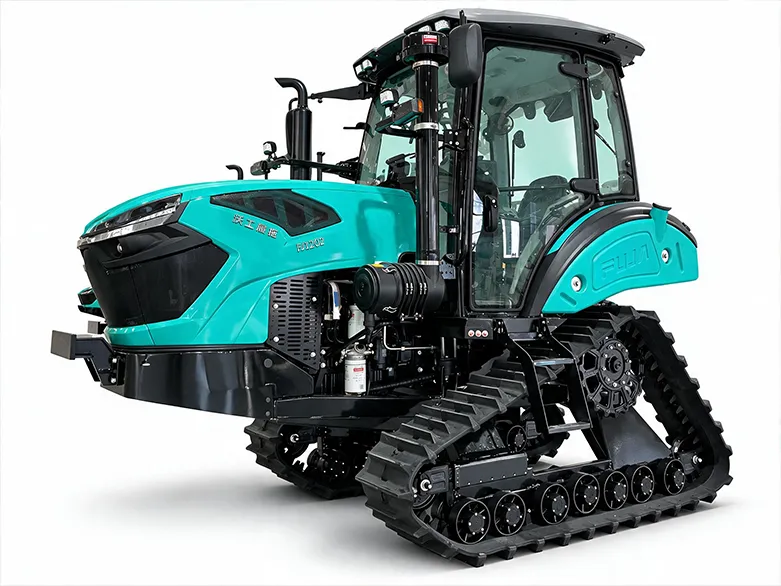
A crawler tractor may suit agricultural work in Thailand where fields are soft, uneven or difficult for wheeled equipment to cross. But the keyword alone does not identify a specific machine, and no tractor specifications or attachment details have been provided here. That matters: ground pressure, operating weight, available power, track design and implement compatibility all affect whether a machine can work safely and productively in a particular field. A tractor that is poorly matched to wet ground or the required workload may struggle to maintain traction, damage soil, consume more fuel than expected or fail to complete the intended task efficiently. Agricultural Machinery Manufacturer & Supplier approaches these questions through intelligent R&D and smart manufacturing, with a 68,000 m2 manufacturing base and experience serving more than 150 customers. This page outlines the field conditions buyers should check before considering crawler tractors in Thailand for agriculture. Share the crop, terrain, seasonal conditions and planned tasks with the supplier to establish whether a suitable configuration can be confirmed.

Technical Detail

Configured around process stability, mold life, and long-term uptime.

For farms considering crawler tractors in Thailand for agriculture, the first question is not simply whether tracks can travel across a field. Suitability depends on the machine’s verified specifications and the conditions it will face. Thailand’s agricultural operations can involve differing soil moisture, field access and seasonal working conditions; a configuration that works on firm ground may not perform the same way in saturated soil or on a confined plot. No model, engine rating, operating weight, track dimensions, ground-pressure figure or implement list has been supplied for this page, so these details should be confirmed before making a purchase decision. Agricultural Machinery Manufacturer & Supplier describes its approach through intelligent R&D for real-world challenges and precision-focused smart manufacturing. Its stated manufacturing base covers 68,000 m2, and the company reports serving more than 150 customers. These are brand-level facts, not evidence of a particular crawler tractor’s capabilities. The brand also lists CE certification; buyers should request the relevant documentation and confirm which product and configuration it covers. To assess field fit, compare the proposed machine’s published operating limits with soil conditions, slope, access width, working hours and intended tasks. Ask for written confirmation of compatible implements and any operating restrictions. Without those checks, an apparent match can lead to poor traction, avoidable soil disturbance, excessive machine stress or a tractor that cannot handle the planned work. A field-specific assessment is more useful than choosing by product category alone.

Electric Crawler Tractor

How Track Design Affects Field Travel

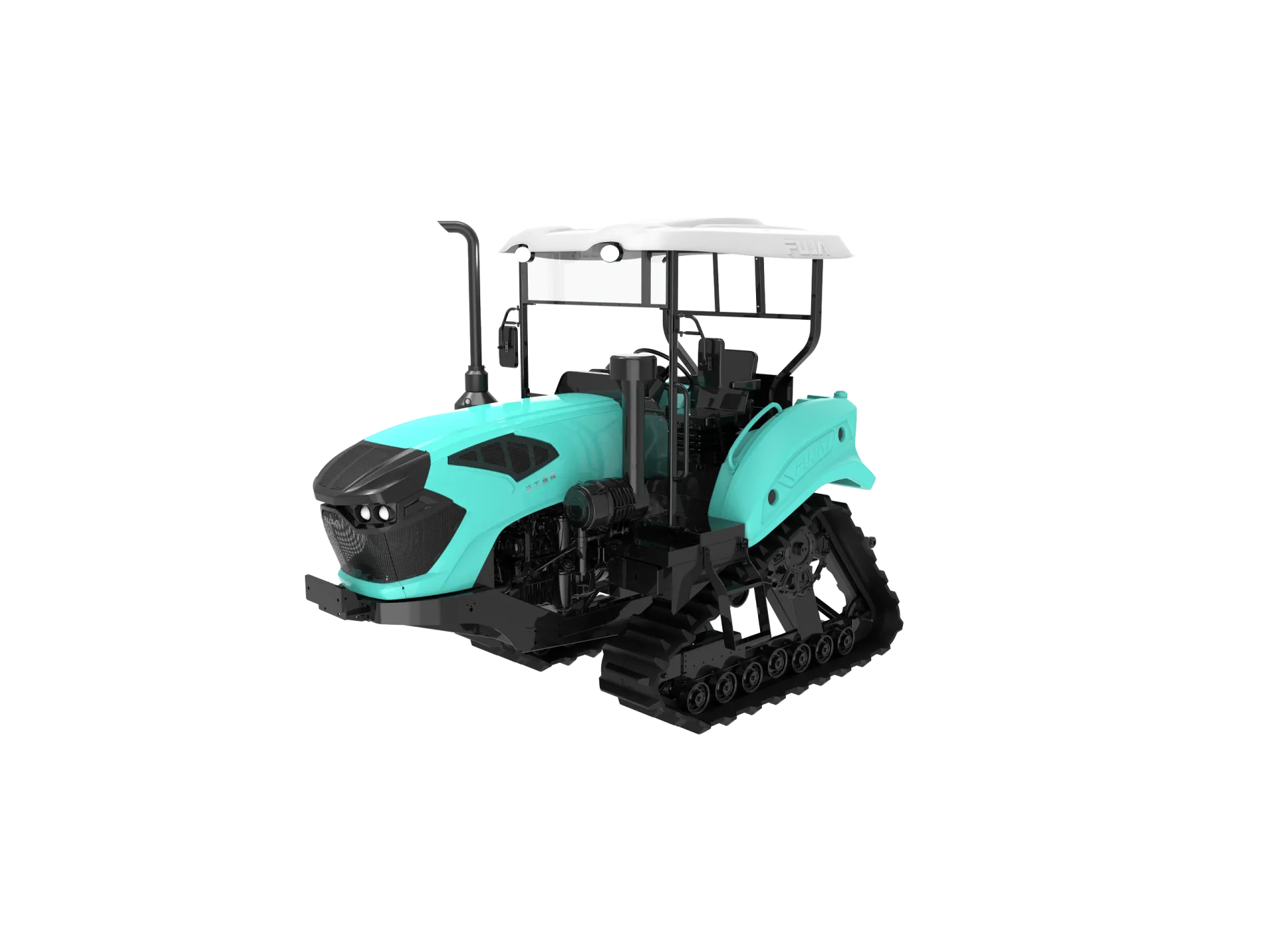
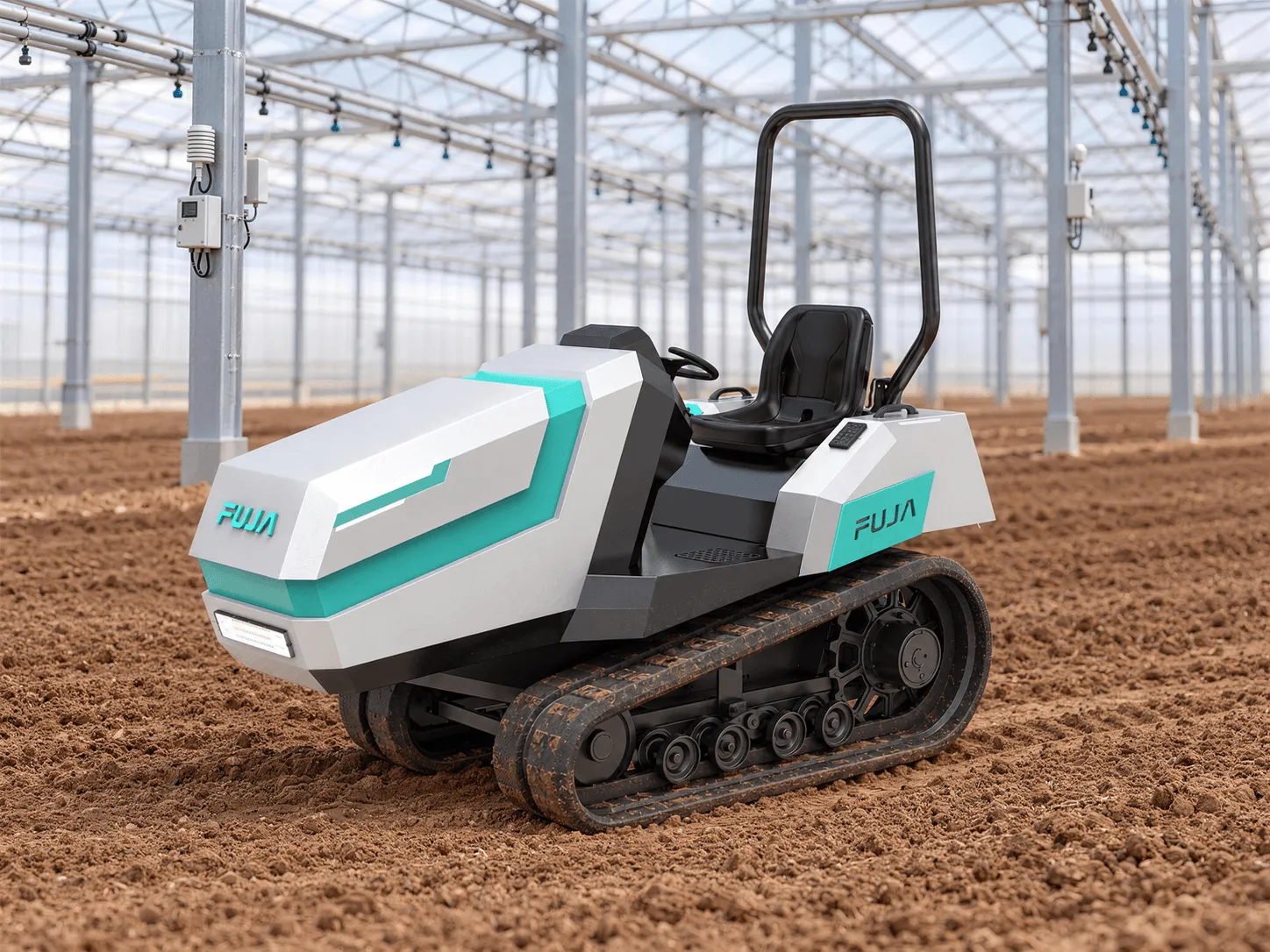
A crawler tractor uses tracks rather than conventional wheels to move across the ground. In general, tracks distribute the machine’s load over a longer contact area, which can help with movement on some soft or uneven surfaces. The actual result depends on the complete machine: operating weight, track width and length, track condition, power delivery and the ground beneath it all matter. Tracks do not make every tractor suitable for every wet field, slope or soil type. Because no product drawings or track specifications are available for this listing, buyers should not assume a particular ground-pressure figure or traction capability. Ask the supplier for the relevant technical data for the exact model and configuration under consideration. It is also useful to clarify whether the quoted configuration includes any work tools, since an attached implement can change load, balance and operating demands. Agricultural Machinery Manufacturer & Supplier says its intelligent R&D focuses on real-world challenges; buyers can use a technical discussion to explain the field conditions and ask which documented machine characteristics address them. Treat general statements about crawler machines as a starting point, then verify performance claims against model-specific information before relying on them in farm planning.

Electric Crawler Tractor

Match the Tractor to Thai Field Conditions

A practical fit assessment starts with the land and the work, not with the assumption that all agricultural crawler tractors behave alike. Describe whether the field is firm, seasonally wet, uneven or sloped; note narrow entrances, turning areas and any soft sections that must be crossed. Then state the main workload and how frequently the tractor is expected to operate. These details help identify where a candidate machine may be suitable and where more evidence is needed. For example, a tractor that can travel through a field may still be unsuitable if its working capacity, stability or implement compatibility does not match the task. Incorrect selection can mean interrupted work, excessive soil disturbance, added wear or a machine that cannot access the plots it was purchased for. Do not infer heat limits, water-crossing capability, slope ratings or soil-pressure values without documentation. Agricultural Machinery Manufacturer & Supplier cites a 68,000 m2 smart manufacturing base and more than 150 customers, but those figures do not establish field performance for an unspecified model. Request specifications and operating limitations for the exact configuration, and compare them with the farm’s seasonal conditions before deciding.

Electric Crawler Tractor

Information to Prepare Before Requesting a Configuration

Before contacting a supplier, assemble a short field brief so the discussion can focus on a workable configuration. Include the crop and principal jobs, the area and layout of the fields, the narrowest access point, typical ground conditions during the working season, and any slopes or soft zones. List the implements already used or being considered, including their intended tasks; compatibility should be confirmed rather than assumed. Ask for the candidate tractor’s operating weight, track dimensions, rated power, ground-pressure information if available, turning requirements and applicable operating limits. Request documentation showing which attachments are approved for that model and configuration. Also ask which maintenance checks are required for the tracks and undercarriage, and whether the manufacturer provides operating guidance for the conditions described. Agricultural Machinery Manufacturer & Supplier identifies smart manufacturing and intelligent R&D as part of its brand positioning, but no model-specific configuration options or service commitments have been provided here. A clear brief lets the team determine what can be verified and what remains uncertain. If a specification or compatibility answer is unavailable, treat that gap as an open question rather than filling it with an assumption.

News

Industry updates

Products

Production modules

Why Choose Us

Agricultural Machinery Backed by Smart Manufacturing

Agricultural Machinery Manufacturer & Supplier presents a manufacturing-led approach for buyers who need to discuss agricultural machinery against real operating conditions. The company identifies a 68,000 m2 smart manufacturing base and describes its production approach as precision builds intended to support reliable performance. Its intelligent R&D positioning is focused on practical challenges, which gives buyers a clear starting point for discussing Thai field conditions, workloads and configuration questions. The brand reports serving more than 150 customers, an indication of customer reach but not a substitute for checking a specific tractor’s suitability. CE certification is also listed by the brand; request the applicable certificate and confirm the covered product and configuration rather than assuming it applies to every machine. For a crawler tractor enquiry, ask the team to provide model-specific specifications, attachment compatibility information and operating limitations relevant to the fields you described. This keeps the decision grounded in documented product facts. No particular crawler tractor model, performance figure, delivery term or after-sales commitment is specified in the available information, so those details should be confirmed directly before procurement.

FAQ

Common technical questions

What details should I send to check whether a crawler tractor can handle my farm’s workload?

Describe the tasks, working hours, field size and typical soil conditions, and list the implements you plan to use. Ask the supplier to compare that brief with the exact model’s documented power, operating limits and implement compatibility. No workload rating is available for a specific tractor here.

Can a crawler tractor work in both wet rice fields and dry agricultural land?

That depends on the machine configuration and the field conditions. Track design, operating weight, soil firmness, water conditions and the planned task can all affect suitability. Request model-specific limits for each environment; do not assume one setup is appropriate for both.

How can I reduce track and undercarriage wear during farm operation?

Follow the operating and maintenance instructions supplied for the exact model. Ask which inspections, cleaning steps and adjustment checks apply to its tracks and undercarriage, especially after work in muddy conditions. No model-specific maintenance interval has been provided here.

Does the listed CE certification cover the crawler tractor I am considering?

The brand lists CE certification, but the available information does not identify the covered product or configuration. Request the relevant certificate and confirm that it applies to the specific tractor and any supplied equipment before relying on it for procurement or compliance.

Need a solution for your project?

Share your product type, target capacity, and application requirements. Our team can review the details and recommend a practical next step.

Contact Us