EN
 HR

How a Crawler Tractor Differs in Field Operation
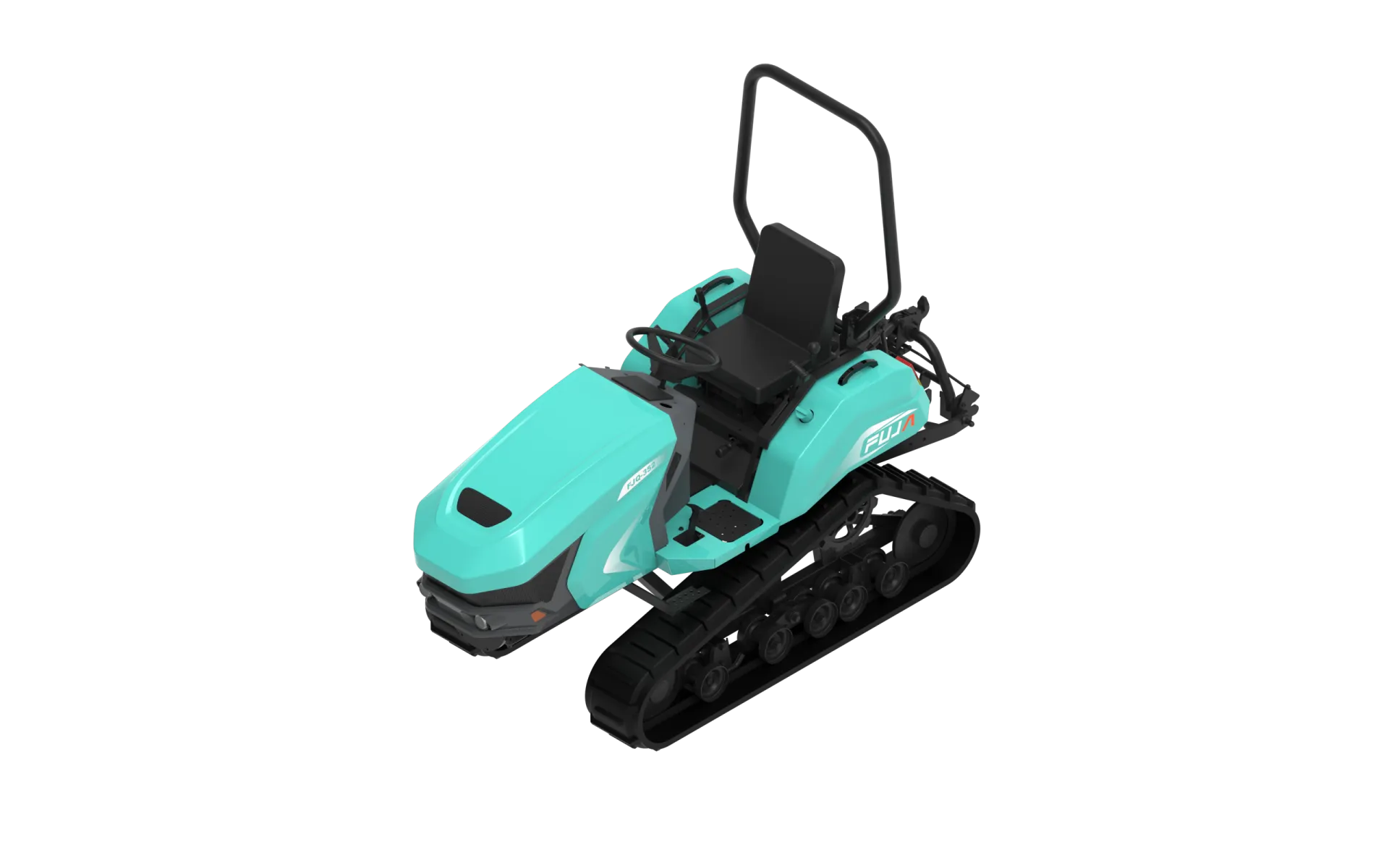
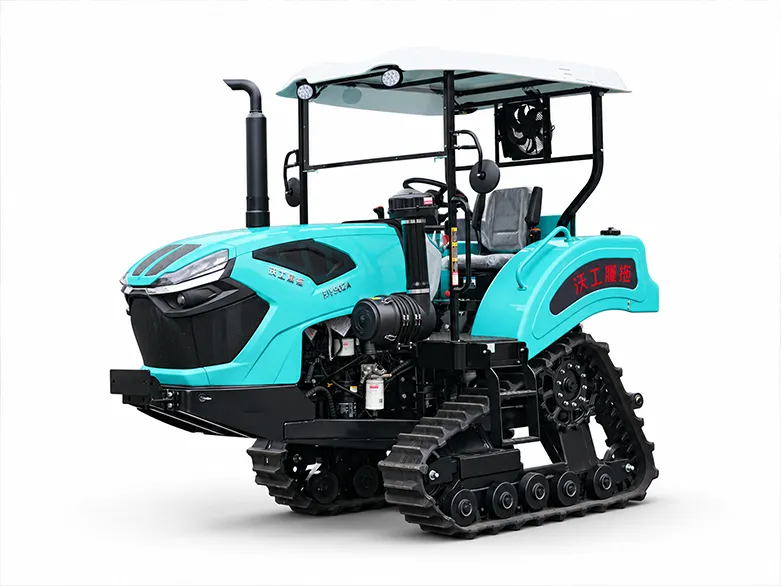
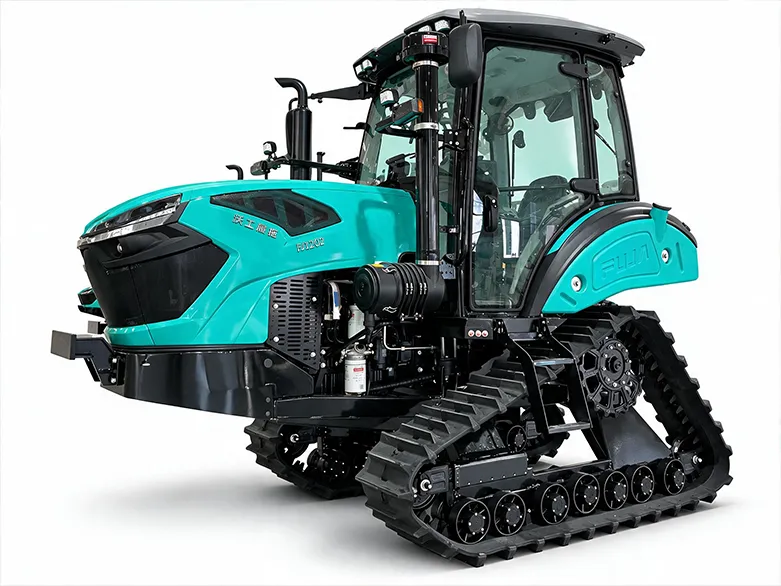
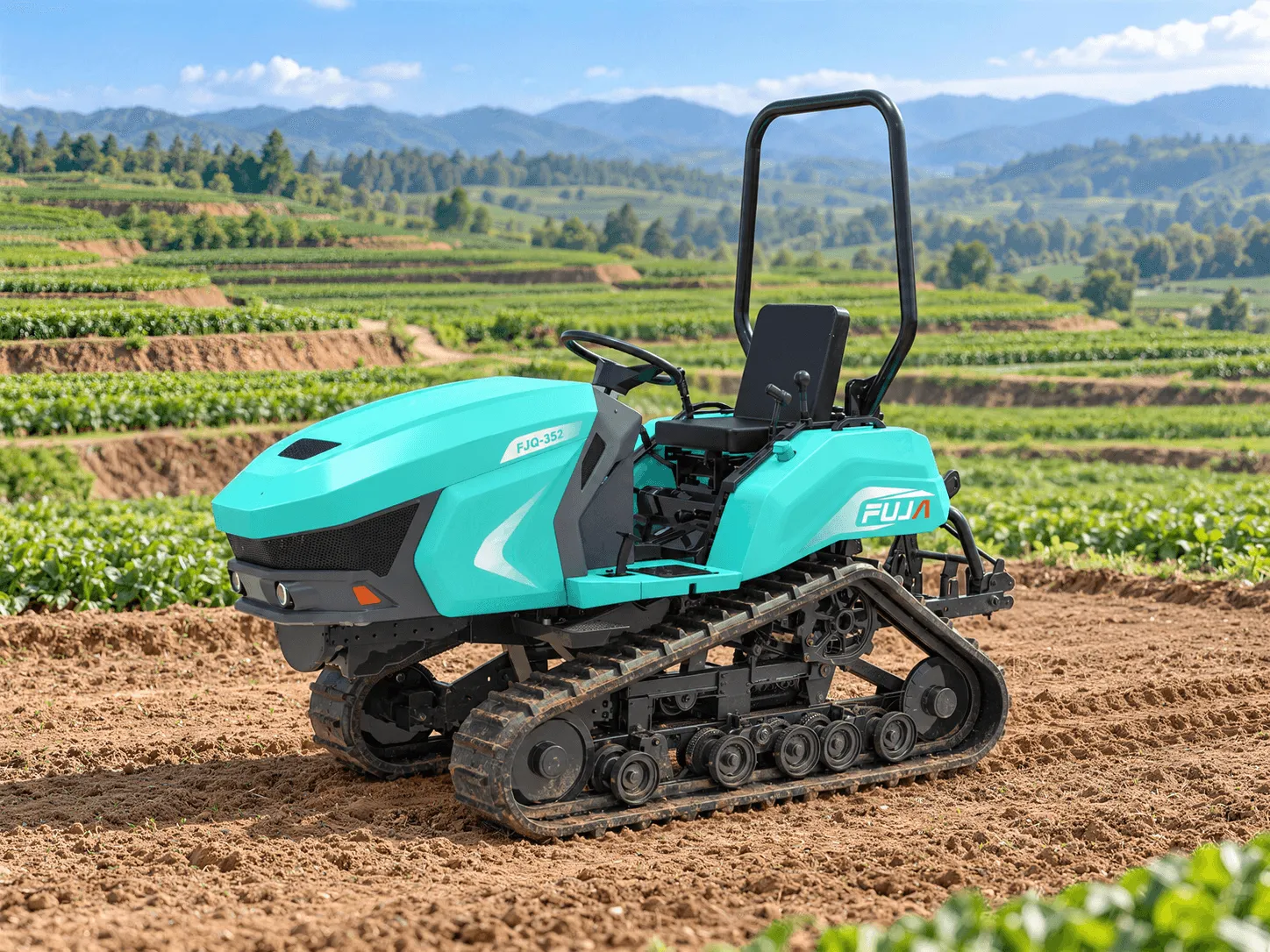
A crawler tractor moves on continuous tracks rather than relying on separate tires. That basic structural difference changes how the machine meets the ground, but it does not by itself establish a particular level of traction, soil protection, drawbar pull, or slope capability. Those outcomes depend on the design and specifications of the actual model, as well as soil moisture, surface conditions, load, and operating practice. For a Heavy-Duty Farm Crawler Tractor, request a drawing or product description that identifies the track arrangement and the relevant dimensions. Ask for the operating weight and any stated ground-pressure information, if available, and confirm the conditions behind those figures. Agricultural Machinery Manufacturer & Supplier cites intelligent R&D as part of its approach to real-world design challenges, but the supplied information does not describe this tractor’s undercarriage or track system. A clear technical explanation should therefore come from the model documentation. Buyers can use that documentation to understand what the crawler structure is designed to do, then compare it with the demands of their own land and work cycle.