Home » tracked orchard work platform

Tracked Orchard Work Platform for Orchard Operations

tracked orchard work platform

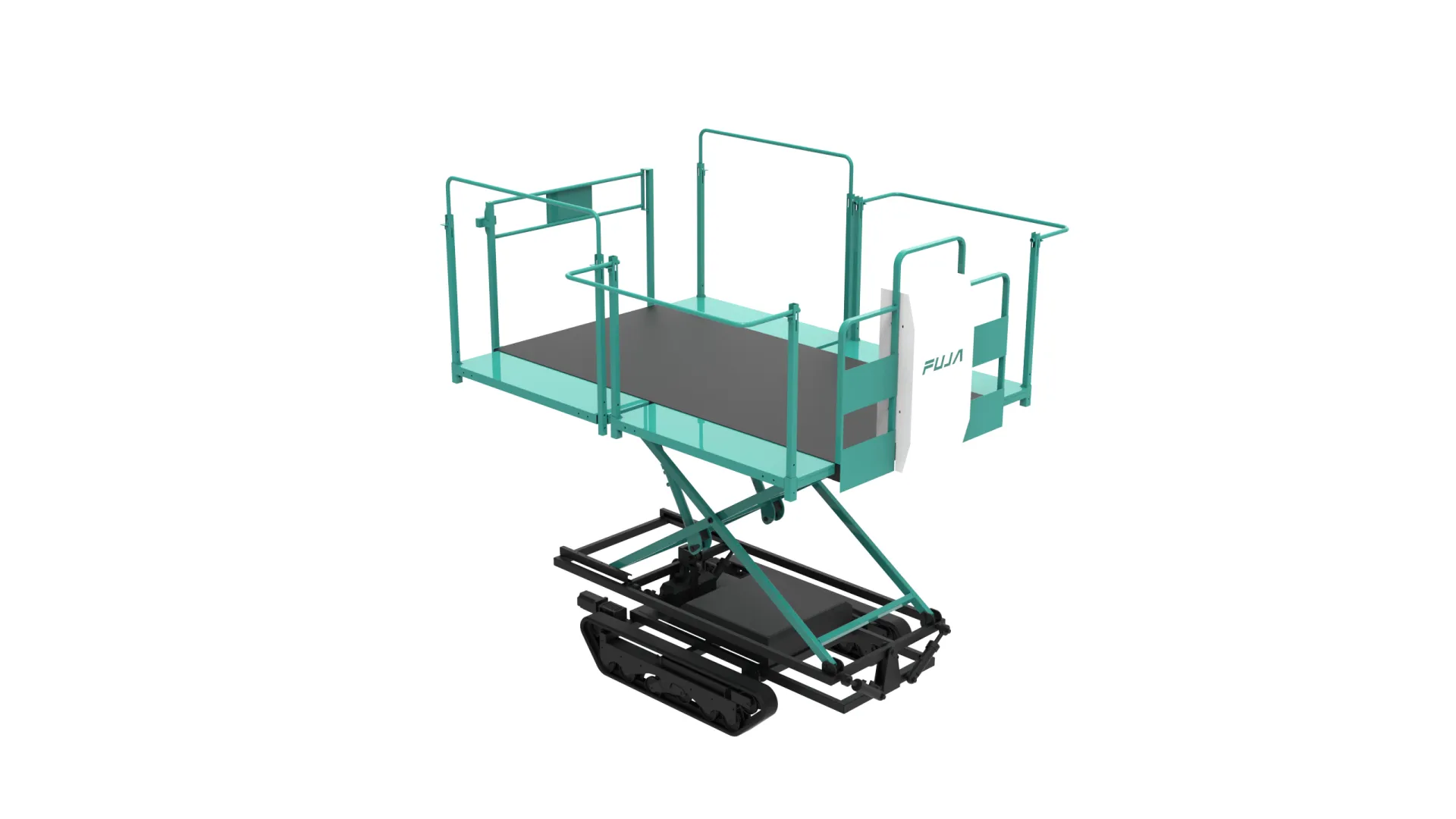
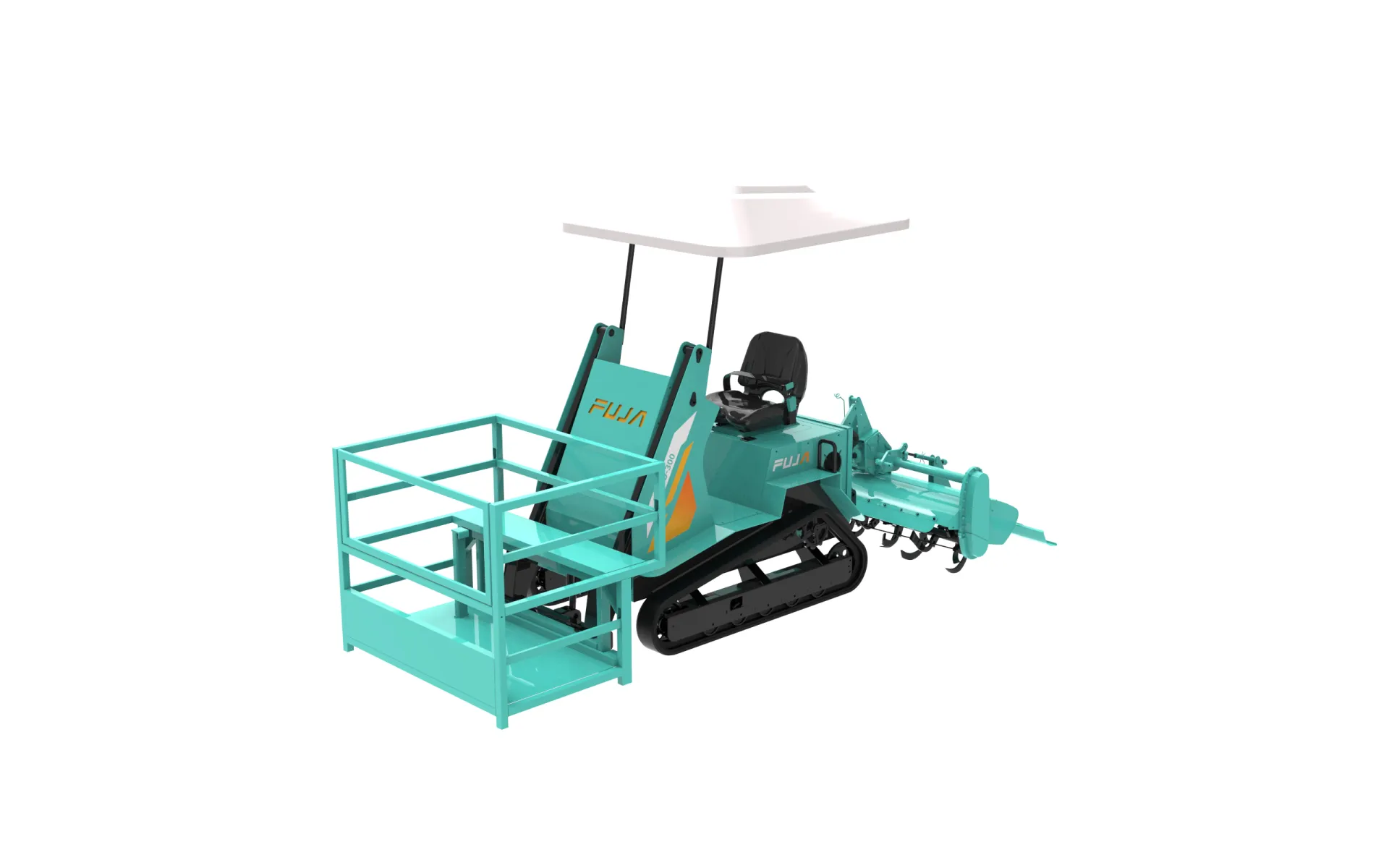
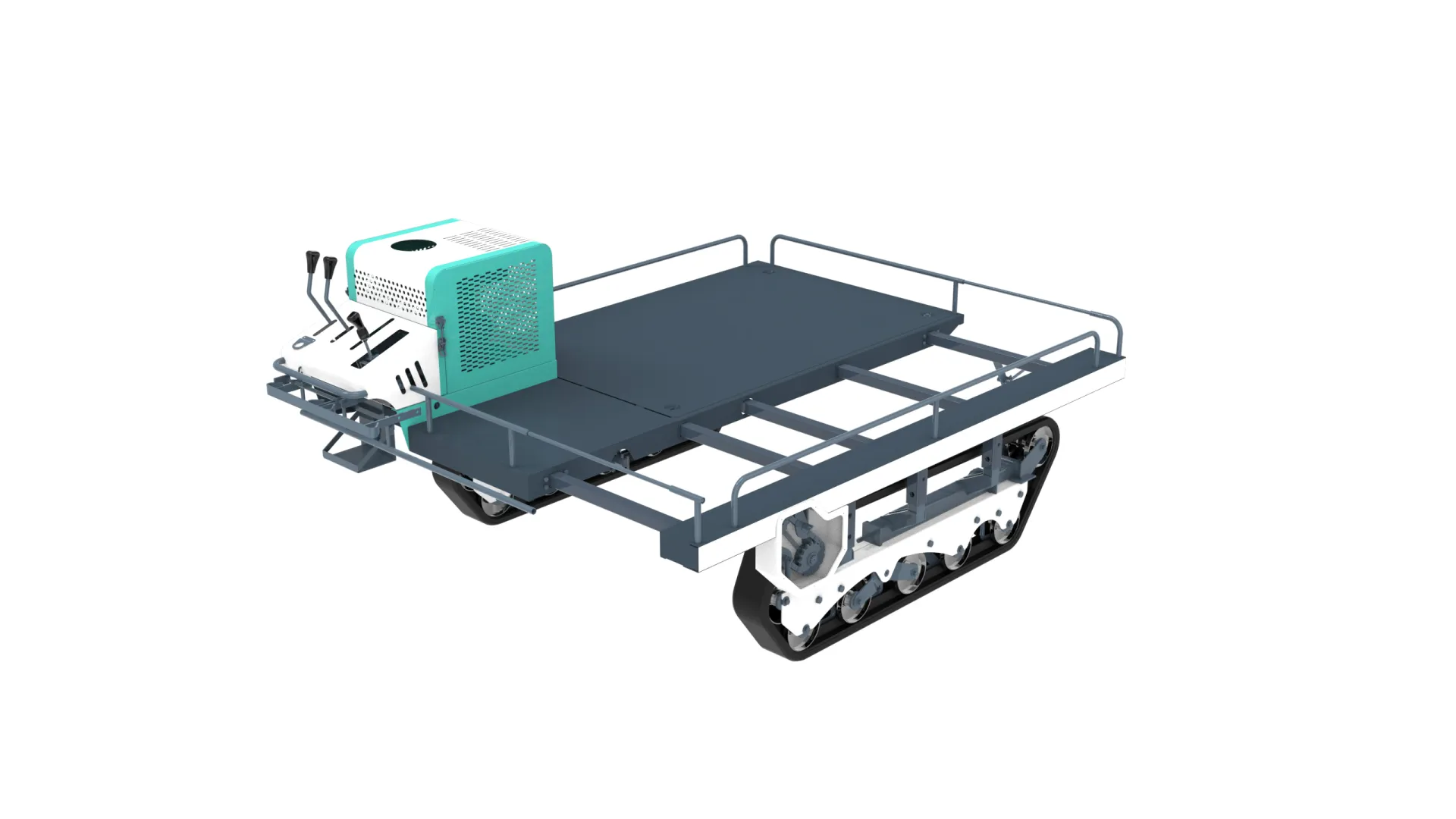
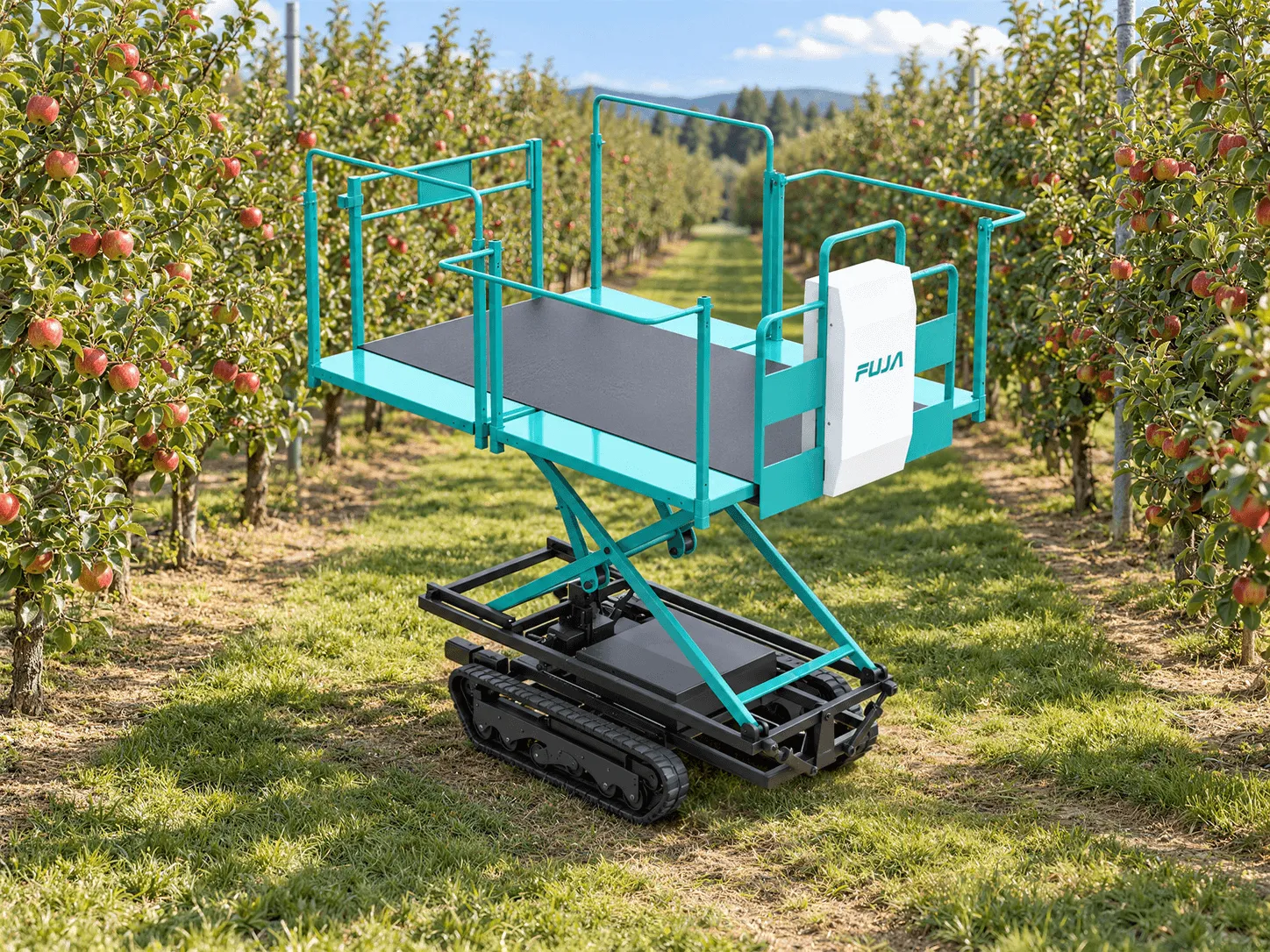
A tracked orchard work platform is a machine category intended to support elevated or ground-level tasks in orchard rows, where narrow routes and uneven soil can make access difficult. It may interest fruit growers, orchard contractors, and agricultural machinery distributors seeking a platform-based solution for recurring maintenance or harvesting work. The exact machine design behind the term matters: platform dimensions, lifting method, load rating, travel width, and terrain limits vary by model, and no product specification has been provided here. Agricultural Machinery Manufacturer & Supplier brings a high-end manufacturing focus, with a 68,000 m2 smart manufacturing base and intelligent R&D aimed at practical field challenges. Those credentials provide context for a supplier discussion, but they do not establish the specifications of a particular tracked platform. Before comparing models, define the orchard row width, ground conditions, task height, number of workers or tools to be carried, and transport needs. Use those details to confirm whether a tracked platform is available and what configuration, documentation, and compliance information can be verified for your intended market.

Technical Detail

Configured around process stability, mold life, and long-term uptime.

The phrase “tracked orchard work platform” describes a crawler-based agricultural access machine intended for work among orchard trees. Tracks are the defining mobility element in the search term; “work platform” indicates that access for people or equipment is central to the intended use. It is not, by itself, a complete model specification or confirmation of a particular lifting system, platform capacity, or operating envelope. Agricultural Machinery Manufacturer & Supplier presents itself as a high-end agricultural machinery manufacturer, with a 68,000 m2 smart manufacturing base and an intelligent R&D focus on practical design challenges. The company also reports serving 150+ customers. These are supplier-level details, not verified performance figures for a specific tracked orchard platform. No product datasheet, model number, dimensions, rated load, maximum working height, or attachment list was supplied for this page, so those values should be confirmed rather than assumed. Buyers evaluating the product should first establish what the platform is expected to carry and which tasks it must support. For orchard work, that may include workers, tools, or harvest-related equipment, depending on the actual machine configuration. Ask the supplier to provide the relevant model documentation and confirm that the proposed unit is intended for the required duty. CE is listed among the brand credentials; request the applicable product documentation and confirm its scope for the exact model and destination market before purchase.

Crawler Multi-purpose Platform

How Track Mobility Relates to Platform Access

A tracked orchard work platform combines two functions in its product concept: movement on tracks and a work area intended to provide access for an orchard task. Tracks contact the ground along a broader path than a single tire contact point, but that fact alone does not establish how a particular machine performs on soft, sloped, or wet ground. Track design, machine mass, clearance, drive system, and the platform arrangement all affect practical operation; none of those model details is available in the supplied product information. The phrase also does not tell a buyer whether the work area is fixed, elevating, or configured for a particular task. Ask for a diagram or technical sheet showing the undercarriage, platform structure, access method, and any movement or lifting controls. If elevated work is required, request the stated working height and the conditions under which it applies. If the platform is intended only for carrying equipment, clarify that distinction before comparing it with personnel-lifting machines. Understanding these terms prevents a category-level description from being mistaken for a confirmed design.
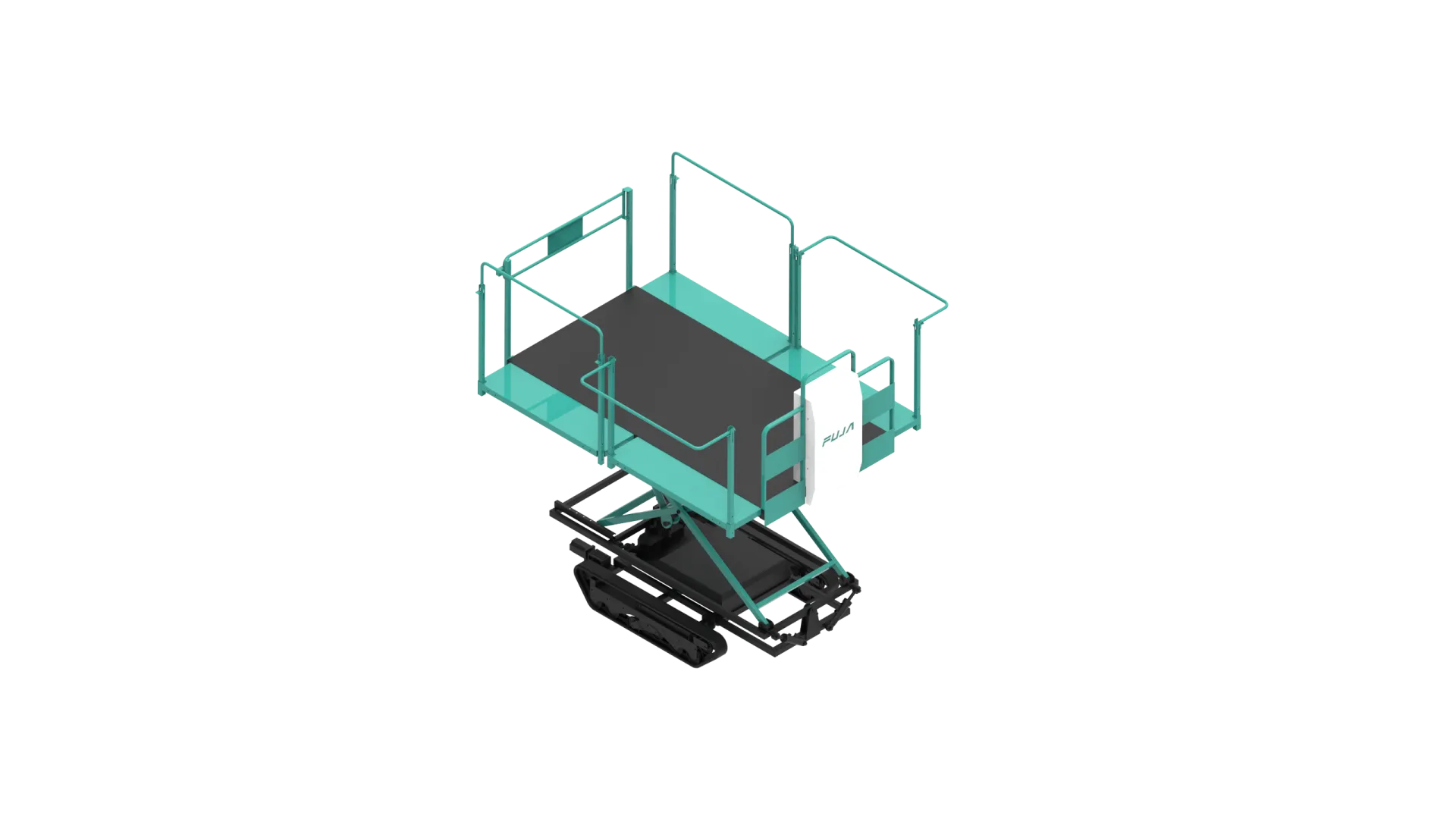

Crawler Multi-purpose Platform

Check Orchard Conditions Before Treating It as a Fit

Suitability depends on the orchard and the job, not simply on the word “tracked.” Start with the narrowest usable row and turning area, then compare those measurements with the machine’s documented overall width, length, and turning requirements. Note whether rows include cross-slope, soft soil, irrigation channels, roots, or changes in surface firmness. These conditions can affect access and stability, but the product information provided does not state a grade limit, ground-pressure figure, or operating restriction. The task also matters. Pruning, canopy work, picking, and moving tools can call for different platform heights, payloads, and access arrangements. Ask the supplier to assess the actual duty against the model’s rated limits rather than relying on a general suitability claim. If workers will be elevated, confirm the intended use, operating conditions, and applicable safety documentation for that exact machine. A site sketch, row measurements, photographs of representative ground, and a description of the work cycle give the supplier a usable basis for checking fit. If any essential limit is undocumented, treat it as an open question before committing.

Crawler Multi-purpose Platform

Prepare a Useful Platform Configuration Inquiry

To request a model recommendation, send the supplier the orchard row width and turning-space measurements, ground description, required work height, expected payload, and a short account of the task. Specify whether the payload includes people, tools, containers, or other equipment; do not infer capacity from the product name. Include the operating market and ask what CE documentation, manuals, and model-specific technical records are available. Agricultural Machinery Manufacturer & Supplier reports intelligent R&D and a 68,000 m2 smart manufacturing base, but the supplied information does not identify available options or confirm that a particular tracked platform can be customized. Ask which configurations are actually offered, what limits apply to each, and whether any requested attachment is compatible with the selected model. Request a written specification covering dimensions, rated load, working height if applicable, travel characteristics, operating restrictions, and required checks. Compare the response against the orchard measurements and task requirements before finalizing a configuration. This gives the supplier concrete information to respond to and helps prevent assumptions about accessories, performance, or compliance from entering the purchase decision.

News

Industry updates

Products

Production modules

Why Choose Us

A Manufacturing Partner for Specific Orchard Requirements

Agricultural Machinery Manufacturer & Supplier describes its positioning around high-end agricultural machinery, with a 68,000 m2 smart manufacturing base and intelligent R&D focused on real-world design challenges. For buyers evaluating a tracked orchard work platform, those capabilities are a useful starting point for a technical conversation, but they do not replace model-level evidence. The company reports serving 150+ customers, providing broader supplier context without implying a specific orchard-platform installation or performance result. CE is listed among the brand credentials; buyers should request the declaration and supporting documents applicable to the exact product and destination market. The supplier also identifies global service as part of its offer. Before purchase, clarify which support channels and documentation apply in the buyer’s region, and confirm the scope directly rather than assuming a particular response time or service arrangement. A practical evaluation should connect these supplier capabilities to the requested machine: obtain the product datasheet, verify its limits against the orchard conditions, and document any agreed configuration in the quotation. This keeps the decision grounded in verifiable product information while allowing the manufacturer’s stated R&D, production, and service capabilities to inform supplier assessment.

FAQ

Common technical questions

What specifications should I compare between tracked orchard work platform models?

Compare documented overall width and length, rated payload, working height if applicable, turning requirements, and operating limits for slope and ground conditions. No model specifications were supplied here, so request the technical sheet for each option.

Can a tracked orchard work platform operate in wet or sloped rows?

That depends on the specific machine and site conditions. Ask the supplier for the model’s stated slope and ground restrictions, and describe the soil, cross-slope, drainage, and surface changes in your orchard. Do not assume tracks alone make a machine suitable.

What should I check before operating the platform with workers or tools?

Confirm the machine is designed for the intended load and use, review its operating instructions and safety documentation, and check the rated limits for the selected configuration. Obtain model-specific guidance from the supplier before using attachments or carrying loads not listed in the documentation.

What information should I send to get a model recommendation?

Provide row and turning-space measurements, ground conditions, required work height, expected payload, task description, and destination market. Also ask for available configurations, product-specific CE documentation, and the technical limits that apply to the proposed model.

Need a solution for your project?

Share your product type, target capacity, and application requirements. Our team can review the details and recommend a practical next step.

Contact Us