

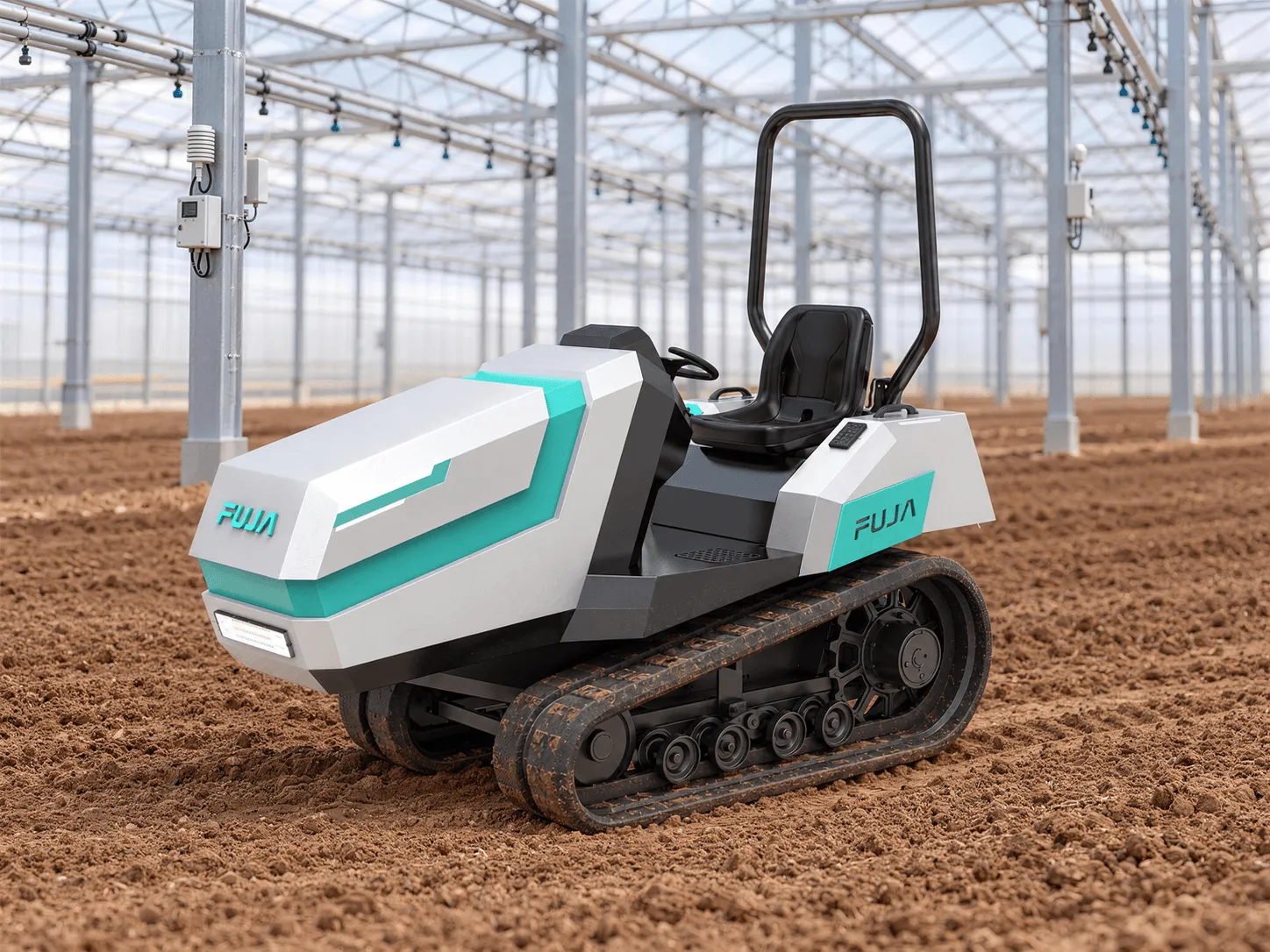
Home » crawler tractor in Indonesia for agriculture

Crawler Tractor in Indonesia for Agriculture

crawler tractor in Indonesia for agriculture

Agricultural work in Indonesia can involve wet fields, soft ground, uneven plots, and narrow access routes. A crawler tractor may be worth considering where tracked movement suits the soil and field layout, but suitability depends on the actual terrain, workload, and required implements. Choosing by machine type alone can lead to poor traction, unnecessary soil disturbance, difficult turns, or a setup that cannot handle the intended work. As an agricultural machinery manufacturer and supplier, we approach crawler tractor requirements by first understanding the conditions the machine must face. Our 68,000 m2 smart manufacturing base supports production, while an intelligent R&D team works on designs for real operating challenges. We serve more than 150 customers and hold CE certification. Because no model specifications or attachment list have been provided here, this page does not claim a particular power rating, track width, or field capacity. Use the guidance below to assess where a crawler tractor may fit and what information to prepare before discussing a configuration.

Technical Detail

Configured around process stability, mold life, and long-term uptime.

A crawler tractor moves on tracks rather than relying on conventional wheels. That contact arrangement can be relevant in agricultural settings where the ground is soft or uneven, but it does not make every tracked machine suitable for every Indonesian farm. Soil condition, field access, turning space, working hours, and the implement being used all affect the result. The machine’s actual specifications must be checked against those demands before purchase. Our brand combines agricultural machinery manufacturing and supply with a 68,000 m2 smart manufacturing base. Intelligent R&D focuses on practical design challenges, while smart manufacturing is intended to support consistent production. The company reports serving more than 150 customers and holds CE certification. These are brand-level facts, not a substitute for confirming the specifications or regulatory requirements of a particular tractor and destination. Since no product datasheet has been supplied, we cannot verify engine output, operating weight, track dimensions, fuel use, compatible implements, or field capacity. Buyers should request the applicable technical documentation and compare it with their own conditions. For farms with wet or variable ground, a crawler tractor may be a candidate when its verified configuration matches the soil, workload, and access constraints. A mismatch can make travel, turning, or implement operation inefficient and may increase ground disturbance. Share the intended tasks and field conditions so the configuration can be reviewed on evidence rather than assumptions.

Electric Crawler Tractor

How Track Contact Relates to Field Conditions

A crawler tractor distributes its support across tracks, rather than concentrating movement at separate wheel contact points. That difference can matter on soft or uneven agricultural ground, where maintaining movement without excessive sinking is part of the job. It is not a guarantee of performance: track design, machine weight, soil moisture, slope, and operating technique all influence the outcome. Indonesian farms vary considerably, so a description such as “wet field” is not enough to establish suitability. Note whether the machine will work on saturated soil, firm ground, slopes, or a mix, and whether conditions change by season. Also identify whether the tractor must travel between plots on roads or confined paths. The available brand information does not specify track dimensions or ground pressure, so these values should be confirmed for the proposed model rather than inferred from the product category. A useful technical discussion connects the machine’s documented track and weight data to the farm’s soil and route conditions. That is how buyers can distinguish a genuine fit from a general claim about tracked mobility.
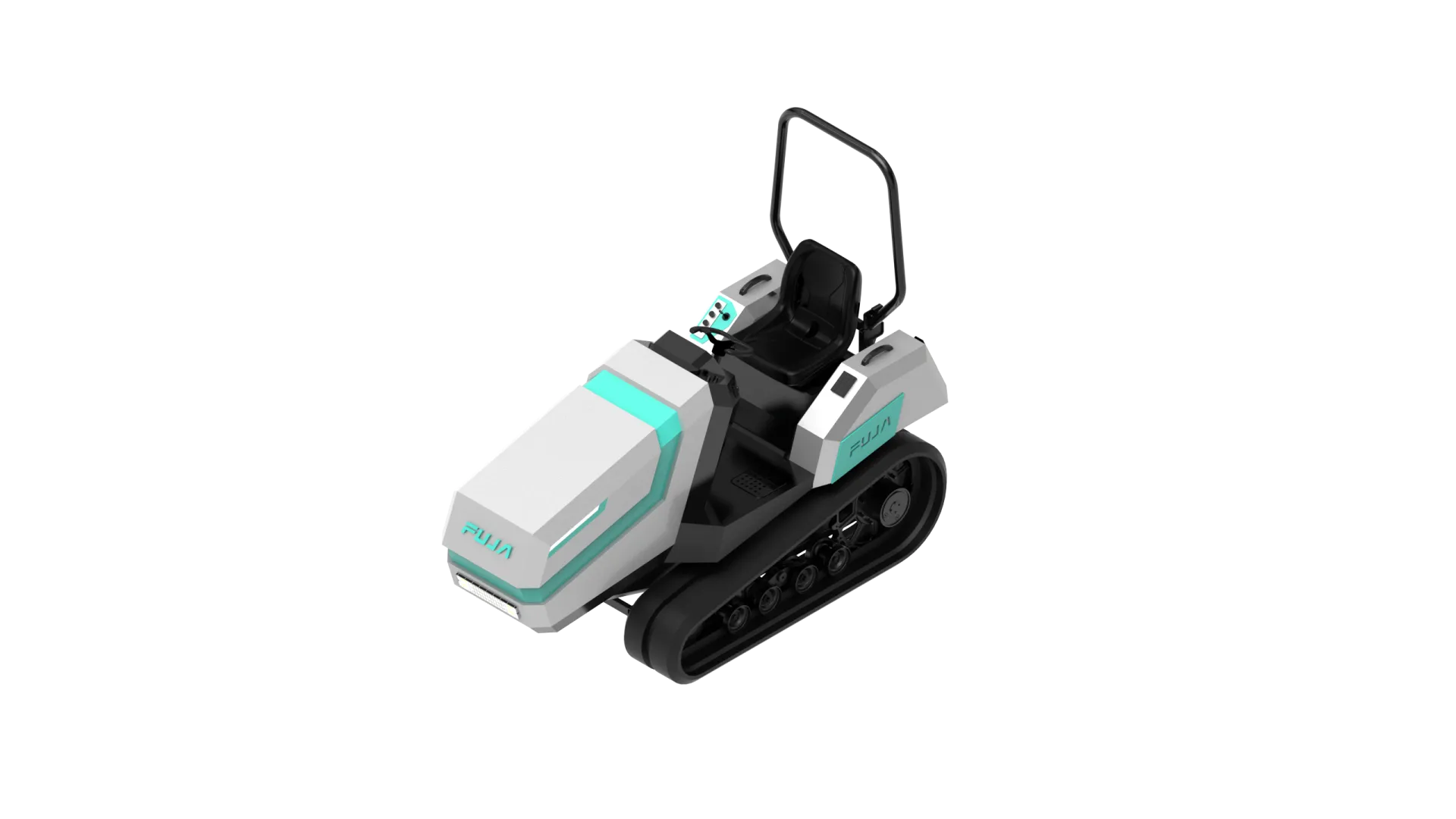

Electric Crawler Tractor

Check the Workload and Field Constraints

Suitability depends on more than ground softness. List the main tasks, the implement involved, expected operating hours, plot size, turning area, slopes, and any narrow entrances or transport limits. A crawler tractor intended for light field preparation may not be appropriate for a different workload simply because both jobs take place on farmland. Likewise, tight plots can make turning and maneuvering as important as traction. If the machine must operate across different soil conditions, assess the most demanding regular task rather than relying on ideal conditions. Mismatching tractor capacity to the work can lead to slow operation, excessive strain, poor implement results, or difficulty moving safely through the field. An oversized or unsuitable configuration may also disturb soil or struggle with access. No power, weight, turning-radius, or implement compatibility data is available for this product request, so those limits must be checked against a model datasheet. Ask the supplier to confirm the intended operating range and any restrictions for the specific configuration. A field description, task list, and implement details provide a practical basis for that assessment.

Electric Crawler Tractor

Prepare a Configuration Review Before Buying

Before requesting a recommendation, assemble the information that determines whether a crawler tractor can do the work: the crop and field operation, soil condition during the working season, approximate plot layout, slope, access width, daily workload, and the implement or attachment required. Include photographs or a simple field sketch if they help explain obstacles and turning space. Then ask for the model’s technical sheet, including verified engine output, operating weight, track dimensions, ground-clearance information, turning limits, and compatible implements where applicable. These values are not stated in the available product information, so they should be treated as questions, not assumed specifications. Confirm which documents apply to the exact configuration and destination; CE certification is stated at brand level, but buyers should verify the relevant product documentation and local import or operating requirements. Ask what routine inspections the manufacturer recommends for the tracks and undercarriage, and which maintenance instructions apply in muddy conditions. A clear written comparison between field requirements and documented machine limits helps prevent an unsuitable purchase. If a requirement cannot be verified, request clarification before making a decision.

News

Industry updates

Products

Production modules

Why Choose Us

Agricultural Machinery Backed by Smart Manufacturing

Our position as an agricultural machinery manufacturer and supplier is supported by a 68,000 m2 smart manufacturing base and an intelligent R&D team focused on practical design challenges. For a crawler tractor inquiry, that combination gives buyers a route to discuss field needs with a company involved in both product development and manufacturing. Smart manufacturing is part of the stated production approach, while the company reports serving more than 150 customers. These facts offer context for evaluating a supplier, but they do not replace a model-specific technical review or prove suitability for a particular farm. CE certification is also stated; buyers should confirm which certificates and technical documents apply to the exact product and destination. Global service is part of the brand’s stated support approach, though response scope and arrangements should be confirmed for the buyer’s location. We recommend grounding any discussion in the work to be done, local field conditions, and the required attachments. That allows both parties to identify missing specifications early and keeps the purchase decision tied to verifiable information rather than broad claims.

FAQ

Common technical questions

Could a crawler tractor work in wet Indonesian rice fields?

It may be a candidate where tracked mobility suits the soil, but the answer depends on soil moisture, machine weight, track dimensions, field access, and the operation. Those specifications are not available here, so confirm them for the exact model and compare them with local conditions.

What should I check before using a crawler tractor on small or irregular plots?

Check turning space, entrance width, slope, and routes between plots, along with the required implement. Ask for the model’s turning limits and transport dimensions; neither is specified in the information provided.

How do I avoid choosing a tractor that is underpowered or oversized for the job?

Start with the main field operation, implement, soil conditions, and expected workload. Compare those requirements with documented engine output, operating weight, and implement compatibility for the proposed model. Do not rely on category-level assumptions where product specifications are unavailable.

What routine maintenance should I plan for the tracks?

Follow the model-specific operator and maintenance manuals. Ask the supplier which inspections and cleaning procedures apply to the track and undercarriage in your operating conditions; exact service intervals are not provided here.

Need a solution for your project?

Share your product type, target capacity, and application requirements. Our team can review the details and recommend a practical next step.

Contact Us




