Home » tracked orchard platform

Tracked Orchard Platform for Orchard Work

tracked orchard platform

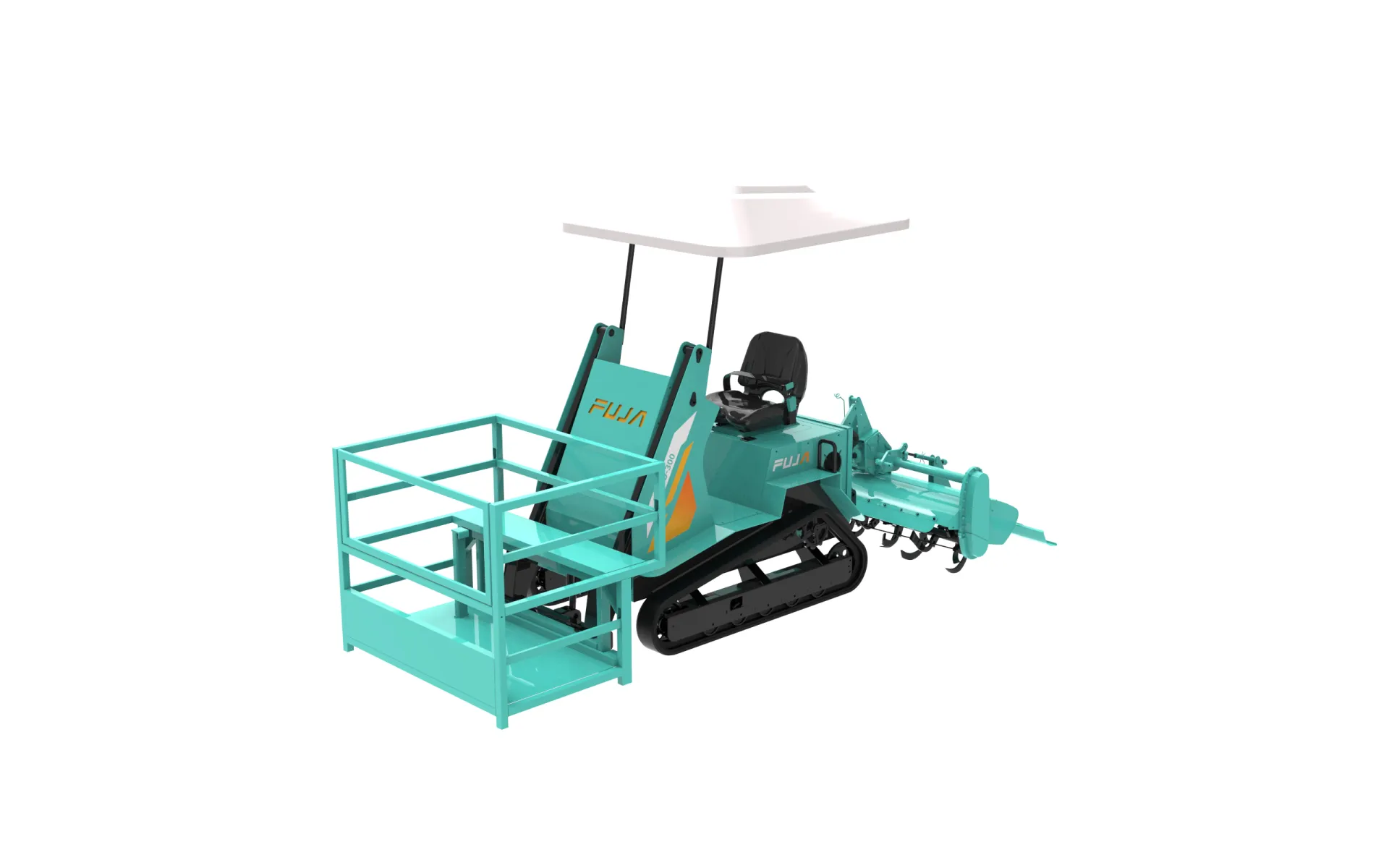
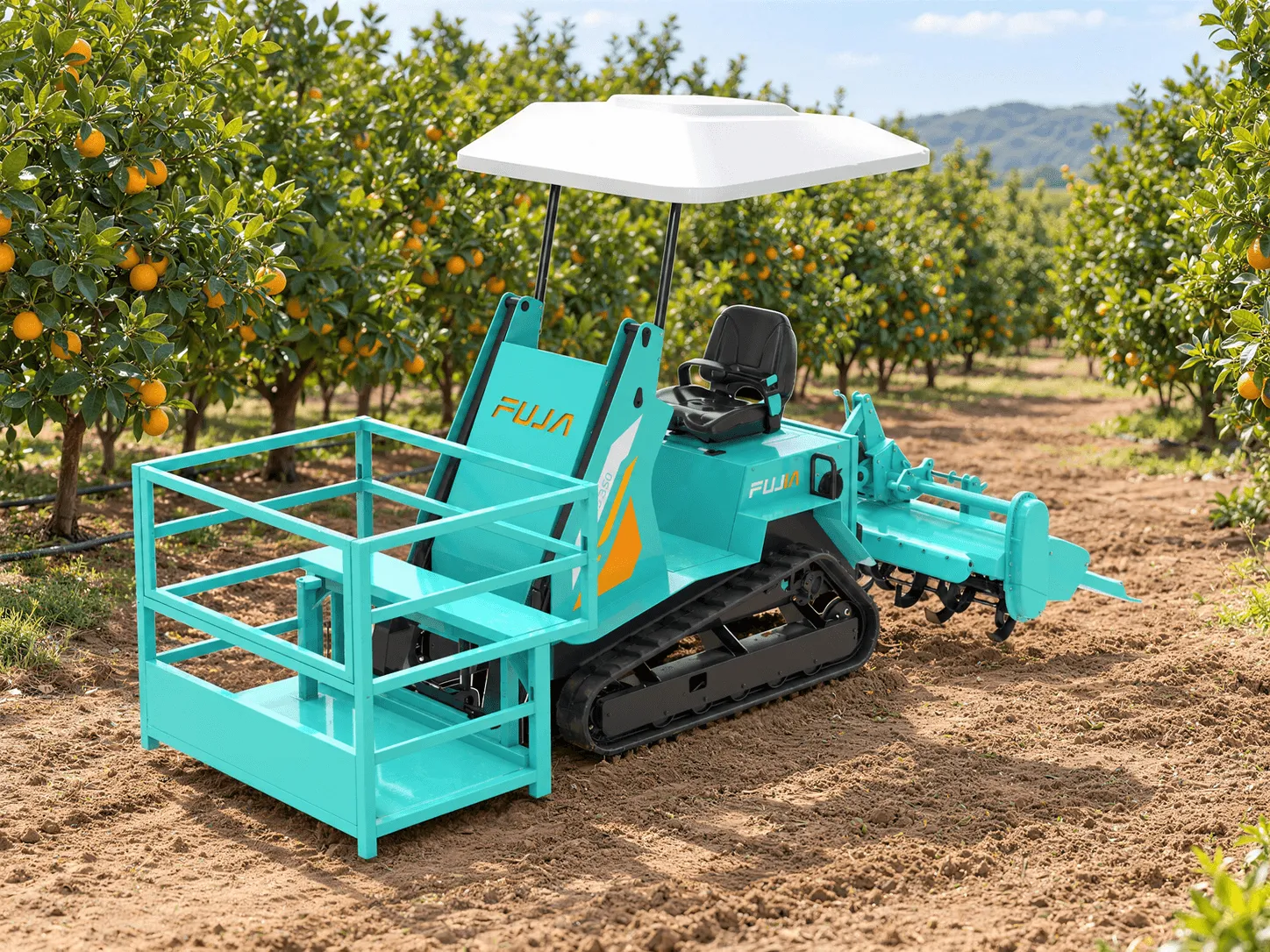
A tracked orchard platform is a mobile work platform intended to help crews reach and move through orchard rows, where ground conditions, tree spacing and access can shape daily operations. The term alone does not specify whether a unit is designed for pruning, harvesting, crop care or another task, and no model details have been provided here. Buyers should therefore treat this page as a starting point for a technical discussion, not as a confirmed specification sheet. It may be relevant to orchard owners, agricultural contractors and machinery distributors assessing equipment for repeated work among trees, particularly where wheeled access needs closer evaluation. Before selecting a platform, clarify the work activity, expected load, ground slope and firmness, row width, turning space and transport route. Agricultural Machinery Manufacturer & Supplier presents its capabilities around smart design, manufacturing and global service; the supplied company profile also states a 68,000 m2 smart manufacturing base, 150+ customers and CE certification. Ask the supplier to confirm which of these details apply to the specific tracked orchard platform model, and provide a model specification, applicable conformity documents and configuration details before procurement.

Technical Detail

Configured around process stability, mold life, and long-term uptime.

The phrase tracked orchard platform describes a category of agricultural access equipment rather than a confirmed model in the information supplied. A tracked undercarriage can be considered where movement over orchard ground is part of the requirement, but track type, platform dimensions, rated load, working height, drive system and slope limits are not specified here. Those details must be confirmed against the exact machine and the intended task; they should not be inferred from the product name. Agricultural Machinery Manufacturer & Supplier positions its operation around a 68,000 m2 smart manufacturing base and intelligent R&D, with the stated aim of designing for real working challenges. It also reports more than 150 customers. These are company-level details, not proof of any particular platform’s capacity, field performance or configuration. The company profile lists CE certification, but buyers should verify the certificate, applicable directives and exact model or product scope before treating a machine as CE-compliant. For an orchard platform, the technical conversation should distinguish the travel system from the work platform itself: a tracked chassis does not establish safe working height, load capacity, stability on slopes or suitability for a given crop layout. Request the product datasheet and operating instructions, then compare stated limits with the planned task and site conditions. This keeps initial discussions grounded in verifiable machine information rather than assumptions based on category terminology.

Electric Orchard Work Platform

How the Tracked Chassis Relates to Orchard Access

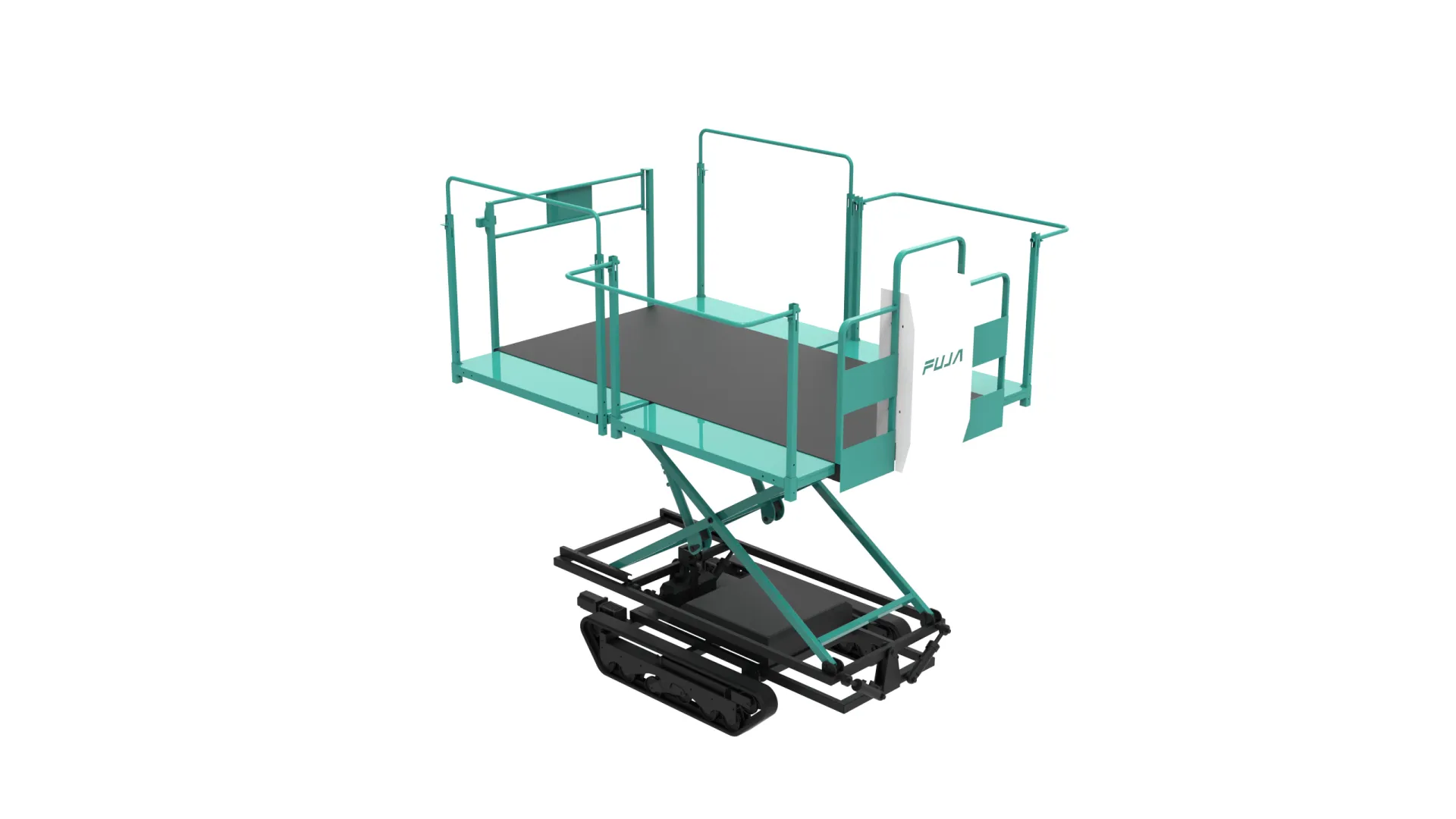
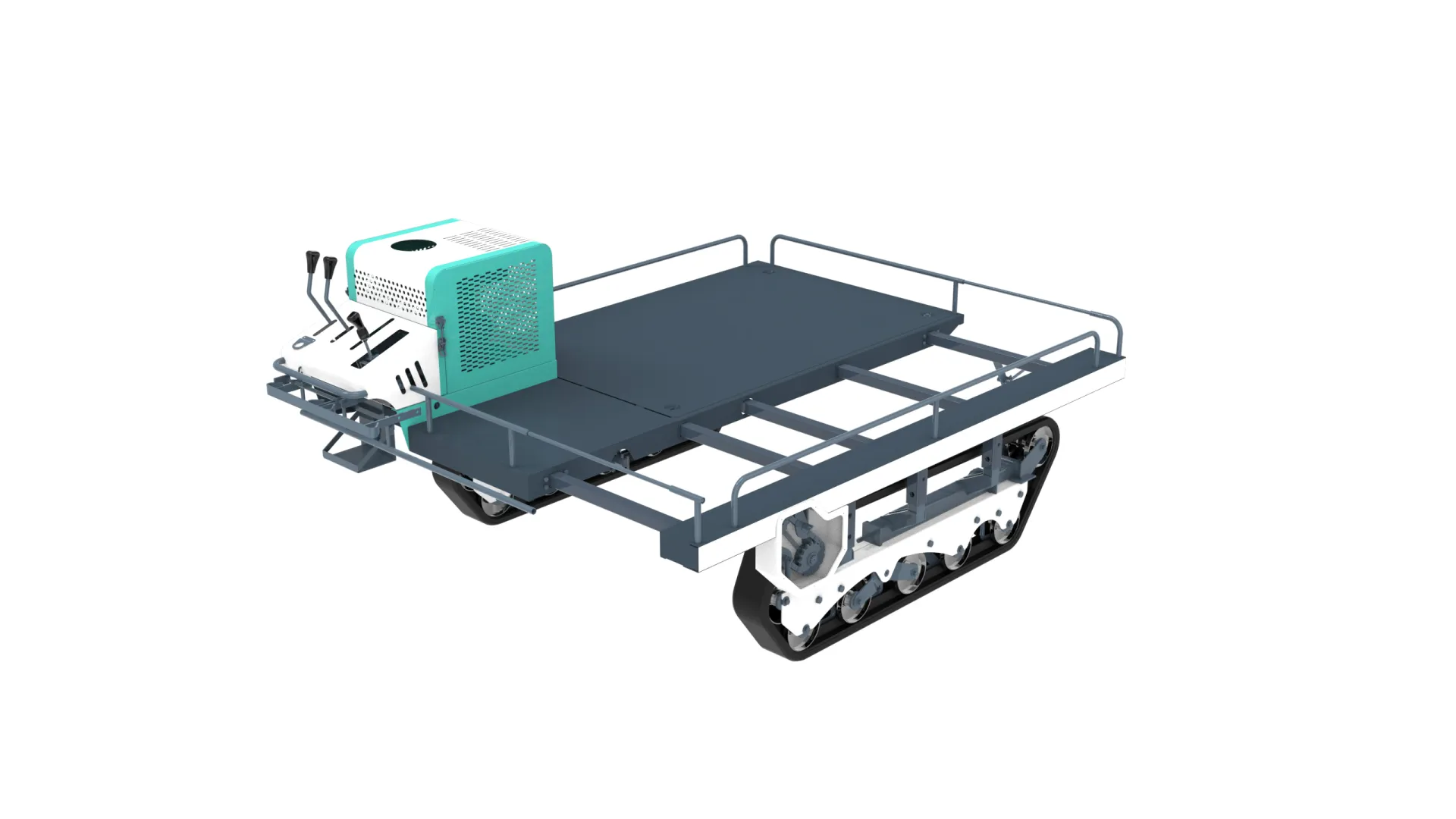
Tracks are the travel component implied by the term tracked orchard platform. They support movement of the machine across the ground, while the platform provides a place for people or work equipment; the supplied information does not identify the platform’s layout or intended task. That distinction matters because the chassis and work area answer different questions. Ground contact and maneuverability relate to the route through the orchard, while platform capacity, working height and access arrangements relate to the job being carried out. No track dimensions, ground pressure, turning radius, drive method or lifting mechanism are available for this product, so none should be assumed. Agricultural Machinery Manufacturer & Supplier describes its approach as intelligent R&D focused on practical design challenges and smart manufacturing for reliable performance. For buyers, that is a reason to request drawings and technical documentation, not a substitute for them. Ask for an overview showing the undercarriage, platform, controls, access points and any safety devices on the offered model. If the machine has selectable configurations, request a clear list of what changes between them. These materials help maintenance teams and operators understand how the machine is arranged before assessing whether it can fit orchard work patterns.
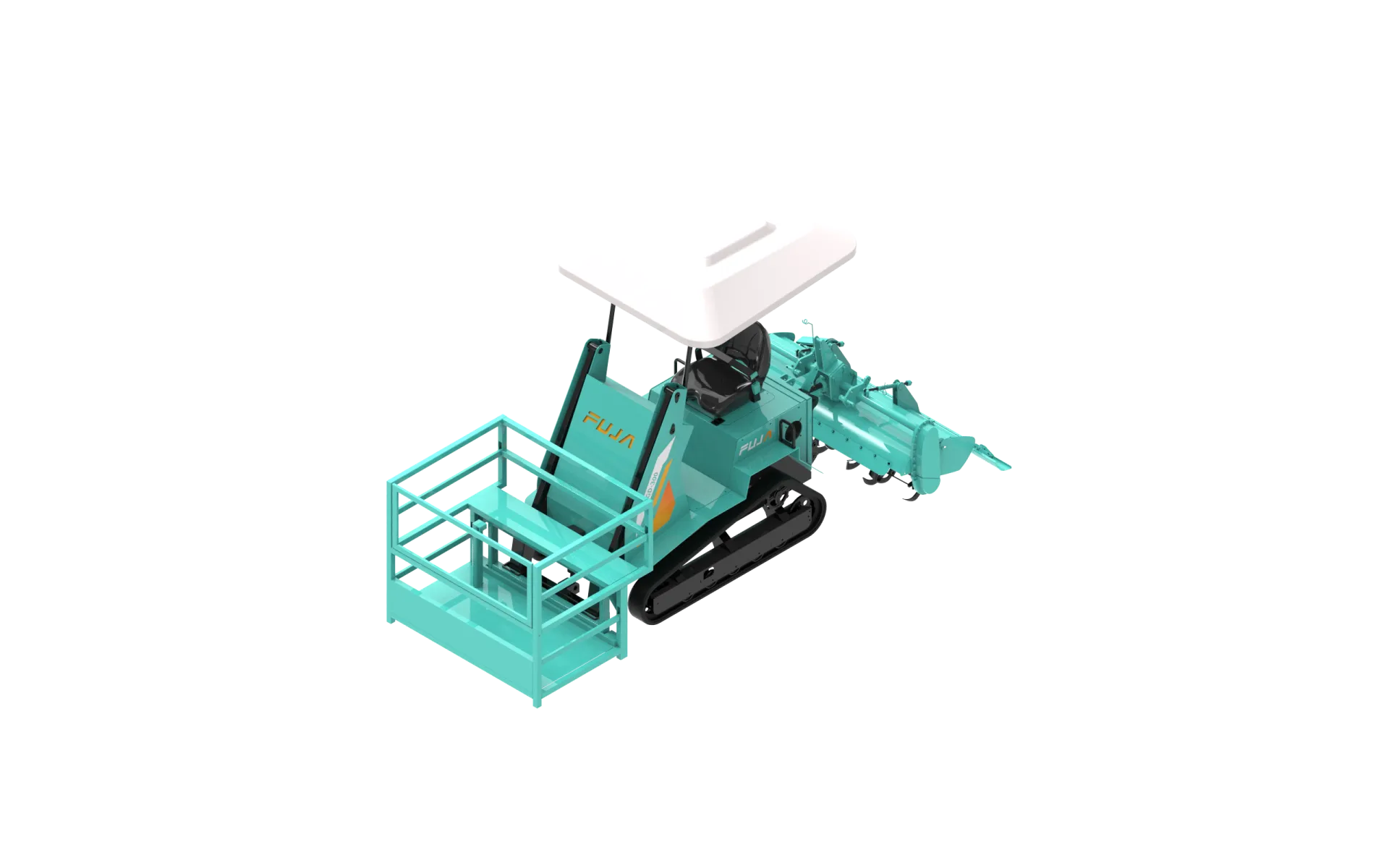

Electric Orchard Work Platform

Check Orchard Conditions Before Judging Fit

A tracked orchard platform may warrant evaluation when routine work requires equipment to travel within planted rows, but the product information supplied does not define its operating envelope. Suitability depends on the actual site and task. Measure clear row width at the narrowest point, not only between tree centers, and note low branches, irrigation lines, turning areas, headlands and access gates. Record whether routes are level, sloped, soft, wet or uneven, and whether the machine must cross transitions between orchard blocks. Then compare those observations with the manufacturer’s stated overall width, turning requirements, ground clearance, allowable slope, surface limitations and operating conditions. These values have not been supplied, so a fit cannot be confirmed from the keyword alone. Also separate travel conditions from elevated-work conditions: a route that appears passable does not establish that the platform can be used safely at height on that surface. Ask for the operating manual’s restrictions and any required setup or stabilization procedures. Agricultural Machinery Manufacturer & Supplier says its designs address real-world challenges; buyers can make that discussion specific by sharing site measurements, representative photographs and a description of seasonal ground conditions. If any critical limit is missing from the documentation, treat it as unresolved before arranging a demonstration or purchase.

Electric Orchard Work Platform

Prepare a Model-Specific Request for Quote

To move from a broad product inquiry to a useful quotation, send the supplier enough information to identify the machine and its intended duty. Start with the crop and work activity, the number of operators or equipment to be carried, and any required working height or reach. Add row clearance, turning space, access restrictions, terrain and the route between the orchard and storage or transport areas. Ask Agricultural Machinery Manufacturer & Supplier to identify the proposed model and provide its current specification sheet, dimensions, rated platform load, working limits, power and drive details, available configurations, operator documentation and maintenance requirements. None of those model-specific values or options is included in the supplied product information. Request written confirmation of any optional attachments and whether they affect capacity, dimensions or operating limits. For compliance review, ask for the CE documentation relevant to the exact offered model; the company profile’s CE statement alone does not establish a particular machine’s status. The company also cites smart manufacturing and global service as capabilities. Confirm what technical support and documentation are available for the destination market and what information the supplier needs to assess them. A concise, documented request helps the buyer compare proposals on the same technical basis without assuming a price, lead time or standard configuration.

News

Industry updates

Products

Production modules

Why Choose Us

A Manufacturing Partner With Stated R&D and Global Reach

Agricultural Machinery Manufacturer & Supplier describes a 68,000 m2 smart manufacturing base and an intelligent R&D approach centered on practical design challenges. For a buyer evaluating a tracked orchard platform, those company-level capabilities can support a focused discussion about how the offered machine is designed and produced, but the relevant evidence should be model-specific. Request drawings, a bill of configuration or an equivalent specification, and inspection or quality records where available. The company states that it serves more than 150 customers and identifies global service as part of its positioning. Buyers should confirm the support arrangements available for their region, including technical documentation, parts identification and the appropriate contact process, rather than assume a particular response time or coverage. Its profile also lists CE certification. Ask to review the applicable certificate and confirm that its scope covers the exact platform being offered and the destination requirements. This approach connects the manufacturer’s stated R&D, manufacturing, customer experience and compliance credentials to verifiable procurement evidence. It also helps teams distinguish general company credentials from the specifications and approvals that determine whether a particular machine fits an orchard operation.

FAQ

Common technical questions

What should I compare when reviewing tracked orchard platform models?

Compare documented working height, platform load, overall width, turning requirements, slope limits, ground clearance, power and drive system. The product details provided here do not include values for any of these, so request the current datasheet for each model and check that the limits match your task and site.

Can a tracked orchard platform be used on wet or sloping ground?

That cannot be confirmed from the product name. Ask for the offered model’s permitted gradients, surface restrictions and operating instructions, and describe the ground conditions you expect, including seasonal changes. Do not assume tracks alone make a machine suitable for wet or sloped work.

What information should I send before asking for a platform recommendation?

Provide the intended task, crop and row dimensions, narrowest access width, turning space, terrain, required working height and expected load. Include transport or gate constraints and ask the supplier to identify a model, list its configuration and supply the supporting specifications and applicable CE documents.

Does the company’s CE certification confirm that this platform is certified?

Not by itself. The company profile mentions CE certification, but the supplied information does not identify a certificate or product scope for a tracked orchard platform. Request documentation for the exact model and verify that it applies to the machine and market under consideration.

Need a solution for your project?

Share your product type, target capacity, and application requirements. Our team can review the details and recommend a practical next step.

Contact Us