EN
 HR

How tracked traction relates to field work
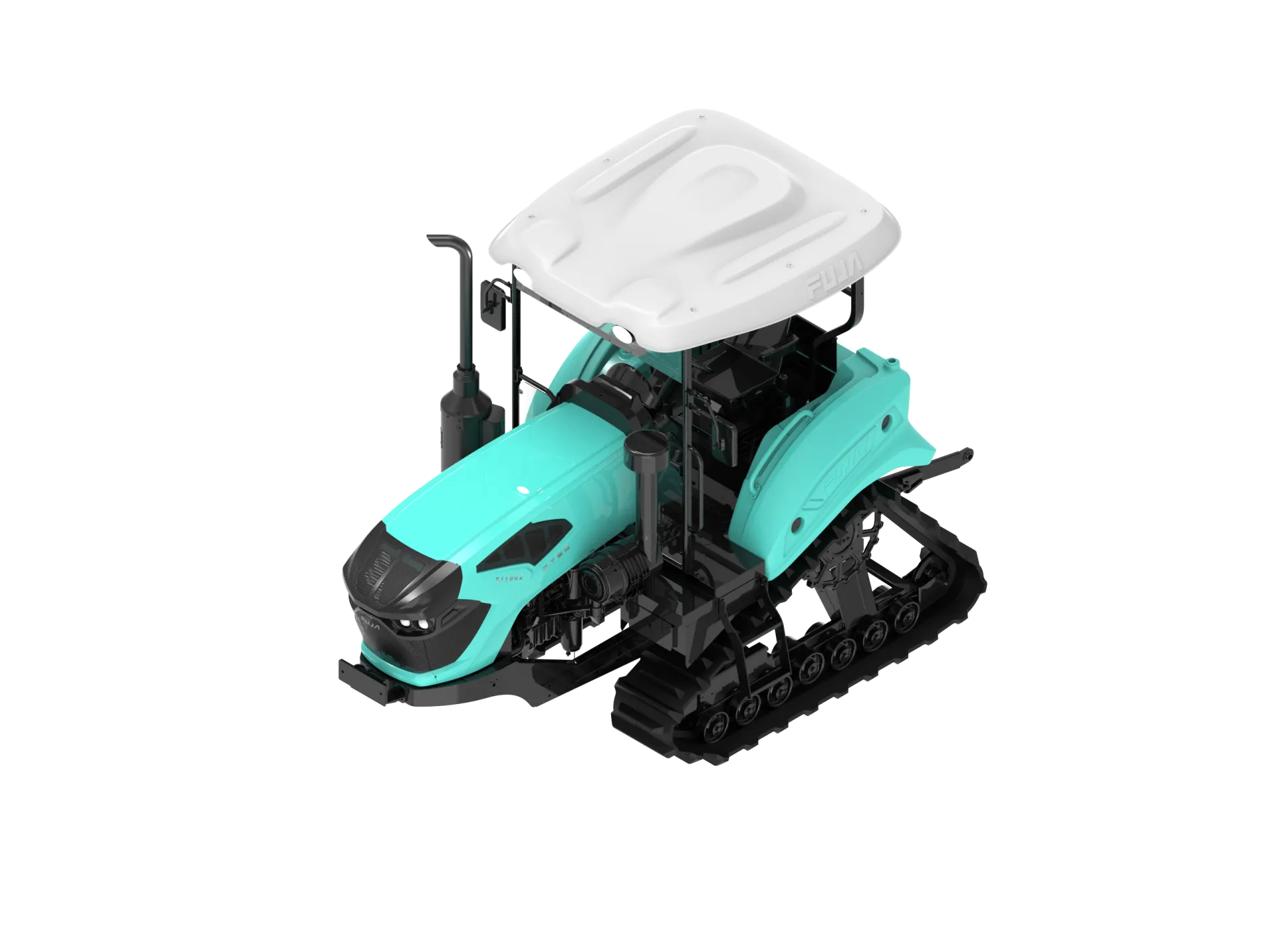
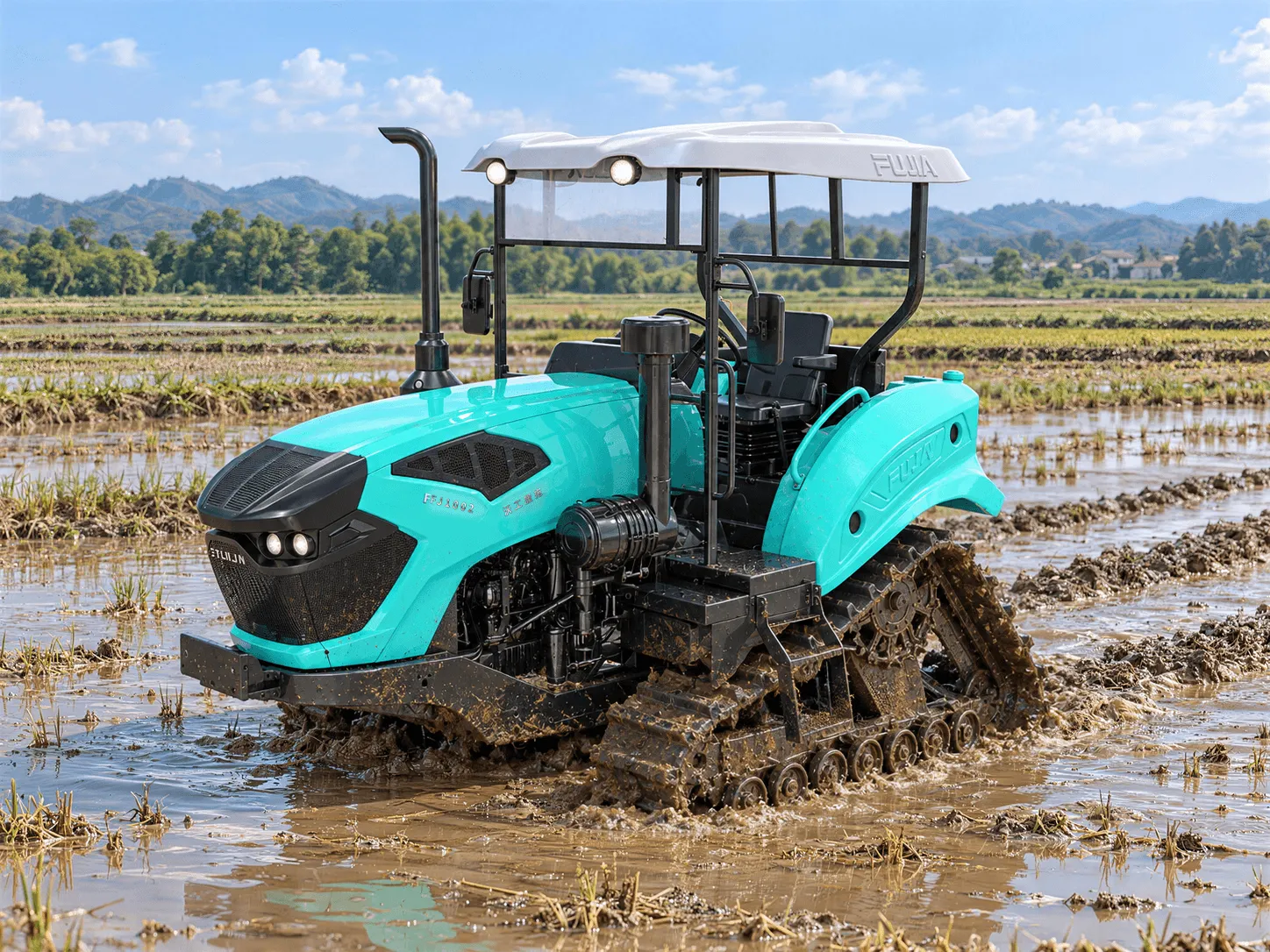
A crawler tractor moves on tracks rather than relying on wheels alone. The track system spreads machine contact across a longer footprint, while traction comes from the track engaging the ground. That operating principle can be useful when a task demands steady movement over yielding or uneven surfaces. It does not mean that every tracked machine will perform well in every wet field: ground pressure depends on the full machine design and load, and soil response also changes with moisture and preparation. For agricultural work, the tractor must be considered together with the implement. Draft demand, working depth, and the time spent turning or travelling can change how much traction is needed. No track width, ground pressure, weight, or power figures are available for the product referenced by this page, so buyers should not infer them from the word “crawler.” Ask for the technical sheet for the exact model and any proposed configuration. Confirm that it identifies operating weight, track details, rated power, and approved implement connection information. These are the facts needed to understand whether the machine’s design matches the task, rather than relying on the general promise of tracked mobility.