Home » crawler agricultural platform

Crawler Agricultural Platform for Farm Operations

crawler agricultural platform

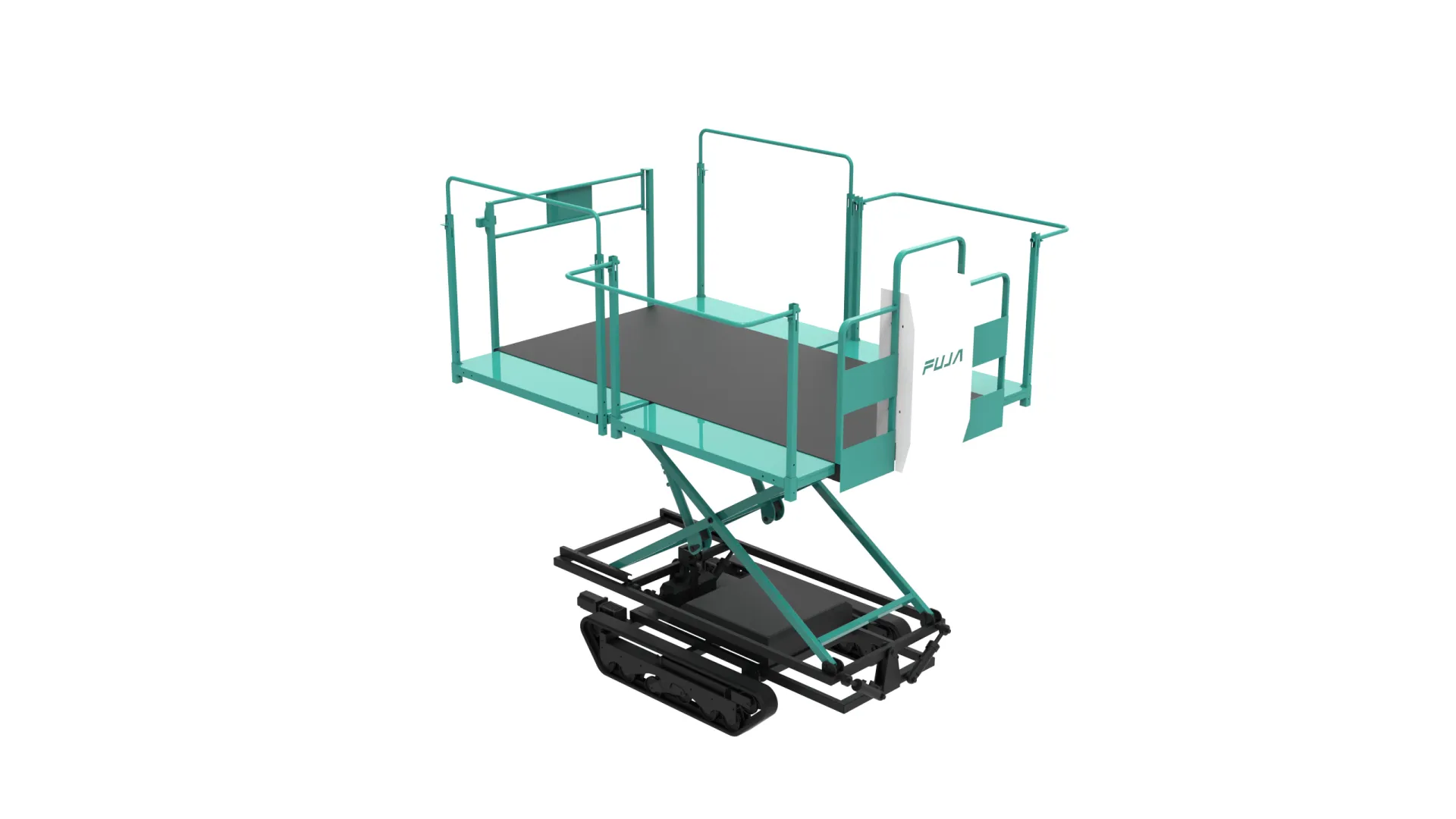
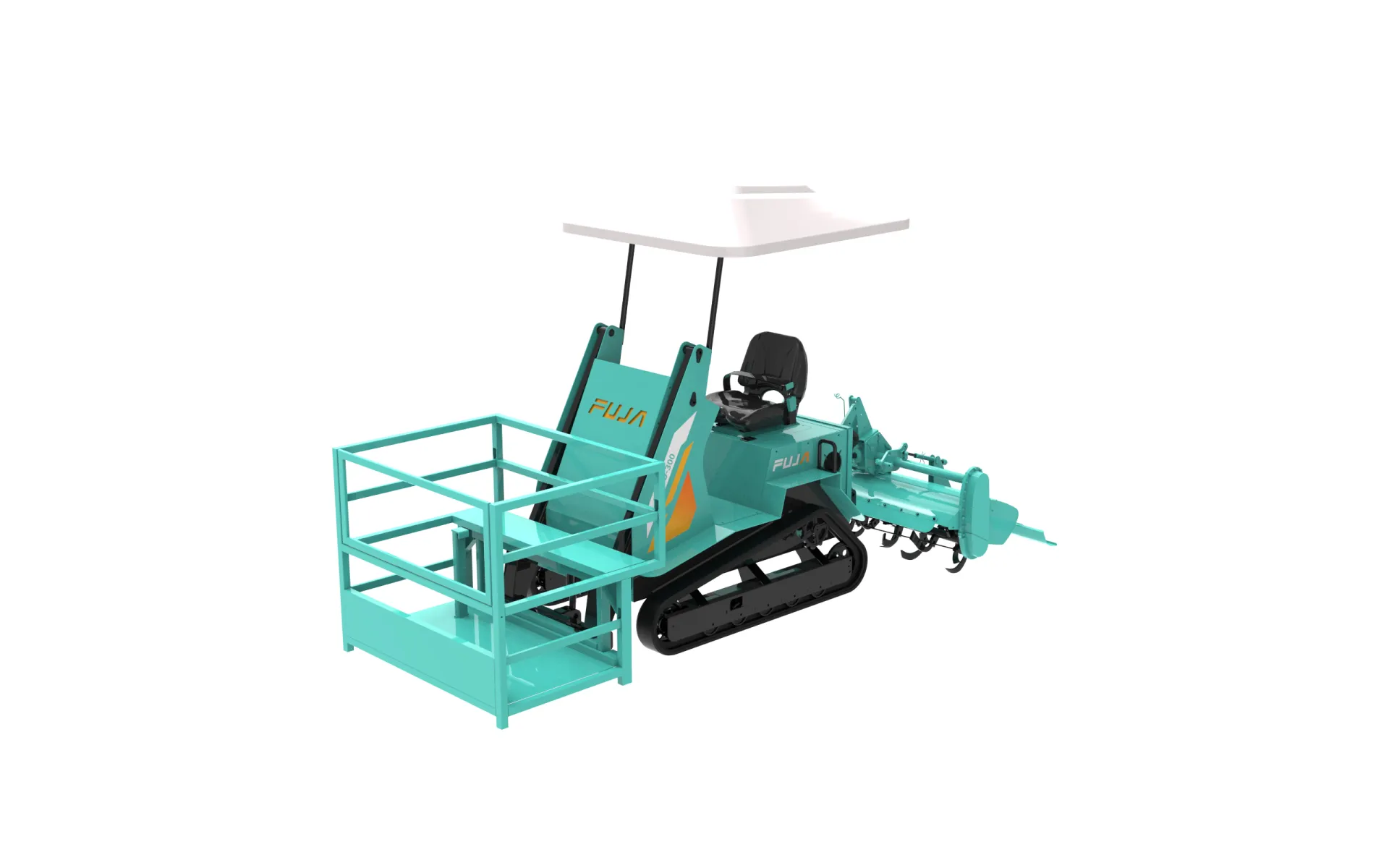
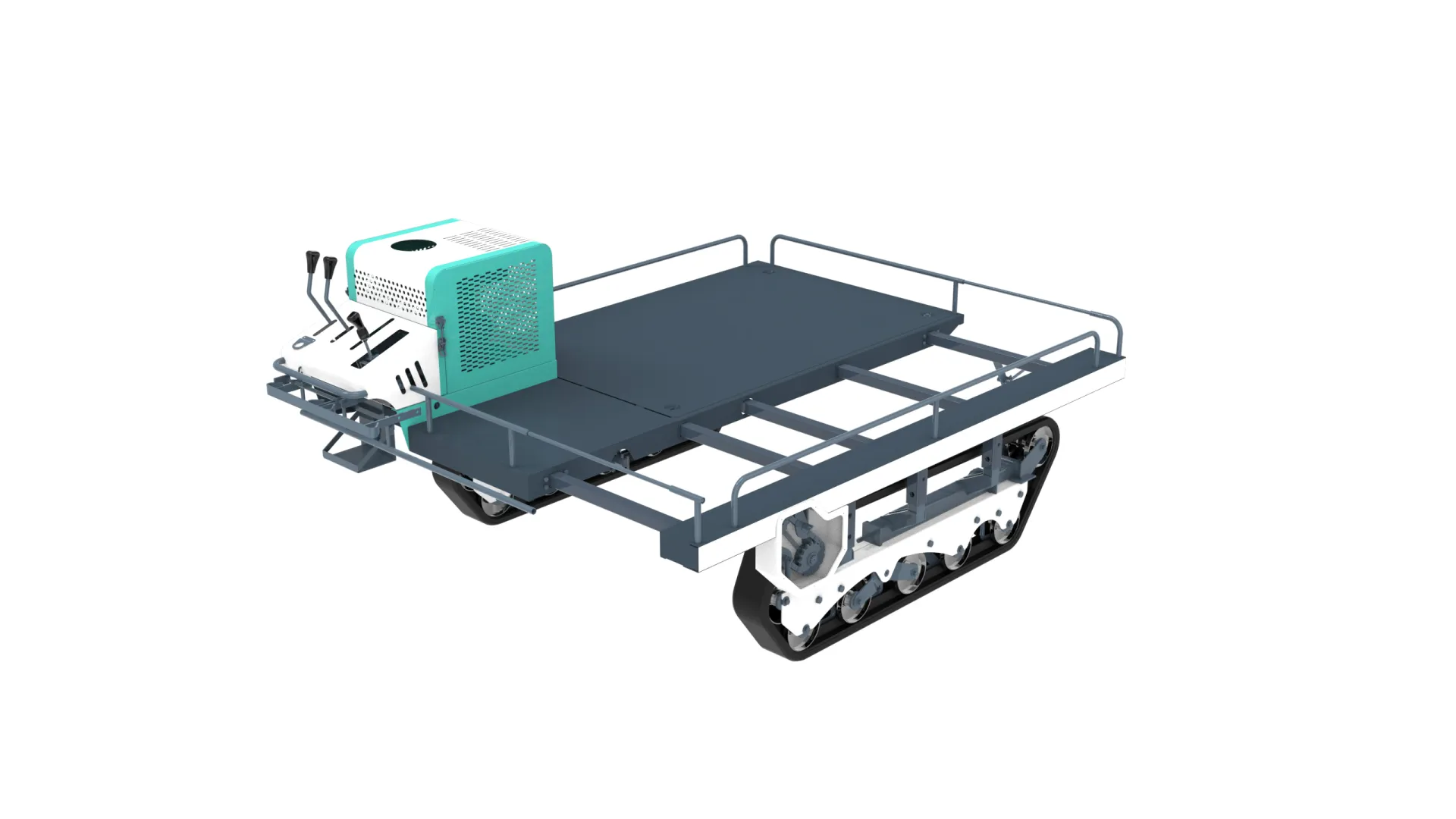
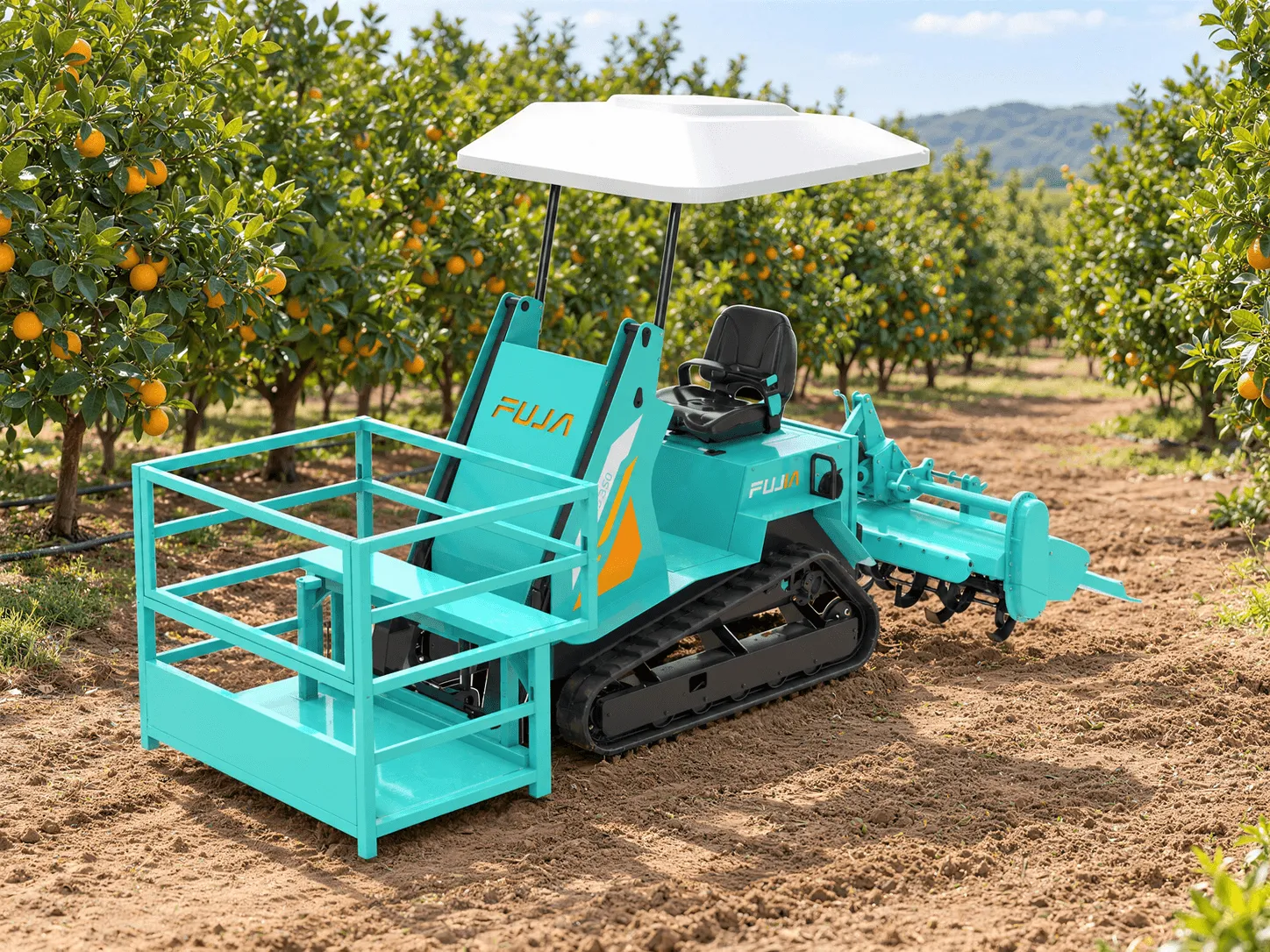
A crawler agricultural platform is a tracked machine base intended to carry equipment or support work across agricultural land. Buyers researching a crawler agricultural platform may be equipment manufacturers, farm operators, or agricultural contractors looking for a mobility solution for a defined task. The right fit depends on more than the word “crawler”: terrain, ground conditions, payload, dimensions, slope, required travel speed, and the equipment to be mounted all affect suitability. No model specifications, platform drawings, load limits, or attachment options have been provided for this product, so those details should be confirmed before comparing configurations. Agricultural Machinery Manufacturer & Supplier brings a 68,000 m2 smart manufacturing base, intelligent R&D, and smart manufacturing capabilities to its agricultural machinery work. For an initial technical review, prepare a description of the operation, field conditions, intended payload, and any interface requirements. These details help establish whether a tracked platform is appropriate and what information is needed to discuss a workable configuration. Buyers should also confirm the applicable compliance documents for the exact machine and destination market before placing an order.

Technical Detail

Configured around process stability, mold life, and long-term uptime.

The crawler agricultural platform is a product category for buyers who need a tracked base for agricultural work; the available information does not identify a specific model or establish its load capacity, dimensions, engine or motor type, speed, gradeability, or attachments. Those figures should not be assumed from the product name. Agricultural Machinery Manufacturer & Supplier describes its operation as a 68,000 m2 smart manufacturing base, supported by intelligent R&D and smart manufacturing. These are company-level capabilities, not published specifications for a particular platform. For a useful product comparison, request the technical sheet and general arrangement drawing for the proposed model, then check that rated payload includes the mounted implement and any materials carried during operation. Confirm track dimensions, overall width and length, ground clearance, turning method, power source, and operating limits against the intended field and transport route. Also ask how the platform interfaces with the equipment it will carry: mounting points, hydraulic or electrical connections, and control requirements should be documented if relevant to the configuration. The brand lists CE among its certifications, but buyers should verify whether CE documentation applies to the exact platform and configuration being offered, and whether it meets requirements in the destination market. With these facts confirmed, procurement teams can assess the machine against their application rather than relying on a category label.

Electric Orchard Work Platform

How a Tracked Agricultural Platform Supports Field Work

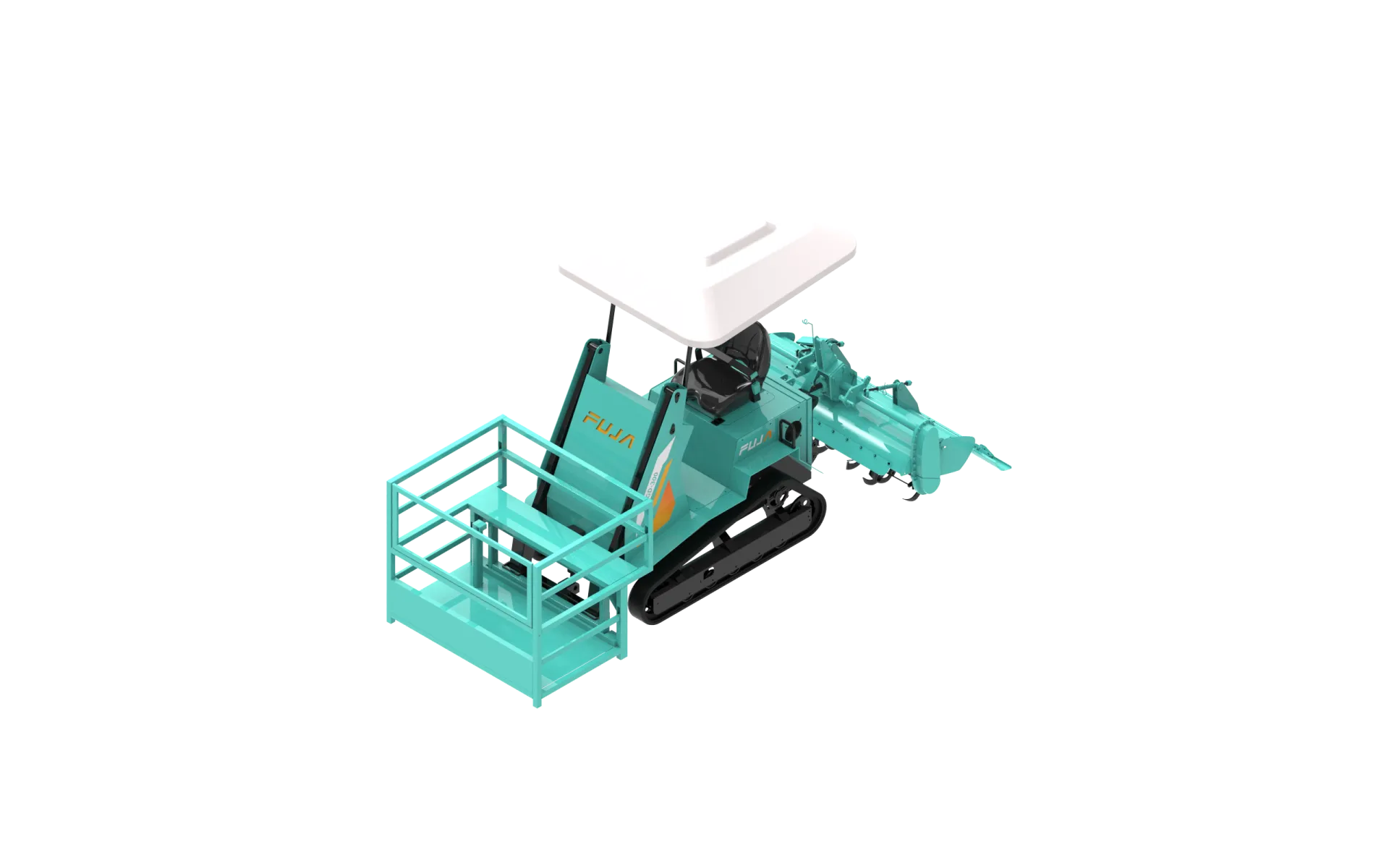
A crawler platform uses tracks as its ground-contact system, with a chassis carrying the power and control components and providing a base for a task-specific load or equipment. This describes the general product category, not a verified construction drawing for a particular Agricultural Machinery Manufacturer & Supplier model. The supplied product information does not specify track material, suspension design, drive layout, steering mechanism, or whether the platform is supplied with an implement. These details matter because they determine how the machine moves, how equipment is mounted, and what maintenance access may be needed. When reviewing a proposed unit, ask for a labeled assembly drawing and identify the track assembly, chassis, operator or remote-control arrangement, power system, and interface points. If the platform is intended to carry a tool, request the mounting and connection details for that tool rather than assuming universal compatibility. The manufacturer cites intelligent R&D and smart manufacturing as company strengths; for a buyer, the practical next step is to ask which design and production records are available for the specific configuration under discussion. This keeps a category-level understanding separate from confirmed product construction.

Electric Orchard Work Platform

Check Field Conditions Before Assessing Suitability

A crawler agricultural platform may be worth evaluating where the work involves unpaved agricultural ground, but the keyword alone cannot establish that a particular model will suit wet soil, steep slopes, narrow rows, soft ground, or uneven terrain. Suitability depends on verified machine limits and the site. Record the soil condition across the operating season, typical slope, obstacles, row spacing, access width, turning space, and any transitions between field and hard surface. Then compare these conditions with documented ground clearance, overall width, turning capability, allowable slope, track contact dimensions, and operating restrictions for the offered model. Payload must be considered alongside terrain: an implement and carried material contribute to the load, and the working load may affect stability and ground pressure. If the supplier cannot provide a limit for a relevant condition, treat that point as unresolved rather than inferring performance from the crawler format. Agricultural Machinery Manufacturer & Supplier provides no model-specific operating envelope in the information supplied. A site description, photographs, and a list of intended tasks can help the manufacturer determine which technical limits need to be checked before suitability is claimed.

Electric Orchard Work Platform

Prepare a Clear Request for Configuration Details

Before requesting a quotation for a crawler agricultural platform, assemble the information needed to define the machine rather than asking for a price against an unspecified category. Describe the agricultural task and operating location, state the implement or payload and its working weight, and provide the required mounting or connection interfaces. Include field width constraints, ground and slope conditions, access and transport dimensions, expected operating duration, and any control preferences. Ask the manufacturer to identify the proposed model and provide its specification sheet, overall drawing, rated load and operating limits, available configurations, and a written list of included equipment. Where an option is proposed, request its technical effect and compatibility details. Agricultural Machinery Manufacturer & Supplier cites a 68,000 m2 smart manufacturing base and more than 150 customers, but these company facts do not confirm a particular product configuration or a delivery commitment. Request documentation for the exact unit being discussed, including confirmation of whether CE documentation applies to that model and configuration. This gives engineering and procurement teams a shared basis for reviewing the proposal and identifying unanswered technical or compliance questions before moving forward.

News

Industry updates

Products

Production modules

Why Choose Us

Manufacturing and R&D Backing for Platform Discussions

Agricultural Machinery Manufacturer & Supplier presents itself as a high-end agricultural machinery manufacturer and supplier, with a 68,000 m2 smart manufacturing base and an intelligent R&D focus. For buyers evaluating a crawler agricultural platform, these stated capabilities provide a basis for discussing how a machine might be developed or produced, but they do not replace model-specific verification. The company also describes smart manufacturing as part of its approach to building reliable performance; procurement teams can ask how inspection and production records relate to the exact configuration proposed. Its profile references more than 150 customers and global service supporting farmers, useful context when assessing whether the supplier is equipped to engage with international buyers. The stated CE certification should be checked against the precise product, configuration, and destination-market requirements, since no platform-specific certificate or declaration has been provided here. A practical supplier discussion should therefore focus on technical drawings, documented limits, configuration scope, quality records, and applicable compliance papers. This connects the company’s stated manufacturing and service strengths to evidence buyers can review, without assuming unprovided platform specifications or service terms.

FAQ

Common technical questions

What should I compare when reviewing two crawler agricultural platform proposals?

Compare documented payload, overall dimensions, track and ground-clearance details, operating limits, power system, control method, and equipment interfaces. Confirm that both suppliers define payload on the same basis and include the same attachments; no model figures are available here for a direct specification comparison.

Can a crawler agricultural platform operate on wet fields or slopes?

That cannot be confirmed from the product name. Ask for the specific model’s allowable slope and operating restrictions, then compare them with the soil conditions and terrain at your site. Do not assume wet-ground or slope capability without written limits.

What information should I send to get a relevant configuration proposal?

Provide the task, field conditions, expected payload including implements, required mounting or power connections, access width, slope, and transport constraints. Ask the supplier to identify the proposed model and return its drawing, technical specifications, included equipment, and applicable compliance documents.

How do I confirm CE documentation for the platform I am buying?

Request the CE declaration or other applicable documentation for the exact model and configuration offered, and check that it covers the intended machine and destination market. The brand profile lists CE, but product-specific documentation was not supplied.

Need a solution for your project?

Share your product type, target capacity, and application requirements. Our team can review the details and recommend a practical next step.

Contact Us