

Home » small tractor with tracks in Indonesia

Small Tractor with Tracks in Indonesia

small tractor with tracks in Indonesia

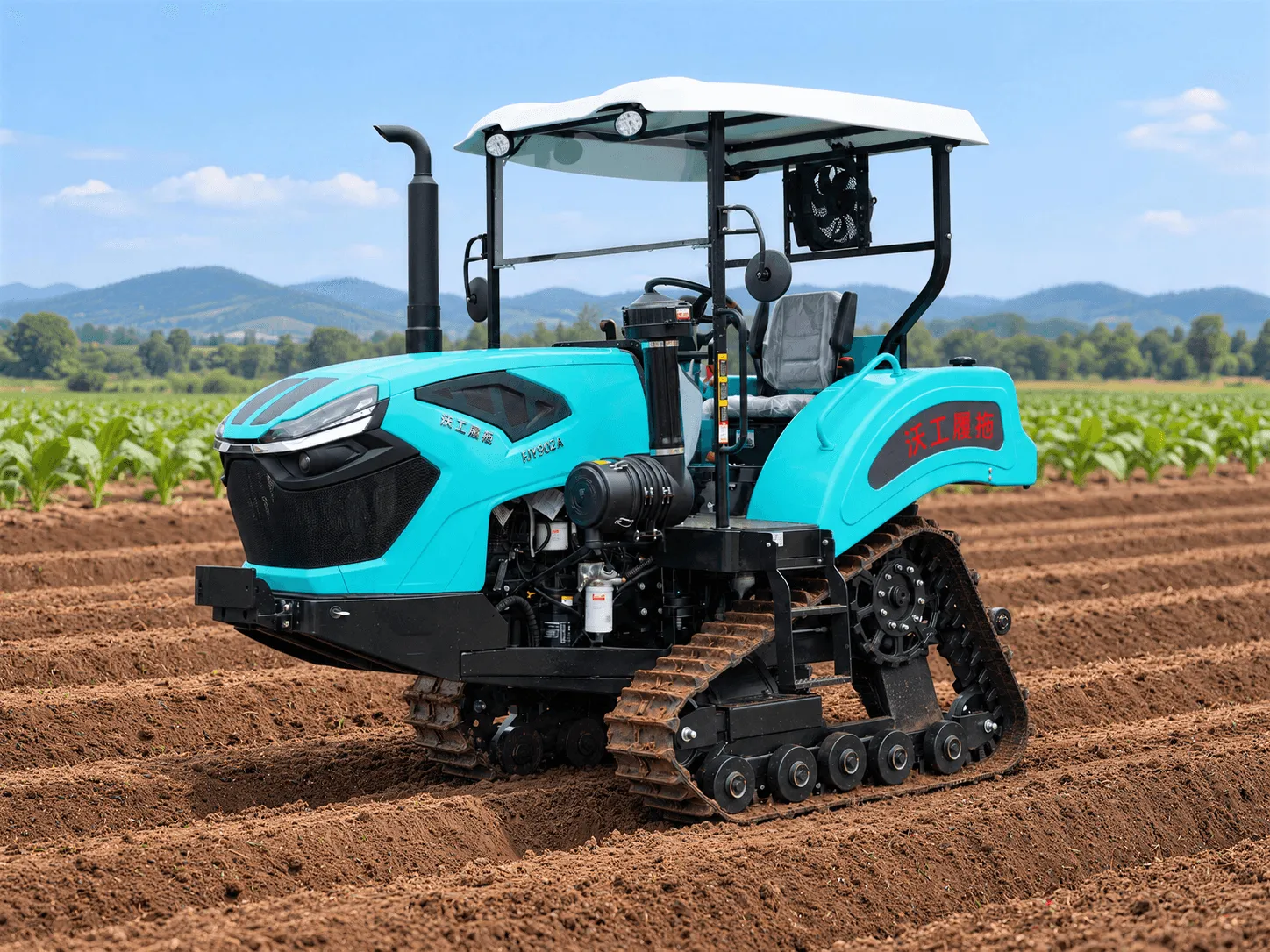
A small tractor with tracks in Indonesia is a compact agricultural machine concept for buyers who need traction on ground where wheeled equipment may struggle, such as soft soil or uneven plots. It may suit smallholders, plantation operators, and agricultural contractors, but the right machine depends on the actual terrain, workload, and configuration. No model specifications or product details have been provided for this page, so track dimensions, engine power, implement compatibility, and operating limits should be confirmed before purchase. Agricultural Machinery Manufacturer & Supplier presents itself as a high-end manufacturer focused on practical design and smart production. Its stated resources include a 68,000 m² smart manufacturing base, intelligent R&D, and global service support; it also reports serving more than 150 customers. These company details do not establish the specifications of a particular tracked tractor. To assess fit, buyers should prepare the intended tasks, soil conditions, access constraints, and any required attachments, then request the relevant model documentation. This makes it possible to compare the proposed machine with the work it must perform in Indonesia.

Technical Detail

Configured around process stability, mold life, and long-term uptime.

Tracked tractors use track assemblies instead of conventional wheels to move across the ground. In agricultural use, the track contact area and the machine's weight distribution affect how it interacts with the soil, while the tractor's powertrain and implement interface determine what tasks it can perform. These characteristics vary by model, and no verified tractor specifications have been supplied here. Buyers should therefore treat “small tractor with tracks” as a product category, not as confirmation of a particular size, horsepower, track width, or attachment package. Agricultural Machinery Manufacturer & Supplier describes its approach as combining intelligent R&D with smart manufacturing. The company states that its manufacturing base covers 68,000 m² and that it serves more than 150 customers. Those are company-level details; they should not be read as performance data for a specific tractor. The brand also lists CE certification, but buyers should verify whether the certificate applies to the exact machine and configuration being considered. Before comparing offers, request the model designation, technical datasheet, engine and transmission details, operating weight, track specifications, implement connection information, and applicable conformity documents. A supplier response that identifies each item clearly gives procurement teams a firmer basis for evaluating the machine than the product name alone.

Hilly and Mountainous Areas Crawler Tractor

How Track Configuration Affects Field Work

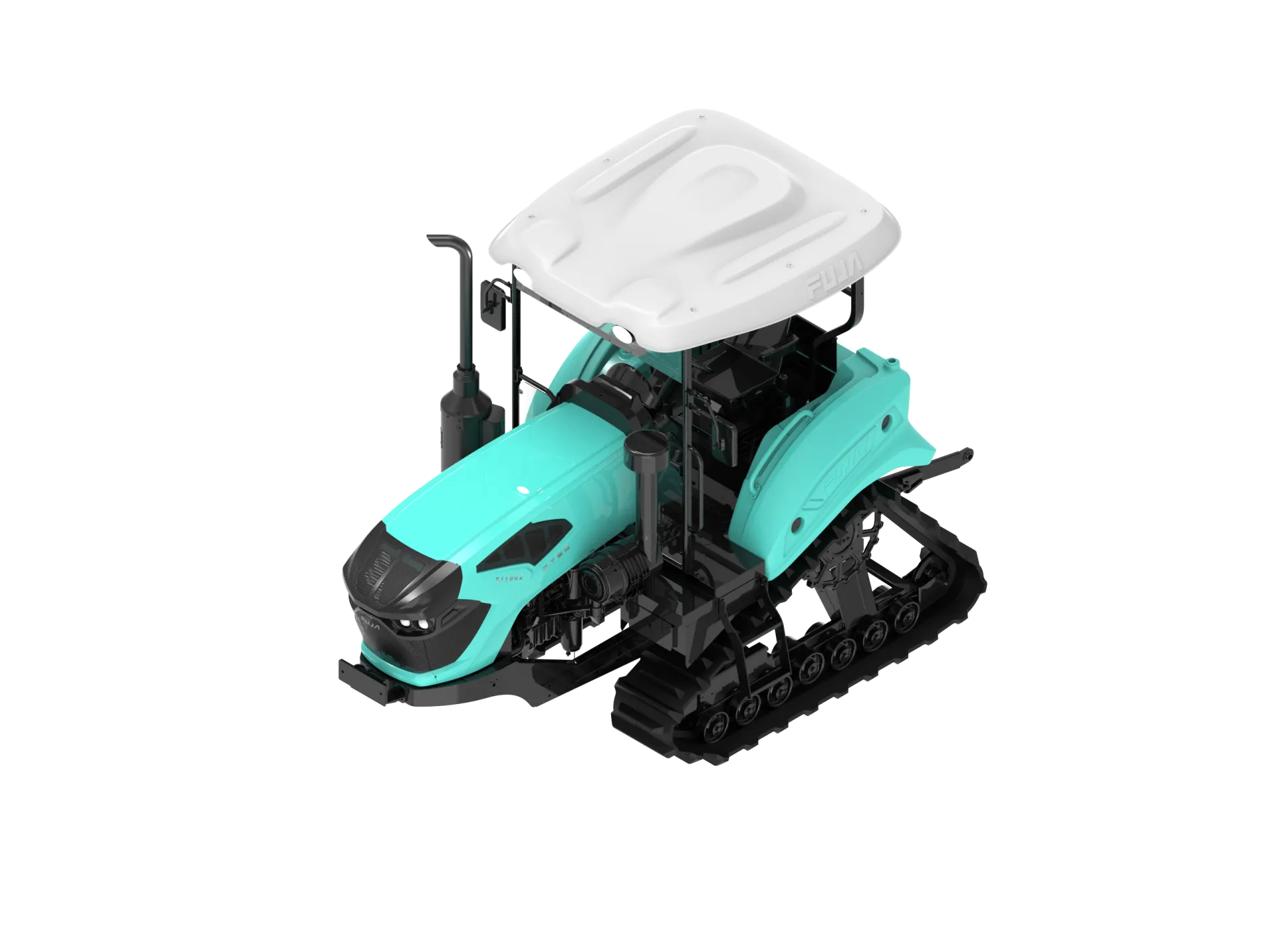
The track system is the part that distinguishes this tractor category from a wheeled compact tractor. Tracks provide a continuous ground-contact surface, while wheels contact the ground at smaller points. The resulting traction and soil interaction depend on the machine's design, weight, track geometry, and the condition of the ground; the word “tracked” by itself does not guarantee performance in every soil type. For a specific machine, ask the supplier for track width, track length or contact area, ground clearance, operating weight, and the recommended surface conditions. These figures help explain how the tractor may behave on soft, firm, sloped, or rutted ground. Also establish how the track system is maintained and whether its components are available for replacement. The manufacturer identifies intelligent R&D as one of its capabilities, describing its aim as designing for real-world challenges. That is useful context, but it does not replace a technical drawing or operating guidance for the offered model. Request those model-specific materials before making assumptions about maneuverability, ground pressure, or suitability for a particular Indonesian field.

Hilly and Mountainous Areas Crawler Tractor

Check Terrain and Workload Before Assuming Fit

A tracked compact tractor may be worth evaluating where fields are soft, uneven, or difficult to access, but suitability depends on the site and the task. A smallholder preparing a plot, a plantation operator moving between rows, and a contractor carrying out repeated field work may have very different requirements for turning space, travel distance, implement use, and daily operating time. Start with the ground: note whether it is waterlogged, loose, firm, sloped, or seasonally variable, and identify narrow gates, drains, and row spacing that constrain the machine's dimensions. Then list the work to be done and the implements involved. The product information available here does not state a tractor's dimensions, load limits, power, or permissible slope, so none should be assumed. Ask the supplier to compare your site details with the proposed model's operating limits and to flag conditions in which it is not recommended. This check matters because a machine that can move across a field may still be unsuitable for the intended implement, access route, or duty cycle. Use site photos and measurements where possible, and request written confirmation against the specific model.

Hilly and Mountainous Areas Crawler Tractor

Prepare a Model-Specific Purchase Request

Before requesting a quotation, send the supplier enough information to identify a workable configuration rather than asking only for a “small tractor with tracks.” Include the location in Indonesia, intended jobs, soil and seasonal conditions, field access width, approximate working area, expected operating hours, and the implements you plan to use. Ask the supplier to identify the exact model and provide its datasheet, track specifications, engine and transmission information, operating weight, attachment interface, and stated operating limits. Request confirmation of what is included in the proposed configuration and what would need to be specified separately. If CE documentation is relevant to your procurement or market requirements, ask for the certificate and verify that its scope matches the offered model and configuration; the brand's general CE listing alone does not establish that. The manufacturer reports a 68,000 m² smart manufacturing base and global service support. For practical planning, ask what technical support and parts information are available for Indonesia, without assuming a particular response time or local facility. A complete request lets the supplier answer against your actual work conditions and gives your team a clear document set for comparing proposals.

News

Industry updates

Products

Production modules

Why Choose Us

Manufacturer Resources for a Model-Specific Evaluation

Agricultural Machinery Manufacturer & Supplier describes itself as a high-end agricultural machinery manufacturer with a focus on innovation. Its stated 68,000 m² smart manufacturing base and intelligent R&D capability provide company-level context for buyers assessing its manufacturing and product-development approach. The company also reports serving more than 150 customers, an indication of customer reach without specifying which products or markets those customers represent. It lists global service support, which may be relevant to buyers arranging machinery for use in Indonesia; confirm directly what support channels, parts information, and technical documentation apply to the tractor under consideration. CE is also listed among the brand's certifications, but certification should be checked against the exact model and configuration rather than inferred from the company name. These points can guide supplier due diligence, but they do not substitute for a machine datasheet, written operating limits, or confirmation that the proposed tractor matches a buyer's field conditions. Ask the manufacturer to connect its company-level claims to the specific model being quoted, and keep the resulting product documentation with the purchase evaluation.

FAQ

Common technical questions

What details should I compare between two tracked tractor offers?

Compare the exact model, engine and transmission details, operating weight, track dimensions, implement interface, stated operating limits, included equipment, and applicable documentation. No verified model specifications are available here, so request the datasheets before comparing.

Can this type of tractor work in wet Indonesian fields?

Possibly, depending on the machine design and ground conditions. Ask the supplier to assess your soil, water level, slope, access route, and intended task against the model's documented limits; the product category alone does not confirm suitability.

What should I send the supplier to identify a suitable configuration?

Provide your location, field conditions, access dimensions, intended tasks, expected operating pattern, and implement requirements. Ask for the proposed model's datasheet, configuration details, operating limits, and relevant conformity documents.

Does the brand's CE listing confirm that the tractor I am buying is CE-certified?

Not by itself. Request the CE certificate and related conformity documents for the exact tractor model and configuration, then verify that their scope matches the machine in the offer.

Need a solution for your project?

Share your product type, target capacity, and application requirements. Our team can review the details and recommend a practical next step.

Contact Us




