EN
 HR

How a Tracked Tractor Differs in the Field
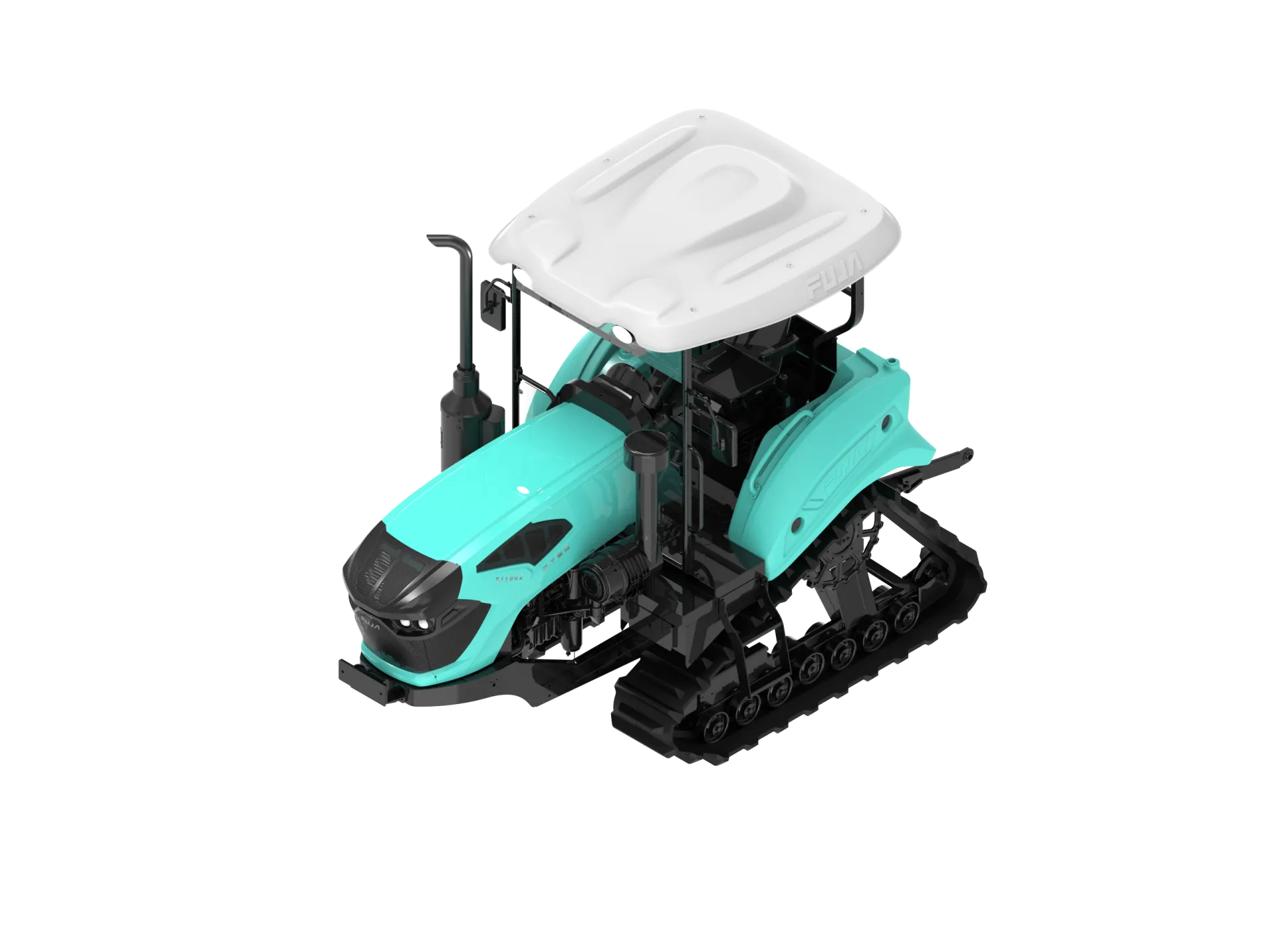
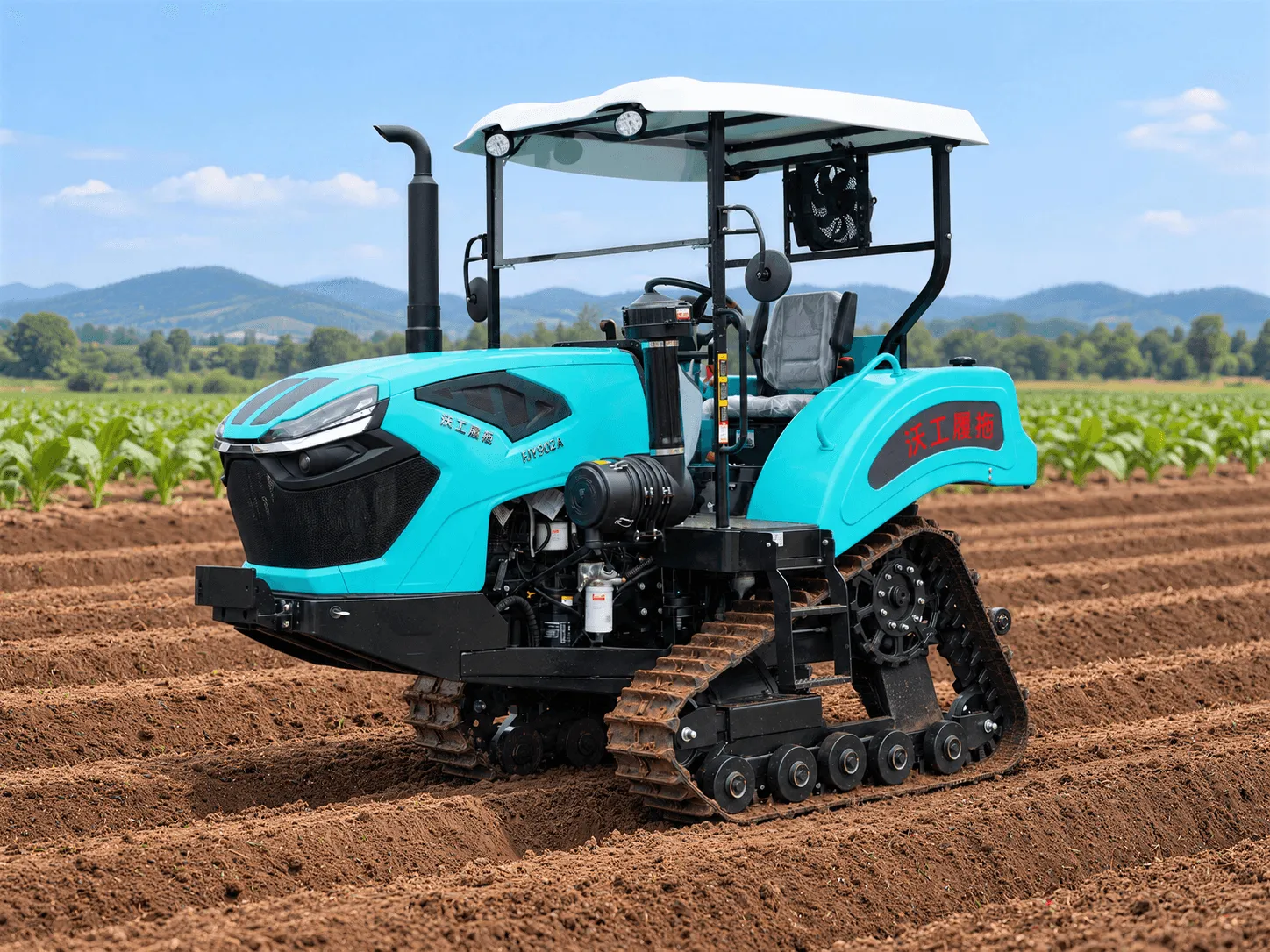
A tracked tractor moves on continuous tracks instead of using only conventional tires. The tracks form the machine’s contact with the ground, so the basic operating concept differs from that of a wheeled tractor. That distinction can matter when a buyer is assessing traction and movement over farm surfaces, but the word “tracked” alone does not establish how a particular model will perform. Track design, machine weight, power, ground clearance, and the working setup all affect practical capability; none of those model-specific details are available in the supplied product information. It is also important to distinguish the tractor platform from its working equipment. A farm may need a machine for one task or for several jobs using different implements, and compatibility cannot be inferred from the product category. The manufacturer identifies intelligent R&D as part of its approach to addressing real-world challenges, but no particular tractor mechanism, track material, transmission, or attachment system has been documented here. Ask for a model-specific overview that identifies the drive arrangement, controls, maintenance points, and approved implement interfaces. This gives the buyer a concrete basis for understanding the machine before assessing fit or requesting a configuration.