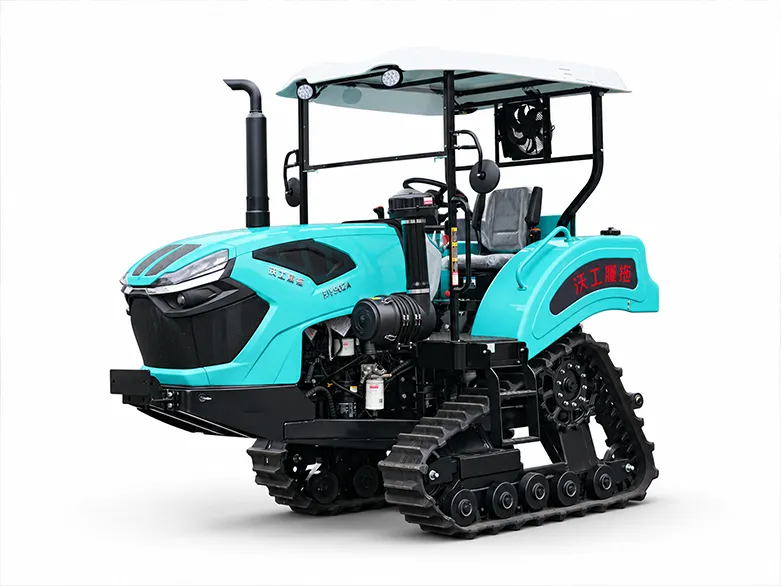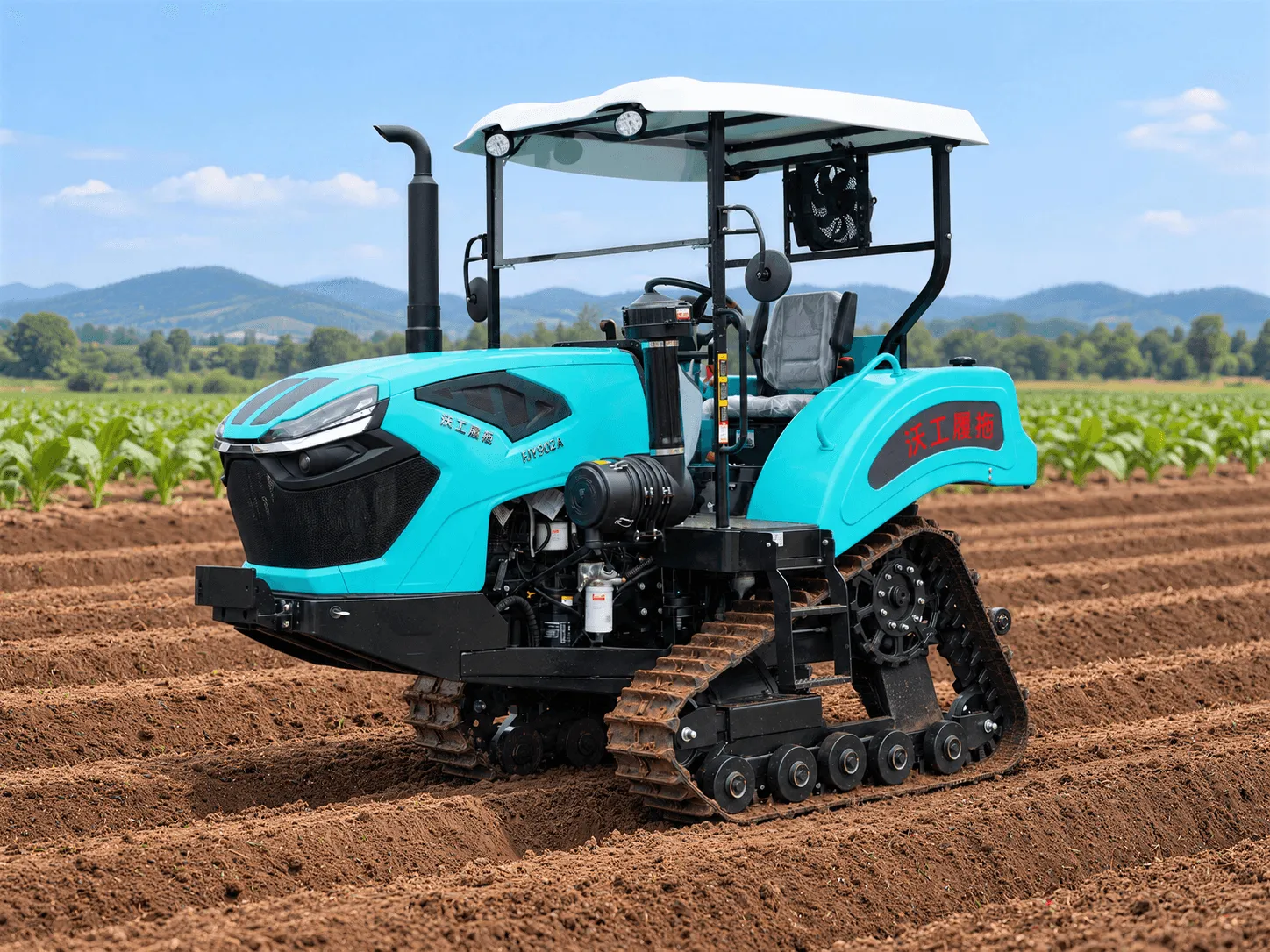
Home » crawler tractors in Colombia for agriculture

Crawler Tractors in Colombia for Agriculture

crawler tractors in Colombia for agriculture

Agricultural land in Colombia can present very different operating conditions, from relatively level fields to sloping or soft ground. A crawler tractor may be worth assessing where traction and ground contact matter, but the right choice depends on the specific site, workload, and machine configuration. No tractor model, engine rating, track dimensions, or operating limits have been provided here, so suitability cannot be confirmed from the keyword alone. As an agricultural machinery manufacturer and supplier, we approach the discussion around the conditions the machine must handle rather than assuming one configuration fits every farm. Share details such as slope, soil condition, hours of use, planned implements, and transport constraints to establish what should be checked. Our brand information includes a 68,000 m2 smart manufacturing base, intelligent R&D, and global service support. These capabilities provide a basis for discussing agricultural machinery requirements, while final recommendations should be matched to verified product specifications and local operating needs.

Technical Detail

Configured around process stability, mold life, and long-term uptime.

For buyers researching crawler tractors in Colombia for agriculture, the first step is to distinguish a general application inquiry from a confirmed machine match. The information available identifies us as an agricultural machinery manufacturer and supplier, with a 68,000 m2 smart manufacturing base and an intelligent R&D focus on real-world challenges. It does not include a specific crawler tractor model or technical datasheet. We therefore cannot state engine output, operating weight, track width, ground pressure, implement compatibility, or working limits. Those details matter when judging whether a machine can handle a particular farm task safely and productively. Our stated manufacturing approach is based on precision builds, while R&D is intended to inform practical design decisions. For an agricultural project in Colombia, these are relevant points to discuss alongside the actual work plan, not substitutes for product data. The company reports serving 150+ customers and lists CE certification; buyers should confirm which product and configuration the certification applies to before relying on it for procurement or compliance. Send the expected workload, field conditions, required implements, and any transport or storage constraints. We can then identify the technical information needed to assess fit and avoid treating crawler tractors as a one-size-fits-all purchase.

Hilly and Mountainous Areas Crawler Tractor

How Crawler Traction Relates to Field Conditions

A crawler tractor moves on tracks rather than relying on wheeled contact alone. In practical terms, the track system and machine weight influence how force is transferred to the ground, but the result depends on the exact design and operating conditions. Soil moisture, surface firmness, slope, turning space, and the work being performed all affect whether a tracked machine is appropriate. The available product information does not provide track dimensions, ground pressure, drawbar performance, or a specific model description, so those characteristics should not be assumed for this supplier’s range. For a Colombian farm, describe the actual field rather than using a broad label such as “rough terrain.” Include whether the tractor will work on prepared ground, uneven plots, or ground that becomes soft during certain periods. Also clarify whether it will make frequent turns or work in confined areas. These details help frame the technical questions for the manufacturer and prevent general claims about crawler tractors from being mistaken for verified specifications of a particular machine.
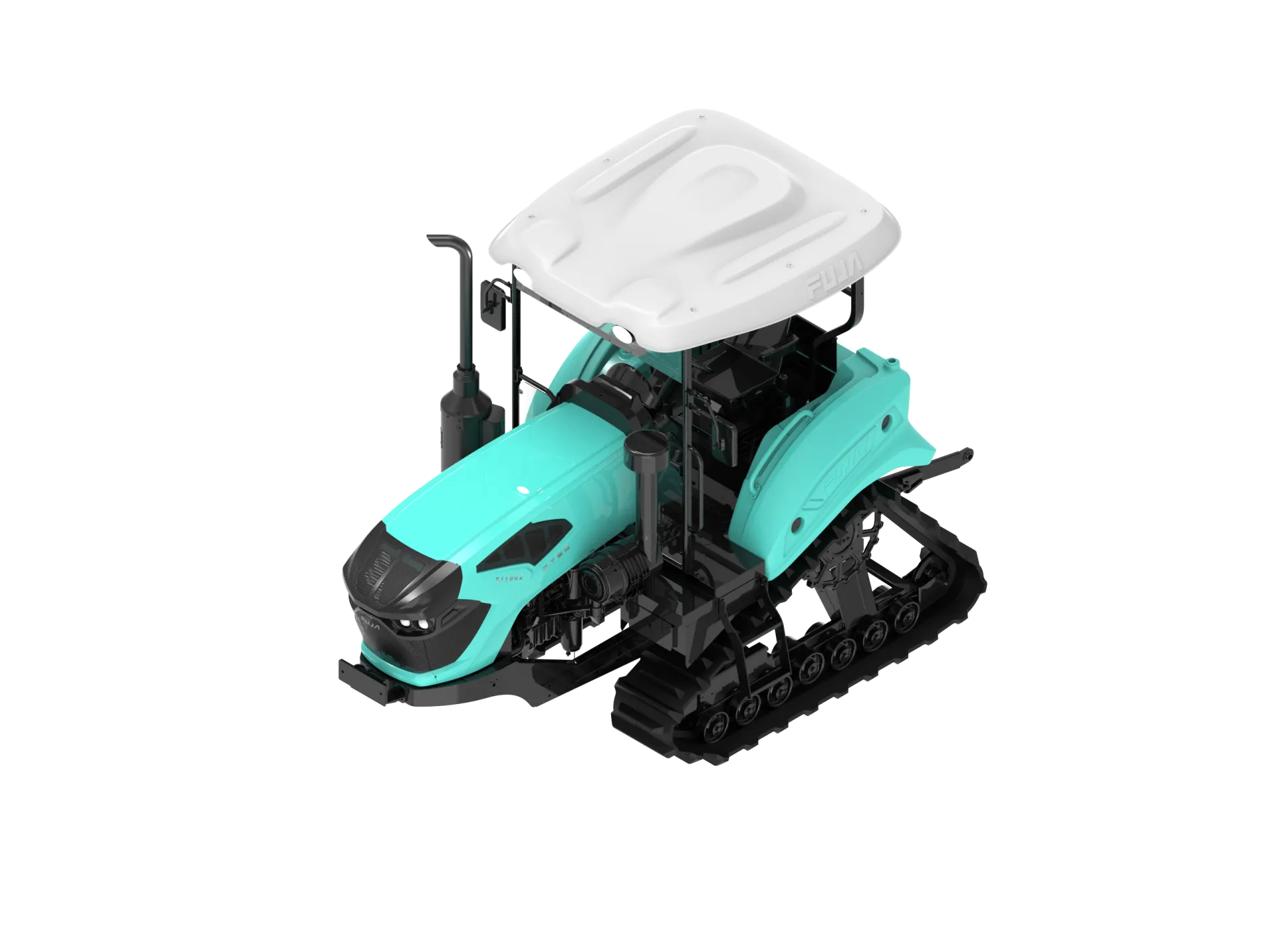

Hilly and Mountainous Areas Crawler Tractor

Check Suitability Against the Farm’s Workload

A crawler tractor may suit an agricultural task only when its verified capacity and configuration match the workload and site. Begin by listing the work to be done, expected operating hours, terrain and soil conditions, and the implements required. If fields include slopes or soft patches, explain where those occur and whether they are routine or seasonal. If the work involves repeated turning, narrow access, or movement between sites, include those constraints as well. Without model data, it is not possible to confirm a safe slope limit, implement capacity, or operating temperature range for this product. A mismatch can result in poor work rates, difficulty maneuvering, excessive strain, or a machine that cannot perform the intended task; the precise risks depend on the configuration and conditions. Do not infer suitability from the word “crawler” alone. Ask for the manufacturer’s operating limits and implement compatibility in writing, then compare them with the farm’s actual requirements. The company’s R&D positioning emphasizes real-world challenges, but the final assessment still needs product-specific evidence.

Hilly and Mountainous Areas Crawler Tractor

Information to Prepare Before Requesting a Configuration

A useful inquiry gives the supplier enough context to identify which specifications need confirmation. Provide the location and type of agricultural work, a description of the terrain and soil, the expected workload, and the implements or attachments under consideration. Note any narrow gates, storage dimensions, transport route limits, or other site restrictions. If operation changes by season, explain how conditions differ; this can affect the questions to ask about traction, protection, and maintenance. Request the model’s technical datasheet and confirm engine rating, operating weight, track dimensions, implement interfaces, working limits, and maintenance schedule rather than relying on generic category descriptions. Ask which configuration is actually available and whether CE documentation applies to that model. The manufacturer’s materials cite a 68,000 m2 smart manufacturing base and precision-focused production, but no specific configuration or customization options have been supplied. Keep the inquiry focused on verifiable requirements and ask the supplier to flag any mismatch between the proposed machine and your stated field conditions before moving forward.

News

Industry updates

Products

Production modules

Why Choose Us

Agricultural Machinery Backed by Design and Manufacturing Capacity

Our brand is positioned as an agricultural machinery manufacturer and supplier, with a 68,000 m2 smart manufacturing base and an intelligent R&D function focused on practical challenges. The stated manufacturing approach centers on precision builds, which is relevant when buyers need a configuration assessed against real field requirements. The company also reports serving more than 150 customers and describes global service support for farmers. These are company-provided credentials; they do not establish that a particular crawler tractor model is suitable for a given farm or guarantee a specific service arrangement in Colombia. CE certification is listed in the supplied brand information, but buyers should verify the certificate scope and applicable product before purchase. For a crawler tractor inquiry, we recommend reviewing the technical datasheet, operating limits, implement compatibility, and maintenance requirements together. This keeps discussion grounded in the machine being offered and the work it must perform, while giving buyers a clear basis for comparing proposed configurations.

FAQ

Common technical questions

What information should I send to check whether a crawler tractor fits my farm in Colombia?

Describe the terrain, soil conditions, slopes, planned tasks, operating workload, and required implements. Include access, storage, and transport constraints. The supplier will need to compare those details with specifications for an actual model.

Can you confirm the crawler tractor’s engine power and track width?

Those figures were not included in the supplied product information. Request the datasheet for the specific model and configuration; do not use generic crawler-tractor figures as a substitute.

Would a crawler tractor work on both soft fields and sloping land?

It depends on the machine’s verified operating limits and the site conditions. Ask the supplier to assess soil firmness, slope, moisture, and turning requirements against the specific model before deciding.

What maintenance details should I confirm before buying?

Request the model-specific maintenance schedule, inspection points for the track system, and guidance for the conditions in which you will operate. No maintenance interval or procedure was provided in the available product information.

Need a solution for your project?

Share your product type, target capacity, and application requirements. Our team can review the details and recommend a practical next step.

Contact Us