

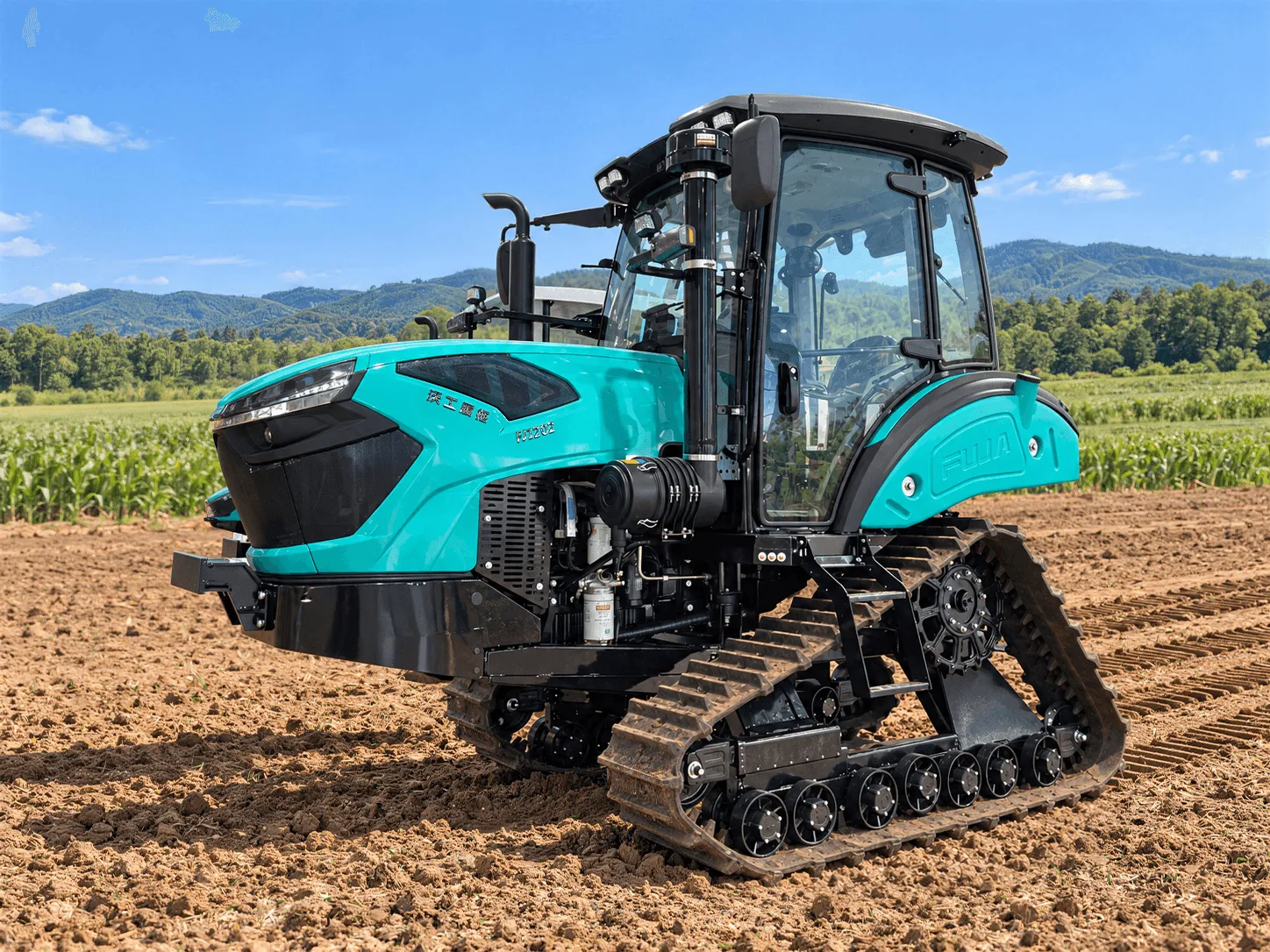
Home » crawler tractors China for agriculture

Crawler Tractors China for Agriculture: Match the Ground

crawler tractors China for agriculture

Crawler tractors can be considered for agricultural work where soft, uneven, or sloping ground makes traction and ground pressure important. For buyers searching for crawler tractors China for agriculture, the main question is not simply whether tracks are available; it is whether the machine’s specific configuration suits the soil, workload, field access, and implements involved. No model specifications or product details have been provided here, so compatibility should be confirmed against the intended operating conditions rather than assumed from the product category. Agricultural Machinery Manufacturer & Supplier presents itself as a high-end, innovation-oriented brand, with a 68,000 m2 smart manufacturing base, intelligent R&D, and global service positioning. These capabilities provide a basis for discussing practical requirements, but they do not replace model-level technical verification. Before selecting a tractor, document the field’s soil condition, slope, turning space, seasonal moisture, annual workload, and required attachments. This page outlines what to assess and what information to prepare before discussing a suitable crawler tractor configuration with the supplier.

Technical Detail

Configured around process stability, mold life, and long-term uptime.

For agricultural operations in which wheeled equipment may struggle to maintain traction, a crawler tractor can be a candidate because its tracks distribute contact with the ground differently from conventional tires. Whether that translates into useful performance on a particular farm depends on the machine’s verified specifications and the field conditions; no model, engine rating, track dimensions, or implement capacity is specified in the available product information. Buyers should therefore treat this page as an application discussion, not a specification sheet or confirmation that a particular machine is suitable. Agricultural Machinery Manufacturer & Supplier positions itself in the high-end agricultural machinery market and identifies a 68,000 m2 smart manufacturing base, intelligent R&D, and smart manufacturing as company strengths. Its stated production approach emphasizes precision builds, while its R&D positioning focuses on designs for real-world challenges. The brand also lists CE among its certifications. Buyers should confirm whether the exact tractor model and configuration being considered carry the required conformity documentation for their destination market; a company-level certification reference alone does not establish product-specific compliance. For an initial assessment, share the crop and field operation, soil type and moisture range, slope, expected working hours, access constraints, and implement requirements. Ask the supplier to match these conditions against documented specifications, operating limits, and applicable certificates. This evidence-based check helps distinguish a genuinely suitable crawler tractor from one that merely appears appropriate by category.

Heavy-Duty Farm Crawler Tractor

How Tracks Affect Field Operation

A crawler tractor uses tracks rather than a conventional wheel-and-tire contact arrangement. In general agricultural practice, this changes how the machine engages with the ground and can make tracked equipment worth evaluating where traction, soft soil, or uneven terrain is a concern. It does not guarantee lower soil impact or better performance in every field: track design, machine weight, operating technique, soil moisture, and the task all matter. For this brand, the available material describes a 68,000 m2 smart manufacturing base and intelligent R&D, but it does not specify track width, ground pressure, steering system, engine output, or transmission. Those figures are necessary to compare machines in a technically meaningful way. Ask for the relevant specification sheet and clarify how the stated measurements are defined. Also check whether the intended operation requires frequent turns, transport between fields, or work in confined rows, since those conditions affect how a tracked machine is used. Treat the general benefits of tracks as a reason to investigate, not as a substitute for model-specific operating data.
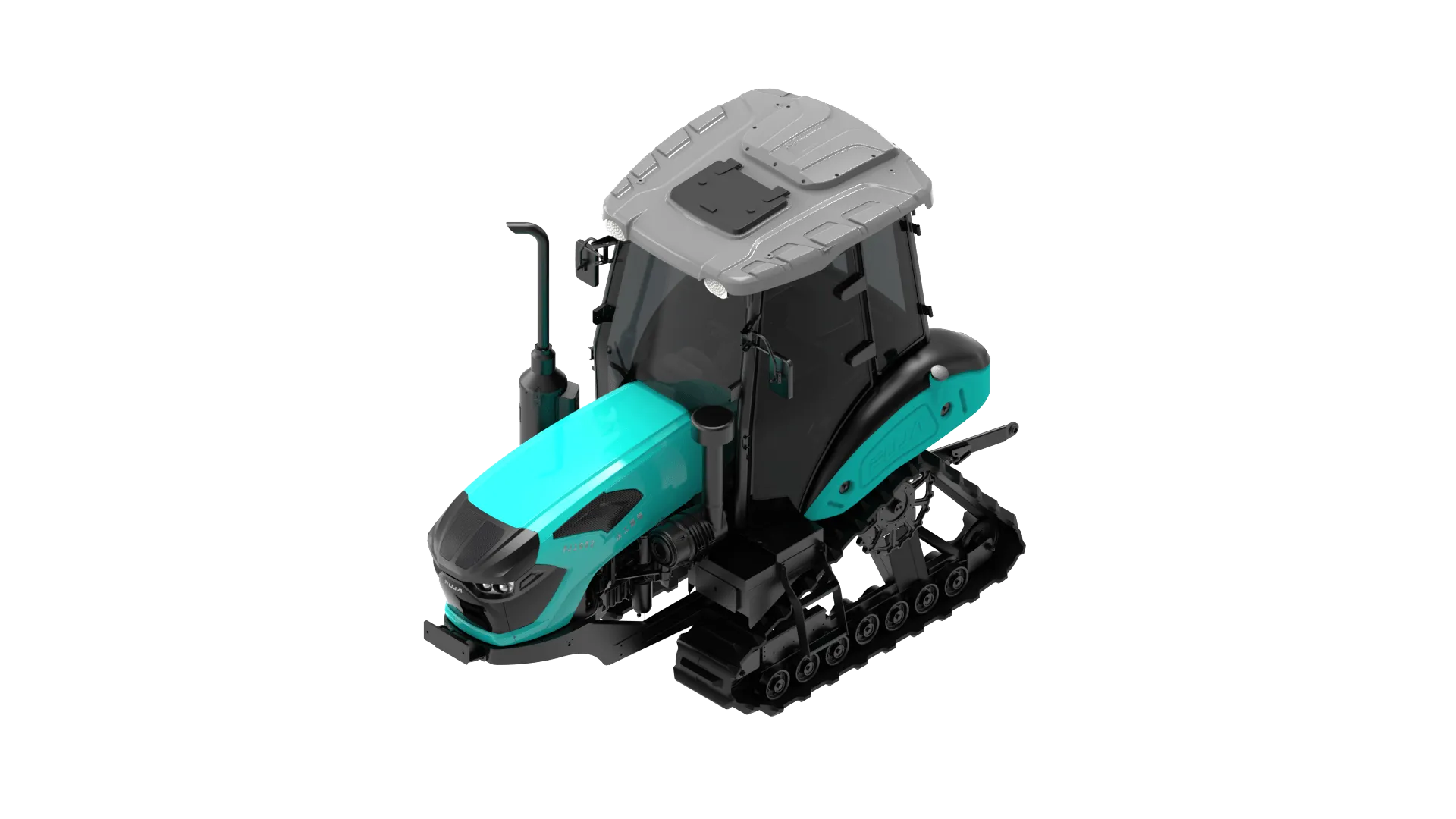

Heavy-Duty Farm Crawler Tractor

Check Field Conditions Before Assuming Fit

Crawler tractors may be worth assessing for agricultural fields with soft or uneven ground, but suitability depends on the actual work and the machine’s limits. Start with soil type and seasonal moisture: a field that is firm during one part of the year may become difficult after rain. Record the steepest slopes, narrowest access points, turning areas, and any transitions between soil, paved roads, and farm tracks. Then define the workload, including the operation being performed and how many hours the tractor is expected to work. Use those conditions to ask the supplier for documented limits and operating guidance for the proposed model. If the tractor must pull a particular implement, confirm compatibility and required power using manufacturer-provided data rather than estimating from appearance. A mismatch can lead to poor traction, inefficient work, excessive stress on equipment, or difficulty maneuvering; the precise risk depends on the configuration and field. Agricultural Machinery Manufacturer & Supplier identifies intelligent R&D and precision manufacturing as strengths, but these general capabilities do not establish fit for a specific farm. Request evidence for the exact configuration before making an application decision.

Heavy-Duty Farm Crawler Tractor

Prepare a Practical Configuration Enquiry

A useful enquiry gives the supplier enough detail to assess the application without assuming a particular model. Provide the country of use, crop or operation, soil conditions across the working season, slope, field access and turning constraints, expected workload, and any implement already selected. Include photos or a field layout if they help explain access or terrain. State whether the tractor needs to travel on public roads or between separated plots, since transport requirements can change the questions that need to be resolved. Ask for a model-specific specification sheet covering the machine’s dimensions, operating weight, engine and transmission details, track information, implement interfaces, and stated operating limits. Request confirmation of which attachments or configurations are available, rather than assuming compatibility. Since the brand lists CE among its certifications, ask for the documentation relevant to the precise model and destination market. Agricultural Machinery Manufacturer & Supplier describes global service support, but response scope and local arrangements are not detailed in the provided information; confirm what support is available in your region. This checklist makes the next technical discussion concrete without presuming price, availability, or delivery terms.

News

Industry updates

Products

Production modules

Why Choose Us

A Manufacturing Base and R&D Focus for Application-Led Discussions

Agricultural Machinery Manufacturer & Supplier presents a high-end, innovation-oriented position supported by a 68,000 m2 smart manufacturing base and an intelligent R&D function. For a crawler tractor enquiry, those facts are relevant starting points: buyers can describe the field conditions and work requirements, then ask how the proposed machine is designed and built for those demands. The brand also describes its manufacturing approach as precision-focused, an important point to verify through the model’s specifications and quality documentation rather than relying on a broad claim alone. The company reports serving 150+ customers and positions its service as global, indicating experience across a customer base and an intent to support farmers in different markets. No customer names, case results, or regional service terms are provided, so buyers should confirm references and local support arrangements where needed. The brand lists CE among its certifications; request the applicable documents for the exact model and destination market before procurement. This combination of manufacturing scale, R&D positioning, customer experience, and stated certification gives buyers concrete topics for due diligence while keeping the final decision anchored in product-level evidence and field fit.

FAQ

Common technical questions

What information should I send to check whether a crawler tractor suits my farm?

Describe the soil and seasonal moisture, slope, field access and turning space, the operation and workload, and any implements you plan to use. Ask the supplier to assess those conditions against specifications and operating limits for a named model.

Can a crawler tractor work on both soft fields and sloping land?

It may be suitable for some such conditions, but this cannot be confirmed without the model’s specifications and details of the site. Soil moisture, slope, machine configuration, and operating practice all affect suitability. Request model-specific guidance for your actual terrain.

What should I confirm before attaching an implement?

Confirm the tractor’s documented implement interface, capacity, and operating requirements against the implement manufacturer’s requirements. The available information does not identify compatible attachments or provide capacity figures, so do not assume fit from the tractor category alone.

Does the brand’s CE certification cover every crawler tractor configuration?

The brand lists CE among its certifications, but the provided information does not identify covered models or configurations. Ask for the relevant conformity documentation for the exact tractor and configuration intended for your market.

Need a solution for your project?

Share your product type, target capacity, and application requirements. Our team can review the details and recommend a practical next step.

Contact Us




