

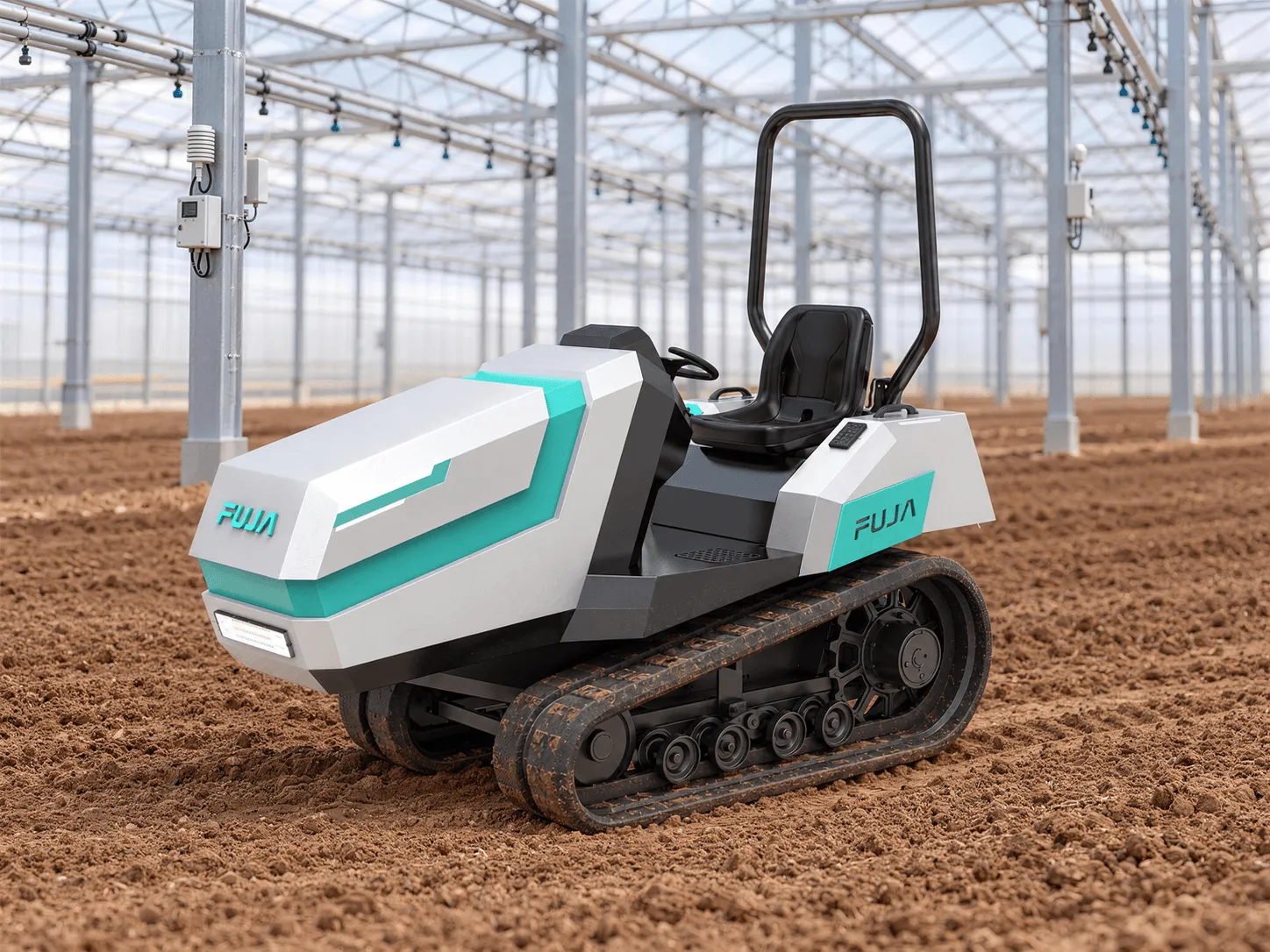
Home » tractor crawler in Kenya

Tractor Crawler in Kenya for Agricultural Work

tractor crawler in Kenya

A tractor crawler in Kenya may suit farms and agricultural contractors who need a tracked machine for work where traction and ground conditions matter. Unlike a wheeled tractor, a crawler tractor moves on continuous tracks, which distribute contact across a wider area than individual tires. The right choice still depends on the machine’s specifications and the job: soil condition, slope, implement requirements, travel distance and expected hours of operation all affect suitability. Agricultural Machinery Manufacturer & Supplier serves buyers seeking agricultural equipment and positions its offering in the high-end segment. Its stated capabilities include a 68,000 m² smart manufacturing base, intelligent R&D and global service support. Since no model specifications or attachment list have been provided for this page, it cannot confirm horsepower, track dimensions, operating weight or compatibility with a particular implement. Before requesting a quotation, identify the work the tractor must perform and the conditions it will face. Then ask the supplier to confirm the available model data, configuration and applicable documentation for delivery to Kenya.

Technical Detail

Configured around process stability, mold life, and long-term uptime.

A crawler tractor is an agricultural tractor that travels on continuous tracks rather than conventional wheels. Buyers considering a tractor crawler in Kenya typically assess whether tracked mobility fits their work, but the product’s actual capability depends on the selected model and its documented specifications. No model number, engine rating, operating weight, track dimensions, working speed or attachment options were supplied for this page, so these details should be confirmed directly rather than assumed. Agricultural Machinery Manufacturer & Supplier presents itself as a high-end agricultural machinery provider with a 68,000 m² smart manufacturing base. The company also identifies intelligent R&D as a design capability, with an emphasis on addressing practical operating challenges. These are brand-level statements, not specifications for a particular crawler tractor. The supplier lists CE among its certifications; buyers should request the relevant certificate and verify that it applies to the exact model and configuration under consideration. For procurement teams, this distinction matters: a factory capability or general certification statement does not establish a machine’s drawbar performance, implement compatibility or conformity for a specific shipment. Use the product datasheet and configuration documents to verify those points. A tractor crawler may be worth evaluating when the intended work calls for tracked mobility, but a purchase decision should rest on confirmed model information and the buyer’s operating requirements.

Electric Crawler Tractor

How a Crawler Tractor’s Track System Works

A crawler tractor uses a continuous track assembly on each side to move the machine. The track engages with the ground along a longer contact area than a typical tire footprint. In general, this changes how the machine transfers its weight and traction to the surface; it does not by itself establish how much load a particular model can pull or carry. That depends on verified details such as operating weight, engine output, track design and the working equipment fitted. For buyers comparing a tractor crawler in Kenya with a wheeled tractor, the useful starting point is the job rather than the machine label. Ask for a diagram or technical description of the proposed track system, along with the manufacturer’s figures for ground contact, track width and operating weight, if available. Agricultural Machinery Manufacturer & Supplier describes its R&D as intelligent and focused on real-world challenges, but no specific track design or engineering data has been provided here. Request model-level documentation before treating general design claims as evidence of performance. A clear understanding of the track assembly helps buyers discuss traction, maintenance access and compatible working equipment with the supplier.
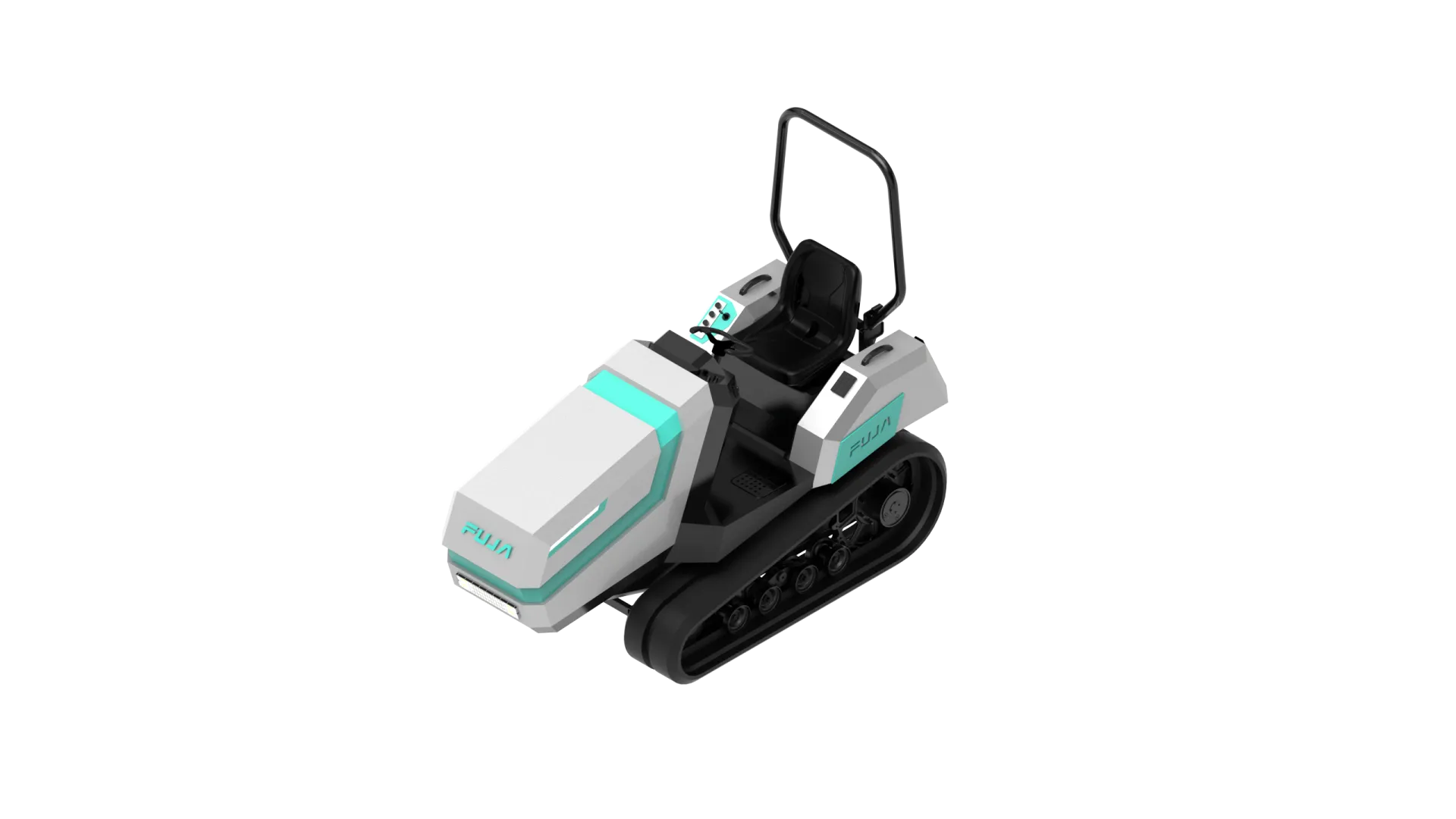

Electric Crawler Tractor

Check the Terrain and Workload Before Assessing Fit

Crawler mobility may be relevant where agricultural work involves soft or uneven ground, but conditions vary from farm to farm. A machine suited to one field may be unsuitable for another if slopes, soil moisture, obstacles, transport routes or implements differ. Buyers should map the actual work area and note the tasks the tractor will perform, including whether it will work mainly in fields, move between sites or operate with an attachment. Then compare those requirements with model-specific limits supplied by the manufacturer. Do not infer a safe slope, soil-pressure figure, towing capacity or ability to work in wet conditions from the fact that a tractor has tracks. Those limits have not been supplied for the product referenced here. For a tractor crawler in Kenya, the buyer should also consider how the machine will reach the farm and whether access routes can accommodate its dimensions and weight; confirm both from the selected model’s documentation. Agricultural Machinery Manufacturer & Supplier states that it supports farmers globally, but the exact service arrangements for a buyer’s location should be confirmed. This assessment helps separate a plausible application from an unverified performance assumption.

Electric Crawler Tractor

Prepare the Details for a Model and Quotation Request

To move from a general inquiry to a useful model discussion, send the supplier a concise description of the intended work. Include the primary tasks, field and soil conditions, typical slopes if known, expected hours of use, travel requirements and any implements that must connect to the tractor. Identify the destination in Kenya and ask which product documents are available for the proposed configuration. Request the model name and datasheet, including engine output, operating weight, track dimensions, working speeds and any stated operating limits. Ask the supplier to confirm implement interface details and whether the requested attachments are available; no attachment options have been specified in the information provided for this page. Also request the applicable CE documentation for the exact model and configuration, rather than relying on a general certification statement. Agricultural Machinery Manufacturer & Supplier cites a 68,000 m² smart manufacturing base and global service support, but the buyer should clarify what documentation and service support apply to the specific order and destination. These details give both sides a factual basis for assessing fit and preparing a quotation without assuming unlisted features or terms.

News

Industry updates

Products

Production modules

Why Choose Us

A Manufacturing Partner With R&D and Global Support

Agricultural Machinery Manufacturer & Supplier describes a manufacturing operation built around a 68,000 m² smart manufacturing base and intelligent R&D. For buyers evaluating a tractor crawler in Kenya, those stated capabilities provide a starting point for discussing how a machine is developed and produced, but the decision should still be based on the product documentation for the proposed model. The company also reports serving more than 150 customers and positions its global service support around farmers in different markets. Buyers can use an inquiry to clarify what support is available for their location, what technical materials accompany the machine and how product questions are handled. CE is listed among the brand’s certifications; confirm the certificate’s scope and that it covers the exact model being considered. These points are relevant to a high-end procurement process because they let buyers examine manufacturing, design, market experience and compliance documentation together. They are not a substitute for checking specifications, configuration or shipment-specific paperwork. Share the intended application and request evidence tied to the proposed tractor crawler so that the supplier’s stated capabilities can be assessed against the actual purchase requirements.

FAQ

Common technical questions

Which specifications should I compare between crawler tractor models?

Compare documented engine output, operating weight, track dimensions, working speeds and stated operating limits. Also check the implement interface against the equipment you plan to use. No figures for a specific model were provided here, so request its current datasheet before comparing alternatives.

Can a crawler tractor work on wet or sloping farmland in Kenya?

It depends on the model and site conditions. Ask the supplier for the machine’s documented operating limits and describe the soil, slope and moisture conditions at your farm. Do not assume that tracks alone make a tractor suitable for every wet or sloped field.

What should I confirm before using an implement with the tractor?

Confirm that the selected model supports the implement’s connection type and working requirements. Provide the supplier with the implement make, model and relevant connection or power requirements, then request written compatibility confirmation for the proposed configuration.

What information should I include when asking for a quotation?

State the tasks, working conditions, destination in Kenya and any required implements. Ask for the model datasheet, configuration details, applicable CE documentation and information about support for your location. These details help the supplier respond against a defined requirement.

Need a solution for your project?

Share your product type, target capacity, and application requirements. Our team can review the details and recommend a practical next step.

Contact Us




