

Home » crawler tractor in Kenya for agriculture

Crawler Tractor in Kenya for Agriculture: Check Field Fit

crawler tractor in Kenya for agriculture

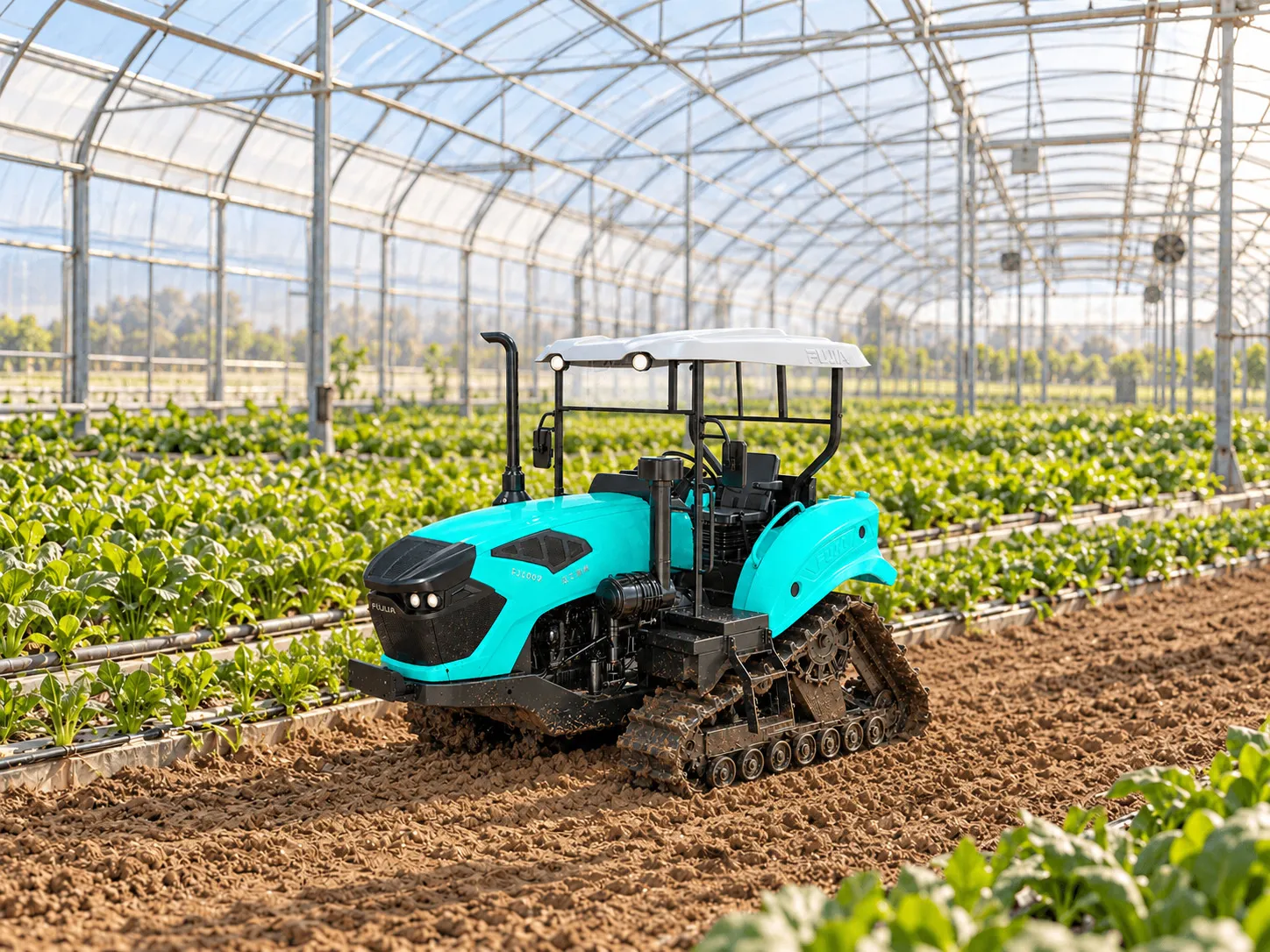
A crawler tractor in Kenya for agriculture may be worth considering where farm work involves soft ground, uneven fields, or areas where wheel traction is a concern. Suitability still depends on the actual site: soil condition, slope, working space, seasonal weather, task, and the equipment configuration all affect performance. No machine specifications or attachments have been provided for this product, so it would be misleading to claim a particular operating capacity, ground pressure, or compatible implement. Instead, begin by describing the work the tractor must perform and the conditions it will face. Agricultural Machinery Manufacturer & Supplier presents itself as a high-end, innovation-focused manufacturer, with a 68,000 m2 smart manufacturing base, intelligent R&D, and global service positioning. Those company details provide context for a technical discussion, but they do not replace model-level verification. Before selecting a crawler tractor for a Kenyan farm, compare the field requirements with documented specifications and confirm that the proposed configuration is suitable for the intended tasks.

Technical Detail

Configured around process stability, mold life, and long-term uptime.

For agricultural work in Kenya, crawler tractors are generally considered when ground conditions make traction and mobility important. Whether one is suitable depends on the farm’s soil, terrain, operating space, workload, and intended tasks; the keyword alone does not establish a particular machine’s capability. Product-specific details such as engine output, operating weight, track dimensions, ground pressure, implement compatibility, and service intervals have not been supplied, so buyers should request the relevant technical documentation before making a decision. Agricultural Machinery Manufacturer & Supplier describes its operation as a 68,000 m2 smart manufacturing base and highlights intelligent R&D focused on practical challenges. Its stated manufacturing approach emphasizes precision, while its global service positioning is intended to support customers in different markets. The company also lists CE among its certifications; buyers should confirm which model and configuration the documentation covers before treating this as product-level conformity. The brand reports serving more than 150 customers, but this does not by itself establish performance in a specific Kenyan farming environment. Use those company details as a starting point for due diligence, not as a substitute for a field-fit assessment. Ask for model-specific specifications and clarify the proposed application, including whether the tractor will work on prepared fields, uneven ground, or other conditions. A mismatch between machine capability and actual workload can lead to poor productivity, difficult operation, or avoidable maintenance. Verify the configuration in writing before purchase.

Intelligent Crawler Tractor

How crawler tracks affect field mobility

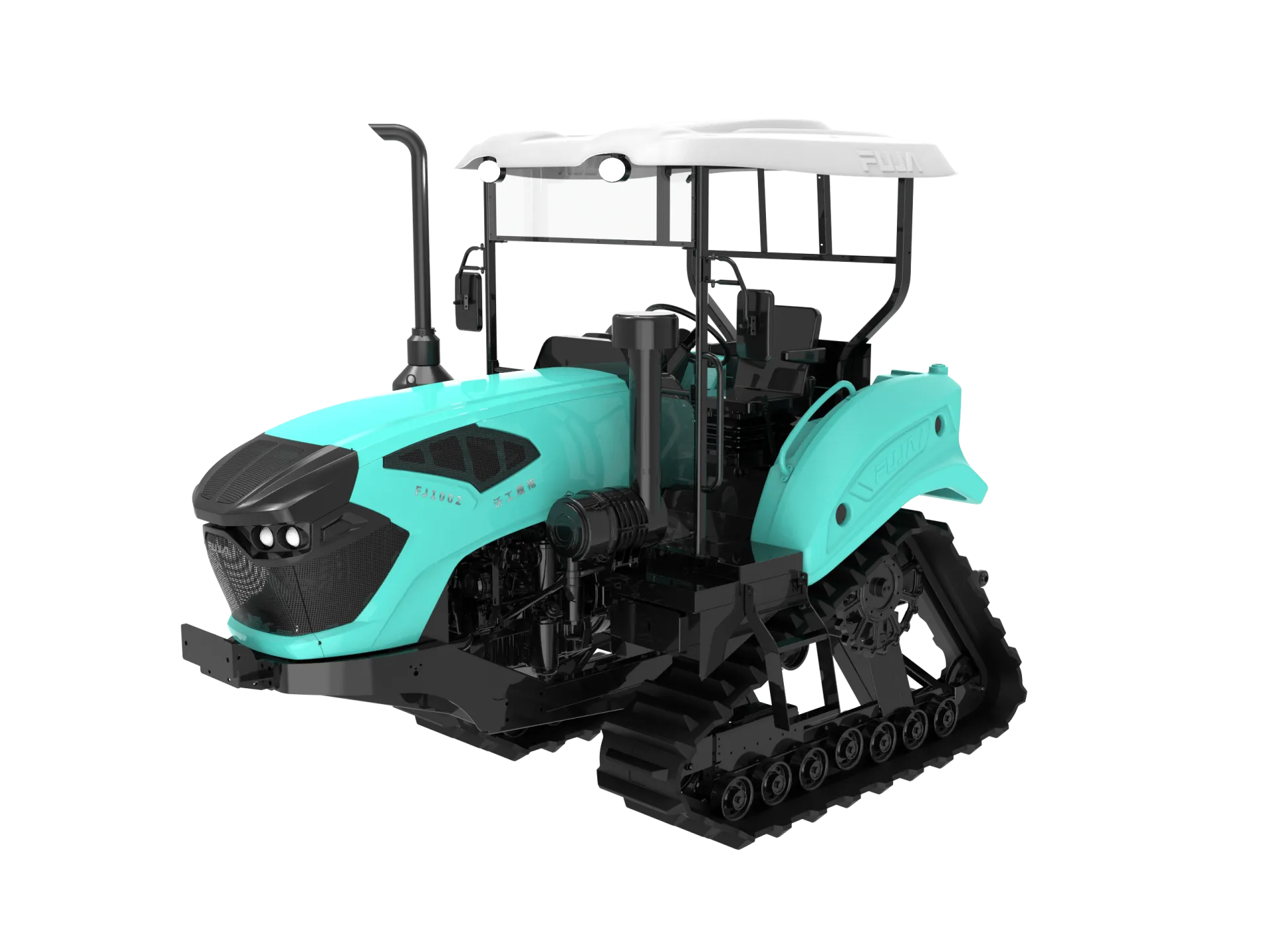
A crawler tractor uses continuous tracks rather than relying on conventional wheels for movement. In general, the track contact area can help distribute machine weight across the ground, which may be useful where loose or soft soil makes traction difficult. Actual results depend on the tractor’s design, weight, track dimensions, soil moisture, and operating technique. These figures are not available for the product in this request, so no specific claim about ground pressure or flotation can be made. For an agricultural buyer, the practical question is not simply whether a machine has tracks. It is whether its documented track system and overall configuration match the work and ground conditions. Ask the supplier for the machine’s operating weight, track width, ground-pressure information if available, and guidance on turning or traveling on slopes. Also clarify which implements, if any, are supported by the proposed model. Agricultural Machinery Manufacturer & Supplier identifies intelligent R&D and precision manufacturing as company strengths; request technical documents that connect those capabilities to the specific tractor being considered.

Intelligent Crawler Tractor

Assess Kenyan farm conditions before purchase

A crawler tractor may be suitable for some farm conditions, but it is not automatically the right choice for every agricultural site in Kenya. Assess the ground during the season when the tractor will be used, since moisture and surface conditions can change traction and mobility. Record slopes, narrow access points, headland space, soil type, and the distance between fields. Then define the work cycle: the tasks, hours of operation, loads, and any implements required. Use those observations to check fit against verified model data. If a field has tight turns or limited access, ask whether the machine’s dimensions and turning requirements can be accommodated. For sloping ground, request the manufacturer’s operating limits rather than relying on general claims about tracked equipment. If the main issue is occasional wet soil but most work is on firm ground, compare the full operating requirements before deciding that a crawler is necessary. Poor selection can result in restricted access, unsuitable traction, excess wear, or a machine that cannot perform the planned task. The company’s global-service positioning is not a guarantee of local parts availability; confirm support arrangements for the intended location.

Intelligent Crawler Tractor

Prepare a clear configuration request

Before requesting a proposal, send the supplier a concise description of the work rather than asking only for a crawler tractor. Include the county or general operating area, soil conditions, slope, field access width, seasonal ground changes, primary tasks, expected workload, and any implements you plan to use. Photos or a short site video can help explain obstacles and turning space, but they do not replace a technical assessment. Ask Agricultural Machinery Manufacturer & Supplier to identify the exact model and configuration under consideration, then request its technical datasheet, operating limits, implement compatibility information, maintenance schedule, and applicable conformity documents. The brand describes a 68,000 m2 smart manufacturing base and intelligent R&D, but no tractor model or specifications were supplied here; therefore, configuration decisions should be based on documents for the proposed unit. Confirm which CE documents apply to that model and configuration. Before placing an order, keep the agreed specifications and intended application in writing, and ask how service and parts support can be arranged for your operating area. This gives both sides a concrete basis for checking fit.

News

Industry updates

Products

Production modules

Why Choose Us

A manufacturing partner for field-specific tractor discussions

Agricultural Machinery Manufacturer & Supplier positions itself as a high-end agricultural machinery manufacturer, with innovation focused on practical operating challenges. Its stated 68,000 m2 smart manufacturing base provides a concrete point for buyers to explore how production is organized; request the quality-control information relevant to the tractor model being quoted. The company also highlights intelligent R&D, which can support a more application-focused technical discussion, although model-level evidence is still needed to confirm capabilities. The brand reports more than 150 customers and describes a global service approach intended to support farmers in different markets. For a Kenyan buyer, the useful next step is to establish what support is actually available for the proposed machine, including service contacts, parts arrangements, and documentation. CE is listed among the company’s certifications, but buyers should verify the certificate and its scope for the exact product and configuration. These details offer a basis for supplier evaluation without assuming unprovided performance figures, delivery commitments, or local service guarantees.

FAQ

Common technical questions

What information should I provide to check whether a crawler tractor suits my farm?

Describe the soil and seasonal ground conditions, slopes, access width, field layout, main tasks, workload, and any implements you expect to use. Request a model-specific assessment against those conditions.

Can a crawler tractor work on both soft fields and firm farm roads?

It depends on the machine’s design and operating guidance. Ask for the model’s approved operating conditions and limitations, including any guidance for firm surfaces, turning, and travel between fields.

What can happen if I choose a crawler tractor that is too large or too small for the work?

A mismatch can restrict access or turning, fail to meet the workload, or contribute to avoidable wear and maintenance. Compare verified machine specifications with the actual tasks and site conditions before ordering.

How should I confirm the CE certification before buying?

Ask for the CE documentation and check that it identifies the exact tractor model and configuration being offered. The company lists CE, but that alone does not confirm coverage for every product.

Need a solution for your project?

Share your product type, target capacity, and application requirements. Our team can review the details and recommend a practical next step.

Contact Us




