EN
 HR

How Tracks Affect Movement on Farm Ground
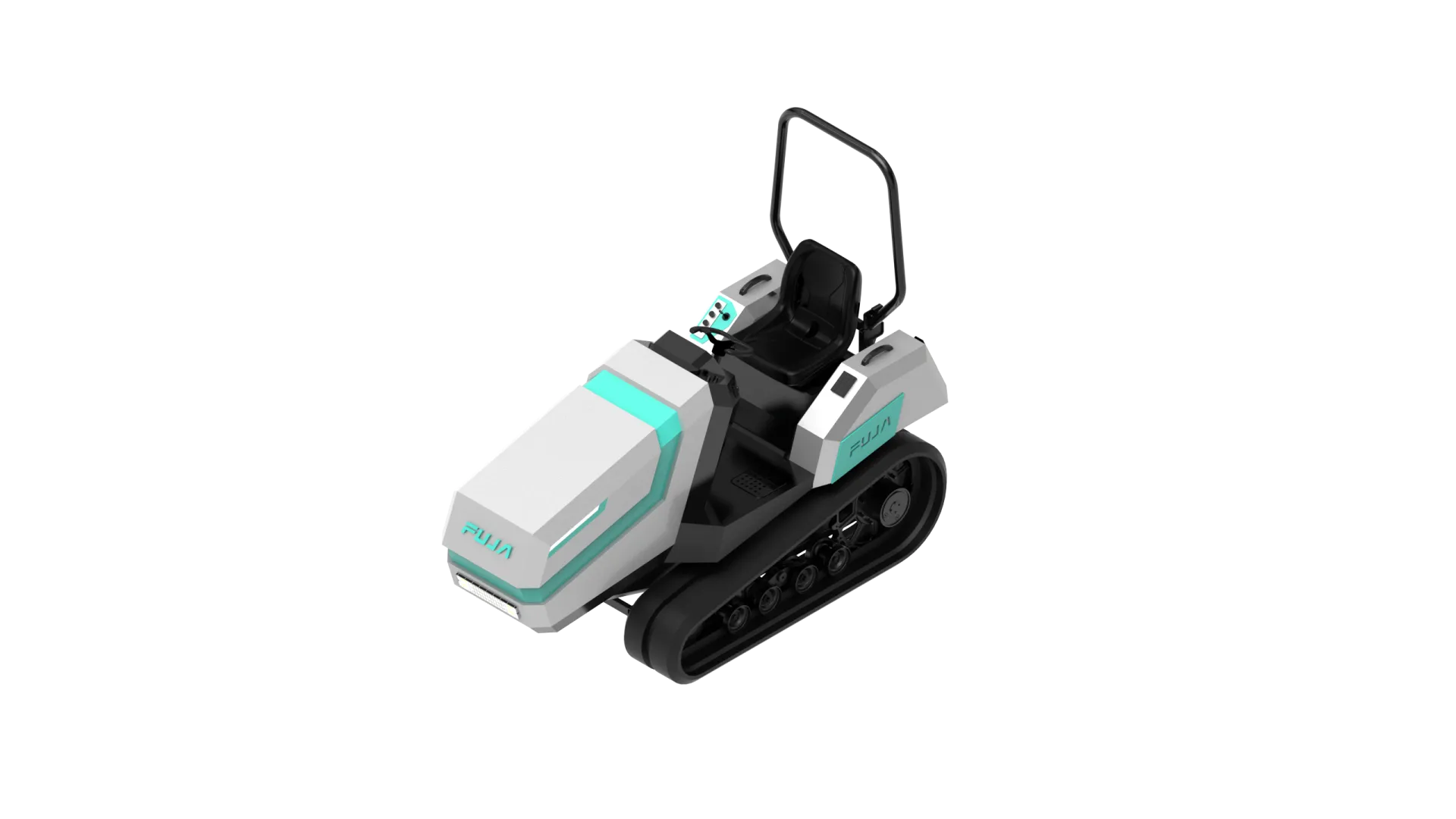
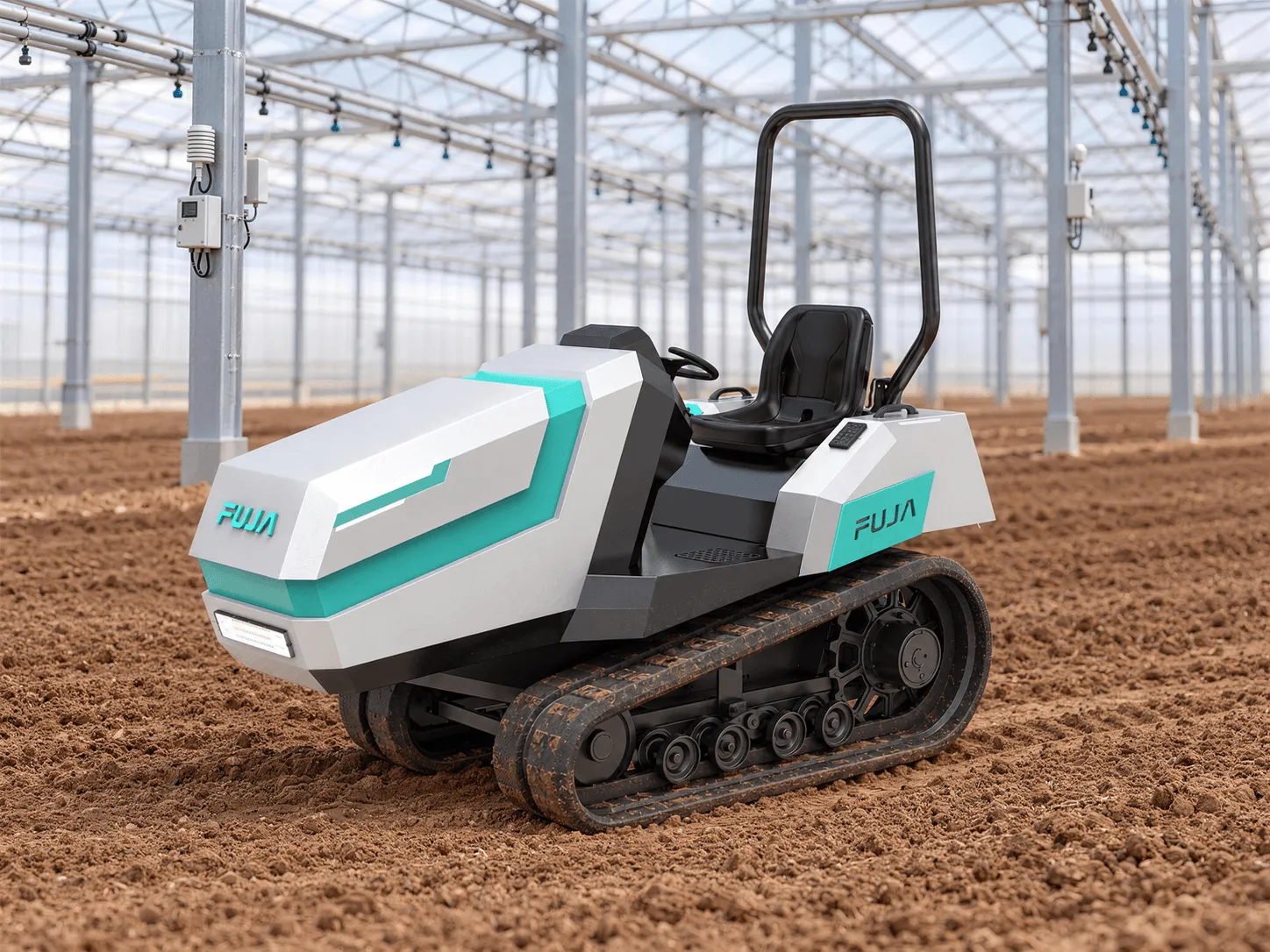
A crawler tractor uses a tracked undercarriage instead of separate pneumatic wheels. The track runs around the undercarriage and contacts the ground along a longer footprint; as a general engineering principle, this can distribute machine weight over more area than a comparable wheeled layout. The practical result is not identical across all machines: track dimensions, tractor weight, soil moisture, ground preparation, and operating technique all influence traction and ground disturbance. A compact frame may also help where maneuvering room is limited, but the word “compact” does not specify turning clearance or transport dimensions. The manufacturer’s supplied information does not include a drawing, undercarriage description, track width, or ground-pressure figure for a specific model. Ask for these details if access, soil protection, or maneuverability is central to the job. For a useful comparison, request the model’s dimensions and operating weight alongside the track configuration, then relate them to the farm’s narrowest route and the soil conditions during the working season. Avoid assuming that every crawler tractor will behave the same way on wet ground or slopes.