EN
 HR

How Tracks Affect Field Movement
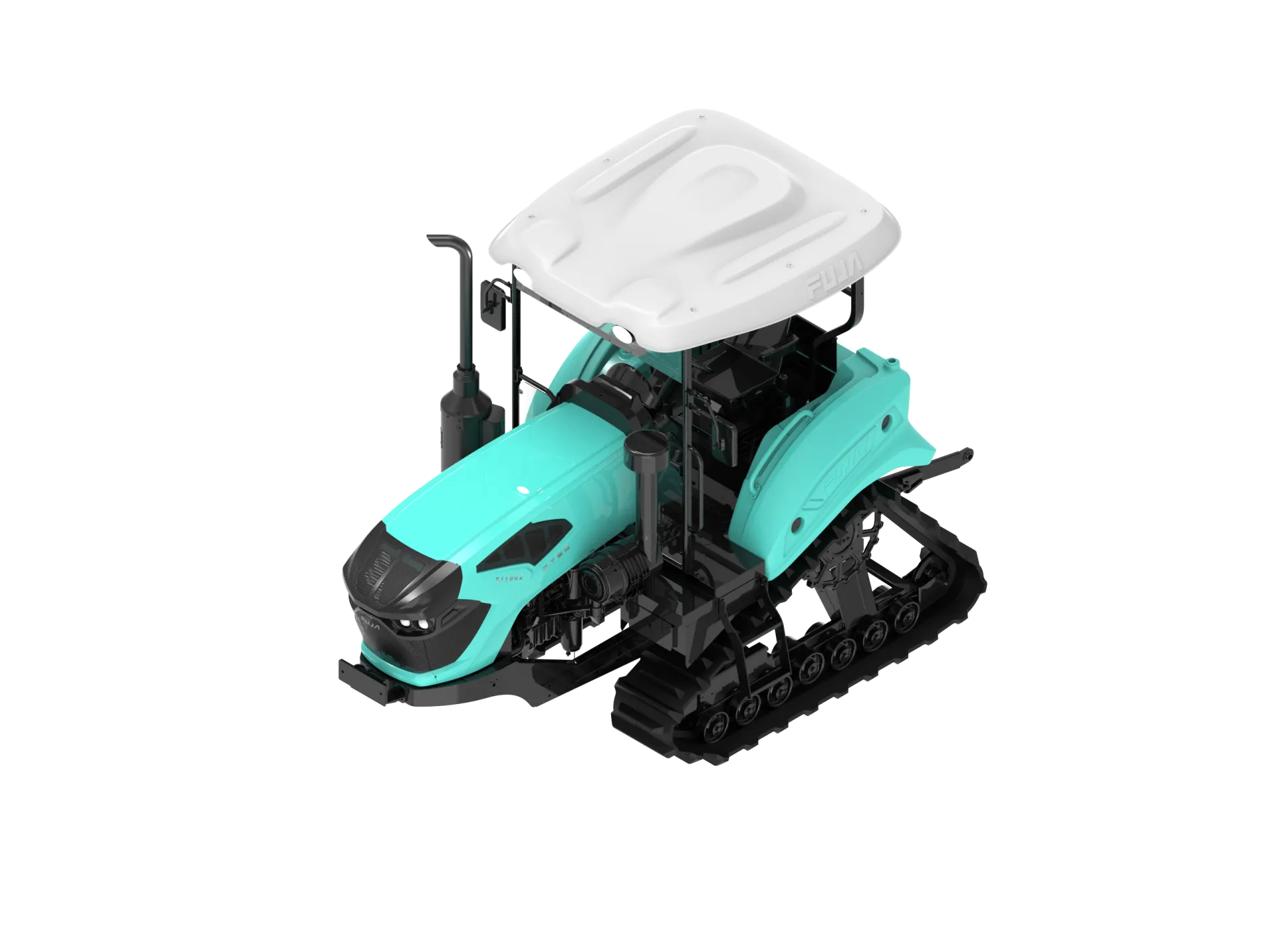
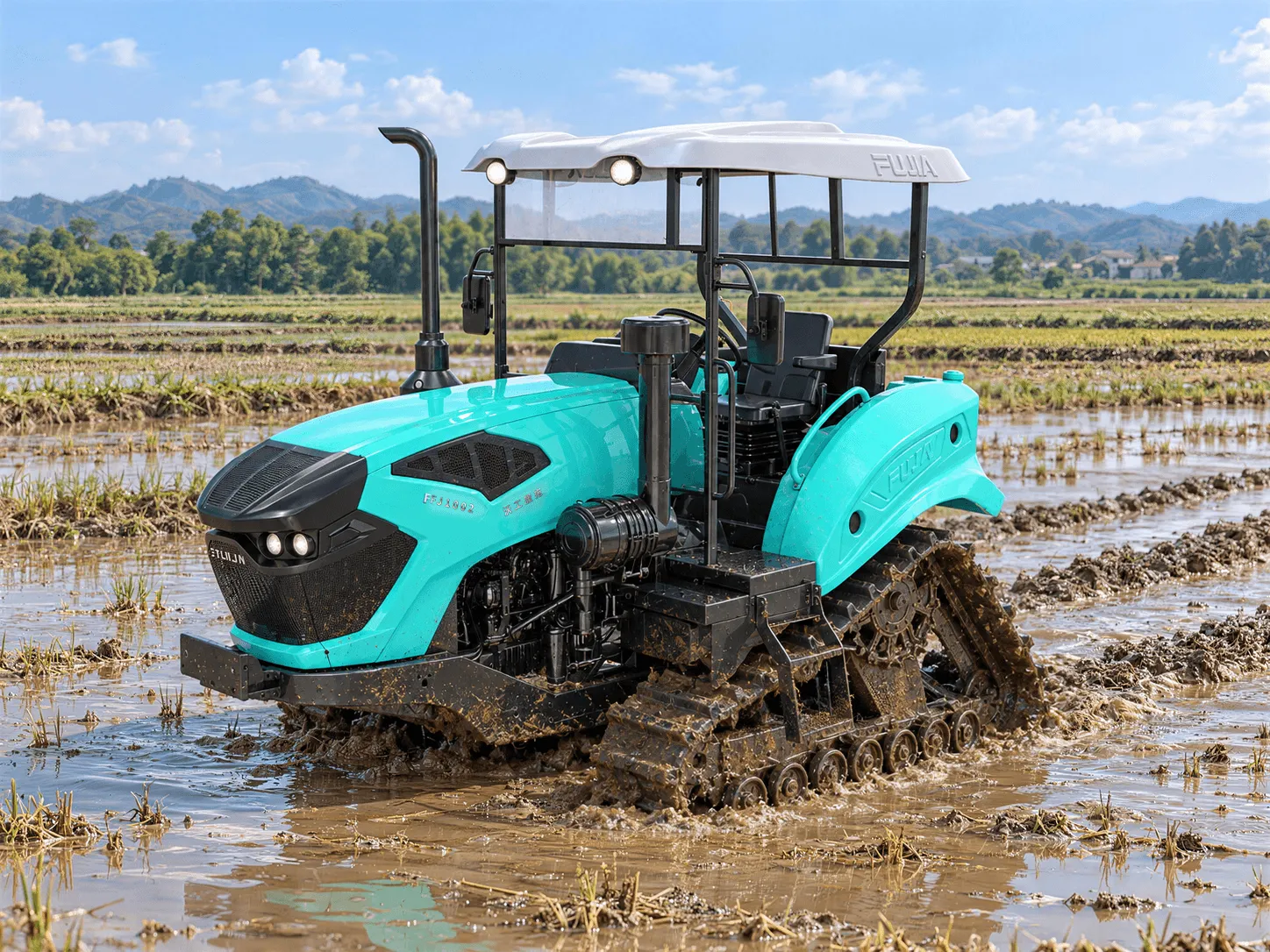
A crawler tractor uses tracks instead of conventional wheels to move and transfer force to the ground. In general, the longer contact area of tracks can distribute machine weight over more ground than a comparable wheel contact area. This may be useful on soft or uneven surfaces, but it does not guarantee lower soil impact or better performance in every field. Actual results depend on the tractor’s weight, track design, soil moisture, slope, speed, and operating practice. Those details must come from the specifications and operating guidance for the specific machine. For Ecuadorian farms, the distinction matters when fields vary between firm ground and areas that become soft after rain, or where access routes include uneven terrain. A crawler configuration can also affect turning, transport, and movement between plots, so buyers should not assess traction in isolation. The brand identifies intelligent R&D as a capability for addressing real-world design challenges, but no track construction or performance data has been supplied. Ask for technical drawings, operating limits, and relevant maintenance instructions for the proposed tractor. Understanding how the tracks interact with soil and undercarriage components gives the buyer a sound basis for discussing suitability without relying on a general claim that crawlers work on all difficult ground.