EN
 HR

How crawler tracks affect field operation
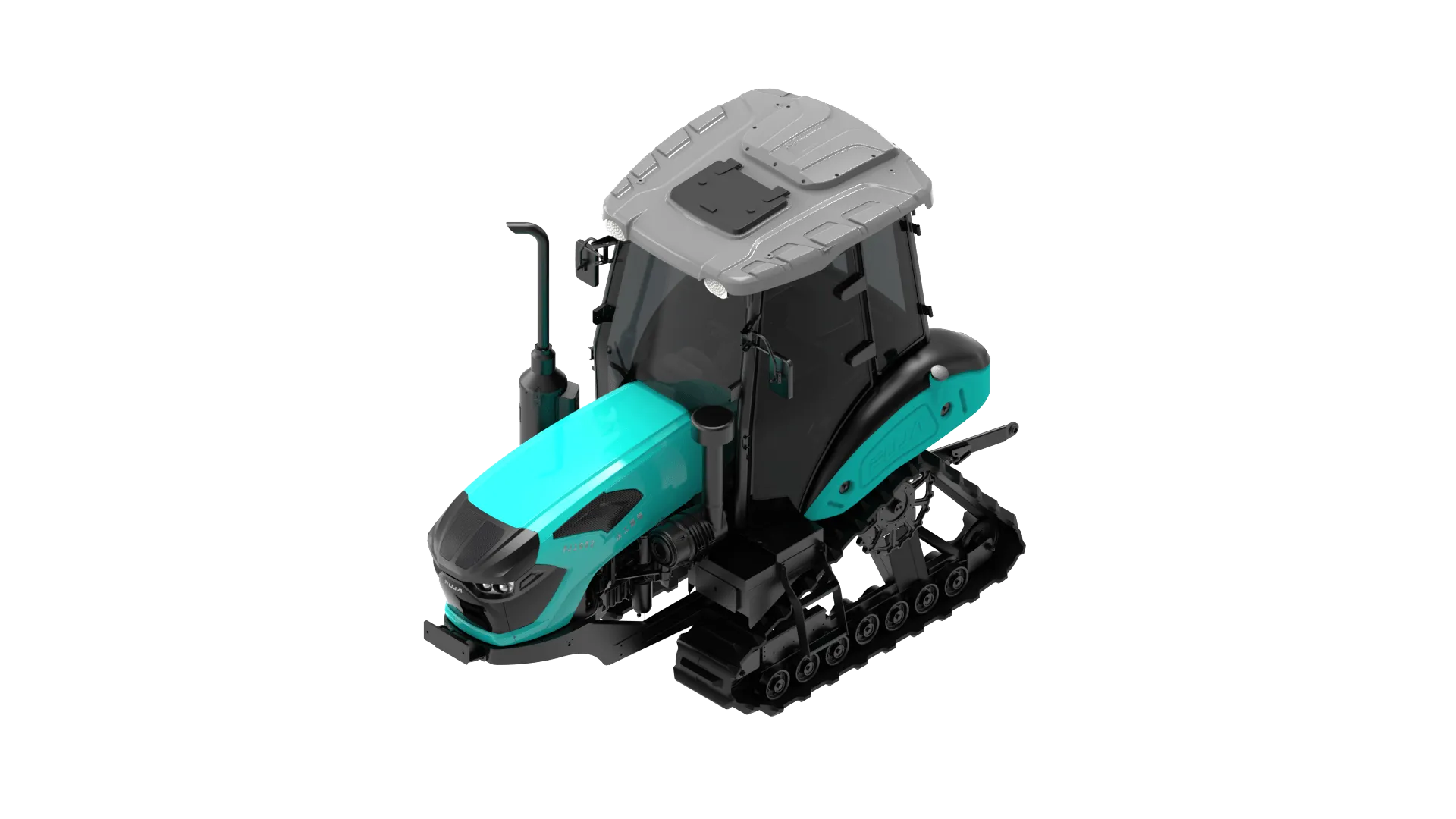
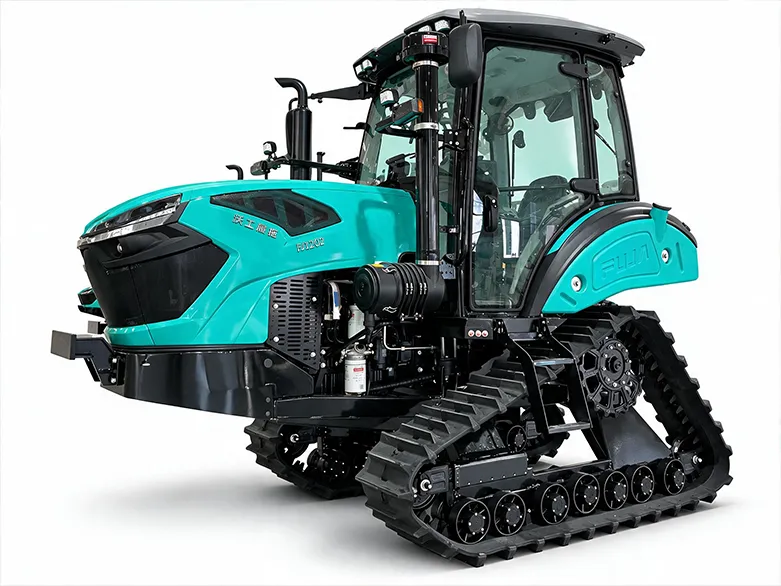
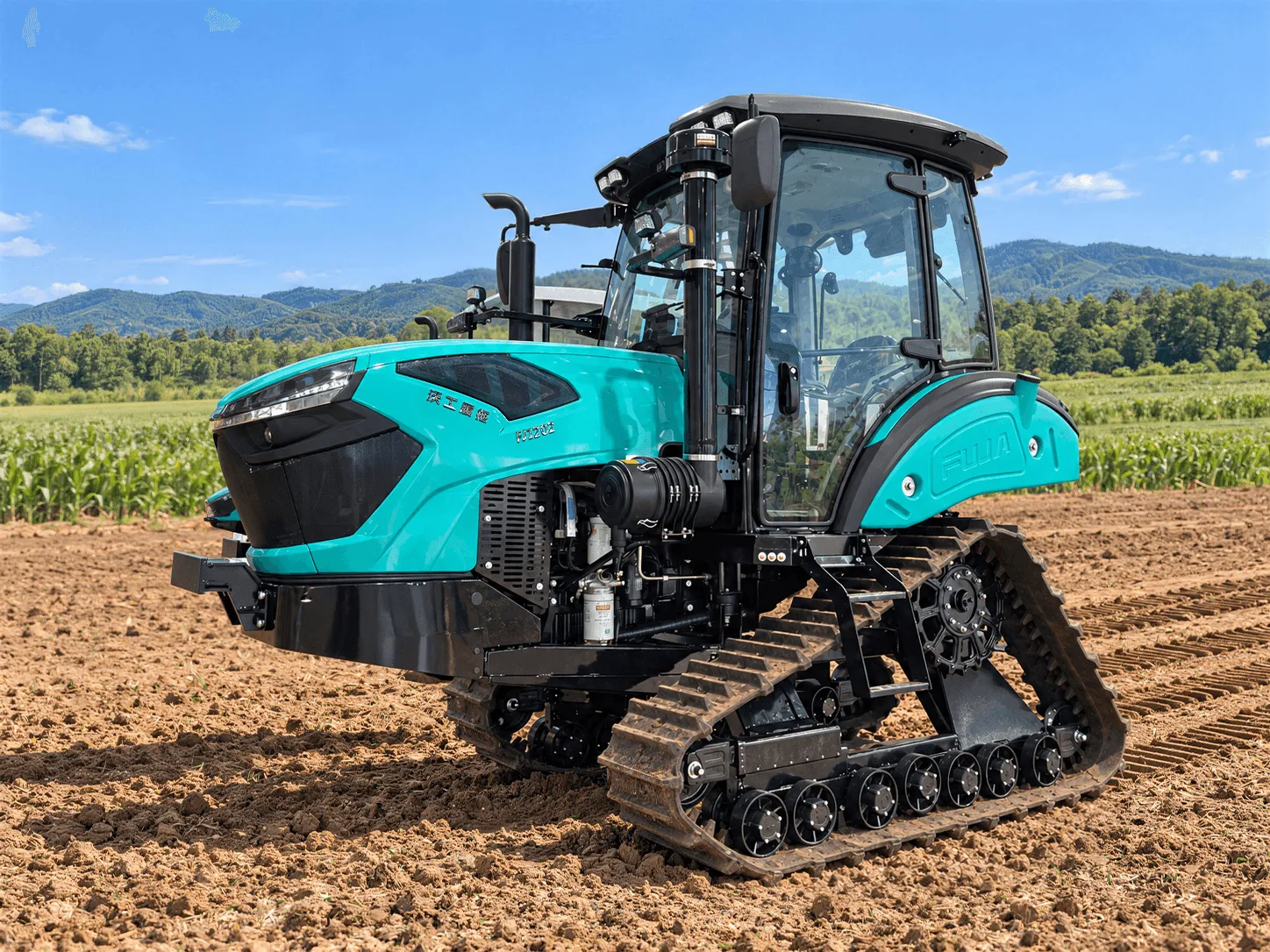
A crawler tractor moves on linked tracks that distribute contact with the ground along a longer footprint than typical tires. That basic layout can be relevant when a buyer is considering traction and ground interaction, but it does not guarantee performance on every soil or slope. Track width, machine weight, track design, ground clearance, and the distribution of load all influence how a specific tractor behaves. These details are not available for the product referenced here, so they should be confirmed from the manufacturer’s technical documentation rather than inferred from the category name. Agricultural Machinery Manufacturer & Supplier describes its approach as intelligent R&D aimed at real-world challenges. For buyers, the useful question is how that design process translates into the proposed machine’s construction and documented operating limits. Ask for a model drawing or datasheet showing the overall dimensions, track arrangement, ground clearance, and any stated load or operating restrictions. If an implement will be fitted, request confirmation that the tractor’s mounting interface and operating capacity are compatible. This gives the buyer a clearer understanding of the machine’s structure before judging its suitability for a particular farm.